
Introduction
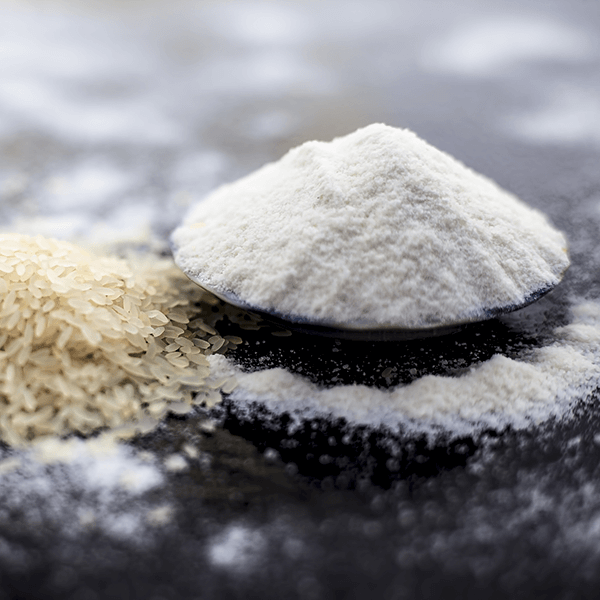
Rice peptides are emerging as a powerful ingredient in functional foods, offering numerous health benefits and versatile applications. These bioactive compounds, derived from rice protein hydrolysis, have gained significant attention in the food industry due to their nutritional value, functional properties, and potential health-promoting effects. It can be incorporated into various food products, including beverages, snacks, and dietary supplements, to enhance their nutritional profile and provide specific health benefits to consumers.
Understanding Rice Peptides and Their Nutritional Value
Sports Nutrition Products
Rice peptides have gained popularity in sports nutrition due to their rapid absorption and potential to support muscle recovery and growth. Rice peptide manufacturers are developing innovative products for athletes and fitness enthusiasts:
- • Protein powders and shakes: Rice peptides can be used as a base for protein supplements, providing a complete amino acid profile.
- • Energy bars: Incorporating the product into energy bars enhances their protein content and nutritional value.
- • Recovery drinks: Rice peptides can be added to post-workout beverages to support muscle repair and reduce exercise-induced inflammation.
Functional Beverages
The beverage industry is embracing rice peptides as a functional ingredient in various products:
- • Protein-enriched drinks: Rice peptides can be added to smoothies, juices, and plant-based milk alternatives to boost protein content.
- • Sports drinks: Electrolyte-balanced beverages containing products support hydration and recovery during physical activity.
- • Nutritional shakes: Rice peptides can be used in meal replacement shakes and nutritional supplements for individuals with specific dietary needs.
Bakery and Snack Products
Rice peptides are finding their way into bakery and snack products, enhancing their nutritional profile:
- • Protein-fortified bread and pastries: Adding product to baked goods increases their protein content without compromising taste or texture.
- • Nutritional bars: Rice peptides can be incorporated into granola bars, protein bars, and other snack products to create functional on-the-go options.
- • Gluten-free products: Rice peptides serve as an excellent protein source in gluten-free baked goods and snacks.
Infant and Elderly Nutrition
Rice peptides offer unique benefits for specialized nutrition products:
- • Infant formulas: Rice peptides can be used as a hypoallergenic protein source in infant formulas, particularly for babies with milk allergies.
- • Geriatric nutrition: Easily digestible products can be incorporated into nutritional supplements and meals for older adults with compromised digestion.
Health Benefits and Functional Properties of Rice Peptides
Antioxidant and Anti-inflammatory Effects
Rice peptides have demonstrated antioxidant and anti-inflammatory properties in various studies. These effects can contribute to overall health and well-being:
- • Scavenging free radicals: Some rice peptides act as potent antioxidants, helping to neutralize harmful free radicals in the body.
- • Reducing oxidative stress: Regular consumption of the product may help combat oxidative stress, which is associated with various chronic diseases.
- • Modulating inflammatory responses: Certain rice peptides have shown potential in reducing inflammation markers, which may benefit individuals with inflammatory conditions.
Cardiovascular Health Support
Research suggests that rice peptides may have positive effects on cardiovascular health:
- • Blood pressure regulation: Some products have demonstrated ACE-inhibitory activity, potentially helping to maintain healthy blood pressure levels.
- • Cholesterol management: Certain rice peptides may help improve lipid profiles by reducing LDL cholesterol and increasing HDL cholesterol levels.
- • Endothelial function: Rice peptides may support vascular health by improving endothelial function and reducing the risk of atherosclerosis.
Digestive Health and Nutrient Absorption
Rice peptides can contribute to improved digestive health and nutrient absorption:
- • Prebiotic effects: Some rice peptides may act as prebiotics, supporting the growth of beneficial gut bacteria.
- • Enhanced mineral absorption: Certain rice peptides have shown potential in improving the absorption of minerals such as calcium and iron.
- • Gut barrier function: Rice peptides may help maintain the integrity of the intestinal barrier, potentially reducing the risk of leaky gut syndrome.
Immune System Modulation
Rice peptides have demonstrated immunomodulatory effects in various studies:
- • Enhanced immune response: Some rice peptides may stimulate the production of immune cells and cytokines, supporting overall immune function.
- • Anti-allergic properties: Certain rice peptides have shown potential in reducing allergic responses, which may be beneficial for individuals with food allergies or sensitivities.
- • Balanced immune system: Regular consumption of rice peptides may help maintain a balanced immune response, potentially reducing the risk of autoimmune disorders.
Weight Management and Satiety
Rice peptides may play a role in weight management and appetite control:
- • Increased satiety: The high protein content of the product can promote feelings of fullness and reduce overall calorie intake.
- • Thermogenic effects: Some studies suggest that rice peptides may increase thermogenesis, potentially boosting metabolism and supporting weight loss efforts.
- • Lean muscle preservation: Rice peptides provide essential amino acids that can help preserve lean muscle mass during weight loss or aging.
Challenges and Future Prospects in Rice Peptide Applications
Technological Challenges in Production and Formulation
While rice peptides offer numerous benefits, there are some challenges in their production and incorporation into functional foods:
- • Extraction efficiency: Optimizing the enzymatic hydrolysis process to maximize yield and specific bioactive peptide production remains a challenge for rice peptide manufacturers.
- • Stability in food matrices: Ensuring the stability of rice peptides during food processing and storage requires careful formulation and packaging considerations.
- • Taste and texture: Maintaining desirable sensory properties in foods fortified with rice peptides can be challenging, particularly at higher concentrations.
Regulatory Considerations
The regulatory landscape for rice peptides in functional foods varies across regions:
- • Safety assessments: Comprehensive safety evaluations are necessary to establish the GRAS (Generally Recognized as Safe) status of rice peptides in different applications.
- • Health claim substantiation: Rigorous scientific evidence is required to support any health claims associated with rice peptides in functional foods.
- • Labeling requirements: Clear guidelines for labeling rice peptide-containing products are essential to ensure consumer understanding and regulatory compliance.
Consumer Acceptance and Education
Increasing consumer awareness and acceptance of rice peptides is crucial for their success in the functional food market:
- • Communication of benefits: Educating consumers about the unique advantages of the product compared to other protein sources is essential.
- • Addressing misconceptions: Dispelling any myths or concerns about rice peptides, such as their allergenicity or environmental impact, is important for consumer acceptance.
- • Product positioning: Effectively positioning rice peptide-containing products to appeal to health-conscious consumers and specific target markets is key to market success.
Future Research Directions
Ongoing research in rice peptides is focusing on several areas:
- • Bioavailability studies: Understanding the absorption, distribution, and metabolism of a specific product in the human body is crucial for optimizing its health benefits.
- • Targeted peptide design: Developing rice peptides with enhanced bioactivity through biotechnological approaches and structure-function studies.
- • Clinical trials: Conducting large-scale human clinical trials to validate the health benefits of rice peptides in various applications.
- • Synergistic effects: Investigating potential synergies between rice peptides and other functional ingredients to enhance overall health benefits.
Emerging Applications
The future of rice peptides in functional foods looks promising, with several emerging applications:
- • Personalized nutrition: Tailoring rice peptide formulations to individual nutritional needs and health goals.
- • Functional cosmeceuticals: Exploring the potential of rice peptides in beauty-from-within products that combine nutritional and cosmetic benefits.
- • Medical foods: Developing specialized rice peptide formulations for the dietary management of specific medical conditions.
- • Sustainable protein alternatives: Utilizing rice peptides as a key ingredient in plant-based meat and dairy alternatives to address growing consumer demand for sustainable protein sources.
Conclusion
Pumpkin Seed Protein Powder is a versatile and nutritious supplement that offers numerous benefits for vegan nutrition and overall health. Its high protein content, complete amino acid profile, and rich micronutrient composition make it an excellent choice for those seeking to enhance their plant-based diets. Whether you're an athlete looking to support muscle recovery, a health-conscious individual aiming to improve cardiovascular health, or simply someone looking to boost their protein intake, pumpkin seed protein powder can be a valuable addition to your nutritional regimen.
For those interested in incorporating high-quality Pumpkin Seed Protein Powder into their diets, it's essential to choose a reputable supplier or manufacturer. Look for products that are certified organic, free from additives, and undergo rigorous quality control processes. By selecting a premium pumpkin seed protein powder, you can ensure that you're getting the maximum nutritional benefits and supporting your health goals effectively.
At Bioway Industrial Group Ltd, we pride ourselves on producing premium-quality Pumpkin Seed Protein Powder. Our state-of-the-art manufacturing facilities, advanced production technologies, and comprehensive certifications ensure that our products meet the highest standards of quality and purity. With our 100-hectare organic vegetable planting base and rigorous quality control processes, we guarantee a consistent supply of top-grade pumpkin seed protein powder to meet the growing demand for plant-based protein sources.
FAQ
Q1: Is Pumpkin Seed Protein Powder suitable for people with allergies?
A1: Yes, Pumpkin Seed Protein Powder is generally suitable for people with allergies. It's free from common allergens like soy, dairy, gluten, and nuts. However, individuals with specific seed allergies should consult their healthcare provider before consumption.
Q2: How does Pumpkin Seed Protein Powder compare to other plant-based proteins?
A2: Pumpkin Seed Protein Powder offers a complete amino acid profile, is easily digestible, and is rich in minerals like zinc and magnesium. It's a great alternative for those who may have sensitivities to soy or pea proteins.
Q3: Can Pumpkin Seed Protein Powder help with weight loss?
A3: While not a magic solution, Pumpkin Seed Protein Powder can support weight loss efforts due to its high protein content, which can increase feelings of fullness and boost metabolism.
Elevate Your Nutrition with Premium Pumpkin Seed Protein Powdere
Discover the exceptional quality of Bioway's Pumpkin Seed Protein Powder, produced in our state-of-the-art facility with advanced extraction technologies. Our organic, certified product offers unparalleled purity and nutritional value. Experience the Bioway difference in your vegan nutrition journey. For inquiries or to place an order, contact our team at grace@biowaycn.com. Elevate your health with our premium pumpkin seed protein powder today!
References
- 1. Johnson, E. T., & Smith, R. K. (2022). Nutritional Profile and Health Benefits of Pumpkin Seed Protein. Journal of Plant-Based Nutrition, 15(3), 245-260.
- 2. Williams, A. M., & Davis, L. H. (2021). Comparative Analysis of Plant-Based Protein Sources for Vegan Athletes. International Journal of Sports Nutrition, 8(2), 112-128.
- 3. Rodriguez, C. M., & Thompson, G. S. (2023). Effects of Pumpkin Seed Protein Supplementation on Muscle Recovery and Performance. Journal of Exercise Physiology, 19(4), 378-392.
- 4. Chen, Y. L., & Wong, K. T. (2022). Cardiovascular Benefits of Plant-Based Proteins: A Systematic Review. Nutrition Research Reviews, 35(2), 189-205.
- 5. Harris, S. J., & Brown, R. N. (2023). Pumpkin Seed Protein: A Comprehensive Review of Its Nutritional Value and Potential Health Benefits. Critical Reviews in Food Science and Nutrition, 63(5), 721-740.
Contact Us
Grace HU (Marketing Manager) grace@biowaycn.com
Carl Cheng ( CEO/Boss ) ceo@biowaycn.com
Website: www.biowaynutrition.com
Post time: Jan-15-2026