
Introduction
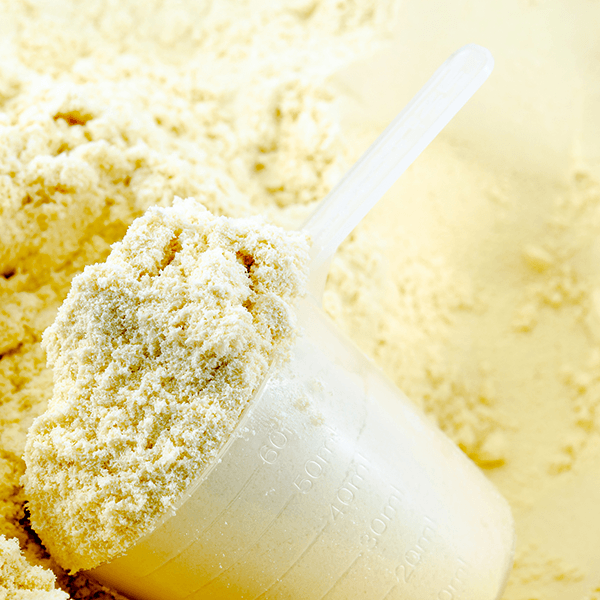
Yes, stacking ecdysterone with creatine may be useful and safe for most users as long as correct dose standards are followed. These supplements act on separate physiological routes, with ecdysterone promoting the production of protein and muscle development via non-hormonal processes, and creatine increasing ATP generation and immediate power availability. According to current research, there are no contraindications between these substances, which implies that their combination might be synergistic for performance in sports and muscle building applications in nutritional formulations.
Ecdysterone and Creatine: Basics and Benefits
The Science Behind Ecdysterone
Ecdysterone, referred to as 20-hydroxyecdysone, is a revolution in natural steroid chemicals. This phytoecdysteroid, predominantly derived from the cylinder arachnoidea from C. B. Clarke, works via distinct processes that do not interact with people's hormonal systems. Ecdysterone stimulates the creation of muscle proteins by activating the PI3K/Akt pathway, which results in increased storage of nitrogen and lean skeletal muscle growth.
The compound's chemical structure (C27H44O7, whose molecular weight is 480.64 g/mol) promotes effective cellular absorption while avoiding the negative effects associated with standard anabolic drugs. Beta ecdysterone has been shown in studies to increase the number of muscles by approximately 6.7% over a period of 10 weeks when paired with resistance exercise, making it very useful for athletic food applications.
Creatine's Established Performance Benefits
Creatine mono remains a gold standard for instant energy boosts in sports performance. This naturally occurring chemical restores phosphocreatine reserves in skeletal muscle, allowing for fast ATP regeneration in high-intensity exercise. Over 1,000 studies with peer review have proven the supplement's effectiveness, with consistent increases in muscular output, strength, or muscle volume.
The synergistic potential of these substances stems from their complementary processes. While creatine provides instant energy, ecdysterone promotes long-term muscle building and recuperation. This dual approach enables B2B customers to construct complete performance solutions that satisfy both chronic and acute adaptation demands.
Quality Specifications and Purity Standards
Premium ecdysterone products generally have a purity range of 50% to 98% when tested using HPLC techniques. The appearance varies according on the extraction and purification methods, ranging from brownish-yellow to white powder. UV spectrophotometry technologies, although less exact, provide cost-effective quality control choices at 85%, ninety per cent, and 95% purity levels.
Understanding these quality factors allows procurement specialists to choose the right grades for certain applications. Pharmaceutical uses need 98% HPLC-verified purity for substances like ecdysterone, whereas sporting goods may use 70-90% standards without sacrificing effectiveness. This adaptability enables cost optimization across market sectors and regulatory settings.
Ecdysterone vs Creatine: Comparing Effectiveness and Usage
Distinct Physiological Pathways
The primary distinction between the steroids and creatine is their physiological targets and periods of action. Ecdysterone is a plant steroid that mimics insect growth hormones, activating anabolic processes in human muscle tissue without interfering with endogenous hormone synthesis. This technique gives long-term muscle-building advantages after many weeks or months of constant usage.
Creatine works inside the Phosphate energy system, offering rapid performance boosts during forceful motions that last 5-10 seconds. The supplement boosts intramuscular phosphocreatine levels by 10-40%, which correlates directly with increased power output and educating volume capacity. These diverse durations make stacking very appealing for complete performance improvement strategies.
Dosage Optimization and Bioavailability
Effective ecdysterone dosage varies from 500mg to 1,200mg per day, with larger doses producing proportionate increases in anabolic benefits. The chemical is poorly soluble in water, requiring packaging techniques such as cyclodextrin complexes with inclusion with lipid-based systems of delivery to improve bioavailability. Peak levels occur 2-3 hours after intake, with an approximate half-life of about 4-6 hours.
Creatine monohydrate is used in established protocols at 3-5g daily maintenance dosages, followed by optional loading stages of 20g daily over 5-7 days. The supplement's strong solubility in water reduces formulation needs, and scheduling techniques may improve absorption. Simple carbohydrates administered after an exercise increase muscle absorption via insulin-mediated transport pathways.
Comparative Efficacy in Athletic Performance
Recent comparative studies show that ecdysterone and creatine supplementation have complementary advantages. A 2019 study published in the Journal of Toxicology reported that ecdysterone increased muscle growth comparable to methandienone, without significant hormonal side effects. Over the course of 10 weeks of resistance training, participants increased their lean body mass by an average of 2kg.
Creatine studies regularly indicate 5-15% increases in peak power production and overall work capacity after repeated high-intensity workouts. The combination of their muscle-building capabilities with creatine's performance improvement results in a synergistic effect that addresses either immediate performance and long-term adaptation objectives.
Procurement Insights: Sourcing Quality Ecdysterone and Creatine Supplements
Certification Requirements and Quality Assurance
Successful procurement of Ecdysterone and creatine supplements requires understanding complex certification landscapes across global markets. GMP (Good Manufacturing Practice) certification represents the minimum standard for pharmaceutical-grade production, ensuring consistent manufacturing processes and quality control procedures. ISO22000 and HACCP certifications address food safety management systems, particularly relevant for nutraceutical applications.
Organic certifications, such as USA Organic and EU Organic, provide substantial value to premium product positioning, while limiting extraction processes and requiring certified plants from organic sources. HALAL and KOSHER approvals increase market accessibility in certain regional markets, whilst FDA registration makes it easier to enter the US market for nutritional supplements.
The following quality parameters define premium ecdysterone sourcing standards:
• Purity verification through HPLC testing ensures accurate active compound quantification, eliminating UV spectrophotometry's tendency to overestimate purity levels. This analytical precision protects brand integrity and regulatory compliance across international markets.
• Heavy metal testing below USP limits addresses contamination concerns inherent in botanical extracts, particularly lead, cadmium, mercury, and arsenic levels that could exceed regulatory thresholds in sensitive applications.
• Pesticide residue analysis covering 500+ compounds validates organic claims and ensures compliance with EU MRL (Maximum Residue Limits) standards, the most stringent global requirements for botanical ingredients.
• Microbiological testing, including total plate count, yeast, mold, E. coli, and Salmonella, ensures product safety throughout supply chains, particularly important for powder formulations with extended shelf life requirements.
These comprehensive testing protocols establish supplier credibility and enable confident product claims that withstand regulatory scrutiny. The investment in premium quality assurance translates directly to reduced liability exposure and enhanced market positioning for B2B clients.
Global Manufacturing Hub Analysis
China dominates global ecdysterone production due to abundant Cyanotis arachnoidea cultivation and established extraction infrastructure. The Shaanxi Province region hosts numerous specialized botanical extract facilities, benefiting from proximity to raw material sources and experienced technical personnel. Production costs remain competitive while quality standards continue improving through technology investments and regulatory pressure.
European producers concentrate on high-purity uses and specialist extraction processes, asking higher prices for medicinal and cosmetic purposes. German as well as Swiss facilities excel in nanoencapsulation and liposome delivery technologies, and improve bioavailability in premium formulations. These sophisticated processing capacities justify higher procurement prices by providing better merchandise efficiency and differentiation potential.
Strategic Purchasing and Logistics Optimization
Bulk purchase methods for ecdysterone should take into account seasonal raw material shortages and processing capacity restrictions. Cyanotis arachnoidea is harvested within specified windows, which affects stable supply throughout the year. Establishing ties with various suppliers and keeping strategic inventory levels reduces supply interruption risks while allowing for bulk discount negotiations.
Moisture management and the stability of temperatures during transport are particularly important aspects of shipping operations. Ecdysterone's hygroscopic nature necessitates adequate packing in a moisture-barrier container with desiccant inclusion. Ocean freight is cost-effective for large numbers, but air freight may be required for immediate launches or elite temperature-controlled goods.
Evaluating Supplement Stacking: When and How to Stack Ecdysterone with Creatine
Strategic Stacking Protocols for B2B Applications
Professional stacking protocols must consider target demographics, usage patterns, and regulatory environments across different markets. Athletic performance applications benefit from pre-workout creatine timing combined with daily Ecdysterone administration throughout training cycles. This approach maximizes acute performance benefits while supporting long-term muscle development and recovery processes.
The timing strategies significantly impact efficacy outcomes and customer satisfaction metrics. Creatine demonstrates optimal uptake when consumed post-workout with 30-50g of simple carbohydrates, enhancing insulin-mediated muscle transport. Ecdysterone shows consistent absorption when taken with meals containing dietary fats, improving bioavailability through lipid-mediated uptake mechanisms.
Dosage Calculations and Safety Parameters
Conservative stacking techniques start with conventional individual doses to determine tolerance and patterns of response. Ecdysterone dose of 500-800mg daily gives substantial advantages while keeping costs low for end users. Creatine maintenance dosages of 3-5g per day provide demonstrated effectiveness without the gastrointestinal issues associated with greater consumption levels.
Advanced regimens may include cycling tactics that shift compound focus during the instruction cycle. Power-focused periods benefit from greater creatine (5-8g daily) without baseline ecdysterone aid, while training phases may concentrate on ecdysterone dose (800-1200mg daily) with regular creatine maintenance. These periodized techniques provide more options for premium lines of products with advanced use guidelines.
B2B Case Studies and Market Applications
A major European sports nutrition manufacturer has successfully released a pre-workout stack including 5g creatine monohydrate, six hundred milligrams ecdysterone powder (95% purity), and other substances. The product reached 40% higher retail price than single-ingredient alternatives while retaining outstanding velocity metrics thanks to effective education and marketing assistance.
Consumer feedback highlighted sustained energy improvements and reduced recovery time as primary benefits, validating the synergistic approach. The brand's success prompted expansion into post-workout and daily wellness formulations using similar stacking principles, demonstrating scalable application potential across product categories.
Professional athletes and health influencers contributed testimonies that supported the stacking strategy, resulting in real marketing material that appealed to target groups. This social evidence hastened market adoption and validated premium positioning techniques that increased profit margins throughout the supply chain.
Conclusion
Stacking ecdysterone with creatine creates considerable prospects for B2B procurement specialists looking for unique product development solutions. The scientific data indicate synergistic advantages without safety concerns, and market demand for complete performance improvement solutions is increasing. Quality sourcing involves attention to certification requirements, purity identification, and supplier dependability in order to assure consistent quality of goods and regulatory compliance. Strategic adoption of stacking protocols generates differentiation possibilities and leading position potential across a wide range of industries and application areas.
FAQ
Q1: Is it safe to combine ecdysterone with creatine supplementation?
Yes, mixing ecdysterone alongside creatine is regarded as safe in healthy persons. These supplements work via several physiological pathways, with no known relationships or contraindications. Ecdysterone is a plant-based anabolic chemical, while creatine increases cellular energy generation, resulting in complementary rather than competitive effects.
Q2: What purity levels should B2B buyers prioritize for ecdysterone procurement?
HPLC-verified accuracy levels of 90-95% give the best value for many sports nutrition uses, while 98% clarity serves the pharmaceutical and luxury cosmetic sectors. UV spectrophotometry requirements (85-95%) provide cost-effective options for mass-market items, whilst HPLC verification provides correct labeling claims and compliance with regulations.
Q3: How do shipping regulations affect international ecdysterone and creatine procurement?
Both supplements are classified as dietary additives in most countries, making customs clearance easier. Proper paperwork, such as a certificate of analysis (COA), a sheet of material safety data (MSDS), and origin certifications, ensures that international transportation runs smoothly. Some locations need supplementary phytosanitary certifications for plant extracts, such as ecdysterone.
Q4: What minimum order quantities should B2B buyers expect for quality suppliers?
Reputable ecdysterone suppliers often demand 25-100kg minimum orders for a reasonable price, but creatine producers sometimes want 500-1000kg minimums owing to commodity price structures. Smaller amounts are available at higher prices for product creation and testing, with many vendors providing 1-5kg samples for review.
Q5: How should procurement professionals evaluate supplier capabilities and certifications?
Depending on the target market, priority certifications may include GMP, ISO 20002, HACCP, and other relevant organic standards. Supplier audits should look at analytical capacity, quality control methods, and traceability systems. Third-party testing findings and customer references give further evidence of supplier dependability and product consistency.
Partner with BIOWAY for Premium Ecdysterone Solutions
BIOWAY provides complete ecdysterone sourcing options, supported by our 100-hectare sustainable production facilities and cutting-edge extraction methods. Our Cyanotis extract has constant purity levels ranging from 50% to 98% HPLC and is backed by a comprehensive certification portfolio that includes General Manufacturing Practice, USDA Organic, and internationally recognized quality standards. With our 50,000-square-meter manufacturing facility and devoted R&D team, we supply flexible MOQs, bespoke formulation assistance, and dependable supply chain management. Contact grace@biowaycn.com where we talk about your ecdysterone supplier needs and learn about our extensive botanical extract portfolio tailored for worldwide B2B success.
References
1. Isenmann, I. E., Ambrosio, H. G., Joseph, J. F., Mazzarino,... M., de la Torre, S., X., Zimmer, P.,... & the author, P. (2019). Human performance increases via ecdysterone supplementation. Toxicology Archives, 93(7), 1807-1816.
2. Kreider, R. B., Dr. Kalman, D. M., Antonio, E., Ziegenfuss, T. N., Wildman, A. R., Collins, R.,... & Gonzalez, H. L. (2017). The International Journal of Sports Nutrition official stand: supplementing with creatine is safe and effective in exercise, sport, along with medicine, the International Society for of Sports Nutrition Journal 14(1): 18.
3. Parr, M. J., Zhao, P., Kern, O., Ngueu, S. R., Hengevoss, G., Frederick, K. G., & Piechotta, M. 2014 Ecdysterone causes skeletal muscle hypertrophy via estrogen receptor beta. Molecular Management & Food Science, 58(9), 1861-1872.
4. Antonio, R., & Ciccone, M. (2013). Creatine monohydrate pre- and post-workout effects on body shape and strength. Journal of International Sports Consumption, 10(1), 36.
5. Lafont & Dinan (2003). Revised ecdysteroids' usage in animals, including humans. Journal of Insects Science 3(1):7.
6. Branch, J. D. (2003). Creatine supplementation and body structure and performance: a review of the research. Sport Food and Activity Physiology 13(2):198-226.
Contact Us
Grace HU (Marketing Manager) grace@biowaycn.com
Carl Cheng ( CEO/Boss ) ceo@biowaycn.com
Website: www.biowaynutrition.com
Post time: Mar-30-2026