
Introduction
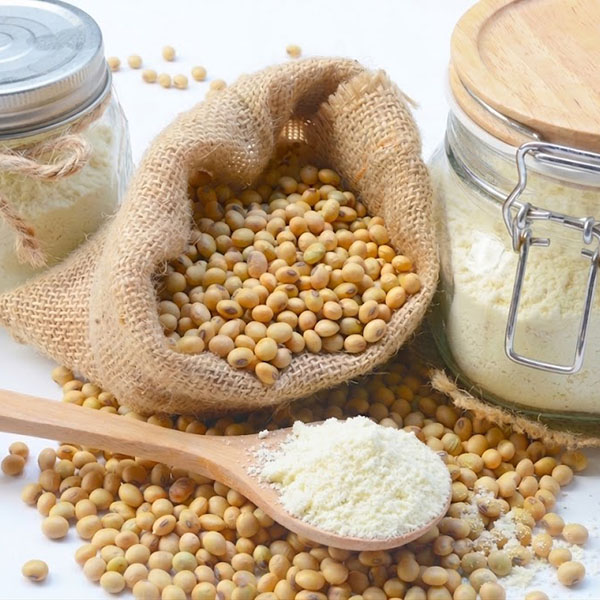
Soy peptide powder has become a transformative ingredient in functional food development, offering distinct advantages over traditional protein sources. Derived through enzymatic hydrolysis of organic soybeans, soy peptide breaks down complete proteins into bioactive short-chain amino acid sequences, typically under 1,000 Daltons in molecular weight. This structural refinement delivers rapid absorption within minutes rather than hours, making it particularly valuable for sports nutrition, clinical formulations, and beauty-from-within products where immediate bioavailability matters most.
Understanding Soy Peptide Powder and Its Functional Benefits
What Makes Soy Peptide Different from Regular Soy Protein
Soy Peptide powder is not the same as regular soy protein isolate because of the chemicals that make it up and how the body breaks it down. Soy protein isolate has whole protein molecules that need more time to be digested by enzymes than Soy Peptides, which are already broken down into smaller pieces. This mix lets nutrients enter the body directly thru the intestine walls, without having to go thru extra work in the stomach. This makes it almost 100% bioavailable, while whole proteins only make it 70–80% bioavailable.
This organic Soy Peptide powder from BIOWAY has at least 90% protein and at least 80% Soy Peptide, which means it is guarantyd to work at its best. The powder is either white or light yellow. Its pH (5%) is between 6.5 and 7.0, and it has 8 to 8% ash. It meets strict standards for medicine use. Because of this careful making, the biological activity and stability of the formulation are better.
Bioactive Properties Supporting Multiple Health Outcomes
Soy Peptides are very good at fighting free radicals and lowering oxidative stress at the cellular level. They do this through specific amino acid patterns. Researchers say that they help keep your heart healthy by dropping blood pressure through a process known as ACE suppression. In some ways, this works like some drug treatments, but it can be done with food. They also have immunomodulatory effects, which means they make natural killer cells work harder and make the immune system work better as a whole.
Muscle healing is another important area where it is used. Soy Peptides quickly deliver nitrogen to muscles, which boosts muscle protein synthesis after exercise. So it takes less time to heal and helps grow lean muscle mass. Plant-based Soy Peptides are an alternative to whey peptides that are hypoallergenic and may not bother people who can't digest lactose. They don't change how well they work.
Technical Specifications That Matter for Formulators
Buying managers should pay attention to a few technical details when they look at Soy Peptide powder. How fast and physically active something is based on its molecular weight. Because of our enzyme breakdown process, more than 85% of peptides have a molecular weight of less than 1,000 Da. This makes them easier for the body to digest. Lots of people worry that plant-based proteins aren't good enough, but the full amino acid makeup has all nine types that your body needs.
Good Soy Peptides can dissolve in water with a pH of 2.0 to 10.0, but bad ones can't. You can make acidic sports drinks, neutral meal replacements, and alkaline functional waters out of it because it is solid and won't settle or get cloudy. Low viscosity, even at levels above 20%, makes it possible for clear drinks with a lot of protein that people want more and more. When bioactivity is kept during industrial processing at very high temperatures, it is important to keep this in mind for large-scale production.
Key Applications of Soy Peptide Powder in Functional Foods
Sports Nutrition and Exercise Recovery Formulations
Soy Peptide Powder has become more popular in the sports nutrition market because it is a plant-based performance ingredient that can compete with animal proteins. The fast uptake gets amino acids to muscle tissue in 15 to 20 minutes, which is a lot faster than with whey protein isolate. This is how formulas for after a workout work. This faster speed makes the "anabolic window" less of a worry, which helps athletes who train several times a day with their recovery plans.
Soy Peptide can help with endurance sports because it keeps the blood from building up lactic acid and helps the body make energy over time. People who run marathons or ride bikes and take Soy Peptides say they feel more energized and their muscles hurt less. It's easy to dissolve and doesn't taste bad, so it can be used to make mixes and ready-to-drink drinks that don't taste bad, which is something that often happens with plant proteins.
There are more and more vegan and veggie athletes who want good protein sources other than dairy. Soy Peptide Powder fills this need. It's different from other soy protein products because it doesn't have the chalky feel or beany flavor. When mixed with BCAAs, creatine, or other ergogenic substances, Soy Peptides make full muscle-building mixes that shoppers who care about their health and want to use sustainable protein sources will like.
Clinical and Medical Nutrition Applications
Pharmaceutical-grade Soy Peptides are used in medical diets, which is a very profitable niche business. Some people have trouble digesting food, like those who have recently had surgery, are older and their bodies don't make as many digestive enzymes, or have malabsorption syndromes. These people need protein sources that are easy for their bodies to absorb. Soy Peptides are already prepared, so they don't put any stress on the digestive system and give you all the nutrients you need.
That's why Soy Peptides are often used as the main source of nitrogen in enteral feeding solutions. They have low osmotic pressure and are not allergenic. Peptides make formula taste good and lower the risk of problems. This is different from whole proteins, which can make stomach problems worse when you are tube feeding. Because of their low molecular weight, Soy Peptides are good for people with weak immune systems because they don't activate them as bigger protein fragments can.
Being able to get amino acids quickly helps wounds heal, and tissues get fixed because they help collagen and cells grow back. Soy Peptides help hospital patients heal faster and get better nutrition when they are used instead of regular protein products. As long as the ingredient stays solid in liquid form, it can stay on the shelf longer without needing to be chilled. This is good for healthcare operations.
Beauty and Skin Health Supplements
The beauty industry has learned that soy peptides can improve skin health from the inside out. This has caused the "ingestible beauty" category to grow. Some peptide patterns make fibroblasts work harder and make more collagen in the dermal layers. This slows down the visible signs of aging. When you get UV light or other outside factors that age your skin quickly, antioxidants protect it from damage.
In order to create full beauty products, Soy Peptides, hyaluronic acid, ceramides, and plant extracts are all combined in anti-aging vitamins. Proteins work better with skin cell receptors than whole proteins because the molecules are so small. This starts a chain of events that makes the skin firmer, more flexible, and more moist. When people take supplements regularly for 8 to 12 weeks, the appearance and depth of lines on their faces change in a way that can be measured.
Soy Peptide has an advantage in a new category of drinks called clear beauty drinks because of its exceptional stability. Some drinks, like acidic ones, can get cloudy, but fruit-flavored waters, teas, and fizzy health drinks stay clear with Soy Peptides. This is great for young people who want quick and easy beauty fixes that don't feel chalky like regular vitamins.
Meal Replacement and Weight Management Products
Soy Peptide powder is a high-quality protein that helps you feel full and keeps your body healthy. It is being added to more and more meal replacement shakes and bars. These proteins break down faster than proteins that are digested more slowly. This means that people feel full after eating less of them. Soy Peptides are useful in low-calorie foods that are meant to help people lose weight because of this.
Full sets of amino acids help you keep your lean muscle mass while cutting calories. This keeps you from losing muscle, which happens a lot when you're dieting. Meal replacements made from Soy Peptide contain complex carbohydrates, healthy fats, and micronutrients that keep you going all day. It can be used to make a lot of different flavors, from fruit to chocolate to vanilla, because it doesn't have any flavor of its own.
Companies that use premium grades with a protein level of at least 90% can get high protein-to-calorie ratios that customers who are into fitness like. Too much salt or unwanted minerals could ruin the taste or health goals, but a low ash level (≤8.0%) keeps the minerals in check. The powder mixes need to be mixed with water, or they can be made ready to drink.
Comparing Soy Peptide with Other Popular Peptides and Proteins
Soy Peptide vs. Whey and Casein Peptides
For some uses and customer groups, Soy Peptide Powder is a great choice to peptides made from dairy, which have been the norm in sports nutrition for decades. Because they have a lower average molecular weight, Soy Peptides are absorbed just as quickly as or faster than Whey Peptides. Whey Peptides are normally taken in 20 to 30 minutes. Both milk and whey work well to help build muscle, but whey has a little more leucine per gram.
Over the course of several hours, casein peptides slowly release amino acids. Because of this, they are great for fasting or healing overnight. We can see Soy Peptides in the middle. At first, they are available faster than casein, but they don't have as short an absorption window as whey. This profile of moderate release works with several daily dosing plans that are common in clinical nutrition and meal replacement.
Organic vs. Regular Soy Peptide Considerations
Organic approval changes both the cost of buying for functional food companies and their place in the market. Organic Soy Peptide Powder is more expensive than normal choices (30–50% more expensive on average), but it can reach more customers who care about getting healthy nutrients. The soybeans that went into BIOWAY's certified organic Soy Peptides were grown on our 100-hectare Qinghai-Tibet Plateau growth base. These soybeans were grown without using any GMOs, pesticides, or man-made chemicals.
In North America and Europe, where people are still not sure about GMOs, non-GMO approval is important for areas that care about health. Transgenic DNA sequences are not found using Identity Preservation (IP) procedures and batch-specific PCR tests. This supports what the label says and makes sure that rules are followed. Brands need organic approval in order to sell their goods in natural food stores or in markets outside of the United States.
The main thing that makes organic and conventional Soy Peptides different in quality is the farming inputs that were used, not the structure of the peptides themselves. The molecular weight ranges and amino acid patterns that are made by enzymatic hydrolysis are always the same, no matter what the starting material is. Pesticide and herbicide residue tests, on the other hand, show that organic versions have much lower amounts of contaminants. If the product is going to be used in medicine or to feed babies and needs to be very clean, this is something to think about.
Powder vs. Capsule Formulation Strategies
What the customer wants and the application you want to send it to will help you choose a delivery file. When artists are making their own mixes, meal replacements, or drinks, powder formulas give them the most freedom. Good Soy Peptide powder is easy to mix in, so you can put up to 25g of it in each meal without it getting gritty or sinking to the bottom. Also, powder types cost less per gram of protein, which is important for price-conscious market groups.
Brands of supplements that want to reach people who like things to be easy and know exactly how much to take without having to measure or mix can use capsules or tablets. Since our Soy Peptide powder doesn't contain much water (less than 7%), it doesn't break down when put in capsule shells. Because it comes in pills, each one can only hold 2 to 4 grams, so you'll need to take more than one to get the protein levels that your body needs. This is why capsules work better for bioactive peptide products that aim for specific health benefits than for a protein diet.
Stick packs and single-serve sachets are a good compromise because they give you powder in a ready-to-use amount that you can take with you. This size is great for places like the gym, the office, or trips where it would be hard to take a full powder jar. Multi-serve cases don't keep moisture and rust out as well as individual packing. This keeps the product functional longer and lets it last longer.
Procurement and Supply Chain Insights for Soy Peptide Powder
Essential Certifications and Quality Standards
Pharmaceutical-grade Soy Peptide Powder is hard to find because suppliers have to go through a tough evaluation process that focuses on quality systems and manufacturing certifications. If a factory has Good Manufacturing Practice (GMP) certification, it means that they keep things clean, make sure machines are calibrated, and keep the records that are needed to make sure quality stays the same. The more than 50,000-square-meter BIOWAY plant follows cGMP rules and keeps each level of cleanliness separate with its own production lines.
The ISO22000 and HACCP certifications show that food safety management is thorough. From receiving raw materials to releasing finished goods, all possible dangers are kept in mind. These are very important for companies that want to sell their goods in controlled markets like the US, EU, and Japan. The company must be listed with the FDA and follow the rules for Current Good Manufacturing Practice in order to legally bring goods into the United States without the risk of being arrested.
In order to get organic approval from the USDA and the EU, farming methods, processing centers, and ways of treating food must be checked every year. Every day, our organic vegetable growing base on the Qinghai-Tibet Plateau is checked to make sure it stays certified. This makes sure that from the seeds to the finished peptide powder, everything can be found. Extra certificates like Kosher, Halal, and BRC meet the needs of certain consumer groups or store standards. This means that customer goods can be sold in more places.
Evaluating Supplier Reliability and Technical Capabilities
There are objective ways to check the quality of a product besides what the seller says. These include third-party tests and certificates of analysis. Manufacturers with a good name give paperwork that is specific to each batch. This paperwork includes molecular weight distribution through gel permeation chromatography, amino acid tracking, microbe testing, and heavy metal screening. Before BIOWAY releases a production lot, it goes thru a lot of tests. Partners who buy can see the results to make sure they are right.
By checking how much production can go on, supplies don't get cut off when demand goes up or down with the seasons. Every year, we can make more than 1,000 tons of plant-based peptides on our ten different production lines. These lines include five extraction tanks, three feed nutrition lines, one high-purity tank, and one cosmetics-grade tank. This size lets them make both small batches of special recipes and large amounts of contract goods, so as a customer's needs change, they don't have to find a new provider.
Real partners in functional food development are different from commodity suppliers because they can offer technical support. Plant extracts have been used by our research and development team for more than 15 years. They help make better products, test their stability, and make sure all the paperwork is complete. With this joint method, making new things takes less time and costs less than making recipes from scratch. Brands that want to come up with new ideas instead of just buying ingredients can get a lot out of combining organic farms, cutting-edge extraction technologies, and application knowledge.
Bulk Purchasing Strategies and Cost Optimization
By promising a lot of goods, you can get better prices and keep the supply chain safe. Moving and storing things is easier when they are packed in standard 25 kg drums, but different types of custom packaging can be made to fit the needs of a production. Most of the time, the lowest amount that can be ordered for a trial is between 200 kg and 500 kg. The minimum order number goes up to metric tons for yearly supply deals. We can save North American clients money on freight costs and delivery times by combining packages and having a 3,000-square-meter warehouse in the US.
Navigating Regulatory Requirements and Allergen Management
Food items that are useful need to be carefully controlled when they are traded across foreign borders. Different places have different rules about how to classify Soy Peptide Powder. Some see it as a food item that only needs to be recorded, while others say it needs to be approved for new foods or registered as a dietary supplement. Our regulatory affairs team can back up FDA GRAS status, European Union Novel Food compliance, and trade rules that are unique to each country.
Labeling foods that have allergens in them can be hard because soy is one of the eight most well-known allergies in food. Finished goods must have labels that make it clear if they contain soy. This means that there must be clear contact at every step of the supply chain. As part of our allergen management program, we have strict cleaning rules for equipment, manufacturing campaigns, and testing rules that make sure there is no cross-contamination from other allergenic ingredients that are processed in our facility.
Claims that a product isn't made with GMOs need strong proof that goes beyond just a supplier's word. It is made so that non-GMO soybeans stay separate from GMO soybeans from the time they are growing until they are prepared. At every step where control changes hands, proof is left behind. PCR tests on finished peptide powder show that there are no DNA patterns that have been changed genetically. Label claims that can stand up to scrutiny from officials and doubt from customers are backed up by this. These steps of proof cost more, but they are needed to get into the top market.
Conclusion
Soy Peptide Powder can be used in a variety of useful foods, such as sports nutrition, clinical formulations, and beauty supplements. It is a flexible and scientifically proven ingredient. It quickly absorbs, has a full amino acid profile, and stays stable in high formulations, all of which help product developers who are looking for plant-based protein solutions to some of the biggest problems they face.
Because customers want ingredients that are good for the environment, the government agrees, and more research shows that the products are healthy, the market for Soy Peptides is expected to continue growing. When buyers look at providers, they should pay attention to technical know-how, quality certifications, and connections that go beyond simple business deals and help with new ideas and standing out in the market.
FAQ
Q1: How does soy peptide powder differ from soy protein isolate?
The biggest change is in how the molecules are put together and how they take in light. Soy protein isolate is made up of whole protein molecules that need enzymes to break down over the course of two to three hours. Taking Soy Peptide Powder, on the other hand, breaks down into short chains of amino acids. Protein isolates tend to crystallize at pH 4.5, but peptides dissolve completely in water from pH 2.0 to 10.0. This means that clear drink mixes are possible, which wouldn't be possible with full proteins.
Q2: Can soy peptide powder be used in acidic beverages without clouding?
Quality Soy Peptides stay clear even when they're in acidic drinks like fruit juices and fizzy sports drinks. The molecules are very small (>85% below 1,000 Daltons), so they don't settle out like protein molecules that are bigger do. According to stability tests, Soy Peptides are ideal for the expanding category of clear protein drinks because they don't settle or get cloudy at pH levels as low as 2.5.
Q3: What certifications should I look for when sourcing soy peptide powder?
GMP certification makes sure that quality controls are in place during production. ISO22000 or HACCP certification shows that food safety management is in place. If you want to sell your products with clean labels, organic certifications from the USDA or EU are also important. People can feel less worried about genetic modification if they know for sure that foods are not genetically changed using Identity Preservation methods and PCR tests. As a way to get into the US market, you need to register your business with the FDA. The Kosher, Halal, and BRC approvals that BIOWAY keeps up to date are also kept up to date.
Partner with BIOWAY for Premium Soy Peptide Supply
Vertical integration, which includes everything from advanced processes to clean farms, helps BIOWAY offer full Soy Peptide options. Our organic growth base covers 100 hectares on the Qinghai-Tibet Plateau. This makes sure that our high-quality, non-GMO Soy Peptides don't have any pesticides or other chemicals that are bad for the environment. Ten specialty lines using enzymatic hydrolysis, membrane filtering, and nano-encapsulation technologies are housed in the more than 50,000-square-meter production center. Certifications like cGMP, ISO22000, USDA Organic, FDA registration, and Halal qualification support global distribution.
We have a skilled research and development team that can help you improve your functional food ideas, whether you need large supplies, custom molecular weight specs, or help making an OEM recipe. Feel free to email us at grace@biowaycn.com to talk about your needs as a Soy Peptide manufacturer and get professional help for the start of your next product. Go to that website to find out everything you need to know about how to use biowaynutrition.com.
References
1. Chatterton, D.E.W., Smithers, G., Roupas, P., & Brodkorb, A. (2006). Bioactivity of β-lactoglobulin and α-lactalbumin—Technological implications for processing. International Dairy Journal, 16(11), 1229-1240.
2. Erdmann, K., Cheung, B.W., & Schröder, H. (2008). The possible roles of food-derived bioactive peptides in reducing the risk of cardiovascular disease. Journal of Nutritional Biochemistry, 19(10), 643-654.
3. Korhonen, H. & Pihlanto, A. (2006). Bioactive peptides: Production and functionality. International Dairy Journal, 16(9), 945-960.
4. Nagaoka, S. (2019). Soy Protein Peptides: Immunomodulatory and Anti-inflammatory Functions and Their Applications. Applied Microbiology and Biotechnology, 103(13), 5135-5142.
5. Tsuruki, T., Kishi, K., Takahashi, M., Tanaka, M., Matsukawa, T., & Yoshikawa, M. (2003). Soymetide, an immunostimulating peptide derived from soybean β-conglycinin, is an fMLP agonist. FEBS Letters, 540(1-3), 206-210.
6. Yang, H.Y., Yang, S.C., Chen, J.R., Tzeng, Y.H., & Han, B.C. (2004). Soybean protein hydrolysate prevents the development of hypertension in spontaneously hypertensive rats. British Journal of Nutrition, 92(3), 507-512.
Contact Us
Grace HU (Marketing Manager) grace@biowaycn.com
Carl Cheng ( CEO/Boss ) ceo@biowaycn.com
Website: www.biowaynutrition.com
Post time: Sep-24-2026


