
Introduction
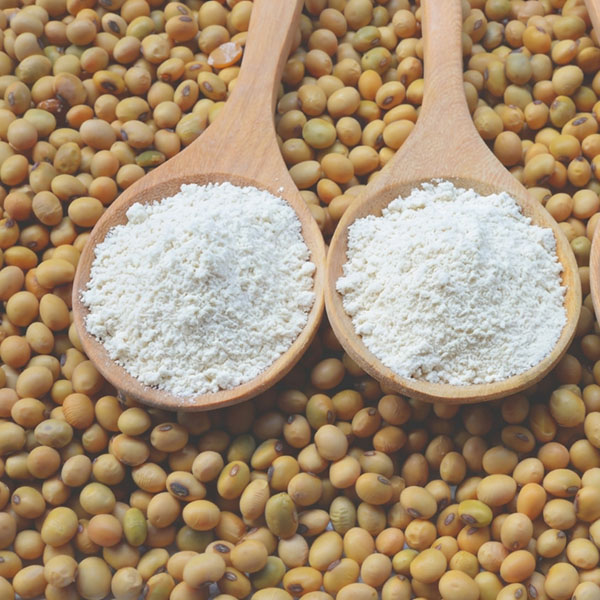
If you source ingredients for functional foods, sports nutrition, or clinical formulations, you have likely encountered both soy peptide and soy protein on supplier lists. They come from the same raw material—soybeans—yet they perform very differently in the body and in a finished product. Soy peptide refers to short-chain amino acid sequences (typically 2–6 residues) produced through enzymatic hydrolysis of soy protein, with molecular weights predominantly below 1,000 Daltons. That structural difference is what separates it from conventional soy protein and drives distinct advantages in absorption speed, solubility, and bioactive function.
Understanding Soy Peptide and Soy Protein: Definitions and Composition
What Is Soy Protein?
Soy protein is the complete macromolecular protein part that is taken from soybean flour that has been defatted. There are three main types sold in stores: soy protein isolate (SPI), which is about 90% protein, soy protein concentrate (SPC), which is about 70% protein, and textured soy protein. The body has to digest these big molecules before the amino acids can get into the bloodstream. This process takes time and work from enzymes.
What Is Soy Peptide?
Soy peptide is made by cutting the long protein chains into small pieces using food-grade enzymes and soy protein under controlled conditions. This makes a mix of di-, tri-, and oligopeptides. Over 90% of the pieces are less than 1,000 Daltons, so they bypass the slowest stages of digestion and cross the intestinal wall via the PepT1 transporter. This is an active, energy-efficient route that is different from free amino acid uptake.
Key Compositional Differences
The following table lists the most important factors for R&D and buying teams:
- • Soy Peptide (BIOWAY Organic Soy Peptide Powder): Protein ≥80%–90%, peptide content ≥50%–80%, molecular weight predominantly <1,000 Da, pH (5% solution) ≤7.0, ash ≤8.0%, appearance: white to light yellow powder.
- • Soy Protein Isolate: Protein ≥90%, large molecular weight (>10,000 Da), precipitates at pH 4.5 (isoelectric point), higher viscosity in acidic systems.
These numbers aren't small. HPLC-SEC confirms that the molecular weight distribution directly predicts how quickly nitrogen reaches muscle tissue after being eaten.
Functional Differences and Benefits in B2B Applications
Absorption Rate and Nitrogen Delivery
Soy peptides enter the bloodstream faster than whole proteins, which makes insulin work more quickly and speeds up muscle protein synthesis after exercise. According to a study in the Journal of Agricultural and Food Chemistry, hydrolyzed soy parts reach their highest levels of amino acids in the plasma a lot earlier than soy isolate. The main technical claim for sports nutrition brands that market "fast-absorb plant protein" is this.
Bioactive Functions Beyond Nutrition
Soy peptides have bioactive properties that intact soy protein does not. Certain peptide patterns have been shown to have antioxidant properties, ACE-inhibitory effects that help keep blood pressure in a healthy range, and the ability to increase the number of fibroblasts for skin barrier repair. Because of these qualities, soy peptides can be used in both dietary supplements and cosmetics as a raw material. This is an advantage that soy protein isolate does not have in this area.
Solubility and Formulation Performance
Soy protein isolate crystallizes around pH 4.5, which makes it hard to make drinks and acidified foods that are acidified. Soy peptide stays soluble at pH levels 2.0 to 10.0 and has low viscosity even in solutions with a 20% concentration. This means it can be used in clear sports drinks, acidic yogurts, and UHT-processed liquid nutrition. This technology advantage cuts down on the cost of reformulating and gives food and drink makers more product lines to choose from.
Procurement Considerations: Choosing Between Soy Peptide and Soy Protein
Certification and Compliance Requirements
Buyers in the U.S. market will only accept proof documents. BIOWAY is registered with the FDA and has licenses for cGMP, ISO22000, ISO9001, HACCP, FSSC22000, HALAL, KOSHER, BRC, and USDA/EU Organic. The soy peptide (organic soy peptide powder) comes from 100% Non-GMO soybeans grown on BIOWAY's own 100-hectare organic farming base on the Qinghai-Tibet Plateau.
This meets the standards for both Non-GMO and IP certification. A third party checks each batch for heavy metals (Pb ≤0.5 mg/kg, As ≤0.3 mg/kg), microbiological counts (TPC <10,000 CFU/g, Salmonella negative), and antigenicity screening to make sure that glycinin and β-conglycinin allergens have been reduced.
Quality Documentation Buyers Should Request
For responsible buying, the following technical papers must be used to evaluate any soy peptide supplier:
- • HPLC-SEC molecular weight distribution report confirming the percentage of fractions below 1,000 Da
- • Certificate of Analysis (COA) covering protein content, peptide content, ash, pH, and moisture
- • Allergen detection report with labeling recommendations
- • Amino acid profile showing all nine essential amino acids (EAAs) are present post-hydrolysis
- • Stability data (accelerated + long-term) for shelf-life confirmation
By asking for these documents up front, you'll protect your formulation team from batch inconsistency problems, which are one of the main reasons why buyers and manufacturers of ingredients fight.
Pricing and Supply Scale
There are a lot of area providers that sell commodity-grade soy protein concentrate and isolate, which keeps prices low but makes it hard to tell them apart. Because the enzymatic breakdown process necessitates specialized production lines, exact process control, and more stringent quality testing, soy peptide demands a premium.
BIOWAY has a production facility in Shaanxi Province that is more than 50,000 square meters and has ten specialized production lines, one of which is an enzymatic hydrolysis line for soy peptide. This facility can support large amounts of output every year. Standard packaging is 25 kg per drum, and brands that need a clear peptide profile can get custom molecular weight cuts and specification changes.
How to Decide: Matching the Right Ingredient to Your Business Needs
Functional Food and Supplement Brands
If you're making a protein-rich snack bar, a ready-to-drink functional drink, or an encapsulated supplement for general health, soy peptide powder has a high protein content (>80%) and full EAA profiles in a form that mixes easily and absorbs well. The cardiovascular health positioning, which is linked to ACE-inhibitory peptide sequences, adds a label-friendly functional claim that health-conscious U.S. consumers will relate to.
Sports Nutrition Brands
One of the parts of the U.S. supplement business that is growing the fastest is plant-based sports nutrition. Brands that want to get into this market need a protein ingredient that matches the story about how fast whey is absorbed while also being appealing to athletes who are vegan or can't handle lactose. That description fits a soy peptide with a proven molecular weight distribution below 1,000 Da and a protein content of 90%. It also works well with BCAA, creatine, and pea peptide in OEM formulas with more than one ingredient, which is something BIOWAY directly supports.
Clinical Nutrition and Medical Food Developers
When making FSMP formulas or enteral nutrition products, quality paperwork and being able to track down ingredients are more important than price. From the organic field to the finished powder, BIOWAY's supply chain is vertically integrated, so there is full paperwork for chain tracking. The Class 10,000 cleanroom, which is 1,200 square meters, can support the level of purity needed for clinical-grade applications.
Conclusion
There is more than just a size difference between soy peptide and soy protein. There is a difference in what your product can do. Soy protein is a cheap source of protein that can be used in foods where its high molecular weight is not a problem. Soy peptide has beneficial properties, faster nitrogen release, and a wider range of pH stability that whole protein can't provide. Which one you choose depends on the purpose you want to use it for, the needs of your customers, and the functional claims your brand wants to make. Both have a place in a well-organized portfolio of ingredients, and your R&D and purchasing teams will be much better off if they know the difference.
FAQ
Q1: Is soy peptide the same as hydrolyzed soy protein?
They're connected, but not the same. The amount of hydrolysis (DH) and molecular weight distribution of hydrolyzed soy protein are very different. Soy peptide, as a specific ingredient group, means that most parts (usually >80%-90%) are below 1,000 Daltons. Whether a hydrolyzed soy protein is really a soy peptide product depends on how much it is broken down, which enzymes are used, and how well it is cleaned up.
Q2: Does soy peptide cause allergic reactions?
Soy is known to cause allergies. However, the enzymatic hydrolysis process weakens the allergenicity of the main proteins that cause reactions—glycinin and β-conglycinin. Manufacturers who are responsible give reports on antigenicity tests. Labeling for allergens is still needed by U.S. FDA rules, no matter how much the food has been broken down.
Q3: What protein content should I expect from soy peptide powder?
Most commercial soy peptide powders have a protein level of between 80% and 90% when they are dry. The peptide content of BIOWAY's Organic Soy Peptide Powder is 50% or 80%, depending on the specification chosen. It is available in grades with 80% and 90% protein.
Q4: Can soy peptide replace whey protein in sports nutrition formulations?
In many cases, soy peptide can be used instead of whey protein hydrolysate because it is made from plants instead. Whole soy protein takes longer to absorb than whey hydrolysate, but whey hydrolysate has a little more leucine per gram. A lot of brands use soy peptide as part of a mix of proteins from different sources to get a full amino acid profile while still keeping the plant-based name.
Partner with BIOWAY for Trusted Soy Peptide Supply
With full traceability from our own 100-hectare organic cultivation base, BIOWAY's Organic Soy peptide Powder is made in a GMP- and ISO22000-certified facility. We are a certified soy peptide manufacturer that can handle large orders, special molecular weight requirements, and the creation of new formulations for OEMs. Today, ask for your sample and full technical documentation. To start a discussion, email us at grace@biowaycn.com or go to biowaynutrition.com.
References
1. Gibbs, B. F., Zougman, A., Masse, R., & Mulligan, C. (2004). Production and characterization of bioactive peptides from soy hydrolysate and soy-fermented food. Food Research International, 37(2), 123–131.
2. Korhonen, H., & Pihlanto, A. (2006). Bioactive peptides: Production and functionality. International Dairy Journal, 16(9), 945–960.
3. Liang, J., Pei, X., Zhang, Z., Wang, W., Wang, N., & Li, Y. (2010). The protective effects of long-term oral administration of marine collagen hydrolysate from chum salmon on collagen matrix homeostasis in the chronologically aged skin of Sprague-Dawley male rats. Journal of Food Science, 75(8), H230–H238.
4. Messina, M. (2010). Soy protein and soybean isoflavones—Unresolved questions. Journal of the American Dietetic Association, 110(9), 1307–1309.
5. Morita, T., Oh-hashi, A., Takei, K., Ikai, M., Kasaoka, S., & Kiriyama, S. (1997). Cholesterol-lowering effects of soybean, potato and rice proteins depend on their low methionine contents in rats fed a cholesterol-free purified diet. Journal of Nutrition, 127(3), 470–477.
6. Rutherfurd-Markwick, K. J., & Moughan, P. J. (2011). Bioactive peptides derived from food. Journal of AOAC International, 94(4), 1191–1199.
Contact Us
Grace HU (Marketing Manager) grace@biowaycn.com
Carl Cheng ( CEO/Boss ) ceo@biowaycn.com
Website: www.biowaynutrition.com
Post time: Nov-02-2026


