
Introduction
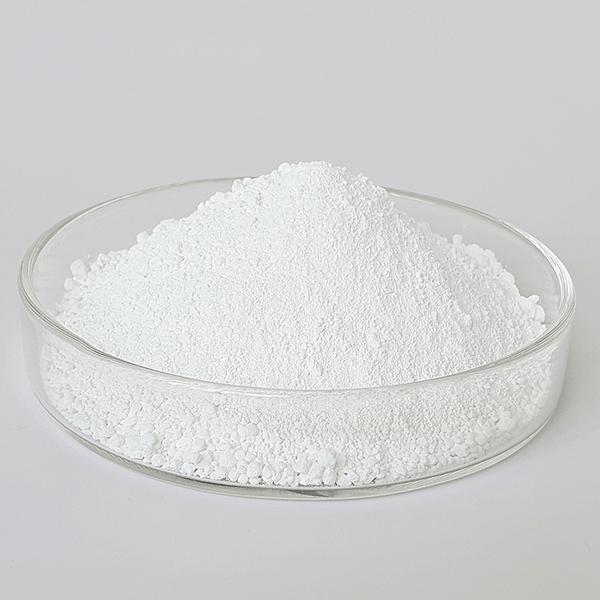
When working with branched-chain amino acids, timing is important. Whether you're making functional drinks or sports nutrition goods, knowing when BCAA supplements help your body heal the most has a direct effect on how well your product does in the market. Leucine, isoleucine, and valine are three important amino acids that work together to help build muscle protein, protect against damage caused by exercise, and speed up healing after a workout. When you time it right, a good vitamin can become a great one that people notice and buy again.
Understanding BCAAs and Their Role in Recovery
What Makes BCAAs Essential for Muscle Recovery?
About 35% of the necessary amino acids in muscle proteins are found in branched-chain amino acids. Other amino acids need to be broken down in the liver, but these three chemicals are broken down directly in muscle tissue. This makes them the only ones that can affect how muscles heal. Leucine stands out because it turns on the mTOR pathway, which starts the healing process after exercise stress and makes muscle protein.
Because these amino acids have twisted side chains in their chemical structure, this is how they are grouped. The speed at which they enter muscle cells and start working is affected by this part of their structure. When sourcing professionals are making formulations, this fast bioavailability is a key selling point when comparing goods to regular protein supplements that take longer to digest.
Natural Sources Versus Supplemental Forms in Product Development
Whole foods like chicken, eggs, and cheese have proper amounts of these amino acids, but supplements that are made up of only one amino acid have clear benefits for sports nutrition. Leucine, isoleucine, and valine are usually found in naturally occurring amounts in sources that come from animals. On the other hand, veggie markets that are growing by double digits each year are interested in sources that come from fermentation.
Good BCAA powders keep certain amounts that are best for muscle repair. Standard mixes have 2:1:1 ratios of leucine, isoleucine, and valine, but some companies now offer 4:1:1 ratios that focus on leucine's muscle-building effects. Verifying the amino acid content of products through third-party testing makes sure that all output batches are the same. This is important for brands that want to build customer trust and stay in line with regulations.
The Biochemical Mechanism Behind Recovery Enhancement
In more than one way, these amino acids affect healing. They stop the breakdown of muscle protein during exercise, keep glycogen stores full for long-lasting energy, and lower signs of exercise-induced muscle damage like creatine kinase. Supplementation before and after resistance training cuts down on delayed-onset muscle soreness by about 30 to 40 percent, which is a measured effect that people like.
The leucine part turns on protein translation beginning, which is a fancy way of saying that it starts the process of making new muscle proteins. This process explains why taking supplements right before or after working out works better than taking them at random times during the day. For formulators, this science backs up marketing claims about workout times and helps with product positioning.
When to Take BCAAs: Timing Strategies That Maximize Recovery
Pre-Workout Supplementation for Performance Protection
When you eat branched-chain amino acids 30 to 45 minutes before you work out, your blood amino acid levels rise right at the time when exercise starts breaking down muscle proteins. This preventative approach makes building blocks that stop catabolic processes easy to get. Athletes say that taking pre-workout supplements makes them feel less tired and gives them more time to work out.
When making pre-workout mixes, it's best to combine these amino acids with fluids and small amounts of caffeine. This mix takes care of hydration, energy, and muscle protection all at the same time, making complete answers that gym-goers and serious players will both like. When making pre-workout formulas in bulk, buyers should think about flavor profiles that hide the naturally bitter taste of separated amino acids. This could mean spending more on flavoring systems.
Intra-Workout Support for Sustained Performance
During long workouts, drinking amino acid solutions keeps blood levels high throughout the workout time. This timing approach works especially well for endurance athletes and people who do strength training for more than 90 minutes at a time. The steady supply stops the drop in blood amino acid levels that happens 45 to 60 minutes after hard activity.
When making intra-workout formulas, product makers have to deal with special problems related to how well they dissolve and stay stable. Even when mixed with water at room temperature in shaker bottles, powders need to be completely broken up without sticking. Small amounts of lecithin—usually 0.3% to 1.0%, which is what you'll find in good BCAA powders—make it much easier to mix and feel in the mouth, which solves a common problem that customers have with textures that are too rough.
Post-Workout Recovery Window Optimization
The most important time to take healing supplements is within 30 minutes of finishing an exercise session. During this phase, amino acids are most effective at speeding up protein production because muscle cells become very sensitive to taking in nutrients. Studies have shown that taking supplements after working out lowers muscle pain as measured 24 to 72 hours after exercise compared to controls that were given a sugar pill.
When branched-chain amino acids and fast-absorbing carbohydrates are mixed in post-workout recipes, insulin response is improved. This makes it easier for muscle tissue to take in amino acids. Because these ingredients work better together, many great healing products mix them instead of just selling amino acids. When purchasing, teams look at different suppliers; they should check to see if the makers offer expert help for optimizing ratios based on specific use cases and target markets.
How to Choose the Right BCAA Supplement for Your Business Needs?
Powder Versus Capsule Forms for Bulk Applications
Powder forms are most popular in the sports nutrition market because they are easy to dose and cheap to make in large quantities. Shipping prices and storage space are affected by the bulk density, which ranges from 0.20 to 0.60 g/ml, which are important things to think about when handling big inventories. Powders are also more versatile because customers can change dose sizes based on their body weight and how hard they train.
People who value portability over customization and want ease like capsule forms. But to get the right amount, users often have to take 5–10 capsules per meal, which can be difficult for some. Different formats have very different manufacturing skills, minimum order amounts, and prices for packing. Brands that want to sell in gyms tend to focus on powders, while brands that want to sell in regular grocery stores may prefer pills because they look more like finished products.
Evaluating Certifications and Quality Standards
For quality verification, the technical standards are very important. The amounts of leucine in high-quality BCAA powders range from 46 to 54%, valine from 22 to 27%, and isoleucine from 22 to 27%. These areas make sure that each batch works the same way while also allowing for natural differences in where the raw materials come from. When looking at different sources, asking for certificates of analysis for recent production runs can show you if the makers keep quality controls tight or let specifications drift too much.
Reliable sellers keep a lot of certifications that show they care about quality and safety. HACCP compliance shows that hazard analysis procedures are built into the production process, while ISO22000 approval shows that the food safety management systems are up to date. Organic certificates from the USDA and the EU let brands reach top customers who are willing to pay 20–30% more for their products. Halal and Kosher approvals allow you to reach faith-based customer groups with billions of dollars in buying power.
Plant-Based Options Meeting Vegan Market Demands
Fermentation-derived amino acids made from plants meet the needs of the vegan supplement market, which is growing quickly. These goods have the same chemical structures as forms that come from animals, and they meet people's moral and dietary needs. Research on the market shows that vegan sports nutrition items have grown at a faster rate than other supplement groups, with annual growth rates of 25%.
To find plant-based choices, you have to make sure that the whole production process is vegan. Cross-contamination could be a problem for completely vegan brands in some factories that use both plant-based and animal-based products. These risks can be lessened by dedicated production lines and strict cleaning routines, but they may have an effect on how prices are set. Organic approval makes a product stand out further, but costs 30–50% more for raw materials. Procurement plans should weigh the costs against the benefits of brand equity.
Addressing Common Concerns and Optimal Dosage for Safe Usage
Science-Based Dosage Recommendations by Application
Research backs up doses of 5 to 20 grams per serving, based on the person's body weight and the volume of their training. Athletes between 150 and 200 pounds usually get the most out of 7 to 10 grams, while heavier people doing hard strength training may need 15 to 20 grams to get the most out of it. Results should spread out daily intake over several servings that are timed to fit exercise plans.
When setting serving sizes and container limits, product designers need to keep these dosage amounts in mind. It takes 300 grams of active ingredients, flavoring systems, and functional additives to fill a 30-serving jar with 10-gram doses. Packaging choices affect how much something is worth. For example, bigger packages lower the cost per serve but require more money up front, which could stop price-sensitive groups from buying.
Safety Profiles and Regulatory Compliance Considerations
Safety ratings from clinical studies show that at approved doses, there aren't many bad effects. Some people say they have mild stomach pain when they take large doses on an empty stomach. This suggests that the product information should say to take it with small amounts of food or during workouts, when digestion naturally slows down. A lot of studies have shown that taking branched-chain amino acid supplements in healthy people is generally safe.
Some groups need extra care. People who have branched-chain ketoaciduria, also known as maple syrup urine disease, can't break down these amino acids properly and should not take any supplements at all. Product signs should have the right warnings on them, and customer service reps need to be taught how to answer questions about when something shouldn't be used. Suppliers who offer complete paperwork packages speed up product starts by getting rid of the need to wait for documentation to be sent to regulators.
Distinguishing BCAAs from Complete Protein Supplements
A lot of people who work in sourcing aren't sure if branched-chain amino acids are better than regular whey or plant protein powders that contain all the necessary amino acids. The main difference is how quickly they digest and how many calories they contain. Isolated amino acids don't need to be broken down and enter the bloodstream in 15 to 20 minutes, but whole proteins need 45 to 90 minutes to be broken down and absorbed.
Because they are available so quickly, separate types are great for taking during workouts when digestion slows down a lot. Complete protein supplements are better for getting all the nutrients you need for healing after a workout and as a food replacement, but they don't supply amino acids quickly enough for support during exercise. Some formulas use both methods together, giving you BCAA and full protein sources so you can get the benefits of both fast and long-term amino acid release.
Conclusion
Strategic timing transforms BCAA supplementation from a generic ingredient into a performance-enhancing solution that delivers measurable recovery benefits. Whether formulating pre-workout energizers, intra-workout support drinks, or post-exercise recovery products, understanding optimal consumption windows creates products that outperform competitors and build customer loyalty. Quality sourcing requires evaluating amino acid ratios, verifying certifications, and partnering with manufacturers demonstrating consistent batch-to-batch reliability. The expanding sports nutrition market rewards brands differentiating through organic certifications, plant-based options, and clean-label formulations meeting evolving consumer expectations while maintaining the efficacy that drives repurchase behavior.
FAQ
Q1: When should I take amino acid supplements for optimal muscle recovery?
The effects are greatest when supplements are taken around workouts. By eating 5–10 grams of protein 30 minutes before working out, you can keep your muscles from breaking down during your workouts. Taking in amino acids during long workouts keeps blood amounts high, which supports long-term function. Muscles are ready to take in nutrients right after a workout, so eating 10-15 grams of protein within 30 minutes of finishing exercise speeds up healing and lessens soreness the next day.
Q2: Can these supplements cause side effects or health concerns?
Adults who follow the recommended doses of branched-chain amino acids have great safety ratings. Sometimes, taking big amounts on an empty stomach can cause mild stomach pain in some people. These problems are usually fixed by taking supplements with small amounts of food. People who have maple syrup urine disease should not take these BCAA nutrients at all. Women who are pregnant or nursing should talk to their doctors before starting any supplement program.
Q3: How do these amino acids differ from whey protein effectiveness?
Isolated branched-chain amino acids are quickly absorbed and enter the bloodstream without being digested. This happens within 15 to 20 minutes. Whey protein has all the necessary amino acids, but it takes 45 to 90 minutes to digest and be absorbed. Isolated forms are great for during workouts when digestion slows down, while full proteins are great for healing after a workout and as meal replacements because they provide more than just three amino acids.
Partner with BIOWAY for Premium BCAA Manufacturing Solutions
BIOWAY provides procurement professionals with complete branched-chain amino acid solutions, backed by strict quality standards and production powers that are fully integrated. The right amounts of leucine (46–54%), valine (22–27%), and isoleucine (22–27%) are always present in our Branch Chain Amino Acids Powder. These levels make sure that every production batch works the same way. We help brands from the early stages of testing to large-scale commercial production. Our yearly capacity is over 10,000 tons, and we are certified to meet ISO22000, HACCP, Halal, USDA, and EU organic standards.
Ten specialized production lines, such as makeup and high-purity extraction systems, are housed in our 50,000-square-meter building. A 100,000-class cleanroom allows us to make pharmaceutical-grade products. Our 15-year R&D team can help you make the best goods for your target markets, whether you need small-batch custom formulas or partnerships with bulk BCAA suppliers for ongoing production. Contact grace@biowaycn.com to talk about your needs, ask for samples, and find out how our vertically integrated operations—from our 100-hectare organic cultivation base to our U.S. warehouse—create supply chain advantages for your business.
References
1. Blomstrand, E., Eliasson, J., Karlsson, H.K., & Köhnke, R. (2006). Branched-chain amino acids activate key enzymes in protein synthesis after physical exercise. Journal of Nutrition, 136(1), 269S-273S.
2. Howatson, G., Hoad, M., Goodall, S., Tallent, J., Bell, P.G., & French, D.N. (2012). Exercise-induced muscle damage is reduced in resistance-trained males by branched-chain amino acids. Journal of the International Society of Sports Nutrition, 9(1), 20-28.
3. Jackman, S.R., Witard, O.C., Philp, A., Wallis, G.A., Baar, K., & Tipton, K.D. (2017). Branched-chain amino acid ingestion stimulates muscle myofibrillar protein synthesis following resistance exercise in humans. Frontiers in Physiology, 8, 390-402.
4. Shimomura, Y., Murakami, T., Nakai, N., Nagasaki, M., & Harris, R.A. (2004). Exercise promotes BCAA catabolism: effects of BCAA supplementation on skeletal muscle during exercise. Journal of Nutrition, 134(6), 1583S-1587S.
5. Wolfe, R.R. (2017). Branched-chain amino acids and muscle protein synthesis in humans: myth or reality? Journal of the International Society of Sports Nutrition, 14, 30-37.
6. Zhang, S., Zeng, X., Ren, M., Mao, X., & Qiao, S. (2017). Novel metabolic and physiological functions of branched-chain amino acids: a review. Journal of Animal Science and Biotechnology, 8, 10-22.
Contact Us
Grace HU (Marketing Manager) grace@biowaycn.com
Carl Cheng ( CEO/Boss ) ceo@biowaycn.com
Website: www.biowaynutrition.com
Post time: May-09-2026