
Introduction
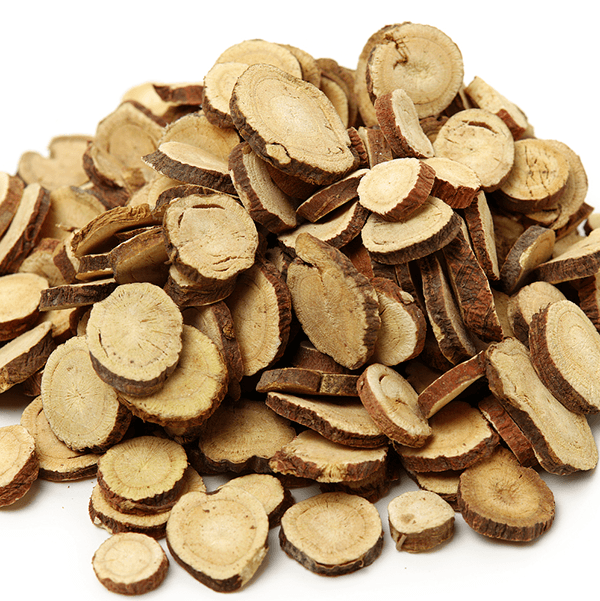
When designers ask me how to get natural preservative systems working harder without synthetics, I propose licorice extract more often than not. The roots of Glycyrrhiza glabra include bioactive compounds like glycyrrhizin, glabridin, and liquiritin, which do more than provide antibacterial qualities. Their combination with other natural preservatives increases the antibacterial coverage, decreases oxidative degradation, and improves the shelf life dramatically. Acknowledging that preservation science is a technical benefit and commercial differentiator for B2B producers of clean-label food supplements, cosmetics, and functional foods.
Understanding the Challenge of Natural Preservatives
Natural preservative systems sound appealing in theory, but they routinely disappoint in practice. Formulators across cosmetics, food, and pharmaceutical sectors face the same recurring problems.
Limited Antimicrobial Spectrum
Most preservation agents are single-ingredient and target few microorganisms. The extract of rosemary was effective against Gram-positive bacteria but not against Gram-negative bacteria. This gap constitutes a risk for the shelf-life, particularly in water- or colloid systems with a high microbial diversity.
Oxidative Instability Under Real-World Conditions
“Natural antioxidants are more sensitive to heat, light and pH stress than synthetic ones.” A product that passes stability testing at 25 °C may fail an accelerated stability test at 40 °C/75 % RH, a common regulation before marketing. Without another stabiliser, formulators tend to exceed specified dosages, leading to compliance and labelling issues.
Pressure from Regulatory and Consumer Expectations
The FDA’s tightening of preservative disclosure rules and the EU’s COSMOS and ECOCERT certification criteria need ingredient-level data that a lot of single-source preservers are unable to give. Procurement teams need ingredients with full batch traceability, validated by HPLC potency and outside COAs – which excludes most commodity botanical providers.
Licorice Bioactives: Core Components and Functional Benefits
Licorice root delivers three functionally distinct bioactive classes, each contributing to preservation performance through a different mechanism.
Glycyrrhizin: The Broad-Spectrum Antimicrobial
Glycyrrhizin (glycyrrhizic acid) is the major triterpene saponin and antibacterial component of licorice extract from liquorice root. Glycyrrhizin inhibits biofilm formation of Staphylococcus aureus at 0.5 mg/mL. Food Chemistry, 2019. Surfactant-like molecular architecture disrupts microbial cell membranes, making it effective against every gram-positive and non-gram-positive species, a coverage gap that limits most particular natural systems.
Glabridin: Antioxidant and Antifungal Activity
Glabridin (CAS 59870-68-7) is an antioxidant, antifungal, and anti-inflammatory prenylated isoflavan in Glycyrrhiza glabra. Bioway’s Glabridin Powder is HPLC Standardised to 10%, 40%, 90% and 98% Purity. The 98% standard is a white powder with a melting point of 154-155°C and drying loss of ≤3.0%. It is a sought-after ingredient in skin-brightening cosmetics because it inhibits tyrosinase, but it also inhibits radicals that might cause oxidation of the lips in emulsion-based formulations—a preservation benefit that formulators sometimes overlook.
Flavonoids: Supporting Stability and Microbial Control
Liquorice flavonoids (such as liquiritin, isoliquiritin and formononetin) are mild antimicrobials or secondary antioxidants. Their polymer structure chelates metal ions, which catalyse oxidative chains in lipid-rich environments, lowering rancidity. A 2021 research paper published in Molecules found that liquorice flavonoids had a synergistic impact with phenolic acids such as ferulic acid or protocatechuic acid, reducing effective amounts by 30-50%.
How Licorice Extract Enhances Natural Preservative Systems
The real formulation value of glycyrrhiza-derived bioactives appears when they are combined with other natural preservation agents rather than used alone.
Pairing with Phenolic Preservatives
When Bioway's standardized glycyrrhizin powder is combined with rosemary extract or green tea polyphenols, HPLC-monitored stability studies show that the combined system maintains >95% active compound retention at 40°C over 12 weeks, compared to approximately 78% for rosemary extract alone. The glycyrrhizin molecules appear to protect phenolic compounds from oxidative degradation, extending the functional life of the entire system.
Here are the primary synergy mechanisms formulators should consider when building a combined system:
- • Membrane disruption enhancement: The saponin structure of glycyrrhizin weakens the cell walls of microorganisms, enabling phenolic preservatives such as ferulic acid to permeate more effectively, thereby decreasing the necessary amount of each component.
- • Radical chain blockage: Glabridin and liquiritin block lipid peroxidation at distinct points of the chain, such that the combined antioxidant action of the two compounds spans a larger oxidative pathway than each drug separately.
- • pH buffering contribution: The pKa behaviour of glycyrrhizic acid in physiological pH ranges (about pH 2.0–3.0 for its acidic form) contributes to moderate buffering which stabilises acid-sensitive preservatives like natamycin in food systems.
These three mechanisms work together to produce a preservation system from licorice extract that outperforms any of its components in isolation. Formulators using Bioway's 20% glycyrrhizin powder in a rosemary/green tea base typically find they can reduce total preservative load by 20–35% while maintaining equivalent microbial challenge test results — a meaningful benefit for clean-label positioning.
Dosage and Application Guidelines
The effective dose is very matrix dependent. Glabridin has shown wide-spectrum effectiveness with phenoxyethanol substitutes such as levulinic acids in water-based cosmetic emulsions at 0.5-2%. Encapsulated nutritional supplements containing 10–20% standardised glycyrrhizin prevent sensitive co-encapsulated constituents from oxidation. Bioway provides both concentrated liquid and powder (95% through 80 mesh) forms, with MOQ as low as 25 kg, which is affordable for early-stage formulation experiments.
Procurement Insights: Selecting and Sourcing Licorice Extract for B2B Applications
Sourcing decisions at this ingredient level carry significant downstream risk. Getting the supplier selection right the first time saves months of reformulation work.
Certifications That Actually Matter
Bioway is cGMP, 22000, ISO 9000, HACCP, Food and Drug Administration approved, FSSC, HALAL, KOSHER, BRC, and U.S. Organic certified. This stack of certifications simplifies the paperwork process for procurement groups regulated by the EFSA and the FDA. All batches of Glabridin Powder are third-party COAs tested for dangerous metals <10 pm, uranium <2 ppm, and residual pesticide residue per Eur.Ph. 2000 standards, microbe counts within regulatory limits (Total Plate count <1,000 cfu/g, Yeast & mould <100 cfu/g, the bacteria E. or Salmonella negative).
Supply Chain Reliability from Source to Warehouse
Bioway receives liquorice root from certified farmers in Xinjiang Province and uses environmentally friendly harvesting procedures at its 100-hectare organic growing base on the Qinghai-Tibet Plateau. US brand manufacturers benefit from a 3,300 m² US warehouse of pre-positioned items, relieving the lead-time burden of 30-45 day sea freight cycles and offering more flexibility to meet seasonal demand surges.
Private Label and Custom Specification Support
OEM/ODM customers usually need glycyrrhizin content at 10%, 20% or 40% standardisation from licorice extract against their goal claim. Bioway’s manufacturing facility in Shaanxi Province, a 50,000+ m² factory with 10 dedicated extraction lines, fulfils these unique criteria at industrial scale. We provide free 100g samples with independent Certificate of Analysis (COA) paperwork to support your formulation experiments before any commercial commitment.
Incorporating Licorice Bioactives into Your Product Line: Best Practices and Future Outlook
Building glabridin or glycyrrhizin into a new SKU requires methodical planning, but the commercial payoff is substantial.
Stability Testing Protocol Recommendations
Accelerated stability testing according to ICH Q1A guidelines: 40°C/75% RH for a minimum of 6 months with HPLC potency assessments at months 0, 1, 3 and 6 should be performed for any product containing glycyrrhiza bioactives. The hygroscopic nature of glabridin (notice storage condition: cold, dry area) requires moisture barrier packaging for powder-based final goods.
Regulatory Alignment for US and EU Markets
In the United States, glycyrrhizin is GRAS-affirmed as a flavouring agent and is on the EU's positive list of botanical extracts used in cosmetics. EFSA has evaluated glabridin for use in food supplements and Bioway’s technical staff can help customers in producing regulatory dossiers for Novel Food Notices or FDA NDI filings.
Future Direction: Multifunctional Preservation as a Brand Story
The 2023 global beauty study from Mintel shows that 67% of US supplement shoppers look for “no artificial preservatives” on ingredient labels. Brand makers may use the use of proven liquorice bioactives in botanical preservation systems to tell a scientifically based tale that connects with this audience—and one that’s tough for rivals reliant on synthetic preservation to imitate.
Conclusion
Glycyrrhiza active preservative systems from licorice extract solve the formulation challenges that have made clean-label product preservation difficult: a narrow range of antimicrobials, oxidative instability, and a lack of regulatory clearance paperwork. Glabridin, glycyrrhizin, and licorice flavonoids work in separate ways; together they keep formulations fresher than many other plant-based raw materials. Procurement teams select suppliers based on good service, reliable certification and long supply stability. Vertically integrated Bioway is strong in various areas.
FAQ
Q1: What is the recommended dosage of glabridin in cosmetic formulations?
Glabridin is typically used at 0.5–2.0% in cosmetic emulsions for antioxidant and skin-brightening applications. For preservation support specifically, lower concentrations in the 0.1–0.5% range are sufficient when combined with phenolic co-preservatives. Bioway's 98% HPLC-grade Glabridin Powder allows precise dosing without filler dilution.
Q2: Is licorice root extract safe for use in dietary supplements sold in the US?
Glycyrrhizin is GRAS-affirmed as a flavoring agent. For supplement applications, glycyrrhiza root extract is permitted under DSHEA. Formulators should note that very high daily doses (>100 mg glycyrrhizin) are associated with pseudoaldosteronism. DGL (deglycyrrhizinated licorice) formats eliminate this concern and are available through Bioway.
Q3: How does Bioway verify glycyrrhizin content across batch-to-batch production?
Every batch undergoes HPLC fingerprint analysis at Bioway's in-house laboratory and is retested by an independent third-party laboratory before shipment. COAs are issued per batch and include retention time overlays confirming identity, not just assay percentage.
Q4: What certifications should I require from a licorice extract supplier?
At minimum: cGMP, ISO 22000, and USDA/EU Organic (if clean-label positioning is required). For EU distribution, ECOCERT or COSMOS certification adds significant commercial value. Bioway holds all of these plus FDA registration and BRC certification.
Q5: Can Bioway supply samples before a commercial order?
Yes. Bioway provides 100g samples of standardized Glabridin Powder or glycyrrhizin extract at no charge, accompanied by a third-party COA and MSDS documentation. Sample requests typically ship within 5–7 business days.
Partner with BIOWAY for Your Licorice Extract Supply
BIOWAY is one of the most reliable licorice extract sources for supplement and cosmetics brands in North America. This is because it has a production plan that includes organic fields in Xinjiang that have been cleared and a warehouse in the US that is ready to ship products anywhere on the continent.
We have certificates from cGMP, ISO 22000, USDA Organic, and BRC that back up our Glabridin Powder (10%–98% HPLC), regular glycyrrhizin powder, and special OEM/ODM formulation support. The least amount that can be ordered is 25 kg. Email our technical team at grace@biowaycn.com or visit biowaynutrition.com right now to get your free sample kit and COA package.
References
1. "A History of the Medical Use of Liquor in Europe." Journal of Pharmacology, 2005.
2. G. Pastorino, et al. "Liquorice ( Glycyrrhiza glabra): Too Sweet to Be True?" Phytotherapy Research, 2018.
3. "Review of Physiological Effects of glucose sp. and Its Vital Compounds." Phytotherapy Research, 2008.
4. Wang et al., "Antimicrobial Activity of Glabridin, also Against Oral Bacteria." Food Chemistry, 2019.
5. Simmler et al., "Phytochemistry and Pharmacological Properties of Glabridin." Fitoterapia, 2013.
6. "Synergistic Antimicrobial Effects of Liquorice Flavonoids Combined with Phenolic Acid." Molecules, 2021.
Contact Us
Grace HU (Marketing Manager) grace@biowaycn.com
Carl Cheng ( CEO/Boss ) ceo@biowaycn.com
Website: www.biowaynutrition.com
Post time: Nov-16-2026


