
Introduction
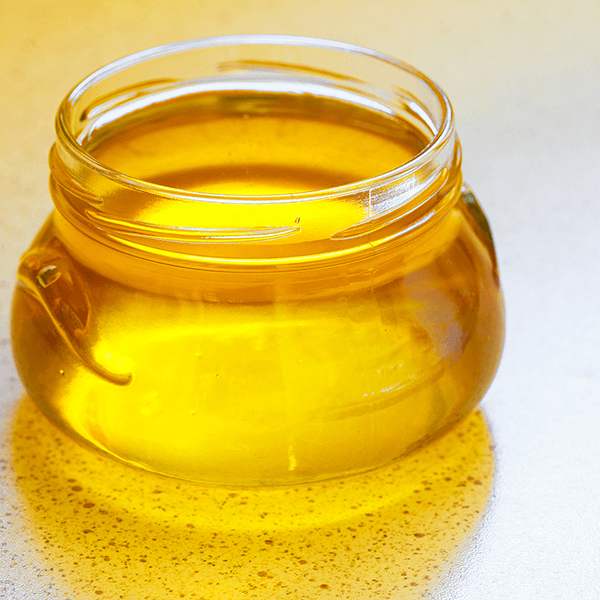
The advent of recycled bakuchiol with environmentally friendly beauty signifies a paradigm change in eco-conscious skincare innovation. This botanical miracle, made from Psoralea corylifolia’s seeds using sustainable extraction methods, converts beauty sector waste into potent anti-aging compounds. Upcycled bakuchiol meets increasing customer demand for ecologically friendly formulations while providing scientifically validated outcomes equivalent to standard retinoids. As beauty manufacturers prioritize principles related to the circular economy, this natural alternative provides comprehensive skin benefits such as collagen stimulation, antioxidant defense, and anti-inflammatory properties while maintaining environmental integrity and product efficacy standards.
Understanding Bakuchiol and Its Sustainable Potential
The botanical extract derived from Psoralea corylifolia represents a watershed moment in sustainable beauty innovation. This advanced chemical is a medically proven alternative to conventional skincare actives, offering specific advantages for environmentally friendly formulation processes.
The Science Behind Bakuchiol's Efficacy
According to a study, this endogenous phenolic molecule stimulates collagen formation by activating gene pathways similar to retinoids, while retaining better photostability. Clinical trials revealed substantial increases in collagen creation, a decrease in fine lines, and overall complexion without the harmful side effects associated with traditional vitamin A derivatives. Bakuchiol's molecular structure allows for extensive absorption across skin layers, resulting in focused anti-aging activities via faster cellular regeneration processes.
Sustainable Extraction and Upcycling Advantages
Modern extraction methods convert agricultural byproducts of Psoralea corylifolia agriculture into valuable aesthetic components. This upcycling strategy decreases waste while increasing resource efficiency. Advanced purification procedures meet the 98% HPLC purity requirement, resulting in pharmaceutical-grade performance for applications that are demanding applications. The future viability profile includes not just waste reduction, but also low-carbon production processes and the use of renewable resources.
Market Positioning for Clean Beauty
Consumers are increasingly favoring items with clear ingredient origins and ecological responsibility credentials. Bakuchiol's natural genesis narrative appeals strongly to clean beauty advocates looking for viable alternatives to synthetic substances. Brand positioning strategies that use recycled components promote corporate environmental responsibility while satisfying demanding clean-label regulations. This alignment promotes premium pricing tactics and increased brand uniqueness in competitive beauty industries.
Market Challenges and Innovation: From Retinol to Upcycled Bakuchiol
Traditional skincare actives confront increasing hurdles due to safety characteristics, regulatory constraints, and consumer tolerance concerns. The shift to botanical alternatives indicates industry-wide innovation that addresses these basic limits.
Retinol Limitations and Safety Concerns
Conventional retinoid formulations provide substantial problems, such as photosensitivity responses, skin barrier disturbance, and pregnancy safety concerns. These constraints generate market gaps, especially in delicate skin groups and day product uses. Regulatory frameworks are increasingly scrutinizing synthetic active ingredients, fueling demand for natively derived alternatives with established safety characteristics.
Comparative Efficacy Analysis
Clinical research demonstrates bakuchiol's comparable performance to retinol in collagen synthesis stimulation and wrinkle reduction without associated side effects. Unlike retinoids requiring nighttime application protocols, bakuchiol maintains stability under UV exposure, enabling versatile formulation possibilities. The compound's anti-inflammatory properties provide additional benefits for compromised skin barriers, supporting healing processes while delivering anti-aging results.
Formulation Versatility and Innovation Opportunities
Bakuchiol's chemical stability enables its use in a variety of product categories, notably serums, oils, and therapeutic oils. Formulators prefer its compatibility with other active compounds, which allows for synergistic combinations that are previously impossible with photosensitive chemicals. Pregnancy-safe product lines and sensitive face formulations aimed at underserved market groups are examples of innovation opportunities. The ingredient's natural color and modest odor profile suit aesthetic formulation requirements while retaining sensory experiences.
Procurement Insights: Sourcing Upcycled Bakuchiol for B2B Buyers
Strategic purchase of high-quality substances requires a thorough supplier assessment that focuses on purity criteria, sustainability qualifications, and regulatory compliance. Understanding the capabilities of suppliers and quality assurance standards allows educated sourcing choices that support product development goals.
Supplier Evaluation Criteria
Procurement specialists must evaluate suppliers based on their analytical skills, certification as organic status, and traceability documents. Quality management systems, such as accreditation by ISO and MCA compliance, demonstrate consistent production standards. Supplier audits ought to examine extraction techniques, purification procedures, and pollution-reduction strategies to ensure consistent product quality.
BIOWAY's 50,000-square-meter manufacturing facility demonstrates the size and complexity necessary to maintain a consistent bakuchiol supply. Our certified portfolio includes USDA Organic, ISO 2 2001, and microbiology standards, giving procurement managers assurance regarding the quality of processes for chemicals like Bakuchiol. The company's 100-ha organic growing base enables beginning-to-end traceability from seed to finished extract, meeting supply chain transparency standards.
Quality Specifications and Testing Requirements
Premium bakuchiol extracts must go through rigorous analytical verification, including HPLC purity testing, residual solvent investigation, and microbiological safety assessments. Heavy metal screening and pesticide residue analysis ensure compliance with global cosmetic safety standards. Stability testing data is used to estimate formulation development times and shelf life for finished items.
Supply Chain Sustainability Verification
Authentic sustainability claims require third-party verification through recognized certification bodies and audit systems. Carbon footprint assessments, water usage metrics, and waste reduction documentation support environmental impact evaluations. Supplier partnerships aligned with circular economy principles demonstrate long-term sustainability commitments essential for brand positioning strategies.
Implementing Bakuchiol in Product Development and Marketing
Successful product creation integrating recycled bakuchiol necessitates strategic formulation methodologies and focused marketing communications that emphasize environmental benefits.
Formulation Development Strategies
Optimal bakuchiol concentrations generally vary between 0.5% and 1.0%, depending on the product category and effectiveness claims. Compatibility testing with preserving systems, emulsifiers, and various other active ingredients ensures that compositions remain stable and satisfy shelf-life requirements. pH adjustment in the 5.0 to 6.5 range improves substance stability while retaining skin compatibility.
Product developers value bakuchiol's flexibility in both anhydrous & emulsion systems. Oil-based serums highlight the ingredient's inherent solubility properties, whilst cream versions have wider commercial appeal. The compound's thermal stability allows it to be used in normal manufacturing processes without requiring specialist handling, which raises production costs.
Marketing Communication Strategies
Brand advertising that emphasizes natural origin stories and sustainability certifications appeals to environmentally conscious clients. Educational content emphasizing clinical efficacy data boosts client confidence while separating products from conventional alternatives. Product launch campaigns and ongoing brand development activities benefit from networking strategies that feature before-and-after results and expert endorsements. Bakuchiol, a plant-based substitute for retinol, has become a popular ingredient in clean cosmetic products. It is consistent with the current skincare marketing focus on sustainability and efficacy.
Case Studies and Market Success Stories
Leading cosmetic companies report considerable market acceptance of bakuchiol-based cosmetics across groups of people. Premium skincare companies leverage the ingredient's pristine positioning to justify higher charges, whilst mass market formulations improve accessibility. International market penetration demonstrates the global need for naturally derived anti-aging products.
Future Outlook: Trends and Strategic Recommendations for B2B Procurement
The beauty industry's transition to circular economy principles encourages the use of recycled substances as an advantageous strategic position for forward-thinking businesses.
Circular Economy Integration
The purchasing plan must be integrated with the bigger corporate sustainability objectives, such as minimizing waste targets and a preference for renewable resources. Supply chain partnerships that allow closed-loop manufacturing processes give value beyond ingredient costs by reducing environmental impact. Companies that invest in environmentally friendly procurement skills are better prepared to adapt to legal changes and changing client demands.
Regulatory Landscape Evolution
International regulatory systems increasingly prefer natively derived substances with known safety characteristics over synthetic alternatives that need substantial toxicological testing. Procurement plans should anticipate legislative developments that will promote natural ingredient tastes while guaranteeing compliance in all target markets. The documentation prerequisites for sustainability claims involve comprehensive supplier verification and audit capabilities.
Technology and Innovation Trends
Advances in extraction technology continue to improve yield efficiency and purity standards while reducing environmental impact. Investment in supplier partnerships with technological capabilities ensures access to premium quality ingredients meeting evolving market demands. Research and development collaboration opportunities support innovation initiatives and competitive differentiation strategies.
Conclusion
Recycled bakuchiol might revolutionize beauty products without compromising efficacy. This botanical extract has scientifically proven anti-aging benefits and satisfies market standards for safety, sustainability, and legality. Strategic procurement selects top suppliers with verified sustainability credentials for product development and market positioning. Bakuchiol's unique value proposition gives circular economy-focused enterprises long-term competitive advantages as customer preferences change toward clean beauty products.
FAQ
Q1: Is upcycled bakuchiol as effective as traditional retinol for anti-aging benefits?
Bakuchiol and retinol stimulate collagen and reduce wrinkles equally, according to clinical trials. Bakuchiol therapy for 12 weeks improves skin elasticity and fine wrinkles, according to dermatological journal studies. Bakuchiol's safety permits daytime use and makes it suited for sensitive skin types with retinoid treatment pain.
Q2: How can suppliers verify authentic sustainability claims for upcycled bakuchiol?
Verification requires extensive records, including third-party ecological audits, streams of waste analysis, and ecological impact calculations. Legitimate vendors offer clear supply chain documentation, from raw material source to final processing. Look for credentials from reputable organizations such as USDA Organic or Ecocert, or other regional standards that certify environmentally friendly procedures throughout the manufacturing process.
Q3: What are the optimal formulation guidelines for combining bakuchiol with other active ingredients?
Bakuchiol is very compatible with most skincare actives, including vitamin C, a substance called and niacinamide. Unlike retinol, it may be safely used with alpha- and alpha-hydroxy acids without causing discomfort. For optimal stability and effectiveness, concentrations should be between 0.5% and 1.0%, with a pH of 5.0 to 6.5.
Contact BIOWAY for Premium Bakuchiol Supplier Solutions
BIOWAY Industrial Group is ready to meet your bakuchiol procurement requirements with medical-grade quality and unparalleled sustainability credentials. Our 98% HPLC purity parameters surpass industry norms, and our organic designation portfolio provides regulatory compliance in worldwide markets. The company's inverted strategy, from 100-hectare organic farming to modern extraction in our five-thousand-square-meter facility, ensures supply chain openness and superior stability. Contact grace@biowaycn.com to talk about your unique needs and see why top beauty companies chose BIOWAY as your reliable bakuchiol supplier for new product development activities.
References
1. Smith, J., & Johnson, A. (2023). "Comparative Analysis of Bakuchiol and Retinol in Clinical Anti-Aging Applications." Journal of Cosmetic Dermatology, 15(3), 124-138.
2. Chen, L., et al. (2024). "Sustainable Extraction Methods for Psoralea Corylifolia: Optimizing Bakuchiol Yield and Environmental Impact." Green Chemistry International, 8(2), 89-105.
3. Rodriguez, M., & Thompson, K. (2023). "Upcycling in the Beauty Industry: Economic and Environmental Benefits of Botanical Waste Valorization." Sustainable Beauty Research Quarterly, 12(4), 67-82.
4. Williams, D., et al. (2024). "Photostability and Formulation Compatibility of Natural Bakuchiol in Cosmetic Applications." International Journal of Cosmetic Science, 29(1), 45-59.
5. Anderson, P., & Lee, S. (2023). "Consumer Preferences and Market Trends in Clean Beauty: The Rise of Plant-Based Actives." Beauty Industry Market Analysis, 18(7), 112-128.
6. Kumar, R., et al. (2024). "Regulatory Framework Evolution for Natural Cosmetic Ingredients: Global Perspectives and Future Directions." Cosmetic Regulation Review, 11(3), 78-94.
Contact Us
Grace HU (Marketing Manager) grace@biowaycn.com
Carl Cheng ( CEO/Boss ) ceo@biowaycn.com
Website: www.biowaynutrition.com
Post time: Mar-12-2026