
Introduction
Spermidine, a new polyamine chemical discovered in living things, regulates cells and affects human longevity and health. Autophagy, the body's intricate cellular cleaning mechanism that removes damaged organelles and misfolded proteins and promotes cellular regeneration, requires this naturally occurring molecule. Spermidine supplementation may mimic calorie restriction by promoting autophagy, improving heart health and cognitive function, and perhaps prolonging life through its unique molecular mechanisms.
Introducing Spermidine and Its Role in Cellular Health
Spermidine belongs to the polyamine family of compounds, characterized by its chemical structure N-(3-aminopropyl)-1,4-butanediamine with CAS number 124-20-9. This remarkable molecule exists ubiquitously across all living organisms, from bacteria to complex mammals, highlighting its fundamental importance in biological systems. Within cellular environments, spermidine concentrations naturally decline with age, contributing to reduced autophagy efficiency and accelerated cellular aging processes.
The Biochemical Foundation of Spermidine Action
The molecular mechanism that for spermidine's cellular benefits is based on its capacity to inhibit acetyltransferase associated with E1A protease protein 300 (EP300), which is a crucial regulatory enzyme that controls autophagy onset. When spermidine binds to EP300, it effectively removes autophagy inhibitors, allowing cells to return to their regular cleaning and rejuvenating functions. This link triggers a cascade of cellular activities that encourage the destruction of damaged proteins, faulty cells with mitochondria, or collected cellular debris.
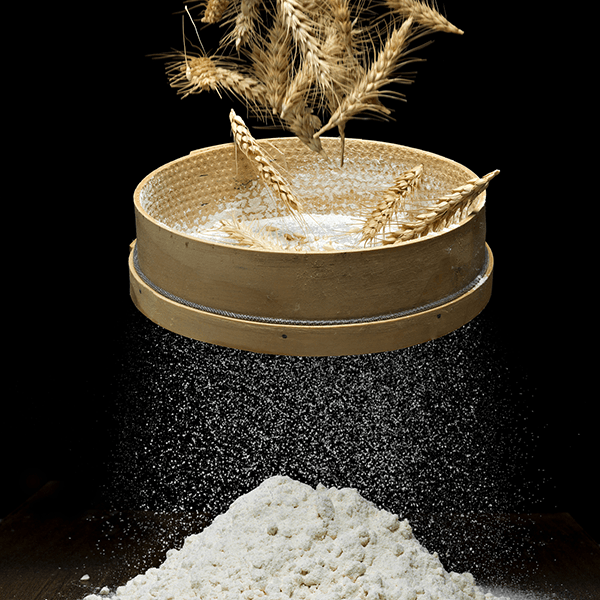
Natural sources of the substance include grain germ, soy flour, aged cheese, and many fermented foods, however quantities vary greatly depending on processing techniques and storage conditions. Wheat germ shines out as a single of the richest sources of calories, with much greater polyamine contents than other plant-based meals. Wheat germ extract is a good raw material for producing standardized supplements due to its natural abundance.
Autophagy Mechanisms and Cellular Renewal
Autophagy represents one of the most sophisticated cellular maintenance systems, involving the formation of specialized vesicles called autophagosomes that engulf damaged cellular components. These structures then fuse with lysosomes, creating autolysosomes where enzymatic degradation occurs. The resulting molecular building blocks get recycled for new protein synthesis and energy production, effectively rejuvenating cellular function.
According to research, spermidine-induced autophagy promotes mitochondrial health via a mechanism known as mitophagy. Damaged mitochondria grow with age, leading to decreased energy generation and increased oxidative damage. Spermidine supplementation promotes selective cell removal and replacement, hence maintaining normal cellular metabolic processes for energy and reducing age-related functional decline.
Spermidine Supplementation: Benefits, Dosage, and Safety Considerations
Clinical research reveals compelling evidence supporting spermidine supplementation for various health applications, particularly in addressing age-related cellular dysfunction. Studies involving both animal models and human subjects demonstrate significant benefits across multiple physiological systems, establishing spermidine as a promising longevity intervention.
Evidence-Based Health Benefits
Cardiovascular health is one of the most explored topics of spermidine study. Clinical investigations suggest that regular spermidine consumption is associated with enhanced cardiac function, decreased stiffness of the arterial, and better hypertension management. The molecule seems to protect against cardiovascular hypertrophy while maintaining diastolic function, suggesting that it may help prevent age-related heart disease.
The neuroprotective qualities of spermidine contribute to cognitive function advantages by promoting cells in the brain health and memory formation. Studies on animals show that spermidine supplementation improves learning ability and reduces neuroinflammation. These benefits are most likely the consequence of increased autophagy of brain tissue, which eliminates protein clumps linked with neurodegenerative disorders.
Optimal Dosage Guidelines and Administration
According to current study results, therapeutic uses often demand spermidine doses of 1.0 — 1.5 gram per day, whereas preventative supplements require 0.55 to 0.75 gram per day. These guidelines are based on clinical research that determined effectiveness levels while retaining safeguards for long-term usage.
Spermidine-rich the wheat germ extract, which is standardized to include at least 0.2% spermidine, offers a dependable dosage framework for supplement makers. The extraction ratio of 15:1 guarantees concentrated bioactive substances while preserving a natural matrix of complimentary nutrients present in wheat germ. This standardized strategy enables exact formulation control, which is critical for consistent treatment effects.
Quality spermidine extracts are water-soluble, making them simple to include into a variety of product forms, including powdered drinks and encapsulated supplements. The beige or light yellow small particles look suggests good processing and the lack of oxidative degradation, which might reduce bioactivity.
Safety Profile and Risk Management
Extensive safety studies show that spermidine supplement within acceptable dose limits has few side effects for healthy persons. The compound's natural presence in popular foods gives assurance of its biological compatibility. However, production requirements must assure purity and the absence of impurities that may jeopardize safety characteristics.
Heavy metals, residues from pesticide and microbiological pollutants should be tested as part of quality control methods, especially when sourcing traditional agricultural products such as wheat germ. Non-GMO sourcing meets customer demands while avoiding regulatory hurdles in sensitive areas.
Comparison of Spermidine Sources: Supplements vs Natural Foods
The choice of dietary drug sources and strong supplements has important ramifications for both product makers and end users. While natural foods contain spermidine in complicated nutritional matrices, standardized supplements give an exact dose and constant absorption, which is critical for therapeutic applications.
Natural Food Source Limitations
Dietary spermidine consumption via whole foods presents a number of practical problems that restrict its efficacy for therapeutic reasons. Spermidine ratios in natural sources vary greatly depending on growth circumstances, harvest time, processing techniques, and storage length. These differences make it challenging to acquire constant therapeutic doses by food alone.
Food preparation methods significantly impact Spermidine retention, with cooking processes often reducing bioactive compound levels. Additionally, the relatively low concentrations found in most foods would require impractically large consumption volumes to achieve therapeutic benefits demonstrated in clinical studies.
Supplement Advantages and Standardization
Concentrated spermidine supplements address the consistency and dosing challenges inherent in natural food sources. Standardized extracts ensure predictable potency levels while providing convenient administration methods that support compliance with therapeutic regimens. Advanced extraction technologies can achieve concentration levels impossible through dietary sources alone.
Manufacturing technologies that retain bioactivity while maintaining stability provide significant competitive benefits in the supplement business. Proper extraction ratios, including the 15:1 concentration seen in superior wheat germ extracts, provide medicinal efficacy while being cost-effective for commercial usage.
The potential to mix spermidine with complementing nutrients or delivery technologies offers up new formulation options that were previously unattainable from whole food sources. Microencapsulation, liposomal administration, and synergy nutrient blends may improve bioavailability and therapeutic effects beyond what natural sources can provide.
Selecting the Right Spermidine Supplier for Your Business Needs
Successful spermidine and product development requires collaboration with vendors that provide consistent quality, dependable supply chains, and extensive technical support. The worldwide market for spermidine components is developing, presenting both possibilities and difficulties to procurement experts seeking ideal supplier partnerships.
Quality Certification and Manufacturing Standards
Premium spermidine providers have significant quality certifications, including cGMP, ISO22000, and HACCP, and organic certifications, which assure product integrity across the supply chain. These certifications ensure that production processes meet global norms while also promoting compliance with rules in target markets.
Advanced production facilities that have specialized extraction technology can handle a wide range of plant materials and retain high purity levels. Multiple production lines enable providers to meet a wide range of product requirements and batch sizes, facilitating both large-scale commercial manufacturing and smaller specialist applications.
Supply Chain Reliability and Technical Expertise
Vertical integration provides considerable benefits in spermidine supply partnerships, especially when suppliers control unprocessed product cultivation and final product manufacture. Organic agriculture procedures on dedicated land for agriculture offer continuous product quality while also supporting environmental measures that current customers value.
Technical support skills differentiate outstanding vendors from commodity providers. Access to formulation knowledge, stability testing, & regulatory assistance enables product creators to maximize their spermidine uses while avoiding frequent errors that might jeopardize product success.
Modern store and logistics infrastructure, such as climate-controlled warehouses and worldwide distribution networks, protects product integrity during transit while allowing for flexible delivery dates. Working with delicate plant extracts, such as Spermidine, requires precise temperature and handling standards to preserve bioactivity.
Future Trends and Innovations in Spermidine Research and Market
The spermidine market is continuously developing as fresh research discloses novel therapeutic possibilities and improves extraction and formulation methods. Understanding these patterns allows for strategic planning of creating goods and market positioning strategies.
Emerging Research Applications
Recent research investigates the potential of spermidine in metabolic health, autoimmune aid, and skin-related applications in addition to its conventional lifespan and cardiovascular advantages. These growing therapeutic targets provide opportunities for customized product development that addresses certain consumer categories and health issues.
Advanced delivery technologies, including as nanoencapsulation and liposomal formulations, offer higher bioavailability and tailored tissue distribution. These technical advancements may allow lower effective doses while improving treatment results, providing a competitive advantage for prospective customers of innovative formulation methods.
Market Growth and Consumer Trends
Growing public knowledge of autophagy and the health of cells is driving growing demand for science-backed lifespan supplements. This trend promotes premium pricing for superior spermidine products while also providing chances for informative marketing to increase brand authority and customer confidence.
Regulatory frameworks are shifting to accommodate new substances such as spermidine, which is increasingly recognized for its medicinal potential. Proactive involvement with regulatory regulations promotes businesses for future market development while also guaranteeing compliance with developing standards.
Conclusion
The scientific data confirming spermidine's significance in autophagy activation as cellular health opens up exciting potential for supplement makers and health product creators. Spermidine's unique method of action, which targets EP300 inhibition, efficiently boosts cellular regeneration mechanisms that inevitably wane with age. Quality standardized extracts made from wheat germ provide consistent potency and availability while being cost-effective in commercial applications. Partnerships with suppliers that offer extensive quality assurance, technical competence, and dependable supply chains capable of meeting rising demand for science-backed life supplements are required for success in this burgeoning sector.
FAQ
Q1: What makes spermidine effective for autophagy activation?
Spermidine acts by blocking the EP300 enzyme, which typically inhibits autophagy activities. When EP300 activity is reduced, cells may more efficiently activate their natural cleaning processes, eliminating damaged organelles and protein molecules while boosting cellular regeneration and lifespan.
Q2: How does synthetic spermidine compare to natural wheat germ extracts?
Natural cereal grain extracts deliver spermidine within a complex matrix of supplementary nutrients, but synthetic versions have greater purity levels of up to 99%. Both forms exhibit bioactivity, although natural extracts may give additional synergistic advantages due to co-occurring chemicals.
Q3: What quality standards should manufacturers prioritize when sourcing spermidine?
Essential quality requirements include cGMP authorization, organic certification where appropriate, heavy metal and pesticide residue testing, uniform potency levels, and sufficient paperwork to support compliance with regulations in target markets.
Q4: Can spermidine supplements interact with other health ingredients?
Current research indicates minimal interaction risks with common supplement ingredients. However, manufacturers should conduct compatibility testing when developing complex formulations and provide appropriate guidance regarding concurrent use with medications or other bioactive compounds.
Q5: What storage conditions optimize spermidine stability and potency?
To remain bioactive, spermidine extracts must be protected from light, moisture, and high heat. Airtight containers maintained in cold, dry conditions assist to keep potency, while correct package design may improve shelf life and ensure quality throughout the distribution chain.
Partner with BIOWAY for Premium Spermidine Solutions
BIOWAY Commercial GROUP LTD is your reliable spermidine producer, utilizing sophisticated extraction technology with thorough quality assurance to produce exceptional botanical extracts. Our vertical integrated operations range from organic agriculture on one hundred hectares of pristine Tibet-China Plateau farmland to cutting-edge processing facilities complete with specialized extract lines including Class 104 cleaning capabilities.
With over a century of industry experience and comprehensive certifications like cGMP, ISO22000, HACCP, FDA, and USDA/EU Clean standards, we guarantee a constant supply of superior high in spermidine wheat germ extracts that are standardized to your precise requirements. Our complete assistance includes formulation advice, stability checks, and regulatory paperwork to help you shorten your product development schedules while keeping a competitive edge. Contact grace@biowaycn.com immediately to discuss your hormone sourcing needs and see how our comprehensive strategy provides greater value to medicine manufacturers, cosmetic firms, and functional food makers.
References
1. Eisenberg, T., and others, "Cardioprotection or enhancement of lifespan by the naturally occurring polyamine spermidine." Nature Health 22.12 (2016): 1428–1438.
2. F. Madeo, T. Eisenberg, F. Pietrocola, and G. Kroemer. "Spermidine" in health and illness."Science 359.6374 (2018), eaan2788.
3. Schwarz et al., 2013. "Safety and sustainability of spermidine is supplemental intake in mice and seniors with subjective cognitive decline." Aging 10.1 (2018): 19–33.
4. According to Kiechl et al., "Higher spermidine consumption is linked with reduced mortality: an impending population-based investigation." American Academy of Clinical Nutrition found that it 108.2 (2018), 371-380.
5. Pekar, T., et al. "Spermidine metabolism in dementia: relationship to age and memory capability." Journal of Neuronal Transmission 128.11 (2021): 1643–1653.
6. Hofer, S. J., and others. "Spermidine: a biological autophagy inducer that functions as an antibacterial vitamin in humans." Autophagy 18.4 (2022): 717–733.
Contact Us
Grace HU (Marketing Manager) grace@biowaycn.com
Carl Cheng ( CEO/Boss ) ceo@biowaycn.com
Website: www.biowaynutrition.com
Post time: Mar-31-2026