
Introduction
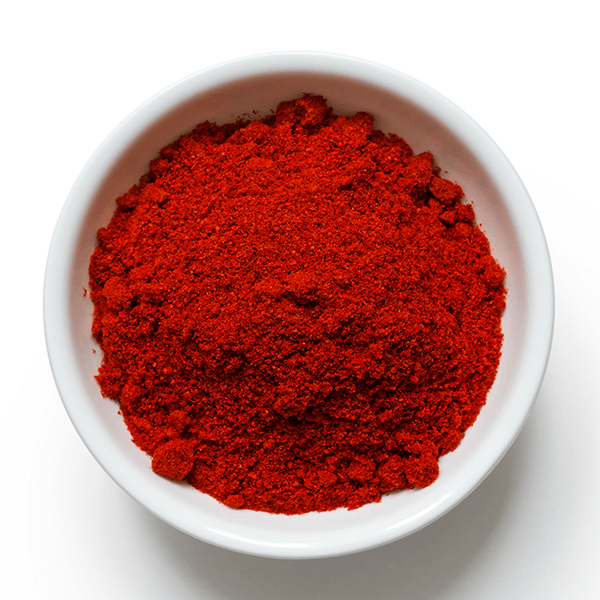
Food manufacturers seeking superior natural colorants face challenges balancing vibrant hues, product stability, regulatory compliance, and clean-label consumer demands. Carmine cochineal extract—derived from female Dactylopius coccus insects and standardized to contain at least 50% carminic acid—addresses these challenges with exceptional color intensity, thermal stability, and global regulatory acceptance. This deep red powder solves formulation problems where synthetic dyes fail, offering heat and light resistance that maintains product integrity throughout processing and shelf life, making it an essential ingredient for beverages, confectionery, dairy, and processed meats seeking natural color solutions.
Understanding Carmine Cochineal Extract: Composition, Production, and Safety
Origin and Composition of Natural Red Pigment
Carmine Cochineal Extract comes from female cochineal insects that have been dried out and fed on certain types of cactus. The process of extraction concentrates carminic acid, which is the main bioactive compound that gives it its bright red color. Professional-grade Carmine Cochineal Extract usually has at least 50% carminic acid, which makes sure that each batch works the same way. This standardization gets rid of the differences that come with raw farming materials. This lets people who make food get consistent results in their production runs.
The dark red powder can dissolve in water, ethanol, and propylene glycol, which makes it useful in a variety of food situations. Raw plant colorants can add off-flavors or unwanted particles, but Carmine Cochineal Extract gives pure color without changing the taste or texture. This is especially helpful in delicate uses like frozen desserts and high-end drinks.
Manufacturing Standards and Regulatory Compliance
Strict quality standards are followed in factories that make food-grade Carmine Cochineal Extract. Leading suppliers keep their ISO22000, HACCP, and GMP certifications up to date, making sure that all steps, from getting the raw materials to packaging them, are in line with international standards. Controlled conditions are used during the extraction process to keep the bioactivity while getting rid of impurities and possible contaminants.
Regulatory bodies all over the world have carefully looked at the Carmine Cochineal Extract safety profile. The European Union puts it under E120, while the FDA sees it as a color ingredient that doesn't need to be certified. Organic-grade Carmine Cochineal Extract can be certified by both the USDA and the EU, meeting the growing demand for organic food products. The halal and non-GMO standards make it even more useful for a wide range of consumers and market groups.
Safety Considerations and Allergen Management
Even though Carmine Cochineal Extract has a good safety record, producers need to address worries about allergens. Some people are allergic to Carmine Cochineal Extract, which means that products must have clear labels in line with food allergy rules. Food companies can confidently meet these requirements if they have clear paperwork like detailed Certificates of Analysis, Material Safety Data Sheets, and allergen declarations.
Finishes of Carmine Cochineal Extract are tested carefully to make sure they don't contain too many heavy metals, chemical leftovers, or microbiological contaminants. These quality assurance steps protect the health and image of brands, which gives B2B buyers faith in the trustworthiness of the supply chain. Carmine Cochineal Extract is a low-risk natural colorant that can be bought from trusted sources with full traceability systems.
Top 5 Benefits of Carmine Cochineal Extract for Food Manufacturers
Superior Color Stability Under Processing Conditions
Many natural colorants are hard to work with when they are heated, but Carmine Cochineal Extract is very resistant to heat. During high-temperature processes like pasteurization, sterilization, and baking, Carmine Cochineal Extract keeps its bright red color without changing much. This stability also works with light, so it doesn't fade like beets and other plant-based options do when they're stored on a shelf.
This steadiness is very good for companies that make drinks. Fruit shakes, carbonated drinks, and useful drinks are all processed in different ways and take longer to get to stores. The toughness of Carmine Cochineal Extract makes sure that the appealing color customers see when they buy it matches how the maker wanted it to look. This cuts down on waste from color-related quality problems and helps keep the brand's personality consistent across production batches.
The acidic nature of Carmine Cochineal Extract can also be used in ice cream, yogurt, and other dairy products. The pH range of these products is from acidic to neutral, and Carmine Cochineal Extract works reliably across this range without changing color. For coloring ham, sausage, and other processed foods, you need colorants that can handle both high temperatures and the complex protein-fat-water mixtures. Carmine Cochineal Extract is a great choice for these tough jobs.
Clean Label Appeal and Natural Positioning
Transparency and pure materials have become very important to consumers. Clean label goods, which don't have any artificial ingredients and are easy for regular people to recognize, are more expensive and keep customers coming back. Carmine Cochineal Extract meets this need because it is a naturally occurring colorant that people understand and like better than man-made ones like Red 40 or Allura Red.
Marketing teams find that highlighting "natural color from Carmine Cochineal Extract" speaks to buyers who are careful about their health and read ingredient lists carefully. This natural origin story supports brand stories about quality and authenticity, setting products apart in crowded market segments. Organic-certified Carmine Cochineal Extract makes it easier for high-end organic product lines to reach picky customers who are willing to pay more for natural ingredients that have been checked out.
Formulators like that Carmine Cochineal Extract doesn't need as many long justifications as manmade dyes do. This makes it easier for regulators to approve the product and for brands to work with customers, so they can focus on the benefits of the product instead of defending their ingredient choices. Carmine Cochineal Extract is now recognized by all governments around the world as a safe and well-known colorant. This makes it easier for businesses to expand into new countries.
Broad Application Versatility Across Food Categories
Because of how well it dissolves and how stable it is, Carmine Cochineal Extract is very useful in many situations. Carmine Cochineal Extract is used to color dough, icings, and fillings for baked goods like cakes and biscuits that can withstand high temperatures in the oven. Hard candies and soft gummies are just a few of the sweets that can use the intense color of Carmine Cochineal Extract at low usage rates to get the best cost-in-use calculations.
Carmine Cochineal Extract is used by sauce and condiment makers to add tasty red tones to ketchup alternatives, specialty marinades, and gourmet dressings. It's easy to make because the extract mixes well with both oil-based and water-based mixtures. There are no problems with phase separation or precipitation. This formulation compatibility cuts down on the time needed for development and speeds up the time it takes for new products to hit the market.
Color makeup like lip gloss, blush, and eye shadow can all be made with cosmetic-grade Carmine Cochineal Extract, which has the same stability and safety rating as food-grade Carmine Cochineal Extract. This possibility for two different uses can help companies that make products for both the food and personal care markets save money by making it easier to handle their supply chains and keep track of their inventory. They can also keep their production lines separate so they can meet the quality standards for each market.
Cost-Effectiveness and Reliable Supply Chains
Carmine Cochineal Extract may cost more per unit than some manufactured dyes, but because it has a higher tinctorial strength, less of it is needed to get the color intensity you want. When formulators use the actual cost per batch instead of the price per kilogram of raw materials, this concentration effect often leads to competitive total costs. The smaller amount needed also has less of an effect on the taste and appearance of the finished product.
For big food manufacturers with ongoing production plans, supply reliability is very important. Established Carmine Cochineal Extract suppliers keep annual limits of more than 10,000 tons, so they can always meet your needs, even for large orders. This production scale keeps prices fixed and gets rid of supply problems that stop production lines and hurt relationships with customers.
When you buy in bulk from a trusted seller, you can get discounts and better payment terms. Cost models that are reliable help manufacturers make budgets and plan their finances. Carmine Cochineal Extract powder has a 24-month shelf life if it is stored properly. This gives procurement teams the freedom to order the right amount and take advantage of good market conditions without worrying about the material going bad.
Regulatory Compliance and Traceable Documentation
Food companies that want to export have to deal with complicated rules in each market. The fact that many countries approve of Carmine Cochineal Extract makes international trade easier, since the same product recipe usually meets the needs of people in North America, Europe, Asia, and other places. When compared to colorants with regional limits, this regulatory unity lowers the cost of reformulation and speeds up the time it takes to get into the market.
Full documentation packages help customs clearance and regulatory submissions go smoothly. The best providers give full Certificates of Analysis that include data on pesticide screens, heavy metal levels, microbiological results, and carminic acid content. Material Safety Data Sheets list handling steps and emergency methods, which is required by safety rules in the workplace. Country-specific certifications meet the needs of specific markets. For example, Halal certification is needed for markets in the Middle East, and Kosher certification is needed for certain product lines.
Traceability tools that connect batches of finished extract to specific lots of raw materials let quality problems be fixed quickly. This openness builds trust with regulators and with store customers, who are asking for more and more supply chain information. Some suppliers offer better documentation and quality systems that meet the higher standards needed for pharmaceutical and nutraceutical applications that need GMP-grade materials.
Carmine Cochineal Extract vs Other Colorants: Making an Informed Choice
Performance Comparison with Synthetic Red Dyes
Red 40 and other synthetic colors are cheap and give clothes a strong color, but people are becoming more against using fake ingredients, which has changed the way the market works. Brands say that switching from manufactured to natural colorants, like Carmine Cochineal Extract, builds trust with customers and stays true to their green goals. Reformulating costs money, but the clean label positioning that comes after often makes up for it through higher prices and better brand perception.
When comparing stability, Carmine Cochineal Extract is better in many situations. In extreme pH conditions, synthetic colors may work better, but in normal food processing situations, the resistance of Carmine Cochineal Extract to heat and light is the same as or better than synthetic choices. The natural source of Carmine Cochineal Extract also makes managing waste easier, since it breaks down more quickly than synthetic alternatives. This helps with environmental compliance and sustainability reporting.
Advantages Over Plant-Based Natural Colorants
Beetroot extract is a common red colorant that comes from plants, but it has some major problems. Beetroot's earthy flavor can mess up delicate flavor profiles, so it needs to be carefully formulated or used in limited ways. Carmine Cochineal Extract doesn't have these problems with shelf life because its color doesn't change when the pH level changes or when it's exposed to light.
Anthocyanins, which come from plants like grapes and berries, give foods their pretty colors, but they don't hold up well to heat, so they can't be used in baked goods or foods that have been heated up. Their sensitivity to pH means that exact formulation control is needed, and they are used a lot, which raises their cost-in-use. Carmine Cochineal Extract is a better choice for manufacturers who want to be able to change formulations and depend on reliable production because it can handle a wide range of pH levels and is stable at high temperatures.
The brightness of the red color of Carmine Cochineal Extract is better than that of most plant-based options. When used in higher amounts, veggie extracts can make colors brown or muddy. Carmine Cochineal Extract, on the other hand, gives products clean, bright reds that make them look better. This color purity is very important for high-end products where how they look affects people's decisions to buy and supports higher prices.
Evaluating Supplier Quality and Certifications
It takes more than just comparing prices to find the right Carmine Cochineal Extract provider. Check the supplier's list of certificates to make sure that the ISO22000, HACCP, and any related organic certifications meet the needs of your product. For lab testing of carminic acid content and the lack of impurities, ask for sample batches. Make sure that the specs match the real material that is given.
Check to see if the supplier can provide technical support. Leading suppliers hire experienced application scientists to help with formulating better, fixing problems with color stability, and suggesting the right use rates for different product matrices. This knowledge speeds up the creation of new products and cuts down on the time and money needed for costly trial-and-error testing during preparation work.
Look into how transparent the supply chain is and how raw materials are sourced. Suppliers who work directly with cochineal harvesters and processing plants have more control over quality and environmental issues. Look for proof of fair trade and environmental care, as these things affect business buying choices and help companies keep their responsible sourcing promises.
Procurement Guide: Finding the Right Carmine Cochineal Extract Supplier
Essential Certifications and Quality Benchmarks
Food-grade Carmine Cochineal Extract has to meet strict purity standards that are checked by a third party. Check to see if suppliers have BRC, FSSC 22000, or other widely known quality system certifications in addition to basic food safety certifications. These qualifications show that the quality control systems are strong and that the risks of variation and contamination are kept to a minimum across production runs.
To get organic certification from the USDA or the EU, you have to show that Carmine Cochineal Extract did not come into contact with any substances that are not allowed during cultivation, extraction, or packaging. This license lets you sell higher-end organic products, but you have to carefully check out the suppliers to make sure they are real. Instead of depending on copies given by suppliers, ask for certification documents directly from certifying bodies.
Consistency from batch to batch relies on having advanced process controls and the ability to analyze data. Ask possible providers about their quality control labs, how often they test, and how they use statistical process control. Big companies need reliable suppliers who can keep standard margins low and use HPLC analysis to measure carminic acid levels. These suppliers give big companies the quality Carmine Cochineal Extract products they need every time.
Logistics Considerations for International Procurement
Different Carmine Cochineal Extract suppliers have very different minimum order amounts. Established companies that make a lot of things may be able to take on smaller trial orders from new customers at first. As the relationship grows, the company will commit to making more as the relationship grows. Make sure that the MOQ standards are clear from the start so that they work with your production plans and your available operating capital.
For overseas shipments, the time it takes from placing an order to receiving it can be anywhere from four to eight weeks, based on production schedules and shipping methods. Delivery times can be cut down a lot if Carmine Cochineal Extract suppliers keep their stock in regional warehouses. Facilities with storage space in the US, like 3,000-square-meter storage facilities, can restock more quickly for customers in North America and lower the risk in the supply chain.
Packaging specs affect how well the product is handled and how safe it is during transport. Most use standard packaging in 25-kilogram fiber drums, but custom packaging options may work better for certain storage or handling systems. Talk about Carmine Cochineal Extract packaging needs early on when negotiating with suppliers to avoid problems with compatibility that make receiving operations harder.
Building Strategic Supplier Relationships
Long-term relationships with dependable Carmine Cochineal Extract providers have benefits that go beyond just buying things once. Talk about framework deals that ensure volume commitments in exchange for better prices and guaranteed supply allocation when the market is tight. These deals make costs predictable and offer security, which helps businesses plan with confidence.
Work with your Carmine Cochineal Extract sellers on projects to come up with new products. Leading suppliers' technical teams can come up with new ways to use Carmine Cochineal Extract or help with projects to change the formula in order to save money or improve performance. This way of working together speeds up the innovation process and makes a product more competitive by giving it unique features.
Ask for regular reviews of Carmine Cochineal Extract quality and tracking of performance metrics. Setting KPIs for things like on-time delivery, meeting specifications, and accurate documentation makes people responsible and encourages ongoing growth. As your production rates rise, you will give more work to suppliers who consistently do a great job.
Conclusion
In conclusion, for food makers making the switch to natural, clean-label formulations, Carmine Cochineal Extract provides excellent value. Because it keeps its color better under heat and light stress, is widely accepted by regulators, and can be used in a lot of different ways, it is a smart chemical choice for brands that are looking to the future. The high concentration of carminic acid makes sure that Carmine Cochineal Extract can be used at low costs, and the established supply chains give large-scale operations the dependability they need.
As long as customers want clear labels and natural materials, Carmine Cochineal Extract is ready to meet their needs without lowering the quality or appearance of their products. For companies that want to build strong brands over time, Carmine Cochineal Extract is an essential tool for staying ahead of the competition in food markets that are always changing.
FAQ
Q1: Is Carmine Cochineal Extract safe for all food applications?
Carmine Cochineal Extract is safe for use in food because it has been approved by the FDA, the EU, and other global agencies. Some people are sensitive, so manufacturers need to make sure that allergens are properly labeled to address any concerns. A lot of toxicological studies show that Carmine Cochineal Extract is safe at normal levels of use in many types of food.
Q2: How does the cost of using Carmine Cochineal Extract compare to using synthetic dyes?
Carmine Cochineal Extract is more expensive than synthetic options as a raw material, but it needs to be used at lower rates because it has a stronger tinctorial power. Total cost analysis often shows competitive economics, especially when extra prices for clean labels and lower risk of reformulation are taken into account. Natural positioning often supports small price rises because it builds long-term brand value.
Q3: Can I source organic-certified Carmine Cochineal Extract?
Organic Carmine Cochineal Extract that meets USDA and EU standards is available from top suppliers. These variations go through extra checks to make sure that no banned substances come into contact with Carmine Cochineal Extract during production. Organic Carmine Cochineal Extract is used by companies that are making approved organic product lines for high-end customers.
Q4: What documentation supports international trade?
Certificates of Analysis, Material Safety Data Sheets, origin certificates, and relevant certifications (Halal, Kosher, organic) are all part of full documentation packages for Carmine Cochineal Extract. Experienced suppliers keep up-to-date on customs clearance issues and provide all the paperwork needed for foreign deals to go smoothly in a range of regulatory settings.
Partner with BIOWAY for Premium Carmine Cochineal Extract Supply
BIOWAY is ready to improve your product formulas with food-grade Carmine Cochineal Extract that is made to the highest standards around the world. Our 50,000-square-meter factory in Shaanxi Province has ten specialized extraction lines that are certified by ISO22000, HACCP, Halal, and USDA as organic. This ensures that the Carmine Cochineal Extract quality is the same across our 10,000-ton annual capacity. With more than 15 years of experience working with botanical extracts and a dedicated research and development team, we offer technical support during the whole process of formulating.
Our 3,000-square-meter US warehouse lets us quickly send to customers in North America, and our full paperwork packages make it easier to clear customs. You can talk to our team at grace@biowaycn.com about your Carmine Cochineal Extract needs, ask for samples, or get competitive quotes from a reliable Carmine Cochineal Extract manufacturer that wants you to succeed.
References
1. Dapson, R.W. and Bain, C.L. (2015). "Carmine: History, Chemistry, and Applications in Biological Staining." Biotechnic & Histochemistry, 90(8), 523-543.
2. Downham, A. and Collins, P. (2000). "Colouring Our Foods in the Last and Next Millennium." International Journal of Food Science & Technology, 35(1), 5-22.
3. Sigurdson, G.T., Tang, P., and Giusti, M.M. (2017). "Natural Colorants: Food Colorants from Natural Sources." Annual Review of Food Science and Technology, 8, 261-280.
4. Scotter, M.J. (2011). "Methods for the Determination of European Union-Permitted Added Natural Colors in Foods: A Review." Food Additives & Contaminants: Part A, 28(5), 527-596.
5. Rodriguez-Amaya, D.B. (2016). "Natural Food Pigments and Colorants." Current Opinion in Food Science, 7, 20-26.
6. Bateman, B., Warner, J.O., and Hutchinson, E. (2004). "The Effects of Natural Food Coloring versus Synthetic Food Coloring on Food Hypersensitivity Reactions." Journal of Pediatrics, 143(5), 601-609.
Contact Us
Grace HU (Marketing Manager) grace@biowaycn.com
Carl Cheng ( CEO/Boss ) ceo@biowaycn.com
Website: www.biowaynutrition.com
Post time: Aug-27-2026


