
Introduction
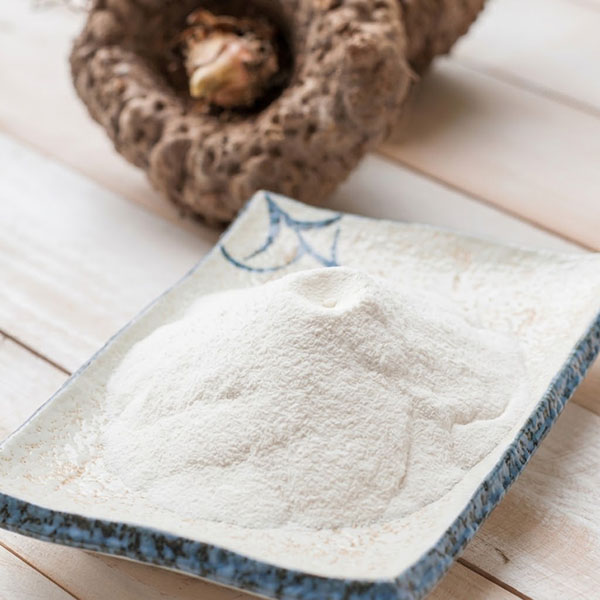
Konjac tuber extract ceramide is rapidly becoming a preferred ingredient for beauty supplement brands that want to stand out in a crowded market. Derived from the tubers of Amorphophallus konjac, this white powder delivers concentrated ceramide activity — supporting skin moisture retention, barrier repair, and antioxidant defense. Available in specifications ranging from 1% to 10%, it holds ISO 9001, Halal, and Kosher certifications. For B2B buyers and product formulators in the U.S. market, this guide breaks down what makes this ingredient worth your attention.
What Is Konjac Tuber Extract Ceramide and Why It Matters to Beauty Supplement Brands
A Naturally Concentrated Ceramide Source
The konjac root has seven to fifteen times more ceramides than most other plant sources. This makes it one of the best places to get ceramides from plants. Lipid molecules called ceramides keep skin cells together, keep the skin from losing water, and protect it from harmful things in the world. When taken from konjac and standardized, these lipids keep their biological activity whether they are applied topically or taken by mouth.
How It Differs From Synthetic Alternatives
Scientists have created synthetic ceramides to look like lipids found in skin, but they may cause allergic reactions and affect how people feel about them. Ceramide from konjac comes from a natural source, is gluten-free, and works with clean-label marketing. These are all very important factors for today's smart supplement user. Plant-based beauty products are becoming more and more popular among consumers.
This is because they contain a lot of sphingoid bases, which help the epidermis make more ceramide. Grand View Research's Clean Beauty market studies from 2022 say that the global clean beauty market will be worth more than $14 billion by 2028. Botanical actives like ceramide derived from konjac can help brands match their product lines with this shift while still providing clinically useful skin benefits.
Why B2B Brands Are Taking Notice
Consumer demand for plant-based beauty products continues to grow. According to the Clean Beauty market reports published by Grand View Research, the global clean beauty market is projected to exceed $14 billion by 2028. Brands that incorporate botanical actives like konjac tuber extract and ceramide can align their product lines with this shift while offering clinically relevant skin benefits.
Top 5 Benefits of Using Konjac Ceramide in Beauty Supplements
Differentiating a product is easy with konjac ceramide because it has a unique set of useful benefits. Your formulation team should know about these main benefits:
- • Deep Skin Hydration: Oral intake of konjac ceramide has been shown to significantly reduce skin dryness and improve moisture levels across the epidermal layers. Studies in Japanese subjects confirmed measurable improvements in skin hydration after regular supplementation.
- • Skin Barrier Reinforcement: By replenishing ceramide levels in the stratum corneum, this ingredient helps repair compromised skin barriers — a benefit especially relevant for consumers dealing with eczema-prone or reactive skin.
- • Anti-Aging Activity: Ceramide depletion accelerates skin aging. Supplementing with plant-derived ceramides supports the structural integrity of the skin, helping to reduce the appearance of fine lines and dryness-related aging signs.
- • Antioxidant Protection: Konjac ceramide carries antioxidant properties that contribute to the physiological function of the cuticular layer, helping protect skin cells from oxidative damage at the cellular level.
- • Formulation Versatility: The extract is water-soluble, highly stable, and compatible with tablets, capsules, gummies, and powdered drink formulas — giving your R&D team significant flexibility without compromising ingredient integrity.
These benefits go beyond how nice they look. They give brands real, scientific claims to back up their product marketing to a wide range of customers.
Konjac Ceramide vs. Other Ceramide Sources: Making the Right Choice for Your Brand
Plant-Based vs. Animal-Derived Ceramides
Traditional sources of ceramide include cow brain tissue and egg yolk, which are both being refused more and more by vegan, halal, and kosher customers. 100% plant-based konjac-derived ceramide is certified Halal and Kosher, so it can be used by a much wider range of people without having to be reformulated.
Konjac vs. Rice and Wheat Ceramides
The most popular plant sources of ceramide are rice and wheat. But konjac tuber extract ceramide has a much higher ceramide concentration per gram of raw material, which means that less of it is needed for each dose. This efficiency gain directly leads to more accurate cost-per-effective-dose calculations for your budget for formulation.
Extract vs. Whole Konjac Powder
Whole konjac powder has glucomannan fiber in it, but the amount of ceramide activity isn't always uniform. The standardized extract comes in concentrations of 1%, 1.5%, 2%, 2.5%, 3%, 5%, and 10% ceramide, which gives formulators precise control over how much of the active ingredient to use. Standardization like this is not a choice for companies making goods with clinical backing; it is expected.
How to Source and Procure Konjac Tuber Extract Ceramide: A B2B Buyer's Guide
Certifications to Prioritize
Quality certificates are the first thing you should look for in a konjac ceramide provider. Make sure that the company meets the basic requirements for ISO 9001, Halal, Kosher, and GMP. In the U.S. and Europe, brands that want to market to people who like clean beauty products can get extra help from suppliers who are certified by the USDA or the EU as organic.
Key Procurement Considerations
Besides certifications, your buying plan should also include these useful things:
- • COA and HPLC Reports: Request a Certificate of Analysis and HPLC test documentation to verify ceramide content and batch consistency.
- • MOQ Flexibility: New product lines benefit from lower minimum order quantities. Confirm the supplier's sampling and trial order policy before committing to larger volumes.
- • OEM and Custom Formulation Support: If you want a finished supplement — capsules, gummies, or powdered blends — ask whether the supplier offers OEM manufacturing with short lead times and low trial batch quantities.
It's just as important to negotiate the best price as it is to find a supplier that can meet your needs for both volume and a steady supply all year.
Supply Chain Reliability
Formulators care a lot about making sure that the amount of konjac tuber extract ceramide in each batch is the same. Before signing a supply deal, make sure you get data that lets you compare batches and find out how much the company can produce each year.
Incorporating Konjac Ceramide in Beauty Supplements: Best Practices and Formulation Tips
Recommended Dosage Range
Clinical studies that have been published on ceramide supplements usually use daily amounts of 30 mg to 200 mg of a ceramide-rich substance. When using a normal 2% konjac ceramide extract, this means that the amount of ceramide that needs to be added is doable for capsule or tablet forms. Always make decisions about dosage based on the concentration you get.
Ingredient Pairing for Improved Efficacy
When you mix konjac ceramide with hyaluronic acid, vitamin C, or omega fatty acids, you get a well-rounded "skin-from-within" formula that people like. Ceramides rebuild the barrier, hyaluronic acid keeps water in the skin, and antioxidants lower the amount of damage caused by free radicals.
Regulatory and Labeling Guidance
When it comes to the U.S., beauty pills are controlled by the FDA as food supplements. Claims about ceramide must stay within the allowed structure/function language. Claims like "supports skin moisture" are usually fine, but therapeutic claims need to be backed up. Always check with a regulatory expert before joining a new market to make sure you're following the rules.
Conclusion
In the market for beauty supplements, konjac tuber extract ceramide stands out as a high-value, plant-derived ingredient that meets both functional and economic needs. It helps keep things moist, fixes barriers, and fights free radicals in a number of stable formulation formats. This ingredient provides a clean, certified, and scientifically sound base for B2B brands that want to stand out in the oral beauty space. Getting a standardized konjac ceramide extract from a certified, honest manufacturer is a good idea whether you are making a new line of capsules or adding to a line of supplements you already have.
FAQ
Q1: Is konjac ceramide safe for daily oral consumption?
Yes, konjac root juice has been used in food for a long time. It has been eaten for hundreds of years in Japan. It is well tolerated in clinical settings and doesn't have any major side effects when taken in the recommended amounts after being extracted and standardized as a ceramide supplement.
Q2: How does plant-based ceramide compare to synthetic ceramide in supplements?
In terms of supporting the skin barrier, ceramide that comes from plants, including types that come from konjac, works the same way as manufactured ceramide. The main difference is how people think about it, how safe it is for people with allergies, and how the label is placed. In all of these areas, plant-based ceramide clearly wins.
Q3: What certifications should I look for when buying konjac ceramide in bulk?
At the very least, give priority to providers who are certified by ISO 9001, Halal, Kosher, and GMP. For placement in the U.S. market, USDA Organic approval adds real value to the brand. Before you place a bulk order, you should always ask for a COA and test reports from a third party.
Q4: Can konjac ceramide be used in gummies and functional beverages?
Yes. It works well in gummies, powdered drinks, capsules, and tablets because it dissolves easily in water and stays stable for a long time. Because it stays stable at different pH levels and processing temperatures, it is one of the best plant ceramide sources for formulas.
Partner With BIOWAY for Premium Konjac Ceramide Supply
BIOWAY INDUSTRIAL GROUP LTD makes approved ceramide from konjac tubers that ranges from 1% to 10%. It follows GMP, ISO 9001, Halal, and Kosher standards. Thanks to our more than 50,000-square-meter facility in Shaanxi, our dedicated makeup extraction line, and our U.S. warehouse stock, we can provide brands with reliable konjac tuber extract ceramide without having to worry about supply gaps. Today, ask for a sample or a quote on a custom formulation. To start your question, go to biowaynutrition.com or email grace@biowaycn.com.
References
1. Imokawa, G. (2009). "Ceramide and Skin Barrier Function." Journal of Dermatological Science, Elsevier.
2. Denda, M., & Inoue, K. (2007). "Oral Ceramide and Skin Hydration in Humans." Archives of Dermatological Research, Springer.
3. Grand View Research. (2022). Clean Beauty Market Size, Share & Trends Analysis Report. Grand View Research.
4. Uchiyama, T., et al. (2008). "Konjac Ceramide Intake and Skin Condition Improvement." Journal of Health Science, Japan.
5. Loden, M. (2003). "Role of Topical Emollients and Moisturizers in the Treatment of Dry Skin Barrier Disorders." American Journal of Clinical Dermatology.
6. Coderch, L., et al. (2003). "Ceramides and Skin Function." American Journal of Clinical Dermatology, Adis International.
Contact Us
Grace HU (Marketing Manager) grace@biowaycn.com
Carl Cheng ( CEO/Boss ) ceo@biowaycn.com
Website: www.biowaynutrition.com
Post time: Oct-14-2026


