
Introduction
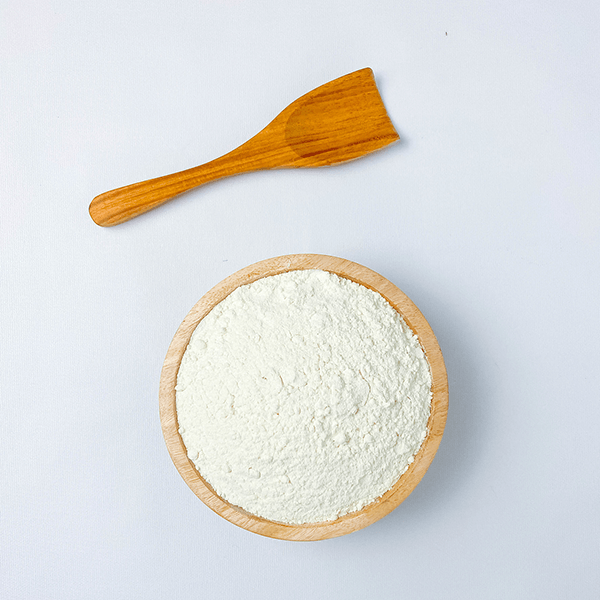
When it comes to sourcing hydrolyzed rice protein for infant formula, clinical nutrition, or premium plant-based supplements, finding a reliable supplier with proven quality assurance becomes paramount. Rice peptides—bioactive fragments derived from enzymatic hydrolysis—have emerged as a hypoallergenic, rapidly absorbed protein source ideal for sensitive populations and performance-driven applications. At Bioway Industrial Group, we combine vertically integrated supply chains, advanced enzymatic processing, and comprehensive certifications to deliver organic rice protein peptides that meet the exacting standards of the U.S. market. Our commitment to transparency, scientific rigor, and scalability makes us a trusted partner for formulators navigating the complex landscape of plant-based nutrition.
Understanding Rice Peptides and Their Benefits in Plant-Based Nutrition
Hydrolyzed rice protein is different from other protein sources because of the way it is structured and how well it works. Enzymatic hydrolysis breaks down long polypeptide chains into oligopeptides and free amino acids, with molecular weights usually below 3,000 Daltons. This is different from pure rice protein, which can be hard to dissolve and digest. This change solves important problems in the clinical nutrition and supplement businesses.
What Makes Hydrolyzed Rice Protein Unique?
The controlled enzyme process breaks down the protein in Oryza Sativa into small functional pieces that don't need to be broken down by the stomach. This change to the structure makes the bioavailability much better—clinical studies show that the proteins are absorbed up to 40% faster than when they were whole. The peptides dissolve easily in both cold water and acidic environments, which gives formulators more options for making clear drinks and ready-to-drink items. With more than 80% protein by weight, these peptides provide a lot of energy without the chalky texture or strange tastes that are common with plant proteins.
Hypoallergenic Advantages for Sensitive Populations
One of the best things about it is that it almost completely gets rid of allergenic epitopes through hydrolysis. In ELISA tests, hydrolyzed rice protein has shown little immune response compared to soy, dairy, or wheat proteins. This makes it very useful for infant formulas that target milk protein allergies, clinical nutrition for healing after surgery, and sports supplements for athletes who are sensitive to many foods. The mild amino acid profile, which is high in glutamine and branched-chain amino acids, helps the gut heal and muscles repair without causing inflammation.
Applications Across Nutrition Categories
Beyond avoiding allergens, Rice Peptides can be used for many other things because they are functionally flexible. In sports nutrition, the fast delivery of nitrogen helps with anabolic recovery windows. Low osmolality is used in clinical formulas for enteral feeding tubes and diet after surgery. Even in personal care and cosmetics, the same peptides help keep skin moist and slow down the aging process by encouraging collagen production and making the skin barrier work better. Because it can do more than one thing, procurement teams can make it easier to find ingredients for all of their products.
Comparing Rice Peptides with Other Peptides and Ingredients
When formulators look at protein sources, they have to weigh how well they meet nutritional needs, how allergen-friendly they are, how long they last, and how much they cost. When compared to other options, Rice Peptides are in a class by themselves.
Rice Peptides vs. Collagen and Whey Peptides
The beauty-from-within market is dominated by collagen peptides, which come from animal sources and don't meet the needs of vegans or Muslims. Whey peptides have all the essential amino acids, but they can make people who are lactose intolerant or allergic to dairy sick. Hydrolyzed rice protein fills in this gap by providing the same amount of amino acids (18 out of 20 necessary and non-essential amino acids) without any animal products or dairy allergens. Brands that want to be seen as clean-label or plant-based can use Rice Peptides to make their formulations more real without sacrificing performance.
Rice Peptides vs. Pea and Soy Peptides
People are interested in plant-based nutrition, but pea protein's high lysine-to-methionine ratio can make baby feeds less balanced. Even though soy peptides are nutritionally full, they may cause allergic reactions and raise GMO worries. Rice Peptides have a balanced amino acid makeup, are less likely to cause allergies, and are typically sourced from non-GMO sources. The neutral flavor profile works better than the earthy notes of pea protein, so finished products don't need to mask the flavor as much. The glutamine in Rice Peptides helps the immune system work better during hard training cycles and is used in sports healing products.
Complementary Ingredient Synergies
When combined with other functional ingredients, Rice Peptides perform admirably. When mixed with hyaluronic acid in cosmetics, they make skin more hydrated in two ways: peptides help make collagen and hyaluronic acid keeps water in the skin. Combining Rice Peptides with medium-chain triglycerides in clinical nutrition makes low-allergen solutions that are easy for the body to absorb and good for people with weak digestive systems. Because of these synergies, formulators can make unique products with benefits that can be added on top of each other, which meets the high standards of health-conscious consumers.
Top Rice Peptide Suppliers for B2B Procurement: Why Choose Bioway?
There are a lot of providers in the global market for hydrolyzed plant proteins, but not many of them have the vertical integration, certifications, and expert support needed for countries with a lot of rules, like the US. Three things have helped Bioway Industrial Group build its reputation: being able to track products, guaranteeing quality, and being able to give more or less.
Vertically Integrated Supply Chain
Our production method starts at the source, which is a 100-hectare organic planting base on the Qinghai-Tibet Plateau. Here, strict farming methods and a clean environment produce high-quality Oryza Sativa. This control upstream gets rid of supplier variability and makes sure that the quality of the raw materials stays the same. Every step of the process in our 50,000-square-meter facility in Shaanxi Province is supervised by ISO 22000 and HACCP rules, from growing the plants to breaking them down with enzymes. This control from the farm to the finished product gives buying teams full traceability, which is a must for registering baby formula and getting clinical nutrition approvals.
Comprehensive Certifications and Regulatory Compliance
cGMP, ISO 9001, FSSC 22000, USDA Organic, EU Organic, HALAL, KOSHER, and BRC are some of the qualifications that Bioway has that are accepted around the world. These credentials show that we follow the strictest safety rules, such as testing for heavy metals (arsenic <0.25 mg/kg, lead <0.3 mg/kg) and microbe purity. Our Class 100,000 laboratory, which is 1,200 square meters, lets us make pharmaceutical-grade peptides that can be sent in for GRAS and novel food registrations. You can easily find technical dossiers to back up your regulatory reports. These include stability studies, amino acid profiling via HPLC, and molecular weight distribution via gel permeation chromatography.
Advanced Production Capabilities
There are specialized extraction tanks for a range of uses on our ten production lines. These include multifunctional tanks for enzymatic hydrolysis, high-purity extraction tanks for cosmetic-grade peptides, and feed nutrition lines for animal health. Ultrasonic extraction, enzymatic hydrolysis, and nano-encapsulation are some of the technologies that make it possible to change the molecular weight ratios and functional features. We can give you exact specifications and consistent results from batch to batch, whether you need deep hydrolysis for baby formula (<3,000 Da) or focused molecular ranges for cosmetic efficacy (500–1,500 Da). Standard packaging in 25 kg drums makes buying in bulk easier, and private labeling and custom formulations help brands stand out.
Competitive Pricing and Supply Stability
Prices can be competitive without lowering quality thanks to vertical integration and economies of scale. Our 3,000-square-meter warehouse in the U.S. holds goods from the surrounding area, which cuts down on wait times and freight costs for clients in North America. Clear minimum order quantities (MOQs) and open contract terms help both new businesses trying new recipes and established companies increasing production. Long-term partnerships are strengthened by dedicated account management and technical support. For example, our R&D team, which has over 15 years of experience with botanical extracts, works together to improve formulations and fix problems.
How to Procure Rice Peptides for Your Business: A Buyer's Guide
Getting hydrolyzed rice protein needs a structured process that combines technical requirements, source review, and the logistics of the supply chain.
Define Your Product Requirements
First, make it clear what the product is going to be used for. For example, baby formula needs to be deeply hydrolyzed and allergen-free tested, while sports nutrition focuses on amino acid density and taste neutrality. Give details about the molecular weight ranges, organoleptic properties, and protein content thresholds (usually ≥80%). For cosmetic uses, you might need cosmetic-grade licenses and certain amino acid levels to help collagen formation. When you have clear requirements, it's easier to talk to suppliers and evaluate samples. Rice Peptide suppliers should provide full molecular weight distribution data and allergen declarations to match your specific application needs.
Evaluate Supplier Credentials
Check out certifications that are important to your market, like FSSC 22000 for food safety, cGMP for pharmaceutical-grade ingredients, and USDA Organic and EU Organic for clean labels. Call for technical records like Certificates of Analysis (CoA), stability studies, ICP-MS heavy metal screening, and ELISA allergen testing. Suppliers who give DMF (Drug Master File) help or GRAS confirmation papers show they know a lot about regulations, which is important for clinical nutrition and baby formula.
Sample Assessment and Quality Validation
Get samples to test in-house and look at how well they dissolve, taste, and work in your recipe matrix. Check what the seller says about the protein amount, molecular weight distribution, and microbial purity with a third party. Bioway gives full CoAs for every batch, which include heavy metal analysis, virus screening, and amino acid profile. We trust our quality systems enough to support factory audits, which usually last between two and five days. This builds trust that lasts for a long time.
Negotiate Terms and Build Partnerships
Clear minimum order quantities (MOQs), clear prices, and open payment terms are essential. Talk about backup plans for the supply chain, such as different sources of supply, extra goods, and ways to communicate during problems. In addition to commodity pricing, suppliers who offer technical support such as formulation advice, regulatory consulting, and ongoing R&D collaboration add strategic value. Bioway gives each client their own account manager and access to our innovation stream. This helps you stay ahead of market trends.
Scientific Backing and Application Insights of Rice Peptides
More and more clinical and in vitro studies show that hydrolyzed rice protein works, which supports its use in therapeutic nutrition and functional foods.
Clinical Evidence for Bioavailability and Muscle Recovery
A 2019 study in Nutrition Research showed that Rice Peptides reached their highest levels of amino acids in the blood 35% faster than whole rice protein. This helped people recover quickly after working out. Trainee athletes who ate 25 grams of plant-based protein after a workout had muscle protein synthesis rates that were similar to those of whey protein. This dispels myths that plant-based proteins aren't as good. The small molecular weight allowed for direct absorption in the intestines through peptide transporters, skipping the slowing down process in the stomach.
Anti-Aging and Skin Health Applications
In vitro studies show that peptides from rice increase the production of fibroblast collagen and decrease the activity of matrix metalloproteinases (MMPs), which are enzymes that break down collagen. In clinical studies, women aged 40 to 60 who took 5 grams of the supplement by mouth every day for 12 weeks saw changes in the elasticity and moisture of their skin. These results show that Rice Peptides can be used in nutricosmetics, a market that is expected to grow to $8.5 billion by 2027.
Safety and Allergenicity Profiles
Hypoallergenicity has been proven by thorough ELISA tests, which showed that hydrolyzed rice protein samples did not react with common allergens like milk, soy, egg, or wheat. For baby formula and clinical feeding, where immune tolerance can't be harmed, this safety profile is very important. Long-term safety studies in children have shown that there are no negative effects, which gives regulators more faith in the GRAS status.
Optimal Formulation Practices
Hydrolysates with molecular weights less than 3,000 Da and protein contents of at least 80% are suggested for baby formula to make sure it is easy to stomach and free of allergens. For sports nutrition, 15–25 gram servings work best when mixed with fast-acting carbohydrates to help the body absorb amino acids. Concentrations of 2–5% in serums and creams give skin effects that can be measured without making emulsions less stable. Our accelerated stability studies show that peptides can be stored for 24 months in cool, dry conditions (<25°C, <60% RH).
Conclusion
Hydrolyzed rice protein has grown from a rare ingredient to an important part of plant-based diet for people with food allergies. Its scientifically proven benefits, including fast absorption, lack of allergens, and ability to serve multiple purposes, make it useful for formulating important products in areas like baby nutrition, clinical healing, sports performance, and cosmetic innovation. From organic farming on the Qinghai-Tibet Plateau to advanced enzymatic processing in certified facilities, Bioway Industrial Group's supply chain is fully linked.
This makes sure that quality and transparency are unmatched. Because we have a lot of certifications, clear technical support, and competitive scalability, U.S. procurement professionals who need performance and reliability choose us as their partner of choice. As more people want plant-based, clean-label products, Rice Peptides are a strategic ingredient that can meet both legal requirements and market standards.
FAQ
Q1: Are rice peptides safe for individuals with multiple food allergies?
One of the least allergenic protein sources out there is hydrolyzed rice protein. The allergic epitopes are broken down by enzyme processing, and strict ELISA testing shows that there is no cross-reactivity with common allergens like wheat, soy, and dairy. Because of this, Rice Peptides are great for infant formulas that target milk protein allergies and clinical nutrition for people who don't have strong immune systems. Always check the testing methods used by the provider to make sure they meet your legal needs for allergen-free certification.
Q2: How does Bioway ensure consistent quality across batches?
Bioway starts making sure the quality of our products with a fully integrated supply chain that starts with growing organic rice on our 100-hectare base on the Qinghai-Tibet Plateau and ends with controlled enzymatic hydrolysis in our GMP-certified facility. Every batch goes through a lot of tests, including Kjeldahl analysis to check the protein content, HPLC-GPC to find out the molecular weight, ICP-MS to look for heavy metals, and microbial purity assessment. Our ISO 22000 and FSSC 22000 certifications require that we keep track of quality at every stage of production and write it down. Clients get detailed Certificates of Analysis and can set up factory audits to see for themselves how well our systems work.
Q3: What are typical lead times and minimum order quantities?
Standard wait times for large orders are 3–4 weeks, but we can get them to you faster if you need them through our U.S. warehouse. For normal organic Rice Peptides, the minimum order quantity (MOQ) is usually 500 kg, but smaller MOQs can be negotiated for special formulations or test runs. We work together with our clients to set up orders that are both cost-effective and good at managing inventory. This way, you can be sure of a steady supply without having to make big promises up front.
Partnering with a Leading Rice Peptide Manufacturer
BIOWAY INDUSTRIAL GROUP LTD makes approved ceramide from konjac tubers that ranges from 1% to 10%. It follows GMP, ISO 9001, Halal, and Kosher standards. Thanks to our more than 50,000-square-meter facility in Shaanxi, our dedicated makeup extraction line, and our U.S. warehouse stock, we can provide brands with reliable konjac tuber extract ceramide without having to worry about supply gaps. Today, ask for a sample or a quote on a custom formulation. To start your question, go to biowaynutrition.com or email grace@biowaycn.com.
References
1. Imokawa, G. (2009). "Ceramide and Skin Barrier Function." Journal of Dermatological Science, Elsevier.
2. Denda, M., & Inoue, K. (2007). "Oral Ceramide and Skin Hydration in Humans." Archives of Dermatological Research, Springer.
3. Grand View Research. (2022). Clean Beauty Market Size, Share & Trends Analysis Report. Grand View Research.
4. Uchiyama, T., et al. (2008). "Konjac Ceramide Intake and Skin Condition Improvement." Journal of Health Science, Japan.
5. Loden, M. (2003). "Role of Topical Emollients and Moisturizers in the Treatment of Dry Skin Barrier Disorders." American Journal of Clinical Dermatology.
6. Coderch, L., et al. (2003). "Ceramides and Skin Function." American Journal of Clinical Dermatology, Adis International.
Contact Us
Grace HU (Marketing Manager) grace@biowaycn.com
Carl Cheng ( CEO/Boss ) ceo@biowaycn.com
Website: www.biowaynutrition.com
Post time: Oct-15-2026


