
Introduction
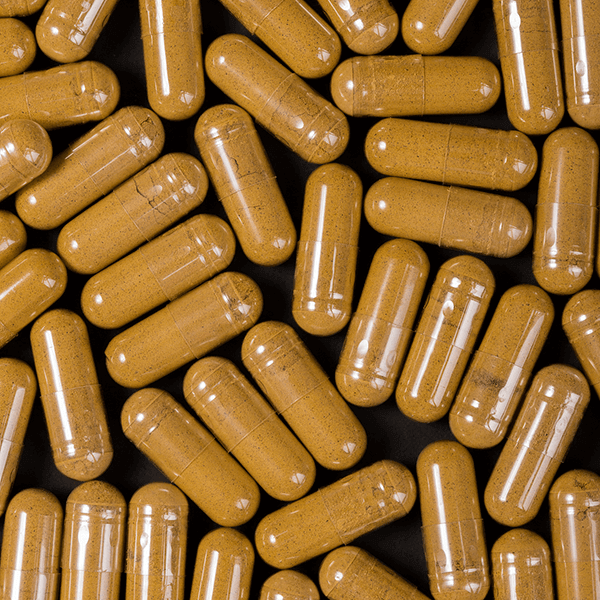
Silkworm pupa peptide powder is a bioactive ingredient derived from the enzymatic hydrolysis of Bombyx mori pupae proteins. With a protein content of approximately 78% on a dry basis and a 99% specification verified by HPLC, this food-grade ingredient delivers small-molecule active peptides with exceptional bioavailability. Its rich amino acid profile—including lysine, arginine, and glutamic acid—along with B-complex vitamins and minerals, positions it as a high-performance raw material for dietary supplements, sports nutrition, functional foods, and cosmetic formulations.
Understanding Silkworm Pupa Peptide Powder: Composition and Nutritional Value
What Makes It Bioactive?
The molecules in this ingredient are linked in a way that makes it unique. Enzymes in a silkworm pupa break down the proteins into short-chain peptides that are mostly less than 1,000 Daltons heavy. Because its molecular weight is tiny, it moves through the gut wall more quickly. In other words, it doesn't go through the slow processing process that whole proteins do. This gives the body a nitrogen source that works better and faster. You can eat it and put it on your face.
Amino Acid and Micronutrient Density
The element has all nine amino acids that your body needs. Branch-chain amino acids (BCAAs) like valine, leucine, and isoleucine are found in good amounts. To build muscle protein, you need these acids. Besides these, vitamins B1, B2, and B6 and minerals like calcium, iron, and magnesium all help the body do normal things. Because it is high in nutrients, it is a good choice for formulators who want a protein that can do more than one thing.
Physical and Safety Profile
The silkworm pupa peptide powder is a white to yellowish-brown powder with a bulk density of 0.37 g/ml and no particles that can be seen from the outside. The people in charge of quality control follow the rules for HPLC testing. Heavy metals and bacteria are safe because of ISO22000 and HACCP rules. There is a lot less formulation risk for business-to-business buyers who need to get ingredients for controlled markets when these things are looked at.
Top Nutritional and Health Benefits of Silkworm Pupa Peptide Powder
When you add this, it does more than one thing. It helps people with a lot of different health issues because its bioactive peptides can work with many different biological processes.
Muscle Repair and Sports Recovery
It has been shown that hydrolysates high in BCAAs can help build muscle after working out. They get into the blood faster than whole proteins because they have already been broken down into a form with a low molecular weight. Because of this, they work great in ready-to-drink (RTD) sports drinks and recovery mixes that need to do this quickly.
Antioxidant and Anti-Inflammatory Activity
Scientists found that DPPH and ABTS are very good at getting rid of free radicals in silkworm pupa hydrolysates. This part is in both mouthwashes and face serums that fight aging because it helps keep skin cells safe from damage from the outside world. The immune system and organs heal even faster with the help of parts of the peptide that fight inflammation.
Skin Regeneration and Anti-Aging Support
Fibroblast cell cultures used in lab tests have shown that the peptide parts of this silkworm pupa peptide powder ingredient speed up the steps needed to make collagen. Because you can eat it and put it on your skin at the same time, it makes for an interesting product story for people who make nutricosmetics or topical goods that aim to make skin more elastic, keep moisture in, and look less aged.
Practical Uses of Silkworm Pupa Peptide Powder in Nutrition and Industry
It doesn't change much from pH 3.0 to 8.0, and it can stand up to 120°C without drying out too quickly. It can be used to make many things. Business people buy this ingredient these days to use it in the ways below:
- • Dietary supplements (capsules and tablets): The powder encapsulates cleanly and maintains potency under standard tablet compression conditions. Brands targeting immune support, gut health, or anti-aging position this ingredient as a "next-generation peptide" alternative to collagen supplements.
- • Sports nutrition (RTD beverages and protein powders): Its 100% aqueous solubility at 20°C and acid stability prevent the phase separation and precipitation that commonly disqualify whey isolates in clear, low-pH beverages. This makes it a technically superior option for acidic electrolyte and protein drinks.
- • Functional foods and beverages: Bakers, cereal producers, and functional snack brands add it to fortify protein content without significantly altering texture or flavor profile, given its characteristic but mild odor.
- • Skincare and haircare formulations: When incorporated into serums, masks, and creams at appropriate concentrations, its low molecular weight supports transdermal absorption. Brands targeting the "bioactive ingredient" positioning in DTC skincare find it differentiating against saturated collagen and hyaluronic acid markets.
Comparing Silkworm Pupa Peptide Powder with Other Peptide and Protein Sources
It is a smart business move to find the best peptide source. Some people also choose these other ingredients:
Versus Collagen Peptides
Many people use collagen peptides, but they don't have enough of the amino acids that your body needs. For example, they don't have enough serotonin or BCAAs. Peptides from silkworm pupae have more types of important amino acids than collagen. It has also been shown that peptides protect. People who make medicines need to know this difference if they want to have more effects on live things.
Versus Whey Protein
People who work in sports nutrition still like whey protein extract and concentrate the most. They need to be marked as dairy allergens, though, because they don't work well in acidic drinks. Silkworm egg peptides don't contain any cheese, can be used right away, and are safe in acidic environments. When used in clear drinking forms, they work really well.
Versus Other Insect-Derived Peptides
More and more people are talking about cricket protein and mealworm hydrolysates. There are, however, more studies that show that silkworm pupa peptides work because they have been used in traditional East Asian functional foods for a longer time and in more studies. With this much research, the plan is less likely to fail for people who need proof that what it says is true.
How to Procure High-Quality Silkworm Pupa Peptide Powder for Your Business
Verify Specifications Before Ordering
A certificate of analysis (COA) should say how much protein is there (≥78% dry base), how the molecular weight is spread out (mostly below 1,000 Daltons via HPLC), how many germs are there, and how much heavy metal is there. For sellers who can't get these papers quickly, there is a risk in the supply line.
Start Small, Then Scale
For as little as 1 kg, an honest company that makes silkworm pupa peptide powder will let you get samples. Scientists can get small amounts of it and test how well it dissolves, how well it works with different pH levels, and how well it affects the senses before they use large amounts. From a 1 kg sample to large amounts used in business, the data should have been checked to make sure it is stable and works with other things.
Assess Certifications and Compliance
If you want to sell to people in the EU and the US, you should work with suppliers who are ISO22000, HACCP, cGMP, and HALAL/KOSHER certified. In some governing systems, ingredients that come from silkworms need to be identified so that people who are allergic to shellfish can avoid them. This makes keeping records on allergy control even more important.
Conclusion
When it comes to useful ingredients, Silkworm pupa peptide powder is unique. This is for supplement, sports nutrition, and skin care brands that want to use unique ingredients to make their goods stand out. There are a lot of different amino acids and proteins in it, and it can work with a lot of different file types. Because the MOQ is low, it is certified as food-grade, and its purity has been checked by HPLC, the bar is lowered for brands at any stage of development, from early formulation to store launch.
FAQ
Q1: What is the recommended dosage of silkworm pupa peptide powder in supplements?
There are different health claims for different supplements, but a serving size is usually between 1 and 5 grams. Things that help with sports recovery tend to have high concentrations, while things that help the face tend to have low daily doses. In each market, there are rules about how much to use, so make sure you always follow them.
Q2: Does silkworm pupa peptide powder contain allergens?
Yes. Because it is made of the same protein family as shellfish or dust mites, this insect-based allergen could make you sick. When buying things for work, people should ask to see allergy control paperwork and make sure the finished goods have the right labels.
Q3: How does it compare in cost to whey or collagen peptides?
Buying whey or collagen in small amounts costs more per kilogram than buying a lot of it. Some brands pay more for their products because they want to be seen as high-end. This is because the products have a story, work well, and are technically different. When you're a business, you can save a lot of money.
Q4: Is the ingredient stable in acidic beverage formulations?
Yes. They can handle temperatures up to 120°C and don't change when the pH level goes from 3.0 to 8.0, so they can be used in clear, acidic RTD drinks. With this, they are much better than protein sources that come from dairy.
Partner with BIOWAY for Your Silkworm Pupa Peptide Powder Supply
The BIOWAY INDUSTRIAL GROUP LTD makes things from proteins and plants. It has a production center in Shaanxi Province that is more than 50,000 square meters and is ISO22000, HACCP, cGMP, and HALAL approved. We will give you silkworm pupa peptide powder, so you can trust us. We offer samples of 1 kg, specs that have been checked by HPLC, and full technical support from the beginning of research and development to the launch of a product. Reach out to our team at grace@biowaycn.com to get your sample and learn more about our products.
References
1. Rumpold, B. A., & Schlüter, O. K. (2013). Nutritional composition and safety aspects of edible insects. Molecular Nutrition & Food Research.
2. Cho, S. Y., & Kim, Y. J. (2011). Antioxidant activity of peptides derived from silkworm pupa protein hydrolysates. Food Science and Biotechnology.
3. Wu, Q., Jia, J., Yan, H., Du, J., & Gui, Z. (2015). A novel angiotensin-I converting enzyme (ACE) inhibitory peptide from alcalase hydrolysate of silkworm pupa protein. Food Chemistry.
4. Mao, X., & Hua, Y. (2012). Composition, structure and functional properties of protein concentrates and isolates from several legumes and insects. International Journal of Molecular Sciences.
5. Van Huis, A. (2013). Potential of insects as food and feed in assuring food security. Annual Review of Entomology.
6. Zielińska, E., Baraniak, B., & Karaś, M. (2017). Antioxidant and anti-inflammatory activities of hydrolysates and peptide fractions obtained by enzymatic hydrolysis of selected heat-treated edible insects. Nutrients.
Contact Us
Grace HU (Marketing Manager) grace@biowaycn.com
Carl Cheng ( CEO/Boss ) ceo@biowaycn.com
Website: www.biowaynutrition.com
Post time: Nov-26-2026


