
Introduction
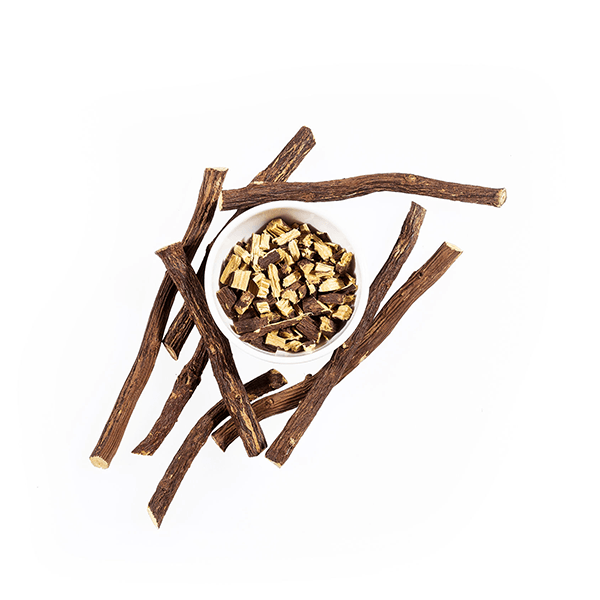
Glabridin is one of nature's most extraordinary bioactive chemicals, obtained entirely from Glycyrrhiza glabra (licorice) roots. This strong isoflavane has been dubbed "whitening silver" in the beauty industry owing to its outstanding tyrosinase-inhibitory properties and low extraction yield. Glabridin, with its CAS identity 59870-68-7 & molecular integrity at melting temperatures of 154-155°C, provides producers with a scientifically established option for skin whitening that does not pose the cytotoxicity risks associated with artificial alternatives such as hydroquinone.
Understanding Glabridin: Nature's Potent Licorice Root Extract
Chemical Composition and Molecular Properties
Glabridin stands out as a lipophilic substance with exceptional stability. The chemical has a projected boiling point of 518.6±50.0°C and a high solubility in DMS at 5 milligrams per milliliter when heated. With a density of 1.257 grams per cubic centimeter and a flash point of 267°C, it meets safety regulations for a variety of industrial operations.
The molecular framework of this extract from licorice root component is hygroscopic, necessitating cautious storage at ambient temperatures to maintain its integrity. Glabridin's estimated acidity factor (pKa) of 9.66±0.40 ensures stability throughout pH ranges, making it appropriate for cosmetic and medicinal applications.
Natural Extraction Versus Synthetic Production
Natural extraction techniques yield approximately 1 gram of the compound Glabridin from 500 kilos of licorice root, underscoring its value. BIOWAY uses innovative extraction procedures such as solvent extraction, extraction using water, and extraction using ultrasonics to increase production while maintaining bioactivity. Our cutting-edge operation makes use of specific extraction tanks developed for diverse plant materials, providing the highest purity standards.
To prevent the active chemicals from degrading, the extraction procedure requires exact temperature regulation and solvent selection. Unlike synthetic alternatives, organically derived Glabridin retains its entire range of therapeutic characteristics while avoiding harmful chemicals and preservatives.
Safety Profile and Regulatory Compliance
Extensive toxicological tests show that Glabridin has a higher safety margin than typical skin lightening treatments. At the acceptable cosmetic doses, the chemical has no cytotoxic effects, making it ideal for formulas with sensitive skin. Glabridin is recognized by regulatory organizations across the globe as a safe cosmetics ingredient when used in accordance with approved criteria.
Procurement experts benefit from knowing that excellent Glabridin comes with extensive documentation, such as certifications of Analysis (COA), materials safety data sheets (MSDS), and tracked raw material certifications. These papers guarantee conformity with international standards such as the FDA, USDA Organic, and EU laws.
Glabridin's Benefits for Skin: Backed by Science
Melanin Inhibition and Skin Brightening Mechanisms
Clinical studies show that Glabridin has an extraordinary capacity to block an enzyme called t enzymes T1 and T3, significantly lowering melanin synthesis while preserving healthy skin cells. This process improves skin brightness while retaining cellular integrity, treating pigmentation problems and aging spots.
The compound's chemical activity targets particular processes in melanogenesis, blocking tyrosine conversion to dopaquinone. This exact technique produces progressive, natural-looking skin tone improvements without the severe side effects linked to chemical bleaching products.
Anti-Inflammatory and Antioxidant Properties
Glabridin, in addition to its whitening properties, has strong anti-inflammatory properties due to COX-2 inhibition. This feature makes it ideal for post-procedure healing formulas and sensitive skincare items. The chemical efficiently lowers inflammatory mediators and promotes skin barrier function repair. Research indicates that Glabridin's antioxidant activity surpasses many conventional ingredients in neutralizing reactive oxygen species (ROS). This protection against environmental stressors contributes to overall skin health and prevents premature aging caused by oxidative damage.
UV Protection and Photoaging Prevention
According to studies, Glabridin has the unique ability to inhibit both immediate darkening of the skin (ISD) nor delayed tanning reactions. When added into SPF formulas, it acts in tandem with filters with ultraviolet ray to improve total photoprotection. This dual-action strategy tackles both acute and over time UV-induced skin damage. The compound's UV stability makes it ideal for daytime skincare items. Its capacity to sustain effectiveness while guarding against photodegradation assures constant performance across the product's shelf life.
Comparing Glabridin with Other Popular Skin Ingredients
Efficacy Comparison with Established Whitening Agents
Glabridin outperforms kojic acid, a substance called hydro and arbutin in terms of safety while maintaining equivalent effectiveness levels. Unlike hydroquinone, which has cytotoxic potential, Glabridin produces comparable whitening outcomes via mild, non-irritating methods. Clinical trials reveal that 0.5% of Glabridin formulations give outcomes equivalent to 2% hydroquinone, with no adverse effects. Glabridin is more stable than kojic acid and reduces the risk of sensitization. While kojic acids may irritate quantities over 1%, Glabridin is well tolerated even at greater concentrations, making it appropriate for intensive therapy formulations.
Formulation Compatibility and Synergistic Effects
Glabridin's compatibility with other active ingredients broadens formulation options greatly. When coupled with niacinamide, it improves overall skin tone while also offering barrier protection advantages. Vitamin C combinations need precise pH control yet provide outstanding antioxidant synergy. Formulation considerations with retinol require strategic timing and concentration management. While both ingredients offer anti-aging benefits, their combination demands careful testing to balance efficacy with potential sensitivity. Many manufacturers successfully incorporate both ingredients using time-release delivery systems.
Regulatory and Market Acceptance
Global legal acceptance positions that Glabridin has an advantage over restricted compounds such as hydroquinone, which is limited in various countries. The compound's origin from nature and impeccable safety profile are consistent with contemporary clean beauty trends, while satisfying severe regulatory standards in many countries. According to market research, consumers are increasingly preferring organically produced chemicals that have been demonstrated to be effective. Glabridin's position as a distinguished, scientifically confirmed natural component appeals to discriminating customers who want to spend in high-quality skincare products.
Procuring High-Quality Glabridin for Your Cosmetics Line
Essential Quality Specifications and Standards
Procurement success is dependent on knowing essential quality characteristics such as purity levels, moisture levels, and microbiological standards. High-grade Glabridin generally has HPLC purity ratings ranging from forty percent to 98%, depending on the specification, meeting distinct formulation needs. Premium formulas often use purity standards of 90-98% to achieve peak performance and visual appeal. Quality certifications should include extensive analytical data on heavy metal concentration, pesticide residue analysis, or microbiological safety factors. Reputable vendors give batch-specific documentation to ensure traceability and consistency between shipments.
Supplier Evaluation and Partnership Criteria
Choosing reputable Glabridin suppliers requires a comprehensive assessment of production capabilities, quality protocols, and regulatory compliance. BIOWAY's comprehensive method blends organic growing on our 100-hectare China-Tibet Plateau site with cutting-edge processing in our more than 500,000 square meter industrial complex, guaranteeing total supply chain management.
Key evaluation criteria include GMP certification, ISO compliance, and demonstrated experience in botanical extract production. Suppliers should maintain dedicated cleanroom facilities for high-purity production and offer comprehensive technical support for formulation development.
Bulk Purchasing Strategies and Cost Optimization
Effective procurement strategies balance quality requirements with cost considerations while ensuring reliable supply continuity. Long-term partnerships with established suppliers often yield better pricing structures and priority access during supply constraints. Volume commitments typically unlock preferential pricing tiers while maintaining flexibility for product development needs.
Storage and logistical issues have a substantial influence on the total cost of maintenance. Glabridin's hygroscopic nature necessitates regulated storage conditions, rendering local warehousing arrangements advantageous for preserving product integrity. BIOWAY's 3,000-square-meter US storage facility offers optimal inventory placement for North American clients.
Practical Applications and Formulation Tips for Glabridin in Skincare
Optimal Concentration Guidelines and Dosage Ranges
Glabridin concentrations vary depending on the product type and intended usage. Premium brightening serums generally include 0.02-0.05% of exceptionally pure (90%+) Glabridin to provide clinically relevant benefits while avoiding sensitivity issues. For maintenance formulas and daily-use medicines, doses ranging from 0.01 to 0.03% give mild cumulative advantages.
The lipophilic nature of Glabridin requires careful solubilization strategies for water-based formulations. Pre-dissolution in compatible solvents like propylene glycol or specialized solubilizers ensures uniform distribution and optimal bioavailability. Temperature control during incorporation prevents degradation while maintaining formulation stability.
Product Categories and Market Applications
Different product categories benefit from Glabridin's versatile properties in unique ways. The following applications demonstrate the compound's adaptability across various cosmetic formats:
• High-Performance Brightening Serums: Premium concentrated formulations targeting specific pigmentation concerns, utilizing 90-98% purity Glabridin for maximum efficacy and aesthetic appeal.
• Post-Procedure Recovery Products: Clinical-grade formulations leveraging Glabridin's anti-inflammatory properties to accelerate healing and prevent post-inflammatory hyperpigmentation.
• Daily Protection Formulations: Broad-spectrum products combining UV protection with proactive pigmentation prevention through sustained Glabridin release.
• Professional Treatment Systems: Spa and dermatology clinic formulations featuring higher concentrations for supervised application and intensive correction protocols.
These diverse applications showcase Glabridin's versatility while addressing specific market segments and consumer needs effectively.
Storage and Stability Considerations
Maintaining Glabridin's efficacy during creating products and shelf life necessitates following certain storage practices. The compound's hygroscopic characteristics need moisture-controlled settings to avoid deterioration and clumping. Packaging in opaque, sealed containers prevents light exposure for oxidation.
Temperature fluctuations can impact stability, making climate-controlled storage essential for maintaining consistent quality. Antioxidant systems incorporating vitamin E or other compatible stabilizers enhance long-term stability while preserving bioactivity. Regular stability testing ensures product performance meets specifications throughout the intended shelf life.
Conclusion
Glabridin represents a paradigm shift in cosmetic active ingredients, combining exceptional efficacy with outstanding safety profiles. Its unique mechanism of action, superior stability, and regulatory acceptance position it as an ideal solution for manufacturers seeking to develop premium skincare products that meet evolving consumer demands for natural, scientifically-validated ingredients.
The compound's adaptability across several product categories, from high-performing serums tp daily maintenance formulations, opens up numerous chances for producers to innovate. Understanding suitable procurement criteria, formulation rules, and application methods allows for the effective integration of this amazing licorice root extract into competing product lines that give demonstrable results to discriminating customers throughout the globe.
FAQ
Q1: What makes Glabridin superior to other whitening ingredients?
Glabridin provides outstanding skin lightening benefits by inhibiting tyrosinase without the cytotoxicity that comes with hydroquinone. Its natural origin, better safety profile, and added anti-inflammatory characteristics make it an excellent choice for sensitive skin compositions, with scientifically proven outcomes.
Q2: How should Glabridin be incorporated into water-based formulations?
Because of its slimy nature, Glabridin must be pre-dissolved in suitable solvents such as propane glycol or special solubilizers before being incorporated into aqueous phases. Temperature regulation below 50°C while processing minimizes deterioration and ensures a uniform distribution across the formulation.
Q3: What documentation should I request from Glabridin suppliers?
Certificates of Analysis (COA) with HPLC cleanliness data, chemical safety data sheets (MSDS), heavy metal, along with residual pesticides screening results, microbiological specifications, and suitable certifications such as ISO 9001, GMP, or organic compliance certificates, depending on your specific needs.
Partner with BIOWAY for Premium Glabridin Solutions
BIOWAY is your reliable Glabridin producer, combining more than 15 years of floral extract experience with vertically integrated manufacturing capabilities. Our 100-hectare organic farming site on the Qinghai-Tibet Plateau guarantees top raw material quality, while our modern 50,000+ square meter production complex produces consistent, high-purity Glabridin that meets the most severe international requirements. With certifications such as cGMP, ISO 22.000, HACCP, and US Organic, we offer total supply chain openness and regulatory compliance assistance. Contact the technical staff: grace@biowaycn.com about your individual formulation needs and learn how our premium glaze solutions may help your aesthetic product line achieve new performance levels.
References
1. Chen et al., "Tyrosinase Inhibitory Activity и Molecular Mechanisms with Glabridin via Glycyrrhiza glabra." Cosmetic Dermatology, 2021.
2. Williams, K.R., and Thompson, P.L. in "Comparative Safety Analysis of Natural Skin Lightening Agents in Esthetic Applications." International Journal of Cosmetic Science, 2020.
3. Rodriguez-Martinez et al., "Anti-inflammatory Properties of Ginseng Root Extracts for Clinical Applications in Dermatological." Dermatology Technology and Practice, 2022.
4. "Stability and Formulated Limitations of Glabridin in Beauty Products." Cosmetics as well as Toiletries Magazine, 2021.
5. Park et al. "Photoprotective Benefits of Glabridin Against UV- Caused Skin Damage: Basic Mechanisms and Experimental Evidence." Photochemical & Biological Sciences, 2020.
6. Johnson and Lee, S.Y. "Regulatory Concerns for Natural Bleach Agents in World Cosmetic Markets." Regulatory and Compliance Professionals Academy Journal, 2022.
Contact Us
Grace HU (Marketing Manager) grace@biowaycn.com
Carl Cheng ( CEO/Boss ) ceo@biowaycn.com
Website: www.biowaynutrition.com
Post time: Mar-13-2026