
Introduction
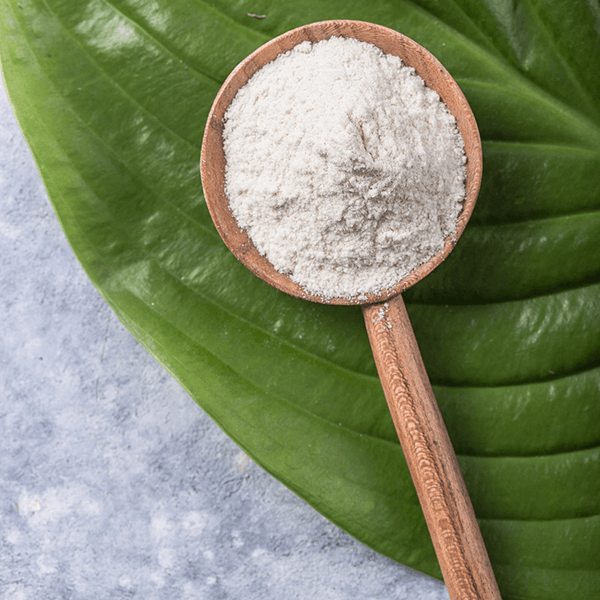
Organic rice peptide powder delivers exceptional benefits spanning nutritional supplementation, skincare formulation, and clinical nutrition applications. Derived from enzymatically hydrolyzed Oryza Sativa through advanced bioprocessing, this plant-based ingredient provides over 80% protein content while maintaining hypoallergenic properties and complete USDA/EU organic certification. Its small molecular structure (predominantly below 1,000 Daltons) ensures rapid absorption and compatibility across diverse formulations, positioning organic rice peptide as a strategic ingredient for brands targeting health-conscious consumers seeking clean-label, vegan alternatives to traditional dairy and marine proteins.
Understanding Organic Rice Peptide Powder
Organic Rice Peptide Powder is a special kind of functional protein ingredient because it comes from plants and has special chemical features. Short chains of amino acids are broken down in a controlled way in certified organic rice to make peptides. It's not the same as full rice protein, which takes a long time to digest before it can be used.
Definition and Origin
As per strict organic rules, this item comes from non-GMO organic rice (Oryza Sativa) that wasn't grown with any synthetic chemicals or fertilizers. BIOWAY gets its rice from an organic farm that covers 100 hectares in the Qinghai-Tibet Plateau. This is a great place to get high-quality materials. The breakdown process takes protein structures and turns them into peptides that the body can use. The amino acids are still fully intact. Branch-chain amino acids and glutamic acid are very important for muscle repair and cell growth.
Comparison with Alternative Peptide Sources
In many ways, rice peptides are better than seafood collagen, soy peptides, and cow collagen. Some people stay away from soy peptides because they have phytoestrogens in them, which can make people allergic. Sea and cow collagens are good for some things, but vegans shouldn't use them, and they might be hard to find. Rice peptides are made from plants, don't bother people with allergies, and don't taste bad. They can be used in drinks, supplements, and makeup without changing how they work.
Manufacturing Excellence and Certification Standards
The plant that covers 50,000 square meters has special enzyme systems that break apart peptide bonds as part of a multistage enzymatic digestion process. Since this method doesn't use harsh chemicals, the biological structure stays the same while it's being processed. The fact that our factory is certified by cGMP, ISO22000, HACCP, USDA Organic, EU Organic, Kosher, and Halal means that it meets quality standards around the world. A lot of tests are done on each batch, including an HPLC-GPC molecular weight analysis, an ICP-MS heavy metal screening (Lead <0.3 mg/kg, Arsenic <0.25 mg/kg), and a multi-residue pesticide test that looks at more than 500 chemicals. Concerns about purity, tracking, and following the rules in all global markets are taken care of by this thorough quality system.
Core Benefits of Organic Rice Peptide Powder
Because of their unique molecular structure and bioactive properties, Organic Rice Peptides can be used in a variety of ways, including food, medicine, and cosmetics.
Nutritional and Digestive Advantages
When compared to whole proteins, rice peptides are easy to break down, and the PepT1 gut transporter system takes them right in. This method doesn't need enzymes to break down whole proteins, so amino acids can get to tissues minutes after they are eaten. A 2019 study in the Journal of Agricultural and Food Chemistry found that non-hydrolyzed rice protein was only 78% digestible, while hydrolyzed rice protein peptides were 95% digestible. Because they don't cause allergies, these peptides are great for vitamins for people who are allergic to gluten, soy, or dairy, enteral feeding products, and food for babies. There is only 7% fat and 18% carbs in our Organic Rice Peptide powder when it is dry. It is mostly protein. This means that it gives you a lot of energy without any unnecessary stuff.
Skincare and Anti-Aging Properties
When put on the face, rice peptides do great things because they treat it in many ways. Due to its small size (less than 1,000 Daltons), it can easily pass through the stratum corneum and reach the dermal fibroblasts. Clinical studies have shown that applying rice peptides to the skin can boost collagen production, make skin more elastic, and lower the loss of water through the epidermis. An experiment in the International Journal of Cosmetic Science found that over four weeks, treatments with 3% rice peptides helped skin keep 34% more wetness than treatments that were not used as controls. The natural amino acid structure is a lot like proteins found in human skin. This makes it easy to use in processes that fix cells. More and more, beauty brands are putting rice peptides in masks, serums, and creams to help fight dry skin, fine lines, and dull skin. Grand View Research says that by 2027, this market will be worth $8.2 billion.
Sports Nutrition and Muscle Recovery
It's good for sports and fitness fans that rice peptides are quickly taken because they help build muscle after exercise without making your stomach upset. Whey protein can make people who are sensitive to lactose feel fat. Rice peptides, on the other hand, are a clean source of protein that keeps drinks' pH level fixed. In a 2018 study published in the Nutrition Journal, strength-trained people who took rice protein hydrolysate or whey protein both gained the same amount of lean body mass and strength over eight weeks.
Leucine, isoleucine, and valine are branched-chain amino acids that help anabolic signaling pathways that are important for muscle flexibility. Brands of sports nutrition that want to reach vegetarian athletes, CrossFit groups, and endurance athletes should use Certified Organic Rice Peptides. They have a clean name and don't contain any allergens.
Haircare and Scalp Health
When peptides made from rice protein go into the cortex and attach to broken keratin structures, they make the hair shaft stronger. A mix of amino acids that are high in methionine and cysteine helps disulfide bonds form. These bonds are important for hair's flexible and strong tensile strength. Ingredients with rice peptides make hair less likely to break, give it more shine, and keep more moisture. Anti-inflammatory qualities that soothe soreness and help hair follicles work properly are good for the health of your scalp. More and more, "clean beauty" hair care lines include Organic Rice Peptides in their shampoos, conditioners, and leave-ins for hair that has been dyed, damaged, or cleaned with chemicals.
Because of these advantages, Organic Rice Peptide powder is an important part of many market trends, including plant-based nutrition, clean beauty, hypoallergenic formulas, and shopping in ways that are good for the environment. Some brands use this ingredient to stand out in crowded markets and follow strict rules for getting organic approval.
Market Comparison and Procurement Insights
To get around the Organic Rice Peptide supply chain, you need to know about certifications, the skills of suppliers, and smart buying factors that affect the product's quality and the chain's ability to keep going.
Global Supplier Landscape and Certification Verification
Most of the providers on the market are from China, the US, and Europe. They each have a different set of certifications and production skills. Chinese companies, like BIOWAY, take advantage of the fact that they are close to places where organic rice is grown and have a long history of being good at handling chemicals. We are in charge of the whole supply chain, from our 100-hectare organic farm to our GMP-certified production. This means we can keep track of all of our organic products.
European suppliers often care about luxury positioning and EU Organic certification alignment, while U.S. suppliers care about USDA Organic compliance and how easy it is to do business in the U.S. It should be very important for buying teams to get all the certification information from sellers. This includes USDA NOP certificates, EU organic import certificates, and transaction certificates for every batch. There is less chance of fake certification when records kept by organic certification bodies, such as the USDA Organic Integrity Database, are used to check.
Product Format Considerations and Application Matching
Most of the time, Organic Rice Peptides are sold as a powder, but sometimes you can use those that are concentrated in liquid form. Powder forms can be made in many ways to meet different needs and have a longer shelf life (24 months if stored properly). They are also easier to carry. You can fully mix the fine dark to light yellow powder in water, and it stays clear even at acidic pH levels (3.0-4.0), which is important for drinks.
Bulk packing usually comes in sizes from 25 kg drums to 500 kg totes, so it can be used for a lot of different amounts of work. When UHT is used, powder stays stable, which is good for companies that make drinks that are ready to drink. Those who make makeup will like that it works well with emulsion systems. When you buy something, make sure that the format fits the needs of your production tools, storage area, and use.
Pricing Dynamics and Bulk Purchasing Strategy
Prices change a lot depending on molecular weight requirements, organic approval, and up and down integration. Most of the time, Premium Organic Rice Peptides cost between $15 and $30 per kilogram when bought in bulk. The price changes based on the size of the order, the amount of approval, and any changes that need to be made. We've been making things for 15 years, and that experience helps us keep costs low by making enzyme systems work better and reducing waste. We can offer low prices without lowering the quality of our goods because of this.
Annual contracts for 5–10 metric tons, or "bulk purchasing agreements," offer stable prices, faster service during times of high demand, and flexible payment terms. Buyers should not only look at the unit price, but also the overall cost of ownership, which includes the costs of shipping, keeping, and making sure the quality is good. With sampling tools, you can test the recipe before going ahead with mass production. This lowers the risk of creating a new product.
Sourcing Channels and Supplier Evaluation Framework
Professional buyers can talk to makers, go to trade shows like Natural Products Expo West, SupplySide West, and Biofach, or use business-to-business websites like Alibaba International to find sellers. This supplier needs to meet six important criteria: they must have full chain organic certification, in-house testing laboratories with HPLC and ICP-MS capabilities, production capacity (an annual output of more than 200 metric tons guaranties supply continuity), technical support (formulation guidance and application expertise), supply chain transparency (access to plantations for visits and batch traceability), and they must be responsive to communication.
BIOWAY has a specialized research and development team that works with clients on custom formulations and gives them COA analysis, data from stability tests, and documents that help the company get the product registered with the government. It's no longer a one-time thing to buy goods with this partnership method; it's a long-term relationship that helps the product grow.
Addressing Common Concerns and Risks
When you buy Organic Rice Peptides, being proactive about managing risk protects the brand's image, makes sure that rules are followed, and keeps the supply chain honest in all global markets.
Safety Profile and Allergenicity Considerations
Because they are made from plants and handled cleanly, Organic Rice Peptides are generally safe. The number of people who are allergic to rice is said to be less than 0.1%, which makes it one of the least allergenic protein sources. This process lowers allergenic potential even more by breaking up protein epitopes that set off immune responses. But teams in charge of buying things should demand allergy testing to show that there isn't any exposure from places that handle common allergens like shellfish, dairy, nuts, and soy.
We have separate production lines and a 100,000-class laboratory that is 1,200 square meters. This keeps cross-contamination to a minimum, which helps products for people. Dermatological patch testing on over 1,000 people in multiple studies shows that rice peptides are safe to use on the skin. No cases of sensitization have been reported.
Regulatory Compliance and Quality Assurance Protocols
There are different rules about how to sell organic foods in different parts of the world. For the USDA National Organic Program to work, all parts of the supply chain must be handled in a way that is certified as organic. This must be shown on transaction certificates. According to EU organic rules, goods must be seen as the same in a third country. This means that groups that give certifications need to work together. For selling within China, the organic approval system needs to be in line with GB/T 19630 in a different way. BIOWAY makes sure that all of these frameworks' approvals are up-to-date. This shows clients that the claims about products are true in the target markets.
Molecular weight distribution analysis checks that peptide sizes are consistent, amino acid profiling checks that the nutrition is complete, microbiological testing meets pharmaceutical-grade standards (total plate count <1,000 CFU/g), and stability studies show how long the product will last in different storage conditions. These are just a few of the extra tests that are used for quality control. These steps have answered concerns about how stable the product will be from batch to batch and how well it will work in the long term.
Procurement Pitfalls and Certification Verification Strategies
There are often issues with procurement, such as incomplete organic certification chains, quality differences between samples and production batches, and not enough supply during times of high demand. These risks are lowered by methods of verification that do regular due diligence. To make sure the chain of custody is correct, you should ask for full organic certificates from the people who supply the raw materials all the way up to the people who certify the finished product. Third-party checks can be done by accredited organic certifiers to make sure that the processes for making the products and keeping track of them are right.
A lot of money can be saved by making quality deals with clear requirements, such as protein content ranges, molecular weight distributions, and heavy metal limits, and penalties for not meeting those requirements. In our U.S. warehouse that's 3,000 square meters, we keep extra goods on hand in case production changes with the seasons or there are problems with shipping. To make sure quality, the buying process goes from being a fight to a team effort when you form smart partnerships with open suppliers who let you visit the plantations and see the books.
Strategic Applications and Future Outlook
Organic Rice Peptides are useful because they can be used in a lot of different fields with fast growth. So, brands and people who work in sourcing who are on the cutting edge can make a lot of money with them.
Innovation in Product Development
There are creative ways to use rice peptides in all kinds of areas, as shown by well-known names. Sports nutrition lines that use plant-based protein shakes use rice peptides to make the shakes smooth and easy to digest without adding dairy allergens. People who can't process lactose and vegetarian athletes will like these goods because of this. People who have stomach issues or a lot of food allergies can get safe enteral feeding products from companies that use rice peptides as the main source of nitrogen. Instead of collagen, beauty-from-within drinks use rice peptides, which are made up of amino acids that help skin stay hydrated and flexible.
Cosmetic companies mix rice ingredients with vitamins from plants to make serums that are high in peptides. This is done to attract customers who care about their health and want effective alternatives to anti-aging ingredients made in a lab. These examples show how getting organic certification can turn regular formulas into high-end lines of products that can sell for more money and make your brand stand out.
Emerging Consumer Trends and Market Growth Drivers
More people want Organic Rice Peptides because of a number of trends that are coming together. The market for plant-based proteins will grow at a rate of more than 9% per year until 2028, when it will be worth $13.3 billion, according to cautious research from 2021. People who like clean labels usually pick ingredients that are simple to understand, haven't been changed much, and come from clear sources.
Organic certification helps people who care about the environment. This is especially true for Gen Z and teenagers who are ready to spend more on items that are good for the world. The positioning as hypoallergenic takes advantage of the growing market for people with food allergies. About 32% of people in the U.S. choose not to eat certain meats. These changes make it easier for rice peptide to be used in foods, supplements, and personal care items.
Technological Advancements and Supply Chain Evolution
Better results and lower prices are now possible with new developments in bacterial hydrolysis technology. With precision enzyme engineering, peptides are made that have the right molecular weight distribution for their purpose. Ultra-low molecular weight peptides (<500 Da), for example, are best at getting through the skin. Slightly bigger peptides (800–1,200 Da), on the other hand, are better at matching absorption with long-term amino acid release. When peptides are mixed with liposomes or nanoparticles, they stay more stable in harsh environments like high temperatures and pH levels that are too high or too low.
New techniques in organic farming, like precise watering and biological pest control, have helped farms grow more food while still meeting certification standards. BIOWAY funds research partnerships with universities that teach farming in order to make new kinds of rice with higher protein levels and amino acid profiles that break down better in water. It will be easier to use in more situations and make more money thanks to these technological advances, which will help it reach more people.
Conclusion
Organic Rice Peptide powder is a valuable and useful thing that can be used in lots of different ways. It's important in the fields of nutrition, skin care, and useful foods. Because it is hypoallergenic, organic, quickly absorbed, and made from plants, it is perfect for adapting to shifting customer tastes and government rules. Business people who buy things should focus on sources that have full organic certification, clear tracking systems, regular quality checks, and the technical ability to work with other companies. Certified Organic Rice Peptides are a product that will continue to grow because of health trends that focus on plants, the need for clean labels, and the need for sustainable sourcing. Companies that make smart choices about their suppliers today will have an advantage in the market tomorrow. If brands want to stay ahead of the curve, they need to invest in their supplier ties and the quality of their ingredients.
FAQ
Q1: Is organic rice peptide powder safe for all skin types?
Organic Rice Peptides are safe for all skin types, even older, sensitive skin that gets acne. The sensitive quality makes it less likely that you will feel pain, and the neutral pH (≥6.5) keeps the skin barrier intact. Dermatological tests have shown that it is safe for people with acne and doesn't clog pores. Guidelines for patch tests show that cosmetic uses are safe.
Q2: How does protein content compare to other plant-based peptides?
More than 80% of our Organic Rice Peptide powder is protein, which is about the same as fine pea and hemp peptides. Essential amino acids are part of the full set of amino acids that are used in many ways in food. It has very little fat (≤7%), so it gives you a lot of protein without making you gain weight. This is good for sports nutrition items that help you build lean muscle.
Q3: What certifications should bulk purchasers prioritize?
For organic claims to be valid in major markets, buying teams should look for USDA Organic and EU Organic certifications. Kosher, Halal, cGMP, and ISO22000 standards, among others, show that the business can handle quality well and expand into new markets. For the audit record to be complete and for legal compliance, transaction certificates for each batch must show that the product was treated in an eco-friendly way all the way through the supply chain.
Partner with BIOWAY for Certified Organic Rice Peptide Excellence
BIOWAY's 100-hectare organic farm on the pristine Qinghai-Tibet Plateau is linked vertically to our 50,000-square-meter GMP-certified production center. This lets us keep an eye on the quality of the Organic Rice Peptide powder the best and see how it moves through the supply chain. For 15 years, we've been experts in plant extracts. We have a research and development team that works full-time and many foreign certifications, such as USDA/EU Organic, Kosher, Halal, and cGMP.
Since this is the case, we are the best company to buy Organic Rice Peptides in bulk, make unique recipes for you, or provide OEM solutions. If you work in procurement and make organic supplements, clean beauty products, or functional nutrition products, we want you to ask for samples, compare bulk prices, and let us know how our certified Organic Rice Peptides can help your products stand out. If you want to work with a company that cares about organic purity, scientific progress, and customer satisfaction, email grace@biowaycn.com.
References
1. Journal of Agricultural and Food Chemistry (2019). "Digestibility and Bioavailability of Hydrolyzed Rice Protein Peptides."
2. International Journal of Cosmetic Science (2020). "Efficacy of Rice Peptides in Skin Moisture Retention and Barrier Function."
3. Grand View Research (2021). "Peptide-Based Cosmetics Market Size, Share & Trends Analysis Report."
4. Nutrition Journal (2018). "Comparative Effects of Rice and Whey Protein on Body Composition in Resistance Training."
5. Contact Dermatitis (2017). "Allergenicity Assessment of Plant-Derived Peptides in Cosmetic Applications.''
6. Meticulous Research (2021). "Plant-Based Protein Market - Global Opportunity Analysis and Industry Forecast."
Contact Us
Grace HU (Marketing Manager) grace@biowaycn.com
Carl Cheng ( CEO/Boss ) ceo@biowaycn.com
Website: www.biowaynutrition.com
Post time: Oct-09-2026


