
Introduction
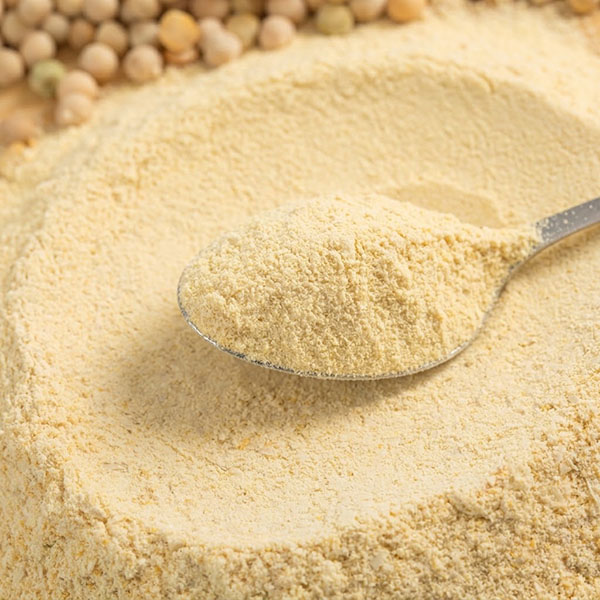
Soy Peptide ingredients offer transformative advantages for manufacturers in functional foods, sports nutrition, and clinical applications. These bioactive compounds—derived through controlled enzymatic hydrolysis of soy protein into molecular fragments typically under 1,000 Daltons—deliver superior absorption rates, cardiovascular support, muscle recovery acceleration, and skin health enhancement.
Unlike intact soy protein, these pre-digested peptides provide immediate bioavailability, making them ideal for formulations targeting rapid nutrient delivery, clean-label products, and plant-based innovation across dietary supplements, enteral nutrition, and cosmetic actives.
Understanding Soy Peptide: Composition and Production
What Makes Soy Peptides Different from Standard Soy Protein
Soy Peptides are a big step up from regular soy protein isolates. Standard soy protein has big molecular structures that need a lot of work to break down. Peptides, on the other hand, are made up of short chains of amino acids that are broken down precisely by enzymes. This process cuts proteins into pieces that are 200 to 1,000 Daltons in size. This makes molecules that are small enough to be absorbed directly by the intestines without being broken down further. This makes a reactive ingredient that goes into the bloodstream in minutes instead of hours.
The chemical makeup of these elements makes them very different from each other. The protein content of our organic Soy Peptide powder stays between 80% and 90%, and the percentage of Soy Peptides can be anywhere from 50% to 80%, based on the need. This level of accuracy is important for B2B procurement professionals who are making targeted formulations, like recovery drinks for athletes that need to deliver amino acids quickly or clinical nutrition products for people whose digestive system isn't working well.
The Production Process: From Organic Soybeans to Bioactive Peptides
Certified organic soybeans grown in controlled settings are the first step in the production process. BIOWAY gets its ingredients from a 100-hectare organic planting base on the Qinghai-Tibet Plateau. This way, we can be sure that all of our ingredients are non-GMO, from the seeds to the finished product. Soybeans are cleaned and dehulled first, and then protein is extracted using water-based ways that keep the nutrients intact.
The most important step in the transformation process is enzyme-catalyzed hydrolysis. Certain proteolytic enzymes cut peptide bonds at set places, making pieces with the right molecular weight ranges. In our 50,000-square-meter building with GMP and ISO22000-certified production lines, the process takes place under very tight controls for pH, temperature, and time. Our high-tech systems have multifunctional extraction tanks and high-purity isolation tools that get rid of any leftover enzymes or compounds that aren't wanted.
Quality Control and Molecular Characterization
Rigid analytical methods are needed for batch stability. Gel permeation chromatography (GPC) and high-performance liquid chromatography (HPLC) both show that more than 85% of peptides are in the target molecular weight range. We do amino acid analysis to make sure that the full range of important amino acids stays the same after hydrolysis. This information is very helpful when buying teams need to check that the lists of ingredients match the needs of formulations or regulation submissions.
The end powder is white to light yellow, and its pH stays below 7.0 and its ash content stays below 8.0%. These are the conditions that directly affect how well it dissolves and how stable the mixture is. Testing by a third party makes sure that heavy metals, chemical residues, and bacteria contamination are not present. We include proof of this with every Certificate of Analysis to help you with your quality control procedures.
Health and Functional Benefits of Soy Peptides
Muscle Growth and Athletic Performance Enhancement
A big part of the market for peptide-based products is made up of athletes and other busy people. Soy Peptides help build muscle at the same rate as whey peptides, but they are better for you because they come from plants. These ingredients work especially well in post-workout formulas that want to take advantage of the anabolic window because they are quickly absorbed (full nitrogen release within 30 minutes of consumption).
Branched-chain amino acids (BCAAs) are an important part of the essential amino acid profile because they provide the building blocks needed for tissue repair and growth. Studies that check serum amino acid levels show that peak levels happen faster with peptide supplementation compared to full proteins. This means that muscles heal faster and show less damage from exercise. With this scientific support, sports nutrition brands can make performance claims that are backed up when they use high-quality Soy Peptide ingredients in their products.
Cardiovascular Health and Blood Pressure Management
Regularly eating peptides has been linked to important circulatory benefits in clinical studies. Some beneficial sequences in hydrolyzed soy protein can stop ACE from working. This helps keep blood pressure at a safe level in a way that is similar to how drugs work but without the side effects. This makes Soy Peptides a useful functional ingredient for foods and dietary products that are heart-healthy.
The antioxidants also help keep the blood vessels healthy. Peptide pieces remove free radicals and lower oxidative stress signs in endothelial cells, which helps the circulatory system work as a whole. Functional food companies that want to sell to older people or health-conscious people can use these proven benefits to make their products stand out, and the study backs this up.
Skin Health and Anti-Aging Cosmetic Applications
Soy Peptides are very effective in both topical and ingestible beauty products, in addition to their nutritional uses. Because the molecules are so small, they can get deep into the skin, where they stimulate collagen production and make the skin more moist. Our peptide powder stays stable at pH levels between 2.0 and 10.0, which means it can be used in a wide range of cosmetics, from acidic toners to alkaline creams.
Ingestible beauty products use the way that peptides are distributed in the body after they are eaten. After 8 to 12 weeks of taking peptide supplements, skin flexibility, hydration, and wrinkle depth all showed changes that could be seen. This rising category of "beauty from within" offers big chances for companies that make nutraceutical-cosmetic goods that appeal to people who want all-around anti-aging solutions.
Soy Peptide in Industrial Applications and Market Solutions
Superior Functional Properties for Product Development
Soy Peptide ingredients have scientific benefits that go far beyond their nutritional value. Full water solubility across a wide pH range, including the problematic isoelectric point where regular soy proteins precipitate, makes it possible to use these proteins in clear beverages that would not be possible with regular proteins. We've seen creative companies make protein waters that are clear, sports drinks that are sour, and fruit juice fortifications that have been fortified with protein that are still clear and taste good while still having a lot of protein in them.
Another important benefit is that it is thermally stable. Ultra-high-temperature (UHT) processing doesn't change the shape or function of peptides, which is important for shelf-stable ready-to-drink goods that need to be kept at room temperature for a long time. Even at amounts above 10%, the low viscosity profile lets formulators get a high protein density without the chalky feel or thickness that makes many protein-fortified drinks less appealing to consumers.
Formulation Versatility Across Categories
The ingredient works well with a variety of delivery methods. Peptides are mixed into powder blends that are used to make protein shakes, meal replacements, and baking mixes. The neutral flavor profile won't get in the way of the desired taste profiles. Peptides are concentrated in capsules and tablets, which makes supplementing easy and doesn't have to worry about taste. Making ready-to-drink products is easier with liquid concentrates because they are simplified.
The ability to change the dose serves both upkeep and therapeutic uses. Products for general wellness usually have 5 to 10 grams per day, while products for clinical nutrition and sports recovery may have 20 to 30 grams per serving. GI distress is not an issue even at higher doses, which is a common complaint with intact protein supplements. This makes it easier for people to follow thru with their plans and makes customers happier in all application categories.
Comparative Advantages Over Alternative Peptide Sources
Soy-based choices have clear positioning benefits when compared to collagen peptides, whey peptides, and other protein hydrolysates. Collagen doesn't have tryptophan and only has a small amount of important amino acids. The full amino acid balance does. When compared to whey peptides from dairy, Soy Peptide offers a complete essential amino acid profile that supports the full balance collagen lacks, and Soy Peptide also meets the growing customer desire for plant-based, allergen-friendly, and sustainable protein sources without sacrificing functional performance.
Brands that care about the earth will like the neutral environmental impact. When compared to animal protein production, growing soybeans uses a lot less water and releases fewer greenhouse gases. This sustainability story, along with the clean label appeal and allergen concerns for lactose-intolerant or vegan consumers, puts Soy Peptides in a better position when compared to other ingredients.
Procurement Considerations for Soy Peptide Ingredients
Evaluating Supplier Credentials and Quality Assurance
Strategic sourcing requires thorough supplier assessment beyond price comparisons. Certification portfolios provide initial screening criteria—look for GMP, ISO22000, HACCP, and organic certifications (USDA, EU) that verify manufacturing standards and traceability systems. Our building has many certifications, such as FDA registration, Halal, Kosher, BRC, and FSSC 22000, which show that we are dedicated to meeting the needs of different markets and legal systems.
How reliable the supply chain is directly affected by how much can be produced. Suppliers with more than one dedicated production line and an annual output of more than 1,000 tons can handle both small batches of new products and large commercial orders without any problems with allocation. BIOWAY has ten specialized production lines, one of which has a Class 100,000 laboratory for pharmaceutical-grade uses and nine high-purity extraction systems. This gives you the freedom to grow your business as your products do while keeping quality high.
Technical Support and Customization Capabilities
In addition to providing basic goods, you should check to see if the providers can help with formulation and offer unique Soy Peptide specs. The distribution of molecular weight can be changed depending on the application. For example, smaller peptides can be used for faster absorption in sports nutrition, and certain ranges can be optimized for specific bioactive functions. To help you with your R&D, we give you full peptide profiling data, such as molecular weight distribution charts, amino acid analysis, and solubility factors for different pH and temperature ranges.
Brands that want complete solutions can get a lot of value from OEM and private labels. We offer a wide range of services, from unique peptide specs to making finished products, designing packaging, and helping with regulatory paperwork. Our 3,000-square-meter warehouse in the US makes distribution more efficient and cuts down on lead times for North American clients, which allays common worries about how complicated the international supply chain can be.
Pricing Structures and Minimum Order Considerations
Bulk pricing usually goes down as the order number goes up, with big price cuts possible for larger quantities. Standard packaging in 25 kg drums makes it easier to move and store, but custom packing choices can be made to fit the needs of particular operations. Minimum order numbers (MOQs) depend on the specification. For example, standard grades may have lower MOQs of around 500 kg, while highly customized molecular weight distributions may need 1,000 kg minimums to support setting up production.
When talking about prices, it should be clear that we're not just talking about the cost per kilogram, but also the total landing cost, which includes shipping, taxes, and storage. Our straight factory prices don't include markups for distributors, which can add 20–40% to the cost of ingredients. This is especially important when comparing prices from Japan, Korea, or North America. Ask for full quotes that include Incoterms, payment terms, and any volume-based discount structures so that you can make smart choices about what to buy.
Future Trends and Market Outlook for Soy Peptides
Market Growth Drivers and Category Expansion
The global market for Soy Peptide ingredients is expected to grow at a rate of more than 8% per year until 2030. Sports nutrition, functional foods, and clinical applications will be the main areas of growth. People who care about protein quality, not just amount, want bioavailable forms that provide measured benefits beyond basic nutritional needs. This level of complexity makes it possible for peptide-based goods to be positioned as high-end, backed up by clinical proof and clear labeling.
As regulations change, they favor ingredients with well-established safety profiles and lots of documentation. Soy Peptides are easier for regulators to approve than new ingredients that need to go thru a lot of chemical testing. Brands that use peptide ingredients in new products can get them to market faster and for less money because of how efficiently the regulations work.
Technological Innovations Enhancing Functionality
More advanced enzyme methods let scientists control peptide properties with greater accuracy. Targeted hydrolysis makes specific bioactive sequences with better functional qualities. For example, some peptide pieces are better at blocking ACE or protecting cells from damage than random hydrolysates. These precise ingredients are very expensive, but they allow for unique product claims that are backed up by research on sequences.
Microencapsulation and liposome technologies solve the last few manufacturing problems that have to do with taste and specific delivery. Coating technologies hide any bitterness that is still there and keep bioactive peptides from breaking down while they are being processed and stored. We've put money into nano-encapsulation technology that lets us make controlled-release products and improves bioavailability for both oral supplements and cosmetics that are put on the skin. This is the next step forward in the complexity of peptide ingredients.
Plant-Based Protein Momentum and Clean Label Demands
The growing plant-based movement includes more than just meat substitutes; it includes a wide range of protein options for all occasions. Soy Peptides take advantage of this trend while skipping some of the problems that come with whole soy products. The pre-digested form addresses concerns about antinutritional factors and digestibility, which can make people less open to soy protein. By calling peptides "bioactive soy protein" or "advanced plant protein," companies can place their goods in the plant-based trend and set them apart from common soy ingredients.
Clean label standards are getting stricter across all markets, as customers look more closely at ingredient lists and expect easily recognizable, minimally processed ingredients. The positioning of peptides made by enzymatic hydrolysis, a process similar to natural digestion, fits well with the clean label. Target groups that are driving the growth of premium natural products respond strongly to clear communication about production methods, organic sourcing, and non-GMO verification.
Conclusion
Soy Peptide ingredients offer measured benefits across nutritional, functional, and commercial aspects that matter to procurement workers and product developers. These ingredients are great for brands that are trying to come up with new sports nutrition, functional foods, medicinal goods, and beauty supplements because they are highly bioavailable, have a full amino acid profile, and can be used in a lot of different ways.
Technical features like pH stability, thermal resilience, and water solubility help with formulation problems that other protein ingredients have. They also support clean-label positioning and plant-based market trends. The commercial potential of peptide-based product development is at its highest when it is sourced strategically from certified suppliers with complete quality systems, the ability to customize products, and reliable supply chains.
FAQ
Q1: How do soy peptides differ from soy protein isolate in practical applications?
The main change is in the shape of the molecules and how fast they are absorbed. Soy Peptides, on the other hand, are already broken down into small pieces and enter the system within minutes, while soy protein isolate includes whole proteins that need two to three hours to be absorbed. This means faster muscle repair in sports and better tolerance in clinical diets for people whose digestion isn't working well. Another important difference is solubility: peptides stay totally dissolved even in acidic drinks, while regular proteins form crystals.
Q2: What is the typical shelf life and optimal storage for soy peptide powder?
Organic Soy Peptide powder stays fully useful for 24 months after it was made as long as it is kept properly. The low moisture level (less than 7%) and natural resistance to microbes help the food last longer on the shelf. The best places to store things are cool, dry places that are out of direct sunlight, and the original package should be sealed so that wetness doesn't get in. Temperature changes don't really hurt peptides, but keeping them in a cool place all the time keeps the amino acids' stability. For the best quality, containers that have been opened should be quickly sealed again and used within 90 days.
Q3: Can soy peptides be used in high-temperature processing applications?
Peptides are very stable at high temperatures; they can withstand temperatures above 130°C during UHT processing without losing their function or becoming less flexible. Because of this, they are perfect for making high-heat drinks, baked goods, and extruded snacks that can last for a long time. The small size of the molecules and the fact that they are already hydrolyzed stop the clumping and changes in texture that happen to whole proteins during heat processing. This means that the nutritional value and desired product properties stay the same under normal food production conditions.
Partner with BIOWAY for Premium Soy Peptide Supply
BIOWAY is your go-to Soy Peptide manufacturer because we can do everything from growing organic soybeans on 100 hectares to using cutting-edge enzymes in a 50,000 square meter GMP-certified facility. With 15 years of experience working with botanical extracts, we can make peptide ingredients that have consistent molecular weights, full amino acid profiles, and molecular weight distributions that have been checked. This is very important for the success of commercial formulations.
We give you full technical paperwork, which includes HPLC peptide mapping, stability data, and regulatory support files. This speeds up the time it takes to build your product and lowers the risk of not following the rules. Our ten specialized production lines and 1,200-square-meter cleanroom can meet a wide range of needs, from bulk peptide powder for mass-production of supplements to custom molecular weight specifications for specific uses or full OEM services from formulation to finished product.
You can email our team at grace@biowaycn.com to talk about your unique peptide sourcing needs, get full technical specs with COA documentation, or set up an audit of your facility. Find out how working with a reputable Soy Peptide provider that has obtained a wide range of approvals, such as USDA Organic, Non-GMO, Kosher, Halal, and ISO standards, can help you achieve your innovation goals in the growing functional nutrition market.
References
1. Nagaoka S, Futamura Y, Miwa K, et al. Identification of novel hypocholesterolemic peptides derived from bovine milk beta-lactoglobulin. Biochemical and Biophysical Research Communications. 2001;281(1):11-17.
2. Gibbs BF, Zougman A, Masse R, Mulligan C. Production and characterization of bioactive peptides from soy hydrolysate and soy-fermented food. Food Research International. 2004;37(2):123-131.
3. Hartmann R, Meisel H. Food-derived peptides with biological activity: from research to food applications. Current Opinion in Biotechnology. 2007;18(2):163-169.
4. Kitts DD, Weiler K. Bioactive proteins and peptides from food sources. Applications of bioprocesses used in isolation and recovery. Current Pharmaceutical Design. 2003;9(16):1309-1323.
5. Möller NP, Scholz-Ahrens KE, Roos N, Schrezenmeir J. Bioactive peptides and proteins from foods: indication for health effects. European Journal of Nutrition. 2008;47(4):171-182.
6. Udenigwe CC, Aluko RE. Food protein-derived bioactive peptides: production, processing, and potential health benefits. Journal of Food Science. 2012;77(1):R11-R24.
Contact Us
Grace HU (Marketing Manager) grace@biowaycn.com
Carl Cheng ( CEO/Boss ) ceo@biowaycn.com
Website: www.biowaynutrition.com
Post time: Sep-28-2026


