
Introduction
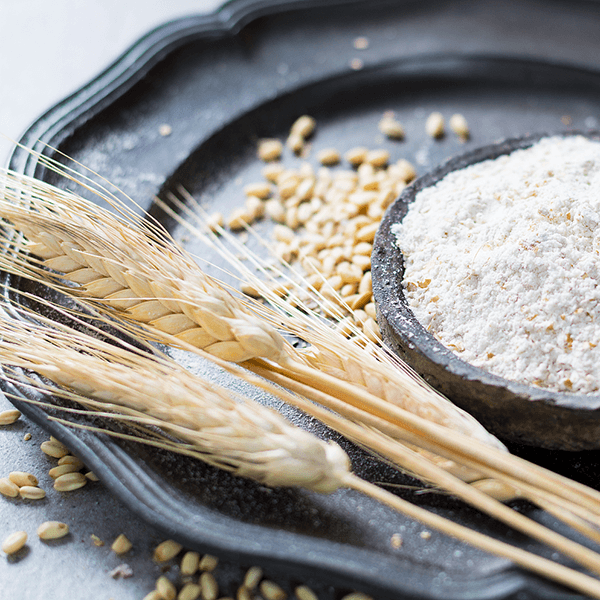
Wheat oligopeptide ingredients deliver a range of functional benefits that make them stand out in both nutritional supplements and skincare formulations. Derived from wheat gluten protein through enzymatic hydrolysis, these small-chain peptides (typically below 1,000 Da) are rich in glutamine peptides, offering measurable support for gut lining repair, immune modulation, antioxidant activity, and muscle recovery. Their superior water solubility and absorption speed set them apart from intact wheat protein. For brands building functional food, clinical nutrition, or sports recovery products, wheat oligopeptides represent a science-backed, versatile raw material worth serious procurement consideration.
Understanding Wheat Oligopeptides: Composition and Functional Benefits
What Exactly Are Wheat Oligopeptides?
Short bands of amino acids called wheat oligopeptides are made by breaking down wheat gluten protein with enzymes and then separating the bigger pieces with membranes. The peptide fraction that is left has a molecular weight that is mostly between 200 and 1,000 Da. BIOWAY's Wheat oligopeptide Powder has a protein content of above 80–90%, a moisture content of below 8%, and an ash content of below 1.2%. It comes as a fine, creamy-white powder that passes through 100 mesh at over 80%.
Glutamine Peptide Content as a Functional Driver
Glutamine makes up about 30–35% of the amino acid makeup in wheat oligopeptides. This amount directly helps intestine epithelial cell repair and mucosal health. When mixed with water, free L-glutamine breaks down into pyroglutamic acid. But glutamine peptides stay chemically stable in liquid forms for up to 24 months. Because of this difference in stability, wheat oligopeptides are a better choice for clinical enteral nutrition and ready-to-drink healing solutions.
Antioxidant and Immune-Modulating Properties
A study in the journal Food Chemistry confirms that enzymatic wheat protein hydrolysates have measurable free radical scavenging activity. This is because they contain certain peptide sequences with hydrophobic amino acids. These patterns also block ACE action in vitro, which suggests they might be able to help the heart. For formulation teams, this multi-angle bioactivity means that the ingredients work better—one raw material can support gut health, the immune system, and antioxidant promises all at the same time.
Comparing Wheat Oligopeptides with Other Popular Peptides and Ingredients
Wheat Oligopeptides vs. Collagen Peptides
Collagen peptides are the most popular choice for beauty and joint health, but they come from animals and don't contain any glutamine that is useful. Contrarily, wheat oligopeptides come from plants and are high in glutamine and glutamic acid peptides, making them ideal for gut-focused and sports healing uses. Switching to wheat-derived peptides is also good for brands that want to appeal to vegan or flexitarian customers.
Wheat Oligopeptides vs. Soy Peptides
The molecular weights of soy peptides and wheat oligopeptides are similar, but wheat oligopeptides have a much higher glutamine concentration. People are more familiar with soy peptides, but wheat oligopeptides have a more specific functional story—"glutamine peptide for gut repair"—that clinical nutrition buyers and gut health brand managers who want to stand out from the general "plant peptide" positioning will find compelling.
Dosage and Formulation Considerations
Depending on the functional claims that are being made, the amount of wheat oligopeptide that is added to functional drinks and powders is usually between 2 and 10 grams per serve. The element dissolves completely and is clear at pH 3.0–4.0. Its haze is less than 5 NTU even after being processed at high temperatures. Because it doesn't change when heated, it can be used in UHT beverage lines, retort-packaged clinical formulas, and hot-fill sports drinks where the ingredients must stay intact.
Wheat Oligopeptides for Different Applications and Conditions
Gut Health and Clinical Nutrition Formulations
Glutamate is the main source of energy for the digestive lining. Wheat oligopeptides do this through the PepT1 transporter system, skipping the normal digestive breakdown needed for complete proteins. This is very important for people who have recently had surgery or whose digestive system isn't working well. When clinical nutrition brands add wheat oligopeptides to enteral formula products, they get a stable way to deliver glutamine that free amino acid supplements can't match.
Sports Recovery Products
The high glutamine peptide content and fast absorption of wheat oligopeptides directly help muscle recovery formulas. In OEM setups, formulators can mix wheat oligopeptides with BCAAs, creatine, or whey peptides to make healing shots or powders for after a workout. Because the ingredient has a low viscosity and a neutral flavor, taste-masking agents are not needed. This makes production easier on a large scale.
Skincare and Cosmetic Ingredients
Wheat oligopeptides help make collagen and are antioxidants that work when they are put on the skin or eaten as beauty supplements. Their small molecular size lets them get through the skin barrier, and the amino acids in them help make the skin firmer and less noticeable fine lines. BIOWAY shows cosmetic ingredients as a known application area. This makes this ingredient ideal for beauty nutrition brands that are making skincare lines that can be eaten.
Procurement Guide: Sourcing High-Quality Wheat Oligopeptide Ingredients
Key Quality Parameters to Request from Suppliers
Procurement teams should ask for a full documentation package before placing a bulk order. Here are the most important quality papers that reliable sellers should give you right away:
- · Molecular weight distribution report (GPC method, confirming that more than 80% of peptides have a mass less than 1,000 Da)
- •HPLC amino acid profile (confirming the concentration of glutamine peptide)
- • Residual gluten ELISA test (Codex standard: less than 20 parts per million for gluten-free marking)
- •Heavy metal analysis (ICP-MS; lead, Arsenic, and Mercury are all within USP/GB limits)
- • Microbiological testing (Total plate count <1,000 cfu/g; Salmonella and Staphylococcus aureus not present)
All of these papers prove that the product is safe and bioactive. Getting all five without having to negotiate is a sign of how mature the seller's quality management is.
Certification Standards and Regulatory Compliance
For the US market, suppliers should have at least cGMP certification, along with ISO 22000 or HACCP certification for managing food safety. BIOWAY has many certifications, including cGMP, ISO 22000, ISO 9001, HACCP, FDA, FSSC 22000, HALAL, KOSHER, BRC, and USDA/EU Organic. These give their goods the compliance they need to go into the clinical nutrition, functional food, or controlled supplement channels. Early on in the evaluation process, buyers who want to get FSMP registration or DMF paperwork should make sure that the seller can provide legal support files for their wheat oligopeptide products.
Typical Procurement Flow and Lead Times
There is a clear process for getting bulk wheat oligopeptide powder: request a sample and review the COA; lab verification and formulation trials (4–8 weeks); place a small pilot order (100–300 kg); go through a quality audit; and finally sign an annual supply agreement. BIOWAY has a warehouse in the US that is 3,000 square meters. This cuts down on domestic lead times for buyers in North America and makes it much easier to import goods.
Choosing the Right Wheat Oligopeptide Supplier for Your Business
Manufacturer Capabilities That Matter
A good wheat oligopeptide manufacturer should be able to demonstrate that they use deep enzymatic hydrolysis and membrane separation technology, and provide data on the consistency of their batches. BIOWAY has a factory in Shaanxi Province that is more than 50,000 square meters big and has 10 specialized production lines. These lines include enzymatic hydrolysis tanks and a 1,200-square-meter Class 10,000 cleanroom to ensure the output is very pure. This system can handle both normal bulk supply and custom specs for brands that need certain amounts of glutamine peptides.
OEM and Custom Formulation Services
Active R&D teams at providers are helpful for brands that need a certain glutamine peptide percentage, an adjusted molecular weight range, or mixes that are co-processed with probiotics or BCAAs. BIOWAY's in-house R&D team has more than 15 years of experience in the field and can handle OEM/ODM configurations, private label development, and custom specification agreements. This means that a procurement team doesn't have to manage as many vendor relationships.
Long-Term Partnership Value
Because of the need for re-validation, switching suppliers for clinical nutrition or regulated functional food is expensive and takes a lot of time. That risk can be lowered by picking a manufacturer that can offer long-term supply agreements, clear quality auditing procedures, and quick technical support. From a 100-hectare organic planting base on the Qinghai-Tibet Plateau to finished batch production, BIOWAY's model is vertically integrated. This ensures a continuous supply chain that purchasing managers can track and record for internal compliance purposes.
Conclusion
Wheat oligopeptides are a scientifically proven and functionally versatile ingredient that has been used successfully in gut health, clinical nutrition, sports recovery, and cosmetics. Their high glutamine peptide content, high solubility, high heat stability, and multi-certificate supply chain make them a smart choice for B2B buyers who want to make goods that stand out. When looking at sources, make sure they have full paperwork, are qualified to make the product, and allow for customization so that the performance of the ingredients matches your product goals.
FAQ
Q1: Are wheat oligopeptides safe for individuals with gluten sensitivity?
Wheat oligopeptides come from wheat gluten, so each batch's residual gluten levels must be checked using ELISA testing. If the amount of gluten left in a food item drops below 20 parts per million (ppm), it may be able to be labeled as gluten-free. Before signing off on the recipe, buyers who are going after the clinical or sensitive consumer market should ask for lot-specific gluten test results.
Q2: How do wheat oligopeptides differ from free glutamine powders?
In water, free L-glutamine breaks down quickly into pyroglutamic acid, which makes it less stable for long periods of time in watery form. When glutamine is delivered as peptide bonds within wheat oligopeptides, it stays stable for up to 24 months in water-based formulations. This makes it a better choice for ready-to-drink and enteral nutrition products.
Q3: What is the typical shelf life of wheat oligopeptide powder?
When kept in its original, sealed packaging in a cool, dry place, wheat oligopeptide powder will last for 24 months. It can last for this long without any special chemicals for preservation because it has a low moisture content (below 8%) and a stable peptide structure.
Q4: Can wheat oligopeptides be combined with probiotics or BCAAs?
Yes. In co-formulation, wheat oligopeptides can be combined with probiotics, prebiotics, BCAAs, creatine, and whey peptides. Because they don't have a strong flavor and can dissolve completely in a wide pH range (2.0–10.0), they can be mixed steadily into most functional food and supplement mixtures.
Partnering with a Leading Rice Peptide Manufacturer
BIOWAY INDUSTRIAL GROUP LTD makes approved ceramide from konjac tubers that ranges from 1% to 10%. It follows GMP, ISO 9001, Halal, and Kosher standards. Thanks to our more than 50,000-square-meter facility in Shaanxi, our dedicated makeup extraction line, and our U.S. warehouse stock, we can provide brands with reliable konjac tuber extract ceramide without having to worry about supply gaps. Today, ask for a sample or a quote on a custom formulation. To start your question, go to biowaynutrition.com or email grace@biowaycn.com.
References
1. Imokawa, G. (2009). "Ceramide and Skin Barrier Function." Journal of Dermatological Science, Elsevier.
2. Denda, M., & Inoue, K. (2007). "Oral Ceramide and Skin Hydration in Humans." Archives of Dermatological Research, Springer.
3. Grand View Research. (2022). Clean Beauty Market Size, Share & Trends Analysis Report. Grand View Research.
4. Uchiyama, T., et al. (2008). "Konjac Ceramide Intake and Skin Condition Improvement." Journal of Health Science, Japan.
5. Loden, M. (2003). "Role of Topical Emollients and Moisturizers in the Treatment of Dry Skin Barrier Disorders." American Journal of Clinical Dermatology.
6. Coderch, L., et al. (2003). "Ceramides and Skin Function." American Journal of Clinical Dermatology, Adis International.
Contact Us
Grace HU (Marketing Manager) grace@biowaycn.com
Carl Cheng ( CEO/Boss ) ceo@biowaycn.com
Website: www.biowaynutrition.com
Post time: Oct-16-2026


