
Introduction
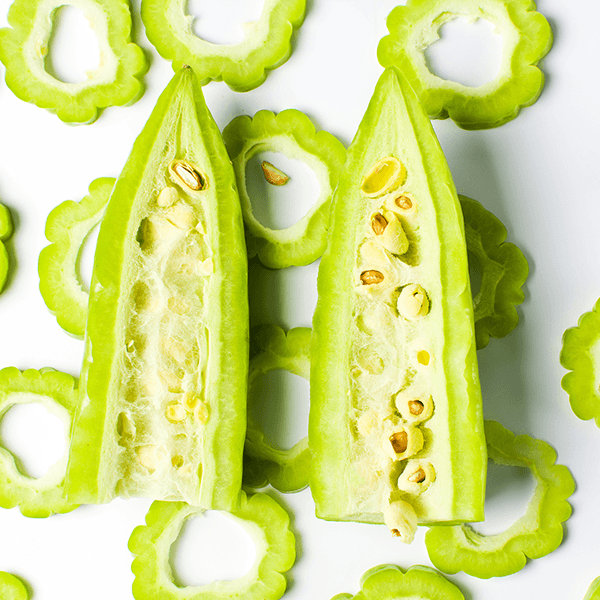
Bitter melon peptide is a bioactive ingredient derived from Momordica charantia L. through enzymatic hydrolysis. It appears as a light yellow powder and delivers concentrated, small-molecule peptides that the body absorbs more readily than raw plant extracts. Research indicates it supports healthy blood glucose metabolism, reduces oxidative stress, and modulates inflammatory pathways. For brands building a natural metabolic health line, this ingredient offers a scientifically grounded, clean-label foundation that raw bitter melon extracts or synthetic alternatives simply cannot match.
Understanding Bitter Melon Peptide: Composition, Mechanism, and Benefits
Biochemical Profile
Charantin-related fragments, momordicoside-derived sequences, and polypeptide-p are some of the peptides that can be found in Momordica charantia L. In the gut, enzymes break these down into low-molecular-weight chains (usually less than 3,000 Da) that can easily get through the walls of the gut. HPLC tests have shown that BIOWAY's bitter melon peptide comes in strengths from 30% to 85%. So, the people who make the mix can be sure that each serving has the right amount of active element.
Blood Glucose Support Mechanism
It works like insulin and makes cells in the periphery take in more glucose. By activating charantin parts, AMPK, a cell energy monitor that helps insulin work better, is made active. A review published in 2020 in the journal "Phytomedicine" found that standard bitter melon preparations greatly lowered the fasting blood sugar of type 2 diabetic models.
Antioxidant and Anti-Inflammatory Activity
They also get rid of reactive oxygen species and stop NF-κB signaling, which are what cause chronic low-grade inflammation in people with metabolic syndrome. Because it fights inflammation and free radicals, bitter melon peptide is useful for more than just keeping blood sugar under control. It backs up claims about heart and immune health that people who care about their health today find appealing.
Bitter Melon Peptide vs. Competing Solutions: A Comparative Analysis for Strategic Procurement
BMP vs. Crude Bitter Melon Extract
The medicine is less bioavailable and harder to fill capsules when raw extracts are used. This is because they keep the fiber, sugars, and chlorophyll. On the other hand, peptide-form ingredients give you a clear active part. Formulators say that clinical results are more reliable and sensory profiles are cleaner when they switch from a 10:1 extract ratio to a 30–85% peptide specification.
BMP vs. Chromium and Cinnamon Formulas
Most of the blood sugar supplements on the market are made from chromium picolinate and cinnamon bark oils. However, people want more choices that come from plants. Bitter melon peptide is different from chromium because it works in more ways than just helping insulin work. It comes from a plant that can be tracked and is certified organic.
BMP vs. Pharmaceutical Benchmarks
For now, metformin and insulin are the best diabetes drugs. However, you can only get them with a prescription, and they can make your stomach hurt or your blood sugar drop. Under the FDA DSHEA, Bitter melon peptide wants to take a wellness stance. It is legal to make structure/function claims about "supporting healthy blood sugar levels already within the normal range" as long as the formulation and labeling are done correctly.
Procurement Guide: Sourcing Bitter Melon Peptide for Your Business
There are more ways to find a good bitter melon peptide provider than just comparing unit costs. Batch-to-batch uniformity, certification stack, and OEM freedom can all change the total cost of ownership. Buying teams should think about these main things before they sign a supply deal:
- • Specification range and HPLC documentation: Confirm the supplier offers the full 30%–85% gradient and provides third-party-verified HPLC reports with each batch. This protects your structure/function claims and satisfies TGA or DSHEA compliance reviews.
- • Certification coverage: For US, Canadian, and Australian markets, look for USDA NOP Organic, EU Organic, ISO 9001, HALAL, and KOSHER in a single-source supplier. Dual certification stacks reduce your own audit burden.
- • OEM and custom formulation support: A manufacturer that compounds capsules, tablets, and blended formulas in-house saves months of back-and-forth coordination with a separate contract manufacturer.
- • Turnaround and sample policy: A 7-day lead time from order confirmation and a free sample program let you complete third-party testing before committing to a full pallet.
- • Heavy metal and pesticide compliance: Confirm the supplier publishes limits for Pb, As, and Hg in COA documentation. This is non-negotiable for retailers that require clean-label claims.
All of these steps make your sources safer and give the regulatory team the proof they need. Most of the time, buyers get 10–20% off the price per unit when they sign a framework agreement with an approved seller instead of buying on the spot market.
MOQ and Packaging
BIOWAY ships in 25 kg drums with normal double-PE inner liners that are kept below 40% humidity. Brands can have flexible MOQ talks during the trial-order stage. This lets them test the market first before going big.
Bulk Pricing Considerations
There are different prices for numbers between 5 and 50 metric tons per year. As an early-stage brand grows, it can start with a lower MOQ and then ask for bigger rates.
Applications and Case Studies: How Bitter Melon Peptide Benefits Your Customers?
Nutraceutical and Dietary Supplement Formulations
Natural-channel shops in the US now sell bitter melon peptide pills with berberine or chromium that help with blood sugar. This part, the peptide, tells the plant-based story and helps glucose metabolism in a measured way. This gives customers a reason to choose your product over a bland one.
Functional Foods and Beverages
Bitter melon peptide has been added by manufacturers to functional drinks and protein bars that are intended to assist people with diabetes in adhering to healthy eating plans. The 30% level of powder makes it easy to blend and only adds a little bitterness to a well-balanced mix, so it can be used in food-grade situations.
Cosmetics and Skincare
The antioxidant peptides from Mordica charantia L. are getting a lot of attention in skin care items that fight age. It is now being used in serums in the Asia-Pacific market because it can get rid of free radicals. They can now make money in addition to selling food.
Addressing Common Concerns and Ensuring Safe Use
Safety and Dosage Guidelines
Every day in clinical studies, 200 to 400 mg of a standardized extract are often used in supplement tests. Few and minor side effects happen at these doses. Most of the time, gut pain lasts for a short time. As required by the FDA DSHEA and Australia's TGA, people who make medicines should make sure that the dose fits the structure/function claim language that doesn't imply disease treatment.
Regulatory Compliance for B2B Buyers
The people in charge of regulations should look over COA documents, allergen declarations, and origin certificates before sending in product notifications. If you buy something from BIOWAY, they will give you a full COA and MSDS with it. This has limits on heavy metals and tests for pesticide residues based on EP 2.8.13, which is what the US, EU, and Australian markets need.
Quality Verification Process
A third party is often brought in to test the goods before a big batch is made for professional buyers. Get a free sample, send it to an ISO 17025-certified lab, and check the results against the batch COA. The enzymatic hydrolysis process is well under control if the difference between batches stays below 5%.
Conclusion
A clean-label ingredient called bitter melon peptide from Mordica charantia L. has been shown in studies to reduce inflammation, control blood sugar, and protect cells from damage. It can work with different OEMs and has specs that range from 30% to 85%. It is fully organic and HALAL/KOSHER certified. This lets procurement teams make different formulations and the paperwork they need to compete in the wellness markets in the US and around the world. As the need for plant-based metabolic health products grows, brands that can get a bitter melon peptide ingredient from a trustworthy source will be able to meet it.
FAQ
Q1: What is the difference between bitter melon peptide and bitter melon extract?
Bitter melon extract concentrates whole-plant compounds including fiber and sugars. Bitter melon peptide, produced through enzymatic hydrolysis, isolates small-molecule protein fragments with higher bioavailability and more consistent dosing, making it preferable for standardized supplement formulations.
Q2: What specifications are available for B2B buyers?
BIOWAY offers bitter melon peptide in specifications from 30% to 85% peptide content, verified by HPLC. Custom specifications are available upon request to match your target dosage and label claim.
Q3: How do I verify batch-to-batch consistency?
Request a COA with HPLC data for each shipment and compare active peptide content against the agreed specification. Reputable bitter melon peptide manufacturers maintain inter-batch variance below 5%.
Q4: Is bitter melon peptide suitable for halal and kosher markets?
Yes. BIOWAY holds both HALAL and KOSHER certifications for its bitter melon peptide product line, supporting distribution into diverse global markets.
Q5: What are the storage requirements?
Store in a sealed container in a cool, dry environment below 25°C with relative humidity under 40%. Under these conditions, shelf life is typically 24 months.
Partner with BIOWAY for Premium Bitter Melon Peptide Supply
Bitter melon peptides have been made by BIOWAY for more than 15 years. The company is real. Their organic farming base is 100 hectares and is on the Qinghai-Tibet Plateau. In Shaanxi Province, they have a GMP-certified facility that is more than 50,000 square meters. Our US center holds a lot of goods, so we can quickly ship them anywhere in the US. Along with free samples, custom specifications, and full OEM service, our team can do it all. Email us at grace@biowaycn.com right now to get a COA, find out about prices, or get a free taste.
References
1. Krawinkel, M. B., & Keding, G. B. (2006). Bitter gourd (Momordica charantia): A dietary approach to hyperglycemia. Nutrition Reviews.
2. Joseph, B., & Jini, D. (2013). Antidiabetic effects of Momordica charantia (bitter melon) and its medicinal potency. Asian Pacific Journal of Tropical Disease.
3. Tan, M. J., et al. (2008). Antidiabetic activities of triterpenoids isolated from bitter melon associated with activation of the AMPK pathway. Chemistry & Biology.
4. Fuangchan, A., et al. (2011). Hypoglycemic effect of bitter melon compared with metformin in newly diagnosed type 2 diabetes patients. Journal of Ethnopharmacology.
5. Budrat, P., & Shotipruk, A. (2008). Extraction of phenolic compounds from fruits of bitter melon (Momordica charantia) with subcritical water extraction. Separation and Purification Technology.
6. Ahmad, N., et al. (2011). Bitter melon (Momordica charantia) seed extract: Antioxidant and enzymatic activities. Food Chemistry.
Contact Us
Grace HU (Marketing Manager) grace@biowaycn.com
Carl Cheng ( CEO/Boss ) ceo@biowaycn.com
Website: www.biowaynutrition.com
Post time: Nov-23-2026


