
Introduction
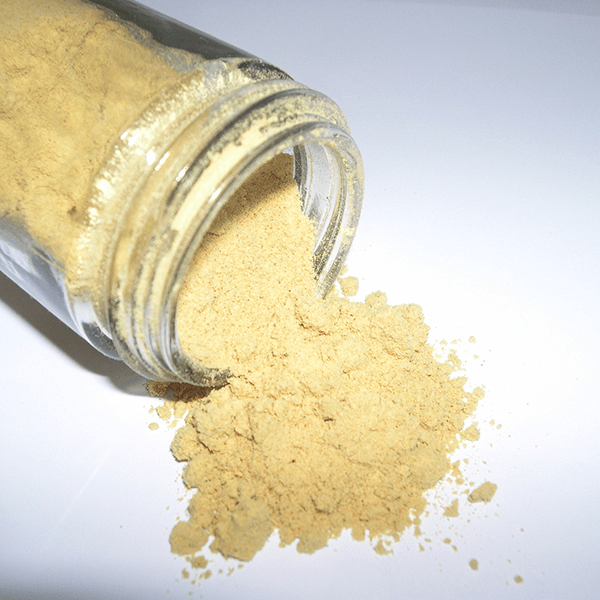
Genistein is an isoflavone phytoestrogen that is found naturally in soybeans and the Japanese pagoda tree Sophora japonica. This bioactive substance works in several ways: it changes the activity of estrogen receptors without changing the full hormonal effects; it's a powerful antioxidant that gets rid of free radicals; and it stops certain tyrosine kinases that are involved in cell signaling. Genistein is useful for easing the signs of menopause, improving bone density, lowering inflammation, and maybe even changing metabolic health. For procurement workers in functional foods and nutraceuticals, knowing about these processes has a direct effect on choices about formulation and placement in the market.
Understanding Genistein: What It Is and How It Works?
Molecular Structure and Biochemical Activity
Genistein, whose CAS number is 446-72-0 and molecular formula is C15H10O5, is a flavonoid that is in the isoflavone family. Because of how it's built, it can only link to estrogen receptor beta, which means that it works on specific tissues differently than synthetic hormone treatments. Instead of acting like pharmaceutical estrogens, this substance mostly affects bone and heart tissues and has little to no effect on reproductive systems. This selectivity is very important when making products for women who have gone through menopause, because safety ratings separate good formulations from regulatory difficulties.
Core Functional Mechanisms
There are three main ways that the combination works. As a phytoestrogen, it links to estrogen receptors, especially ER-beta. This has mild estrogenic effects that help with hot flashes and bone loss without raising the risks of stimulating breast tissue. Its antioxidant job includes directly getting rid of reactive oxygen species and increasing the activity of natural antioxidant enzymes like superoxide dismutase. The ability to stop tyrosine kinases from working has an effect on the paths that cells use to divide, which has caught the attention of pharmaceutical researchers who are studying metabolic syndrome and cancer prevention.
Relevance for B2B Product Development
When buying, teams look for plant extracts; they need to keep in mind that the results of their work depend on the dosage form, how well the extracts are absorbed by the body, and the level of purity required. Our 98% Genistein powder from Sophora japonica has a lot of benefits, including not being made from soy, not being made from genetically modified organisms (GMOs), not being allergen-free, which is what EU regulations want, and having the uniform batch stability needed for large-scale production. The powder looks off-white to light-yellow, which means there isn't much rust. This is a quality indicator that experienced buyers look for when evaluating suppliers.
Comparative Insights: Evaluating Genistein Against Alternatives
Genistein Versus Daidzein
Both isoflavones come from plants that are related, but their structures are different, which means they have different biological effects. Different groups of people have different amounts of gut bacteria, which means that daidzein can change into equol in some people. Genistein works directly without going through microbial digestion, so the results will be the same no matter what gut enzyme profile a person has. This uniformity is important for brands that say they work in certain ways. Buyers who are making goods to help with menopause often mix the two chemicals, but Genistein should be put at the top because it is a better antioxidant (about two to three times stronger in ORAC tests).
Comparison with Hormone Replacement Therapy (HRT)
Pharmaceutical HRT gives you regulated amounts of estrogen, which quickly eases your symptoms but comes with known risks like heart attacks and cancers that rely on hormones. Phytoestrogen pills with high-purity Genistein offer a kinder way to change things, making them good for people who want plant-based options. Clinical studies show that 30–60 mg daily doses reduce the number of hot flashes by 40–50%, which is about the same as low-dose HRT but doesn't require a prescription. This puts Genistein goods in the growing "natural menopause support" group, which grew by 18% a year in North American markets from 2022 to 2023.
Powder Versus Capsule Formulations
Manufacturing issues have a big impact on buying choices. Powders are easy to dose in different ways, and they mix well with healthy drinks, protein supplements, and custom recipe development. Genistein is hard to work with because it doesn't dissolve well in water, so it needs to be encapsulated (liposomal, cyclodextrin complexation) or broken down into tiny particles to help the body absorb it better. Concerns about taste are eased by capsule forms, since pure isoflavone powder tastes slightly bitter. For R&D freedom, buyers who work with supplement brands usually order powder. Distributors of finished products, on the other hand, prefer pre-encapsulated forms because they help them get into the market faster.
Procurement Guide: Sourcing and Buying Genistein Supplements
Evaluating Supplier Credentials
Verification of the production site is the first step in getting high-quality botanical extracts. GMP-certified facilities make it possible to track everything from the raw materials to the finished powder. BIOWAY's vertically integrated business includes 100 hectares of organic farming on the Qinghai-Tibet Plateau and a 50,000-square-meter factory in Shaanxi Province. Third-party raw material risks are common in supply lines that are broken up, but this control gets rid of them. For pharmaceutical-grade uses or export to controlled markets, buyers must ask for facility audit records that prove cGMP, ISO22000, HACCP, and FSSC certifications. These can't be negotiated.
Critical Quality Parameters
In addition to basic purity claims, procurement requirements must cover a number of scientific aspects. The claimed strength is confirmed by an HPLC test that shows ≥98% Genistein content. ICP-MS tests for heavy metals (Lead <3ppm, Arsenic <2ppm, Cadmium <1ppm, and Mercury <0.1ppm) keep plants from getting contaminated. Following USP [561] guidelines, pesticide residue panels should include more than 450 compounds. This is especially important for goods that are organically approved. Total Plate Count <1,000 CFU/g and the absence of Salmonella and E. coli are microbiological standards that keep the mixture from getting contaminated. Our Class 100,000 laboratory, which is 1,200 square meters, lets us make things that meet the standards for medicine and cosmetics.
Pricing Structures and MOQ Negotiation
On the market, 98% Genistein powder usually costs between $180 and $350 per kilogram, but this depends on where the plants come from, their approval history, and the size of the order. Because it doesn't contain soy, material derived from Sophora is worth 10-15% more than material derived from soy. Bulk buyers who order 500 kg or more get the best prices, but new names need providers with flexible minimums. We can take initial trial orders starting at 25 kg, which helps with product development without committing too much cash. When making long-term supply agreements, payment terms, the speed with which COA documents are sent, and how quickly samples are sent are often more important than small price differences.
Geographic and Regulatory Considerations
To buy things across borders, you need to know about the rules that apply in the target market. US buyers need sellers to give them a Commercial Invoice, a Packing List, a COA that shows the goods meet the specifications, an MSDS, and allergy statements. EU buyers also need paperwork for the Novel Food Assessment, but Genistein from natural sources like soy and Sophora is usually excluded. Our USDA and EU Organic licenses, as well as our HALAL and KOSHER approvals, let our product development teams reach a wide range of customers without having to change the recipe. Our 3,000-square-meter warehouse in the US cuts down on wait times and makes logistics easier for buyers in North America.
ents.
Safety, Dosage, and Side Effects: What Every Buyer Should Know?
Recommended Dosage Ranges
The clinical literature advises 30 to 60 mg per day to help with menopause symptoms, but because bioavailability varies, the right amounts rely on how they are delivered. Formulations for encapsulated powders usually say that each serving is 40 to 50 mg. Similar levels are used in bone health products for women after menopause, often along with calcium, vitamin D3, and vitamin K2 to make the benefits stronger. 25–35 mg amounts may be used in sports nutrition items that aim to help with recovery and inflammation. Cosmetic uses are very different—topical serums use 0.5 to 2% amounts to stop tyrosinase from working and help collagen production. When procurement teams ask for formulation advice, they need to be clear about what they want to use it for because dosing guidelines vary a lot between groups.
Safety Profile and Contraindications
Genistein is well tolerated by healthy people when taken in the suggested amounts. The few side effects that have been reported are still pretty mild. About 2% to 3% of people experience occasional mild stomach pain that usually goes away when they eat something. Hormone-sensitive diseases, like estrogen-receptor-positive breast cancer and endometriosis, should not be exposed to phytoestrogens without medical guidance. It's important to pay attention to drug combinations because Genistein might change the way tamoxifen works and how warfarin is broken down by changing the vitamin K route. Buyers who are making goods for regulated markets should put the right warnings on the labels and work with regulatory experts to come up with disclosure wording that is legal.
Current Research on Cancer Relationships
Scientific data gives us a range of different points of view. Epidemiological studies show that Asian people who eat a lot of soy from a young age are less likely to get breast and prostate cancer if they eat a diet high in isoflavones. Mechanistic study shows that Genistein stops the growth of cancer cells in the lab by interfering with the tyrosine kinase pathway. However, there are worries about taking phytoestrogen supplements by people who already have hormone-dependent cancers. The current scientific agreement is that eating whole foods as a way to avoid disease seems to be protective, while giving cancer patients supplements for treatment needs to be overseen by a doctor. Professionals in procurement should make sure that marketing claims are based on facts. For example, using language like "supports cellular health" instead of directly mentioning cancer avoidance can help avoid regulatory problems.
Maximizing the Value of Genistein in Product Development and Distribution
Application Across Industry Sectors
Nutraceutical companies are the main market for Genistein, which is used in women's health products, bone support systems, and antioxidant mixes. The compound can be used in many different ways, including functional drinks. However, it can be hard to dissolve, which requires scientific methods like nano-encapsulation. Our R&D team has more than 15 years of experience working with plant extracts, and they help brands deal with these problems by providing recipe support. Genistein is being used in more and more cosmetic products. Anti-aging serums use it to protect against UV harm and boost collagen IV production. Our cosmetics-grade extraction line makes materials that meet microbial requirements for leave-on skin care products, such as compatibility tests for preservative effectiveness.
Formulation Best Practices
Genistein's physical qualities are related to its ability to help make products work well. Because the molecule doesn't mix well with water, it needs to be delivered using lipid-based methods (like softgels with medium-chain triglycerides) or combined with solubility enhancers (like hydroxypropyl-β-cyclodextrin). Protective wrapping is needed for unstable antioxidants. Amber glass or aluminum bags with oxygen absorbers can extend the shelf life to 24 to 36 months. Buyers who want to use the ingredients in drinks should ask for spray-dried or microencapsulated forms that are easier to disperse. Carefully choosing the ingredients in combination formulas is helpful. For example, black pepper extract (piperine) improves absorption, and vitamin E stops reactive breakdown while the formula is being stored.
Regulatory Compliance and Marketing Claims
Claims support is what separates legal goods from those that get warning letters from regulators. For structure-function claims allowed by DSHEA ("supports menopausal comfort," "promotes bone health") to be true, they need to be backed up by good scientific proof, like human clinical studies or systematic reviews. We help buyers by giving them written study bibliographies that are related to their formulation goals. Organic certification brings higher prices, but it needs full recording of the supply chain. Our USDA and EU Organic certifications cover everything from growing the plants to preparing them, which makes it easier for our customers to get certified. US brands are asking for Non-GMO Project proof more and more, and it's easy to get when you use material from Sophora that is naturally free of genetic modification issues.
Emerging Market Trends
People are moving away from synthetic chemicals and materials made from animals, which is giving the plant-based supplement industry strong traction. Genistein fits right in with this trend because it is a pure plant product that has been used for a long time. Personalized diet is another area of growth. For example, companies that offer hormone-balance assessment screens suggest isoflavone supplements that are specifically made for each person based on their estrogen metabolism profiles. Purchasing teams that keep an eye on new ideas should notice that subcellular delivery systems are becoming more popular. Liposomal versions have shown to be 3–4 times more bioavailable than regular powder pills. These premium forms allow retailers to charge higher prices while keeping makers' cost-of-goods levels at a reasonable level.
Conclusion
Genistein is a botanical substance that has been proven to work by science. It meets the growing need for plant-based options for menopause support, bone health, antioxidant defense, and cosmetic uses. To be a good buyer, you need to know more about quality marks than just basic purity. For example, heavy metal control, pesticide screening, and microbiological specs tell the difference between pharmaceutical-grade material and commodity extracts.
Buyers gain from working with vertically integrated providers that offer traceability, variable MOQs to support product development cycles, and full certifications that allow for sale in multiple markets. Because of the compound's technical problems with solubility and stability, it needs formulation knowledge, which experienced sources provide through shared R&D support. Genistein-based goods fill a growing market niche where quality sets brands apart and makes them successful as consumers continue to prefer natural materials backed by science.
FAQ
Q1: What distinguishes Sophora japonica-sourced Genistein from soy-derived versions?
The extraction of Sophora japonica makes allergen-free material that can be used by people who are allergic to soy and in clean-label recipes. The plant source is naturally non-GMO, so there are no extra costs for approval. Genistein, which comes from soy, often has trace proteins that cause allergic reactions in sensitive people, which makes producers worry about their responsibility. Sophora-sourced material doesn't have these problems and has the same chemical structures and biological functions.
Q2: How should buyers evaluate analytical certificates of analysis?
Full COAs must have HPLC chromatograms that prove the product's identity and purity, heavy metal analysis by ICP-MS that shows it meets USP standards, pesticide residue screening that includes relevant compounds for botanical sources, microbiological test results, and, if needed, residual solvent analysis. Controlling the production process is helped by physical factors like look, particle size, and moisture content. Instead of general specification sheets, buyers should ask for paperwork that is specific to the batch they are buying.
Partner with BIOWAY for Premium Genistein Supply
The success of your goods on the market depends on how well you choose a Genistein provider. Bioway is a fully integrated company that makes plant extracts. They control quality from their 100-hectare organic farm to their certified factory, where the powder is made. Our Genistein from Sophora japonica is 98% pure and meets pharmaceutical-grade standards. It comes with full tracking paperwork. We can meet a wide range of customer needs, from 25 kg test orders for new brands to multi-ton contracts for established manufacturers who need stability across batches. Our expert team can help you with formulation, stability tests, and regulation issues, which will shorten the time it takes to make your product. Email grace@biowaycn.com to talk about your Genistein powder needs with a provider who cares about your success.
References
1. Messina, M. (2016). "Soy and Health Update: Evaluation of the Clinical and Epidemiologic Literature." Nutrients, examining isoflavone mechanisms and clinical outcomes in human populations.
2. Vitale, D.C., et al. (2013). "Isoflavones: Estrogenic Activity, Biological Effect and Bioavailability." European Journal of Drug Metabolism and Pharmacokinetics, analyzing phytoestrogen receptor binding and metabolic pathways.
3. Taku, K., et al. (2012). "Extracted or Synthesized Soybean Isoflavones Reduce Menopausal Hot Flash Frequency and Severity: Systematic Review and Meta-analysis of Randomized Controlled Trials." Menopause, quantifying clinical efficacy across multiple trials.
4. Marini, H., et al. (2007). "Effects of the Phytoestrogen Genistein on Bone Metabolism in Osteopenic Postmenopausal Women." Annals of Internal Medicine, documenting bone mineral density outcomes in controlled interventions.
5. Spagnuolo, C., et al. (2015). "Anti-inflammatory Effects of Flavonoids in Neurodegenerative Disorders." Molecules, exploring cellular mechanisms beyond hormonal pathways.
6. Mukund, V., et al. (2017). "Genistein: Its Role in Metabolic Diseases and Cancer." Critical Reviews in Oncology/Hematology, reviewing tyrosine kinase inhibition and clinical translation potential.
Contact Us
Grace HU (Marketing Manager) grace@biowaycn.com
Carl Cheng ( CEO/Boss ) ceo@biowaycn.com
Website: www.biowaynutrition.com
Post time: Jul-09-2026