
Introduction
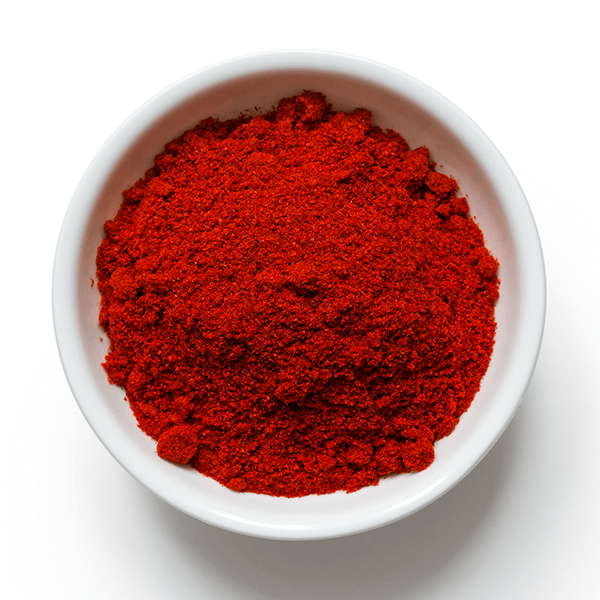
Carmine Cochineal Extract is a natural red pigment extracted from the female Dactylopius coccus insect, traditionally harvested from cacti in Central and South America. The primary bioactive compound, carminic acid, provides a vibrant, stable red-to-purple color spectrum that has been cherished for centuries. With carminic acid concentrations reaching ≥50%, this deep red powder offers exceptional color intensity and stability, making it a preferred choice in food, cosmetics, and industrial applications where natural, heat-resistant colorants are essential for regulatory compliance and consumer acceptance.
Understanding Cochineal Extract Carmine
Origins and Traditional Harvesting Methods
People have grown the cochineal insect for a long time, mostly in Mexico and Peru, before the Spanish arrived. Carminic acid is naturally made by female insects that eat certain kinds of cactus as a defense. As it has always been done, these insects are carefully picked out, dried, and then ground into a powder. The more modern ways of extracting carminic acid are more effective and keep its useful properties. Businesses that need regular, trackable raw materials can be sure that the quality will stay the same.
These days, extraction centers use alcohol, water, and solvents to get the carminic acid out of the bodies of insects. With these methods, extracts are made that are safe enough to be used in food and beauty products. To do this, they find a balance between purity and return efficiency.
Chemical Composition and Color Properties
The color of Carmine Cochineal Extract comes from a chemical called carminic acid, which is an anthraquinone derivative with the formula C₂₂H₂₀O₁₃. The pH level of this chemical makes it change color very well. It turns bright red when the pH is low and purple-red when the pH is normal to slightly high. This means that the extract can be used with a lot of different products.
When it comes to heat and light resistance, the extract is better than many man-made and natural dyes. It stays steady after being heated, sterilized, and put on a shelf for a long time. This is very important for companies that make drinks, sweets, and products. It dissolves easily in water, ethanol, and propylene glycol, among other physical properties. This makes it simple to add to a lot of different recipes.
Nutritional and Allergen Considerations
Both the FDA and the EFSA say that Carmine Cochineal Extract is safe to use up to a certain point. However, it doesn't have any nutritional value. Products in the European Union need to have clear labels that say things like "carmine," "cochineal extract," or "E120" in order to follow the rules. This lets buyers know what's going on and helps businesses follow global labeling rules.
The people who buy things should think about allergens. There have been some rare allergic responses to the extract, mostly in people who are already prone to them. Microbiological screening and heavy metal analysis are two tough tests that are used to make sure that batches meet safety standards for insecticide and contamination. They should ask for Certificates of Analysis (COA) and Material Safety Data Sheets (MSDS) to make sure they are following the rules.
Regarding vegan status, products that say they are vegan cannot use carmine because it comes from insects. It can be used in vegetarian products, though, and is commonly found in Halal-certified goods, as its Halal certification shows.
Applications and Benefits of Carmine Cochineal Extract
Diverse Industry Applications
Some industries use it in different ways. Carmine Cochineal Extract is used in lots of different places that need it to do different things. People color ice cream, drinks, gammon, sausage, cookies, cakes, and other foods and drinks with this dye. Makers can get bright colors with lower dose rates because the color is strong. This keeps the clean-label look and saves money.
Lipstick, blush, and eye makeup all contain carmine because it is steady at different pH levels and works well with emulsion systems. This means that the color lasts for a long time. We make sure that cosmetic-grade carmine is safe for microbes and works with a lot of different recipe bases, like oil-in-water emulsions and sticks that don't have any water in them.
Carmine isn't just a color. It's also used as a base stain for studying tissues and measuring carbohydrates in the lab. This use emphasizes how chemically stable it is and how predictable its reactions are. This makes it useful for people who make drugs and tests and need reliable reagents. Because it sticks to protein-based fibers, carmine can also be used to dye commercial linens. It stays on wool and silk longer than plant-based fabrics like cotton, so the colors are deep and last a long time.
Natural Alternative with Regulatory Advantages
Customers today want natural goods over manufactured ones more and more. Carmine Cochineal Extract fills this need because it is a natural colorant that doesn't come from plants and goes along with the current trend toward clean labels. When it comes to long-term safety or behavior effects, it doesn't have to go through as much testing as synthetic colors like Red No. 40. In places like the US and EU, this makes it easier to run the government.
As a result, the extract doesn't need as many extra stabilizers or agents, which speeds up the process of making new things. The color stays the same during processing because it doesn't break down at high temperatures. This is very important for baked goods and canned goods. The colors don't fade over time because the product is light stable. Customers are happy because the product looks good. Established manufacturers can offer more than 10,000 tons of goods every year, so buyers don't have to worry about supply changes.
Comparing Carmine Cochineal Extract with Alternative Colorants
Carmine versus Synthetic Dyes
Lab-made colorants, like Red No. 40 (Allura Red) and Red No. 3 (Erythrosine), are less expensive and make colors that are bright and even. But people are getting more and more against them, and the government is putting limits on them because they are worried about excitement in kids and effects that might cause cancer. Since Carmine Cochineal Extract is a natural product, it doesn't cause these issues and fits in with current trends around the world that like ingredients that come from insects and plants.
Things that make it safe are very different. Health officials are still keeping a close eye on man-made colors, even though carmine has been used for hundreds of years with few problems. People know that the extract can cause allergies, but labels can help control that. These days, people are liking natural colorants more and more. A market study found that items marked with natural colors are more likely to be bought by parents and people who care about their health.
Comparison with Other Natural Colorants
Annatto, pepper extract, and beetroot extract are some of the natural options that a lot of people use. The color of beetroot can range from red to pink, but it doesn't do well in hot places and quickly loses its color in acidic ones. Because annatto leans yellow to orange, it can't be used to make real red shades. Paprika extract turns things red-orange, but it is not always stable or strong.
Carmine Cochineal Extract is better than these other options when it comes to color brightness, stability, and how well the dose works. Because it has a strong color, formulators can get the shades they want with less of the ingredient, which brings down the cost of the whole thing. There are many items that can use it, from makeup to drinks that are acidic. This is because it can handle many pH levels and is very heat proof.
Organic versus Conventional Carmine
All of the requirements for organic Carmine Cochineal Extract are met by both the USDA and the EU. So, insects can be raised without using man-made poisons or food sources that have been genetically modified. Brands of natural products and organic food that want to keep a close eye on their ingredients will like this approval.
Conventional carmine is still used a lot because it is cheaper and works just as well in situations where biological approval is not very important. The only things that are different between the two versions are the clearance forms and how the colors are found. It is important to think about the wants of the target market and how to sell the business when making procurement plans.
Procurement Considerations for Carmine Cochineal Extract
Trusted Sourcing Regions and Certifications
Most of the cochineal insects in the world live in Latin America, especially Peru. Most of the best producers also live there. By using cutting-edge extraction technologies and tightly connected supply lines, China has grown to become a major provider of Carmine Cochineal Extract. People who are certified in ISO22000, HACCP, and organic farming should be given more weight when you are looking for service providers.
Brands can reach more customers, especially those from the Middle East and Israel, when they are certified as Halal or Kosher. No-GMO approval solves a problem with genetic modification, even though insects are not grown with GMOs. Traceability documents, like origin verification and batch records, help make the supply chain more open. As a buyer, you should ask for a full COA that shows the amount of carminic acid, microbe tests, and heavy metal screenings.
Pricing, MOQ, and Logistics Insights
The cost of Carmine Cochineal Extract is based on the amount of carminic acid, the approved level, and the order size. Most of the time, standard food-grade carmine with at least 50% carminic acid costs about the same as other brands. However, certified organic versions can cost more. Large companies can get better unit economy when they buy in bulk and order more than 500 kilograms.
Minimum Order Quantity (MOQ) relies on how much room a supplier has and how well their transportation system works. Manufacturers who have been in business for a while and can make more than 10,000 tons of goods every year can handle both test orders and full-scale production. Shipping needs to be carefully thought out because it is a powder that must be stored in closed containers that are cool, dry, and out of direct sunlight. A 24-month shelf life allows enough time to keep track of stock.
Supplier Evaluation and Quality Assurance
When you assess a supplier, you look at their credentials, how well they can make things, and their name. Check to see if the company has cGMP, ISO9001, BRC, or FSSC certificates. Site checks give you first-hand information about how to keep things clean and teach workers.
How reliable a source is depends on how much of it is made. Manufacturers with at least 50,000 square meters of space, multiple extraction lines, and 100,000-class cleanrooms can meet a wide range of product standards and make sure the quality is always the same. You can tell how scientifically skilled someone is by the advanced extraction methods they use, such as sound extraction, chemical hydrolysis, and nano-encapsulation. Long-term suppliers who have worked with big food, beauty, and drug companies can show that they do a good job.
Conclusion
Carmine Cochineal Extract is a natural dye that has been in use for a very long time and can be used in many ways. Any company that buys and sells goods in the food, cosmetics, pharmaceutical, or industrial sectors should use it. It has a strong color, doesn't fade in light or heat, and meets international safety standards. This makes it a great choice for businesses that want to use clean-label products they can trust.
When people know where something comes from, how it's used, and what to think about when they buy it, they can make smart choices about where to get it that improve the quality of their products and stay competitive in the market. When it comes from a trusted source and is accompanied by the right paperwork for tracking, it has long-term value and helps brands stand out in a market that is becoming more quality-conscious.
FAQ
Q1: Is Carmine Extract Safe for Food and Cosmetic Use?
Yes, Carmine Cochineal Extract can be used in food and beauty products as long as it's not too much. Even the EFSA has said this. It's safe for people to eat and put on their skin, according to many tests. A very small number of people have had very rare allergic responses. To let sensitive people know what's going on, signs should be very clear. Strict quality control checks each batch for heavy metals and chemical leftovers to make sure it meets safety standards.
Q2: How Does Carmine Compare to Synthetic Dyes in Sustainability?
Carmine Cochineal Extract is better for the environment than man-made colors that are made from materials that come from oil. Cochineal insects do not need a lot of water or chemical fertilizers to grow, which is good for the climate. Processing methods don't use harsh chemicals, and the insect-based start is good for wildlife as long as it's done right. Brands that are organically approved show that they care even more about the environment.
Q3: Can Carmine Be Used in Vegan Products?
No, you shouldn't use carmine in products labeled as vegan because it comes from insects. It can, however, be used in vegetarian foods and is often found in Halal-certified foods. If a business wants to sell to vegans, they should look into plant-based options like beetroot products or anthocyanins. People who want to sell to more people can use Carmine Cochineal Extract for its efficiency and stability perks.
Partner with BIOWAY for Premium Carmine Cochineal Extract Supply
BIOWAY INDUSTRIAL GROUP LTD has been making high-quality Carmine Cochineal Extract for over 15 years. It is a fully integrated plant extract business. Our factory in Shaanxi Province is more than 50,000 square meters big, and it has a Class 100,000 lab that's 1,200 square meters big. This makes sure that the goods are always very clean and consistent. Our extract is safe for use in food and beauty products because it meets the strictest international standards. It is certified organic by both the USDA and the EU. It is also certified Halal, ISO22000, and NON-GMO.
We keep more than 10,000 tons of stock on hand every year, so you can be sure of a steady supply for big purchases and safe long-term relationships. Our specialized R&D team helps both new businesses and well-known brands by giving them technical advice, making formulas work better, and giving them a choice of MOQs. Contact grace@biowaycn.com right away to get samples, bulk price quotes, or full product specs from a trustworthy provider that values quality, honesty, and following the law all over the world.
References
1. Dapson, R. W. (2007). "The History, Chemistry, and Modes of Action of Carmine and Related Dyes." Biotechnic & Histochemistry, 82(4-5), 173-187.
2. Downham, A., & Collins, P. (2000). "Colouring Our Foods in the Last and Next Millennium." International Journal of Food Science & Technology, 35(1), 5-22.
3. Imai, T., Tsuchiya, S., & Hirata, Y. (2006). "Allergic Reactions to Carmine: Two Case Reports and a Review of the Literature." Clinical & Experimental Allergy, 36(1), 130-136.
4. Scotter, M. J. (2015). "The Chemistry and Analysis of Annatto Food Colouring: A Review." Food Additives & Contaminants: Part A, 32(4), 451-468.
5. European Food Safety Authority (EFSA). (2015). "Scientific Opinion on the Re-evaluation of Cochineal, Carminic Acid, Carmines (E 120) as a Food Additive." EFSA Journal, 13(11), 4288.
6. Sigurdson, G. T., Tang, P., & Giusti, M. M. (2017). "Natural Colorants: Food Colorants from Natural Sources." Annual Review of Food Science and Technology, 8, 261-280.
Contact Us
Grace HU (Marketing Manager) grace@biowaycn.com
Carl Cheng ( CEO/Boss ) ceo@biowaycn.com
Website: www.biowaynutrition.com
Post time: Aug-10-2026