
Introduction
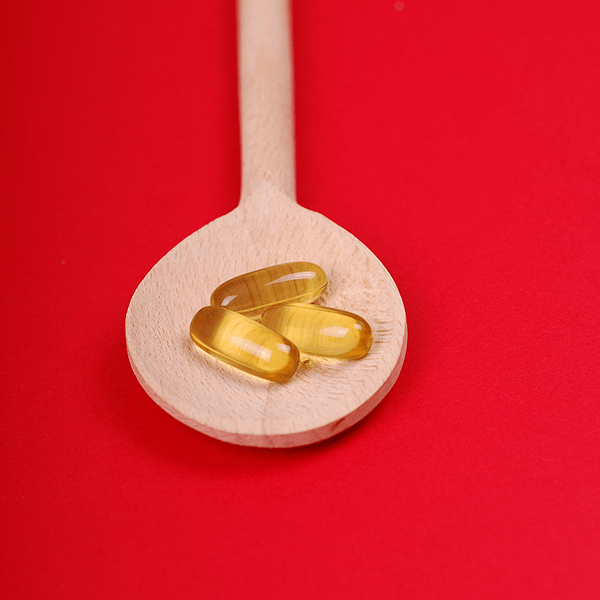
Ubiquinone, or coenzyme Q10, is an essential biological energy catalyst that is present in all human cells. This potent antioxidant molecule promotes cardiovascular health, epidermis regeneration, mitochondrial energy, and anti-aging. CoQ10 is utilized in nutraceuticals, dietary supplements, apparel, and pharmaceuticals as a result of its advantages in cellular metabolism, antioxidant protection, and overall health. The energy supplement, cardiac health, anti-aging, and therapy industries all benefit from the compound's adaptability.
Understanding Coenzyme Q10 and Its Benefits
Coenzyme Q10, a complex energy molecule, is a crucial cofactor in the electron transport of electrons chain. The previously mentioned molecule's quinone structure efficiently transports electrons, and ATP production generates cellular energy. CoQ10 is essential for the production of energy-boosting dietary supplements as a result of this chemical process.
Molecular Structure and Energy Production
CoQ10's complicated aqueous structure, C59H90O4, makes it easy to absorb into the cell membranes when energy is produced. Ubiquinone improves mitochondrial electron transfer and nutrient conversion into energy. The heart, the liver, and the muscles, which need a lot of energy, depend on this system.
Cardiovascular Health Applications
Research demonstrates that CoQ10 affects cardiovascular health in several ways. The chemical reduces oxidative damage, helps heart muscle function, and maintains appropriate blood pressure. Clinical studies reveal that cardiac patients have low CoQ10 levels, making supplementation useful.
Antioxidant Defense Mechanisms
CoQ10 produces energy and fights free radicals that harm cells. This dual purpose—energy augmentation and antioxidant protection—gives enterprises targeting active aging demographics and performance-oriented clients additional formulation options.
Coenzyme Q10 Applications Across Industries and Markets
CoQ10's adaptability is evident in the diverse range of industry sectors, each of which employs specialized qualities to meet the distinct needs of its consumers. Developing the most successful marketing techniques to reach their intended audiences is facilitated by procurement professionals' comprehension of these applications.
Nutraceutical and Supplement Industries
The nutraceutical industry is the most common consumer of CoQ10 constituents, adding the substance into a variety of delivery systems. Softgel capsules continue to be the preferred method of administration for CoQ10, as its liquid form necessitates oil-based carriers for proper absorption. Manufacturers frequently implement dosages that vary from 30mg to 400 milligrams per serving, contingent upon the intended demographic and medicinal purposes.
It is particularly advantageous to incorporate CoQ10 into energy supplements, as the component directly stimulates the manufacturing of cellular ATP. A growing market segment is composed of athletes and fitness devotees who find value in improving their athletic ability through natural methods, without the addition of fake stimulants. The need for CoQ10 is also influenced by the natural depletion of energy that mature consumers experience as they age.
Cosmetic and Personal Care Formulations
Coenzyme Q10 is being increasingly integrated into cosmetic products as a result of its established skin-protective or anti-aging properties. The compound's energy-enhancing properties help the cellular rejuvenation processes that are essential for the formation of healthy skin, while its antioxidant properties aid the process of neutralization of damage to the environment caused by sunlight and pollution.
To ensure efficacy and product stability, CoQ10 quantities in premium cosmetics formulae are frequently calibrated within a 0.1% to 1.0% range. When effectively mixed with vitamins C and E, the chemical generates comprehensive antioxidant systems that appeal to quality-conscious clients.
Pharmaceutical and Therapeutic Applications
In pharmaceutical applications, the procurement of CoQ10 requires GMP-grade materials that are entirely transparent and documented, because they represent some of the nation's highest standards of quality. These products are specifically intended to address specific maladies in which the lack of CoQ10 exacerbates the severity of symptoms or presents obstacles to adequate treatment.
The 98% pure specification is highly regarded by the pharmaceutical industry, as it ensures that there are very few contaminants that may affect compliance with regulations or therapeutic outcomes. This grade is generally priced at a fee, but it provides manufacturers with the assurance required for clinical applications.
Comparing Coenzyme Q10 Forms and Market Offerings
It is essential to understand the unique characteristics and purposes of the various CoQ10 forms in order to pick the most appropriate one. Market variations encompass a diverse array of supplementary constituents, manufacturing processes, and purity levels that influence both price and performance considerations.
Ubiquinone vs. Ubiquinol Considerations
Ubiquinone is the modified form of CoQ10, and this is naturally present in foods and was traditionally used in supplements. This variety is the most suitable for large-scale factories because of its outstanding balance during the stockpiling and manufacturing processes. The body efficiently converts ubiquinone from the active form as necessary, ensuring therapeutic benefits, irrespective of the initial substance.
The decreased form of ubiquinol offers pre-converted bioavailability, but it also presents significant manufacturing challenges. The rapid oxidation of this form in the presence of air and light necessitates the use of specialized containment equipment and controlled atmospheric processing. However, the cost discrepancy frequently exceeds the practical benefits for a majority of applications, despite the fact that some studies suggest that absorption is enhanced.
Purity Specifications and Quality Standards
On the market, CoQ10 can be found in a range of purity grades, including 10%, 20%, and 98% concentrations. The 98% specification is the denotation for the premium grade, which is distinguished by its minimal impurities and maximal potency per unit weight. This concentration is the most cost-effective for manufacturers that operate according to stringent quality standards or require high-potency formulations.
Lower purity grades are utilized in price-conscious markets or for goods where CoQ10 plays a supportive function rather than a primary one. Nevertheless, the dosage formulas become more intricate, and claims on labels may necessitate meticulous evaluation to guarantee accuracy and adherence.
Production Method Implications
Fermentation-derived Coenzyme Q10 has numerous advantages over synthetic alternatives, such as a 100% all-trans isomeric configuration that precisely matches human biochemistry. This organic manufacturing method is attractive to consumers who are interested in clean-label ingredients and provides manufacturers with a more robust marketing position.
The utilization of specialized yeast strains in the fermentation process results in consistently materials of the highest quality with exceptional batch-to-batch reproducibility. This dependability is essential for manufacturers that necessitate consistent the product's performance across production lines and predictable supply chains.
How to Procure High-Quality Coenzyme Q10 for Your Business
Achieving successful procurement of CoQ10 necessitates strategic planning that effectively balances operational needs, budget constraints, and quality requirements. Informed decisions that improve both price and performance outcomes are made possible by comprehending market dynamics and provider capabilities.
Volume and Specification Planning
Analyzing projected utilization rates, shelf-life factors, and storage capabilities is necessary to determine appropriate order volumes. Proper storage conditions are necessary due to CoQ10's susceptibility to heat and light, which may affect a minimum number of orders and delivery schedules.
The requirements of the specification should be consistent with the regulatory environments and intended applications. Comprehensive documentation, such as certificates of analysis, stability info, and manufacturing compliance records, is required for pharmaceutical-grade applications. While maintaining fundamental quality standards, food and cosmetic products may allow for more adaptable specifications.
Supplier Evaluation Criteria
The most critical evaluation aspect when selecting CoQ10 suppliers is quality assurance capabilities. Comprehensive testing protocols that encompass purity, potency, safety from microbes, or heavy metal contamination are implemented by reputable manufacturers. These testing capabilities guarantee regulatory compliance and consistent quality in all cargoes.
Supplier capabilities are further enhanced by manufacturing certifications, such as GMP, the international standard ISO 2 and organic standards. The quality systems required to obtain global market access are demonstrated by BIOWAY's complete certification portfolio, which includes USDA/EU conventional, HALAL, KOSHER, or FDA registrations.
Cost Optimization Strategies
Established producers with predictable utilization patterns frequently benefit from bulk purchasing agreements, which frequently result in substantial cost reductions. Nevertheless, these arrangements necessitate meticulous assessment of inventory management capabilities and storage requirements to prevent material damage during prolonged storage periods.
Pricing can be stabilized through long-term supply agreements, which also guarantee uninterrupted access during market fluctuations. These partnerships are especially advantageous due to the intricate production requirements of CoQ10 and the scarcity of qualified suppliers on a global scale.
Safety, Dosage, and Potential Side Effects of Coenzyme Q10
Understanding safety parameters and dosage guidelines for Coenzyme Q10 enables manufacturers to develop products that maximize benefits while minimizing potential adverse effects. This knowledge supports accurate label claims and helps ensure consumer safety across diverse applications.
Recommended Dosage Guidelines
Clinical research provides support for daily dosages of 30mg to 300 mg for general wellness applications. However, specific conditions may necessitate higher dosages under professional supervision. Age-related factors considerably influence optimal administration, as natural mineral CoQ10 production decreases significantly after the age of 40, resulting in increased supplementation requirements among mature consumers.
Typically, concentrations of 100mg to 200mg are used for cardiovascular support applications, while energy and exercise benefits for performance may be observed at lower doses of 60mg to 120mg per day. This range allows manufacturers to maintain evidence-based efficacy claims while preserving flexibility in product positioning.
Safety Profile and Contraindications
In a diverse array of populations, CoQ10 demonstrates exceptional safety profiles, even at higher concentrations, with minimal negative impacts reported. It is appropriate for supplementation in protocols due to the compound's natural presence in human cells and dietary sources, which contributes to its favorable safety profile.
Appropriate label warnings and physician consultation recommendations are necessary due to potential interactions with specific medications, particularly blood-thinning agents. These considerations are especially significant for pharmaceutical-grade products that are designed to address specific health conditions.
Quality Control Considerations
The primary managing challenge for CoQ10 is its thermal sensitivity, as the element dissolves at nearly 48°C. Storage and transportation protocols must take this characteristic into account in order to prevent material degradation and maintain the product's integrity throughout the supply chain.
Protective packaging options are essential to secure the content from exposure to sunlight during preservation and consumer use, as it is sensitive to light. These requirements may have an impact on the product's overall cost and the selection of packaging, particularly in the matter of transparent container formats.
Conclusion
Due to its unique combination of antioxidant and revitalizing properties, Coenzyme Q10 is a valuable tool for manufacturers who are developing health-oriented products. This resource is employed in a wide range of industries. The compound's possible applications are extensive, including nutraceuticals, pharmaceuticals, cosmetics, and functional foods. Unique quality standards and formulation strategies are required for each of these applications. A successful acquisition of a good is contingent upon the understanding of purity specifications, methods of production, and handling requirements that ensure compliance with regulations and optimal performance of the item.
FAQ
Q1: What industries benefit most from CoQ10 supplementation?
CoQ10's major market is nutraceuticals, especially cardiovascular health & anti-aging supplements. Cosmetic makers use CoQ10 more for luxury skincare for senior clients. High-quality materials are needed for pharmaceutical applications that treat particular diseases.
Q2: How does fermented CoQ10 compare to synthetic alternatives?
Synthetic CoQ10 may include physiologically inactive cis-isomers, however fermented CoQ10 is 100% all-trans. High-quality fermentation with particular yeast strains enhances natural product positioning for health-conscious customers.
Q3: What storage conditions are required for CoQ10 powder?
CoQ10 must be stored below 25 degrees Celsius in light-resistant, sealed containers to avoid deterioration. The compound's minimal melting point of 48 degrees Celsius makes temperature control during transportation crucial, especially in summer. Material clumping and potency loss may be avoided with proper storage.
Q4: What purity level should manufacturers choose for different applications?
Pharmaceutical and luxury supplement applications needing the highest efficacy and few contaminants may use 98% purity. Functional foods and cost-sensitive applications that benefit from CoQ10 at 20% may be sufficient.
Q5: How can manufacturers improve CoQ10 bioavailability in their products?
CoQ10 absorption is much higher in softgel capsules than in dry powder capsules. Bioavailability may be increased by adding lipids or utilizing specific solubilization methods. Micronization boosts dissolution.
Partner with BIOWAY for Premium Coenzyme Q10 Solutions
BIOWAY is your reliable Coenzyme Q10 provider, supplying 98% pure ubidecarenone from sophisticated fermentation. GMP, the ISO 22000, HACCP, and USDA/ European Union Organic certifications, and our modern 50,000+ square meter facilities in Shaanxi Province provide constant quality that satisfies worldwide pharmaceutical and nutraceutical standards. Our specialized 1200⎡ cleanroom facility and variable standards from ten percent to 98% purity provide tailored solutions for various industrial applications. Talk to grace@biowaycn.com about your CoQ10 procurement requirements and see how our 15+ years of botanical extract knowledge can improve your product compositions with dependable, high-quality ingredients.
References
1. Crane, F.L. "Coenzyme Q10 biochemistry.Journal for the American School of Nutrition, 20(6), 2001, 591-598.
2. Littarru, GP, and Tiano L. "Bioenergetic or antioxidant activities of coenzyme Q10: Some recent breakthroughs." Molecular Biotechnology 37, no. 1, 2007, 31-37.
3. Bhagavan, H.N., Chopra, R.K., "Coenzyme Q 10: absorption, cell uptake, metabolism and bioavailability." Free Radical Research, 40, 5, 2006, 445-453.
4. Mortensen et al. "Coenzyme Q10 with chronic heart failure morbidity and death." JACC Heart Failure, 2(6), 641-649, 2014.
5. Hidaka, Y., et al. "CoQ10 safety evaluation."BioFactors 32, 1-4, 2008, 199-208.
6. Zhang, Y. "Mitochondrion function in skin: the impacts of coenzyme Q10, or Q10, on energy production in cell metabolism." Experimental Dermatology 15, 8 (2006): 622-629.
Contact Us
Grace HU (Marketing Manager) grace@biowaycn.com
Carl Cheng ( CEO/Boss ) ceo@biowaycn.com
Website: www.biowaynutrition.com
Post time: Mar-19-2026