
Introduction
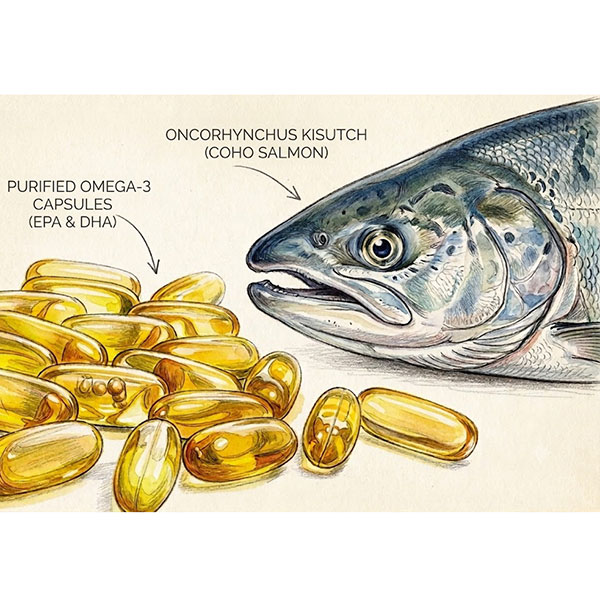
Docosahexaenoic acid (DHA) is a significant omega-3 fatty acid that is utilized in various areas, including functional foods, dietary supplements, baby food, makeup, and drug formulas. Long-chain polyunsaturated fatty acids like these help the brain grow, the heart stay healthy, and the eyes work well throughout life. DHA is an important ingredient in products that help with pregnancy, brain health, and inflammation.
Understanding Docosahexaenoic Acid: Definition and Key Uses
What Exactly Is DHA and Why Does It Matter?
Docosahexaenoic acid is one of the most highly complex omega-3 fatty acids. It has 22 carbon atoms and six double bonds. We need to get it from food or vitamins since our bodies can't make enough of it on their own. Brain cells, eye cells, and heart muscle are where you can find the most DHA. Plus, it helps keep cell membranes fluid and supports routes that are good for your brain and heart.
Primary Applications Across Health and Nutrition Sectors
People who make goods for many different industries use DHA to make healthy items. The fatty acids in infant formula are changed by adding DHA to make it more like breast milk. This helps the brain grow in the first six months of life, which are some of the most important for brain growth. Functional beverage companies add DHA to their drinks to attract customers who care about their health and want to boost their brain power. Companies that make cosmetics use DHA in skin care items because it keeps the face moist and lowers inflammation. At the same time, drug companies are trying to figure out how to use it to help mood issues and stop heart disease before it starts.
A clinical study shows that getting enough DHA while pregnant reduces the risk of early labor and supports the baby's brain development. A lack of DHA has been linked to more cases of ADHD and autism spectrum disorders in kids. On the other hand, kids who had more DHA at birth did better with their brain growth.
Comparing Fish-Derived and Algal-Based DHA Sources
The people who decide what to buy need to look at what makes each DHA source special. Taking DHA and EPA, which are other good omega-3 fatty acids, out of fish oil makes people worry about the long-term health of marine environments and the chance that heavy metals or polychlorinated biphenyls will get into the oil. These risks can be lowered by following strict cleaning rules, but the supply chain is still vulnerable to changes in government rules and fishing seasons.
Algal DHA comes from microalgae like Schizochytrium species that are grown. It has many benefits that are important to B2B buyers. This source from plants is good for vegan and vegetarian foods. It doesn't have any contaminants that could be brought by the ocean, and controlled fermentation processes make the supply safer. BIOWAY gets algae DHA that is very pure and is approved organic by both the EU and the USDA. This makes sure it can be tracked and is up to par with foreign rules. The light yellow to orange thick liquid keeps its 40% DHA level, which is in line with strict pharmaceutical standards. It also doesn't have any GMOs, chemicals, or preservatives.
Health Benefits and Scientific Insights on DHA
Cognitive Development and Neurological Function
Several studies have shown that docosahexaenoic acid (DHA) is critically important for brain structure and function. During pregnancy and the first few years of life, DHA accumulates rapidly in brain cells—primarily in the cerebrum and retina. This docosahexaenoic acid supports synapse development, myelination, and nerve signal transmission. Research demonstrates that when pregnant or breastfeeding women supplement with DHA, their children show improved cognitive performance, visual acuity, and problem-solving abilities during early childhood, highlighting the essential role of docosahexaenoic acid in neurodevelopment.
Eating a lot of good DHA foods may help people keep their brains from getting worse as they age. Researchers who look at changes over time have found that people who eat more omega-3 fatty acids are less likely to get Alzheimer's disease and dementia. Meta-analyses show that older people, especially those who were already showing signs of mild cognitive loss, can keep their memories and process information faster with a little help. There is a range of results from scientific studies.
Cardiovascular Health and Metabolic Benefits
DHA changes the heart and lungs in more than one way. Triglyceride levels go down because it stops the liver from making lipoproteins and speeds up the burning of fatty acids. Studies have shown that taking 2–4 grams of vitamins every day can lower triglyceride levels by 15–30%. This is a drop that is clinically important for people with hypertriglyceridemia. A small drop in blood pressure is also caused by DHA. It also improves the function of circulatory cells and may lower the chance of seizures.
Based on some proof, taking DHA supplements might help people who already have heart problems. Some healthy groups may not have their first heart attack or stroke, though. The anti-inflammatory effects of DHA help keep immune reactions in check, which are linked to the development of atherosclerosis.
Recommended Dosage and Safety Considerations
Health workers tell people different things based on their age and health. For the health of their kids, women who are pregnant or nursing should take in 200 to 300 mg of DHA every day. Most adults need between 500 mg and 1000 mg of EPA and DHA every day to keep their hearts healthy. Some people with mood issues may feel better when they take 1000 to 2000 mg per day, but they should only do so if their doctor tells them to.
It is very safe to take DHA pills in normal amounts. There may be slight gut pain, a fishy smell, or feeling sick sometimes as a side effect. If someone is more likely to bleed or takes drugs that stop blood clots, they may bleed more if they take more than 3 grams per day. To make sure the product is safe, quality control checks are still needed to look for heavy metals, high amounts of peroxide, and bacterial contamination.
Comparison and Selection of DHA Supplements for Procurement
DHA Versus Other Omega-3 Fatty Acids
It helps to know the differences between omega-3 types so you can pick the right ones. Docosahexaenoic acid (DHA) needs to be changed from ALA, which is found in flaxseed and walnuts, to DHA. This method doesn't work well on people, though; conversion rates are usually less than 5%. EPA and DHA are often found together in saltwater sources. They work better together to help reduce inflammation and may even make omega-3 pills work better overall.
When making products for babies and pregnant women, where brain growth is most important, many companies choose DHA-dominant formulas. The amounts of DHA and EPA are often kept in check by products that focus on heart health. There are different chemical types that are bioavailable in different ways. Triglyceride forms are better at being taken than ethyl ester forms, but these differences can be lessened if the chemicals are mixed with food in the right way.
Evaluating Supplement Formats for Industrial Applications
Which pills, drinks, or powders to use depends on the tastes of the people you want to sell to and how well you can make them. Softgel pills are the most common type of vitamin sold in shops. This is because they are simple to understand and give the right amount. But to make them, you need special tools and either gelatin or vegetables for the shells. Liquid DHA oils can be used in a lot of different ways in useful foods and drinks. However, because they aren't very stable, they need to be carefully packaged and nitrogen blanketed to protect them from oxidation.
A clever way to solve several problems with buying is to use microencapsulated DHA powder. Protective structures keep polyunsaturated bonds from breaking down due to oxidation in this style, which keeps food fresh for up to 24 months. The powder gets rid of fishy tastes and smells that often make people less interested in buying something. It lets you add it to dry-blend goods like protein shakes, baby formula, and direct compression tablets, which you couldn't do with liquid oil.
A key sign of quality is the amount of oil on the powder's surface. If the oil level is below 1%, the closing is good. It is important to us that the powder specs we use keep the amounts of peroxide and anisidine low. This makes sure that the powder stays fixed all the way through the supply chain.
Plant-Based Versus Marine-Sourced DHA: Strategic Considerations
Cost frameworks, as well as pollution and sustainability levels, change a lot between sources. DHA from marine sources generally costs less per kilogram, but it needs to be cleaned up and checked more thoroughly to make sure it meets government standards for PCBs, heavy metals, and dioxins. Changes in supply that happen because of fishing limits and natural factors are what cause procurement risk.
The high cost of making algal DHA and its placement in the market as a veggie product are what make it so expensive. It makes the supply more reliable to be able to make things all year, no matter the season. People who want to make clean-label, plant-based, or organic goods can't do without algal sources, even though they cost more. We can always meet large-scale buying needs because we can store more than 10,000 tons of goods every year.
Practical Procurement Guide: Buying DHA in Bulk
Understanding Pricing Variables and Market Dynamics
Learn how markets work and how prices change. There are several things that can change the price of DHA in bulk. Cost is directly related to how pure it is, with fees being the same for amounts of 25% to 70% or more. The price changes depending on how much you buy. Orders that weigh more than 500 kg usually get better deals. How you pay, ship, and package the goods also has an effect on the final prices.
Regional buying problems can change how logistics plans are made. Most of the world's DHA comes from algae and is made by Asian companies. Because of this, it takes 4 to 6 weeks for goods to arrive between countries. To keep things from taking too long, tax classes and customs paperwork need to be carefully read. Our US warehouse is 3,000 square feet and cuts down on shipping times making it easier to follow the rules. This makes it easier to get things to markets in North America.
Identifying Reputable Suppliers Through Certification Standards
Making sure the seller is trained is the first step in quality control. Reliable DHA companies keep their Good Manufacturing Practice (GMP) licenses up to date. This shows that they follow the rules for making goods that are safe for medicinal use. Testing by outside labs makes sure that the requirements are met and that any toxins are found. Certificates of Analysis (COA), Material Safety Data Sheets (MSDS), and allergy statements are just a few of the forms that you should look for from a provider.
We have ISO22000 certification for handling food safety, Halal certification for people who follow religious diets, and organic approvals from both the USDA and the EU for the way we grow our food. More and more customers and the government want to know more about genetic engineering, and our Non-GMO proof meets those needs. These badges show that the product is of good quality and follows all the rules in different areas.
Best Practices for Sample Evaluation and Quality Verification
Procurement professionals should request docosahexaenoic acid (DHA) samples for independent testing before committing to large purchases. Evaluate organoleptic properties relevant to your application—including color consistency, odor, and taste. To verify DHA content and quality, employ heavy metal screening, gas chromatography, and oxidative stability markers such as peroxide value, anisidine value, and TOTOX. These analytical methods ensure that the docosahexaenoic acid meets specifications for purity, potency, and freshness before you finalize supplier contracts.
The conditions of keeping have a big impact on how safe DHA is. It's important to keep your things in cool, dry places that are away from light and air. If you vacuum-seal or cover powders or oils in nitrogen, they will last longer. The first-in, first-out rule is used in rotation routines to keep things from going bad.
Future Trends and Innovations in DHA Production and Applications
Advanced Algal Cultivation Technologies
Using new technologies to help algae grow. How much DHA costs and how much damage it does to the earth are changing because of new ways to ferment it. Using closed bioreactors to grow heterotrophic algae gets rid of the need to compete for space that comes with traditional farming. It also makes more volume than systems that use ponds. By changing the genes of certain types of algae, more DHA can be stored in each cell, which lowers the cost of processing. It should be easier to compete on price with sea sources with these new ideas, which are also good for the earth.
There are more ways to make things when you find new types of microalgae. Some types raise DHA amounts above 50% of all fatty acids, which makes extraction work much better. Waste stream valorization turns industrial waste into food for animals or energy, which makes the whole process more cost-effective. As these technologies get better and more people use them, they should become cheaper to get and safer to receive.
Emerging Market Opportunities Beyond Traditional Supplements
Medical foods that are made with DHA are being used more and more to help people with certain illnesses. In clinical tests, targeted DHA treatment is being tried out for mental health issues, neurodegenerative diseases, and inflammatory conditions. Once pharmaceutical-grade DHA ingredients are accepted by officials for use in prescription omega-3 drugs, they have to meet stricter standards for purity and production.
The functional food business is always coming up with new, strange ways to add DHA to food. More baked goods, dairy products, and snack foods are getting omega-3s, which is good for people who care about their health. Because DHA reduces inflammation, it is used in makeup to make high-end skin care items for sensitive or old skin. With these different apps, you can buy things from a lot of different stores.
Regulatory Developments Shaping Compliance Requirements
New and changing rules cover things like making labels clear, making claims about being environmentally friendly, and making sure products are safe. The FDA keeps adding to the list of health claims that are okay to make about omega-3 fatty acids and heart disease. The European Union has set limits on the amount of oxidation markers that can be found in fish oil products. Likely, these rules will also apply to sources of algae. Environmental, Social, and Governance (ESG) reporting standards pay more attention to how sustainable the supply chain is and favor sellers who have proven methods for keeping track of their products.
Blockchain technology and digital tracking systems are becoming more popular as ways to show that you follow the rules and earn customers' trust. We are ready to meet these new openness standards because we have a full paperwork package that includes third-party audit reports and records of the chain of ownership. When buying, teams want to work with sellers for a long time; they should check to see how well the sellers can adapt to new rules and market needs.
Conclusion
Docosahexaenoic acid is crucial for human development and health maintenance. Because of this, businesses that make food, drugs, and cosmetics can use it. If you want to be a good buyer, you need to know the difference between marine and plant sources, be able to judge quality by strict standards, and be able to see how the market will move toward openness and sustainability. Powder or liquid types can be used, depending on what the job calls for. When used in dry-blend recipes, microencapsulated powders stay stable longer. Even if production methods change and rules get stricter, you can always get high-quality DHA from approved providers because they are part of a strategic network.
FAQ
Q1: What distinguishes pharmaceutical-grade DHA from standard supplements?
DHA that is used in medicine has to meet higher levels of quality. Most of the time, it has DHA levels above 90%, low TOX levels below 10, and careful tests for heavy metals, PCBs, and dioxins that show levels below what is allowed. The goods are made in GMP-approved plants using steps and batches that have been tried and tested and shown to work. Not all standard pills are made to the same high standards, but the ones that are still sold by reputable companies still use strict testing methods. When used in medicine, the purest amounts are needed. But when making food and supplements, the makers have to balance quality needs with cost problems based on how they want to sell their goods.
Q2: How does microencapsulation improve DHA stability in powder form?
Drops of DHA oil are put inside layers of protection made of changed starches, proteins, or carbohydrates. This wall stops oxygen from getting to the polyunsaturated fats' weak double bonds, which is what turns them rancid. When you cover something, you get rid of almost all the oil on the surface. This stops oxidation processes right away. If you keep DHA powder properly and seal it well, it will stay stable for 24 months. Oils that aren't packed well will only last 12 to 18 months. With this technology, DHA can be added to dry goods that previously couldn't be mixed with liquid oils. It also gets rid of smells like fish that make people not want to buy the item.
Q3: What testing protocols should procurement teams require from DHA suppliers?
A full quality check includes gas chromatography analysis to find out the exact amount of DHA and fatty acids, readings of peroxide value and anisidine value to see how stable the product is against oxidation, and heavy metal screens for arsenic, mercury, lead, and cadmium. Microbiological tests should be done to make sure that germs like E. coli and Salmonella are not present on the plates, along with amounts of yeast and mold. For each batch, suppliers should give documents of Analysis with a list of all the test findings. They should also give documents for being organic, non-GMO, and GMP compliant. When a third-party lab backs up what the seller says, it’s more trustworthy.
Partner with a Trusted Docosahexaenoic Acid Supplier
BIOWAY (XI'AN) ORGANIC INGREDIENTS CO., LTD offers pharmaceutical-grade Docosahexaenoic acid. They have worked with foreign companies for more than 15 years. Our DHA from algae stays at a 40% level in both powder and liquid form. The USDA and the EU both say it is organic, and there is full proof of its safety and tracking under ISO22000. We make it easy for customers to get high-quality DHA goods for use in functional foods, dietary supplements, baby food, and cosmetics. Our building is in the U.S. and can hold more than 10,000 tons of DHA per year. Send an email to grace@biowaycn.com to get product information, bulk order prices, or sample evaluation kits that are made just for your recipe needs.
References
1. Swanson D, Block R, Mousa SA. "Omega-3 Fatty Acids EPA and DHA: Health Benefits Throughout Life." Advances in Nutrition, 2012; 3(1): 1-7.
2. Arterburn LM, Hall EB, Oken H. "Distribution, Interconversion, and Dose Response of n-3 Fatty Acids in Humans." American Journal of Clinical Nutrition, 2006; 83(6): 1467S-1476S.
3. Koletzko B, Lien E, Agostoni C, et al. "The Roles of Long-Chain Polyunsaturated Fatty Acids in Pregnancy, Lactation and Infancy: Review of Current Knowledge and Consensus Recommendations." Journal of Perinatal Medicine, 2008; 36(1): 5-14.
4. Dyerberg J, Madsen P, Møller JM, Aardestrup I, Schmidt EB. "Bioavailability of Marine n-3 Fatty Acid Formulations." Prostaglandins, Leukotrienes and Essential Fatty Acids, 2010; 83(3): 137-141.
5. Bernstein AM, Ding EL, Willett WC, Rimm EB. "A Meta-Analysis Shows That Docosahexaenoic Acid from Algal Oil Reduces Serum Triglycerides and Increases HDL-Cholesterol and LDL-Cholesterol in Persons without Coronary Heart Disease." Journal of Nutrition, 2012; 142(1): 99-104.
6. Kuratko CN, Barrett EC, Nelson EB, Salem N Jr. "The Relationship of Docosahexaenoic Acid (DHA) with Learning and Behavior in Healthy Children: A Review." Nutrients, 2013; 5(7): 2777-2810.
Contact Us
Grace HU (Marketing Manager) grace@biowaycn.com
Carl Cheng ( CEO/Boss ) ceo@biowaycn.com
Website: www.biowaynutrition.com
Post time: Jul-14-2026