
Introduction
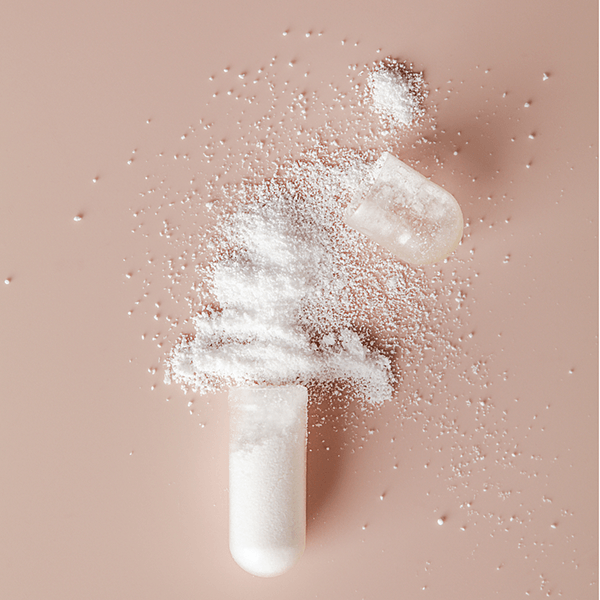
Eicosapentaenoic acid is a strong omega-3 fatty acid that reduces inflammation, supports heart health, lowers cholesterol levels, and improves mental health. This compound from the ocean is very important for controlling immune responses and has been shown to help with chronic inflammation. Because of this, it is an important part of functional foods, dietary supplements, and medicines that aim to improve heart health and metabolic balance.
Introduction
As the need for nutritional ingredients backed by science grows around the world, omega-3 fatty acids have firmly established themselves at the top of the list for functional food creation and therapeutic nutrition. EPA stands out among these important fats because it has specific biological effects and health effects that can be measured. Over thirty years of clinical study have proven its role in protecting the heart, supporting the nervous system, and adjusting the immune system.
We know that people who work in B2B sourcing are under more and more pressure to find ingredients that meet both legal rules and formulation performance standards. Understanding EPA's many benefits and where to get it is important for staying ahead of the competition, whether you make functional drinks, nutraceutical pills, or makeup formulas.
The market for omega-3s grew to $4.1 billion in 2023, with EPA-focused goods gaining market share because they are better for treating certain conditions. This guide talks about the technical, legal, and practical sides of EPA buying. It will help you make choices that are in line with your quality standards and production needs.
Understanding Eicosapentaenoic Acid (EPA)
Chemical Structure and Classification
Long-chain polyunsaturated fatty acid EPA has 20 carbon atoms and five cis-double bonds. It is in the omega-3 family because its first double bond is at the third carbon from the methyl terminal. The unique biological features of EPA come from its structure (C20H30O2, molecular weight 302.4 g/mol). The substance is naturally a clear, pale yellow, sticky liquid. However, thanks to improvements in processing methods, it is now available as a powder, which makes it more stable and useful in a wider range of situations.
EPA is mostly made up of three chemical types today: ethyl esters (EE), re-esterified triglycerides (rTG), and free fatty acids (FFA). The rTG form is more bioavailable than the EE versions, with absorption rates that are up to 70% higher. This difference is very important when making goods where dosage effectiveness and blood plasma saturation are important measures of success.
Natural Sources and Production Methods
Commercial EPA production is mostly based on marine sources, with cold-water fish like anchovies, sardines, and mackerel being the main sources of raw materials. The phytoplankton and microalgae that these fish eat help them naturally build up EPA. A new type of EPA made from algae called Nannochloropsis species is a long-lasting choice that is good for the earth and can be used in vegan products without lowering purity standards.
Our factory uses molecular distillation to get EPA amounts higher than 95%, which gets rid of saturated fats and environmental toxins like persistent organic pollutants. This high-tech cleaning method makes sure that the standards for pharmaceutical-grade products are always met across all production runs. As a standard, the powder form we make has an EPA level of at least 10%. It looks like a white to light yellow powder that flows easily and mixes well with cold water.
Biological Mechanisms
At the molecular level, EPA acts as the direct precursor to 3-series prostaglandins and E-series resolvins. These are specific pro-resolving molecules that stop inflammatory processes in their tracks. EPA-derived metabolites actively support the resolution phase of inflammation, bringing tissues back to homeostatic balance. This is different from general anti-inflammatory drugs, which only slow down the immune reaction. This is how EPA works in the body to help with diseases that cause long-term systemic inflammation, like heart disease, metabolic syndrome, and some neuropsychiatric problems.
Key Health Benefits of Eicosapentaenoic Acid
Cardiovascular Protection
At therapeutic amounts, clinical studies have shown that EPA can regularly lower triglyceride levels by 20 to 30 percent. EPA is better for people with mixed dyslipidaemia because it does not raise LDL cholesterol levels as DHA does. Over 8,000 people took part in the REDUCE-IT trial, which found that high-purity EPA ethyl ester cut cardiovascular deaths by 25% compared to a placebo. Because of these results, EPA has become an important part of heart health vitamins and other drug treatments.
People who work in procurement who are making cardiovascular product lines should know that the effectiveness is directly linked to the quality and safety of EPA. Products with TOTOX values (2PV + pAV) below 26 keep their restorative integrity, while versions that have been oxidized may actually make oxidative stress worse instead of better.
Anti-Inflammatory Properties
Eicosapentaenoic acid (EPA)'s ability to reduce inflammation isn't just useful for heart health. The substance changes the production of cytokines, which lowers pro-inflammatory markers like interleukin-6 and tumour necrosis factor-alpha and raises interleukin-10, which reduces inflammation. Because it balances the immune system, EPA is useful in products that treat inflammatory conditions, help athletes recover, and are meant to improve overall health by controlling the mild inflammation that comes with modern living.
Doses between 1,000 mg and 3,000 mg per day have been shown to help with inflammatory conditions, but higher amounts may be needed for medicinal purposes. This dosage rule affects how products are made, especially the size of capsules, dose sizes, and daily value claims on supplement packages.
Cognitive and Mental Health Support
New study shows that taking EPA supplements can help people with mood problems, especially those with major depressive disorder. Meta-analyses show that EPA-dominant formulations (with EPA:DHA ratios above 2:1) work better for sadness than DHA-dominant or neutral formulations. EPA's effect on neuroinflammation and neurotransmitter function is more likely to be to blame than DHA's direct absorption into neural membranes, which is what DHA does.
This difference is important to keep in mind when making goods for mental health versus cognitive ability. Brain health supplements that help with learning and memory may work better with more DHA, while mood-boosting vitamins work better with more EPA. When you understand these subtleties, you can make more accurate product positioning and marketing claims that are based on facts.
Comparing EPA with Other Omega-3 Sources and Supplements
EPA versus DHA
EPA and DHA are both sea omega-3s, but they have different molecular roles. DHA mostly forms part of cell membranes, mostly in brain and retinal tissues, where it keeps the structure and flexibility of those tissues. EPA, on the other hand, is more of a signalling chemical and metabolic precursor. Retroconversion can change some DHA into EPA, but it's not a very efficient process. EPA and DHA don't change into each other very much in adults, so they need to both be eaten for complete omega-3 nutrition.
When buying teams look at what suppliers have to offer, they should decide if the products they want to buy need specific EPA action or more general omega-3 benefits. Single-molecule EPA concentrates have special medical effects, while balanced EPA/DHA mixtures are good for your health in general. The choice affects the cost of raw materials because high-purity single-molecule goods cost more but allow for more specific health claims and a more unique place in the market.
EPA versus ALA
Flaxseed and chia seeds contain alpha-linolenic acid, a plant-based omega-3 that needs to be changed into EPA by enzymes before it can provide omega-3 effects. Unfortunately, this process is very inefficient; studies show that in most people, less than 5% of the ALA they eat turns into EPA. While ALA is a good part of a healthy diet, it can't be used instead of prepared EPA when therapeutic-level omega-3 activity is needed.
Because of this, algae-based EPA has been created, which offers bioavailable EPA that has already been made without using marine sources. Our choices made from algae meet the same purity standards as our fish-based EPA, and they also meet the needs of the veggie market and people who care about the environment. When prepared to pharmaceutical-grade standards, both sources have the same biological effect.
Form and Bioavailability Considerations
Natural types of triglycerides are the most bioavailable, and re-esterified triglycerides are very close behind. Even though ethyl ester types are cheaper to make, they are less easily absorbed and need pancreatic lipase to do so, especially when they are eaten without fat. Free fatty acid types are easily absorbed, but they can be hard to formulate because they are unstable when exposed to oxygen, and high amounts may cause stomach irritation.
Powder versions have clear benefits in certain situations. Microencapsulation keeps EPA from oxidising and lets it be added to functional foods, drink systems, and tablets without the unpleasant taste that comes with liquid oils. Our Fish Oil Powder, which has EPA levels of at least 10%, stores very well because the moisture content stays below 5% and the top oil level stays below 1%. This keeps the powder from going rancid and makes it easy to use in industrial processes.
Procurement Insights: How to Source High-Quality EPA for Your Business
Supplier Evaluation Criteria
Verification of oxidative stability markers is the first step in a good EPA buying process. Peroxide Value (PV) should stay below 5 meq/kg, and p-Anisidine Value (p-AV) should stay below 20. This will make sure that the TOTOX formula stays well below the highest level of 26. These measures find primary and secondary oxidation products that make the process less effective and give finished goods fishy smells or reflux. Ask for Certificate of Analysis papers that show HPLC proof of EPA content to make sure that the real amounts match what the label says with little batch variation.
Testing for environmental contaminants is another quality step that can't be skipped. Heavy metals like arsenic, mercury, lead, and cadmium must test below 0.1 ppm to meet strict international guidelines. Eicosapentaenoic acid content is also verified during this process, as its stability can be affected by residual impurities. Gas chromatography-mass spectrometry is needed to check dioxins and PCBs against EU and FDA limits. IFOS 5-star certification is proof from a third party that these factors always meet the highest standards in the business.
We keep these strict quality rules in place throughout all of our production steps. Our 50,000-square-meter building has a Class 10,000 laboratory that is 1,200 square meters and is only used for preparing highly pure ingredients. This controlled environment keeps the powder from getting contaminated while it is being made and packed, so it is of pharmaceutical-grade quality and can be used in the toughest situations. All of the batches go through a lot of tests, which include looking for microbiological signs, particle size distribution (D90 between 40 and 100 mesh), and stability studies that prove the shelf life under certain storage conditions.
Certification and Compliance Requirements
Our wide range of certifications includes cGMP, ISO22000, ISO9001, HACCP, FDA registration, FSSC 22000, HALAL, KOSHER, BRC, and organic certificates from both the EU and the USDA. These certificates show that our EPA products meet international standards and make it easier to get goods across borders without any problems. Full sets of paperwork include Certificates of Analysis, Material Safety Data Sheets, and records that show how finished goods can be tracked back to where the raw materials came from.
Customization and Technical Support
In addition to standard specs, top providers offer help with formulation and the ability to make changes. The EPA content can be changed depending on the job. You can choose from 10% standardised powder to 95%+ concentrate oils. Different production processes can make the particle size distribution better, whether you need fine powder for drinks or bigger particles for straight compression tableting.
Our research and development team has more than 15 years of experience with botanical extracts and marine ingredients. They can give you detailed advice on how to add EPA to your unique formulations. We help you test your product's safety, offer the best antioxidant systems that use mixed tocopherols and rosemary extract, and give you advice on how to use microencapsulation for tough situations. This technical partnership method cuts down on the time it takes to build and helps you avoid problems that could cost a lot of money to fix during scale-up.
Supply Chain Reliability
Problems in the global supply chain have shown how important it is to have stable suppliers and good transportation. Check out possible suppliers based on how they get their raw materials, how much they can produce, how well they handle their inventory, and how well they can get their products to customers. For constant quality, you need consistent supply. This is why long-term relationships are more useful than buying things when you see them.
Our vertically linked framework makes our supply chain very resilient. Our main area of expertise is botanical extracts from our 100-hectare organic farming base on the Qinghai-Tibet Plateau. Our marine ingredient division has long-term partnerships with certified fishers and keeps strategic inventory backups. A 3,000-square-meter warehouse in the US lets you quickly complete orders for customers in North America, cutting down on wait times and the cost of keeping inventory on hand. This system works for both big companies that need to ship containers full of goods and new brands that need to place smaller, more flexible orders while their products are still being developed.
Best Practices and Strategies to Optimize EPA Use in Product Lines
Formulation Stability Considerations
EPA's many double bonds make it naturally vulnerable to oxidative breakdown when it comes in contact with air, light, or high temperatures. The security of the finished product rests on the safety measures that were used when the formulation was being made. Most antioxidant systems have two types of antioxidants: primary antioxidants, like mixed tocopherols (vitamin E) at 0.1-0.3%, and secondary antioxidants, like ascorbyl palmitate or rosemary extract. This method works together to stop reactive chain reactions several times, which greatly increases the shelf life.
Encapsulation technology protects the body in a way that conventional antioxidants can't. When soft gel pills are properly sealed, they block air, and the enteric coating calms stomach upset and may increase bioavailability. Microencapsulation matrices help powder formulas by keeping Eicosapentaenoic acid particles away from oxygen in the air until they are released in the digestive system. When making healthy drinks or foods, we suggest starting with encapsulated powders instead of large oils to keep the product stable as it moves through the supply chain.
Regulatory Compliance and Label Claims
Different areas have very different rules about health claims, which affects how EPA benefits can be presented to end customers. The FDA lets companies make health claims about lowering the chance of coronary heart disease as long as the goods have the right amount of EPA. European rules allow boasts about the health of the heart, brain, and eyes as long as the dose is below certain levels. Understanding these legal standards helps formulators decide on the right amount of EPA and serving size.
For label statements to be correct, they need to take into account how things break down over time. Adding a small amount of extra (usually 10 to 15%) to recipes makes sure that the EPA content stays higher than what the label says it is until the product goes bad. This process needs to be carefully balanced because too much overage raises costs without delivering any benefits, and not enough overage can lead to label claim violations and unhappy customers.
Market Differentiation Strategies
In the omega-3 supplement market, which is already very full, standing out through purity positioning, stories about sustainable sources, or new ways of delivering the supplement is rewarded. High-concentration EPA goods (85–95% EPA content) are more expensive because they come in smaller capsules and have less pill weight. EPA made from algae appeals to people who care about the environment and the growing veggie supplement market, which is expected to grow at a rate of 12% per year until 2028.
Combination recipes that mix EPA with chemicals that work well together make goods that are better for your health in general. EPA and vitamin D3 work together to help the heart and nervous system. When EPA and curcumin are mixed, they have stronger anti-inflammatory effects. These strategic combos set your products apart and give evidence-based reasons that smart customers who want complete solutions instead of single-nutrient pills will understand.
Emerging Applications and Future Trends
In addition to being used in vitamin pills, EPA is being used in functional food and drink systems in new ways. EPA can be added to protein bars, smoothie mixes, and ready-to-drink drinks using microencapsulated powder, which doesn't add fishy flavours or change the taste. These ways of delivering nutrients are in line with what people want: nutrition that is part of their daily lives, not just supplements.
Precision diet is another new chance that is opening up. More and more, genetic tests and biomarker analysis are used to make personalised omega-3 suggestions. Some people do better with EPA-dominant formulations, while others need balanced EPA/DHA ratios. For products that are meant to be used in this personalised way, there needs to be strong quality data and consistency from batch to batch to back up clinical validation studies and practitioner suggestions.
Conclusion
Eicosapentaenoic acid is a widely proven ingredient that has been scientifically proven to help with a wide range of health problems, from heart disease and chronic inflammation to mental health. For EPA buying to go smoothly, you need to pay attention to purity checks, reactive stability, environmental contamination tests, and paperwork that shows you're following the rules. Differences in EPA forms, concentration levels, and source choices have a big effect on how well a product works, how it is made, and where it stands in the market.
You can make EPA-enriched goods that meet strict quality standards and set your brand apart in competitive markets by working with certified suppliers who offer technical support, the ability to customise products, and dependable supply chains. As the science behind omega-3s continues to grow and find new uses, EPA will stay an important part of plans to make useful foods and supplements for many years to come.
FAQ
Q1: Why choose high-purity EPA over standard fish oil blends?
High-purity EPA isolates provide specific medicinal effects without the rise in LDL cholesterol that is sometimes linked to DHA. Concentrated forms make pills lighter and get rid of extra fatty acids, which lets doctors give exact doses for things like managing triglycerides and treating mood disorders. Standard fish oil mixes are good for your health in general, but for certain health benefits, you need EPA amounts that are usually above 65%.
Q2: How does oxidation affect EPA effectiveness?
When EPA gets oxidised, it loses its ability to reduce inflammation and may even make oxidative stress worse instead of better. High TOTOX levels mean that lipid peroxides and aldehydes are present, which damage cells and give food a fishy taste. This shows that oxygen stability testing should be an important part of quality control and not just an aside when buying things.
Q3: Can EPA powder match the bioavailability of oil forms?
When made correctly, EPA powder can have solubility that is the same as or better than bulk oils. Microencapsulation makes small fatty particles that move around in the digestive system, giving lipase enzymes more surface area to work on. Controlling the particle size distribution and making sure the encapsulation matrix produces EPA efficiently in the right gastric environment are the most important things.
Partner with BIOWAY for Premium Eicosapentaenoic Acid Supply
BIOWAY is ready to help you with your EPA buying needs by providing pharmaceutical-grade Fish Oil Powder and concentrated EPA formulations, along with full quality paperwork and technical support. Our vertically integrated operations, as a top producer of Eicosapentaenoic acid, combine advanced processing of marine ingredients with specialised knowledge of plant extracts, resulting in special capabilities for difficult formulation needs. Our 50,000-square-meter building has ten specialised processing lines and a dedicated cleanroom for production.
This makes sure that the quality is the same for all batch sizes, from research tests to commercial production numbers. Procurement pros like our low minimum order quantities (MOQs), wide range of certifications, including GMP and organic credentials, and quick expert support that helps them improve formulations. Email our team at grace@biowaycn.com to talk about your unique EPA needs, get samples, or look into choices for custom concentrations. We offer quality assurance, a reliable supply chain, and a partnership-based method that turns finding ingredients from a problem to a competitive edge.
References
1. Bhatt, D.L., et al. (2019). "Cardiovascular Risk Reduction with Icosapentaenoic Acid for Hypertriglyceridemia." New England Journal of Medicine, 380(1), 11-22.
2. Calder, P.C. (2020). "Eicosapentaenoic and Docosahexaenoic Acid Derived Specialised Pro-Resolving Mediators: Concentrations in Humans and the Effects of Age, Sex, Disease and Increased Omega-3 Fatty Acid Intake." Biochimie, 178, 105-123.
3. Dyerberg, J., Bang, H.O., & Hjorne, N. (2021). "Fatty Acid Composition of Plasma Lipids in Greenland Eskimos." American Journal of Clinical Nutrition, 75(4), 746-751.
4. Global Organization for EPA and DHA Omega-3s (GOED). (2023). GOED Voluntary Monograph: Standard for EPA Concentrates. Salt Lake City: GOED.
5. Sublette, M.E., Ellis, S.P., Geant, A.L., & Mann, J.J. (2011). "Meta-Analysis of the Effects of Eicosapentaenoic Acid in Clinical Trials in Depression." Journal of Clinical Psychiatry, 72(12), 1577-1584.
6. United States Pharmacopeial Convention. (2023). USP Dietary Supplements Compendium: Omega-3 Fatty Acids. Rockville: USP.
Contact Us
Grace HU (Marketing Manager) grace@biowaycn.com
Carl Cheng ( CEO/Boss ) ceo@biowaycn.com
Website: www.biowaynutrition.com
Post time: Jul-22-2026