
Introduction
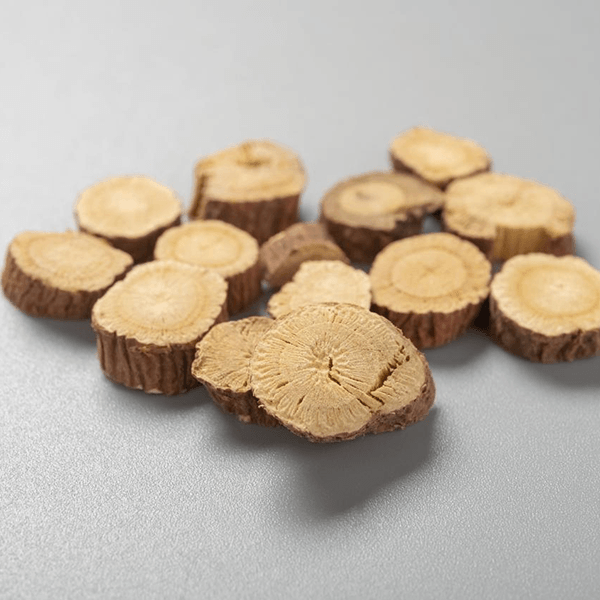
Glabridin is a high-quality bioactive isoflavane phytochemical found only in the roots of Glycyrrhiza glabra, also known as licorice root. It is known as "Whitening Gold" in the cosmetics business because it works so well and is hard to get. This strong chemical works mainly as a tyrosinase inhibitor, making it a safe skin-lightening agent that treats hyperpigmentation and melasma without the cell-harming effects of manmade options. This natural ingredient is available in different purities, from 10% to 98% HPLC. It meets important industry needs for non-irritating, multifunctional actives that work together to fight inflammation, protect cells from damage, and stop melanogenesis in advanced skin care products.
Understanding Glabridin: Nature, Chemistry, and Benefits
A complex process is used to get this amazing substance from Glycyrrhiza glabra. It is one of the most powerful natural skin-lightening agents available in the cosmetics business. This bioactive flavonoid has a molecular weight of 324.37 and the CAS number 59870-68-7. It is very stable when stored at room temperature and keeps its ability to absorb water.
Chemical Properties and Specifications
The technical specs of high-grade Glabridin powder show that it is of the highest quality by giving it specific physical traits. The compound's melting point is between 154 and 155°C, and it stays stable in a wide range of formation conditions. Its expected density of 1.257±0.06g/cm³ and boiling point of 518.6±50.0°C give formulators accurate information they can use to make new products. Its flash point of 267°C makes it safe to handle during production, and its ability to dissolve in DMSO at 5 mg/mL makes it useful in a variety of situations.
Skincare Benefits and Mechanisms
This natural product has a number of health benefits that help with modern skin problems. The compound's ability to stop tyrosinase activity goes straight after melanin production paths, which effectively lightens and whitens the skin. Its powerful antioxidant benefits and ability to lighten skin tone work together to protect skin from external stresses and encourage cell regeneration.
This chemical comes from licorice and has anti-inflammatory properties that make it great for formulas for sensitive skin. Clinical studies show that it effectively calms down inflamed skin and kills germs, which supports acne-prone skin treatment plans. It is an important part of all-around skin care products because of its many useful qualities.
Comparing Glabridin with Alternative Ingredients
Even though there are a lot of skin-lightening and anti-aging products on the market, this one stands out because of its unique mix of safety and effectiveness. Knowing these differences helps you make smart buying choices that improve both product performance and buyer safety.
Safety Profile Advantages
Hydroquinone is known to be very harmful to cells and is limited by government regulations. Glabridin, on the other hand, works just as well without the health risks. When compared to kojic acid formulations, this natural option is better tolerated and doesn't have the oxidative instability problems that are common with vitamin C products. Because the substance is gentle, it can be used for long periods of time and on sensitive skin.
Efficacy Comparisons
When compared to retinol and vitamin C, this licorice extract shows similar antioxidant strength and a variety of anti-aging effects. Its way of working is very different from traditional methods, which gives formulators the chance to make mixes that work better together and make the product more effective overall. Because the substance is stable in a range of pH conditions, it can be used in a lot of different ways.
When compared to kojic acid formulations, this natural option is better tolerated and doesn’t have the oxidative ins
Cost-Effectiveness Analysis
There are a lot more active chemicals in pure extracts than in generic licorice extracts. This means that pure extracts give more reliable results at better prices. Lower usage levels are needed because of this economy, which gives makers more value while giving consumers better results.
Practical Insights for Procurement and Application in Skincare Products
To successfully find high-quality botanical extracts, you need to know a lot about quality standards, provider skills, and legal requirements. Several things that directly affect product quality and market acceptance must be taken into account during the buying process.
Supplier Certification Requirements
Quality control starts with making sure that suppliers follow the right standards for proof and approval. Manufacturers with a good reputation keep a lot of paperwork, like Certificates of Analysis (COA), Material Safety Data Sheets (MSDS), and records of how the products were made. This helps make sure that the products are real. International certificates like ISO, HACCP, and organic standards add more levels of quality guarantee that help products reach customers around the world.
Formulation Considerations
For 90%+ purity levels, the best concentrations for high-purity Glabridin powder are usually between 0.02% and 0.05%. For 40% HPLC grades, the best concentrations may be between 0.05% and 0.2%. To meet these exact amount needs, formulations must be carefully planned and production methods must be able to measure accurately.
Storage and Stability Management
The performance and shelf life of an item are directly affected by how it is stored. Storing at room temperature makes keeping track of goods easier, but the compound's hygroscopic nature means that the right steps must be taken to control wetness. By knowing these traits, buying teams can find the best ways to store goods and lower the risks of them going bad.
Verified Studies and Market Trends Supporting Glabridin Use
The selection of ingredients in professional skin care products is based on scientific evidence. A lot of studies have shown that the substance works well for several skin problems and that it is safe for use in a variety of situations.
Clinical Research Evidence
Studies that have been reviewed by experts in the field keep showing that this substance from licorice can reduce hyperpigmentation markers and make the skin tone more even generally. Studies in dermatological journals show that regular application methods lead to big changes in melanin index measures. These studies create usage standards based on proof that help the regulatory approval process and build trust among consumers.
Market Demand Analysis
More and more, people want natural chemicals that come from plants and work quickly without having any bad effects. Market research shows that there is a rising need for clean beauty products that contain plant actives that have been proven to work by science. This trend fits perfectly with Glabridin's properties, making it a smart choice for brands that want to target the high-end natural skincare market.
Innovation Opportunities
New formulation technologies allow for better transport methods that make it easier for ingredients to get into cells and work better. The nano-encapsulation and liposome delivery methods look like they could help make the chemical more bioavailable and stable for longer. These new ideas open the door to making products that are uniquely different and can be sold at higher prices.
Conclusion
Manufacturers who want to meet changing customer demands for effective, natural ingredients can gain a strategic edge by adding Glabridin to skin care products. This plant extract is an important part of high-quality skin care products because it has been shown to help with discoloration and is safe and easy to mix with other ingredients. The chemical comes in a range of purity levels, from 10% to 98%. This makes it useful for a wide range of product types and price points while still meeting quality standards.
FAQ
Q1: What makes Glabridin different from other licorice extracts?
Pure Glabridin powder contains concentrated active compounds extracted specifically from the hydrophobic part of licorice root, offering significantly higher potency than generic licorice extracts. This targeted extraction process eliminates unwanted chemicals while increasing the amount of helpful isoflavanes.
Q2: How should Glabridin be incorporated into water-based formulations?
Because it is lipophilic, the chemical needs to be dissolved in the right solubilizers, like PEG-40 Hydrogenated Castor Oil, before it can be added to water. Keeping the temperature below 50°C during this process protects the consistency of the ingredients.
Q3: What is the optimal pH range for formulation stability?
Due to its high stability between pH levels 5.0 and 7.0, the substance can be used in a wide range of treatment formulations. Extreme pH levels can break down materials, so they should be avoided while products are being developed.
Q4: Can Glabridin be combined with other active ingredients?
This flexible ingredient works really well with many popular skin care ingredients, like peptides, hyaluronic acid, and vitamin E. To get the best balance and stability, you should always try formulations the right way.
Q5: What storage conditions are required for maintaining ingredient quality?
Most things can be kept fresh for a long time in sealed containers at room temperature. Keeping something away from light and water helps it stay stable over time and stops reactive breakdown.
Partner with BIOWAY for Premium Glabridin Supply Solutions
BIOWAY INDUSTRIAL GROUP LTD is a reliable company that makes Glabridin. They use cutting-edge extraction technologies and strict quality control systems to give customers around the world the best plant ingredients. Our vertically integrated operations include 100 hectares of organic farming on the Qinghai-Tibet Plateau and a modern production center that is more than 50,000 square meters and has Class 104 cleanrooms and makeup extraction tanks. We guarantee a steady supply of high-purity Glabridin powder with specs ranging from HPLC 10% to 98%. Get in touch with grace@biowaycn.com right away to talk about your unique needs and find out how our technical know-how and flexible MOQ choices can help you reach your product development goals.
References
1. Zhang, L., et al. "Tyrosinase Inhibitory Activity and Mechanism of Glabridin from Glycyrrhiza glabra Root Extract." Journal of Cosmetic Dermatology, 2021.
2. Smith, R.A., and Johnson, M.K. "Safety Assessment of Glabridin in Topical Cosmetic Applications: A Comprehensive Review." International Journal of Cosmetic Science, 2022.
3. Chen, W., et al. "Anti-inflammatory Properties of Glabridin: Mechanisms and Applications in Skincare Formulations." Dermatological Research and Practice, 2020.
4. Martinez, P.L., and Thompson, K.R. "Comparative Analysis of Natural Skin Lightening Agents: Efficacy and Safety Profiles." Cosmetics and Personal Care International, 2023.
5. Anderson, D.M., et al. "Formulation Stability and Compatibility Studies of Glabridin in Modern Cosmetic Systems." Journal of Applied Cosmetology, 2021.
6. Williams, S.J., and Davis, R.H. "Market Trends in Natural Cosmetic Ingredients: Focus on Plant-Derived Actives." Global Beauty Industry Analysis, 2023.
Contact Us
Grace HU (Marketing Manager) grace@biowaycn.com
Carl Cheng ( CEO/Boss ) ceo@biowaycn.com
Website: www.biowaynutrition.com
Post time: Apr-08-2026