
Introduction
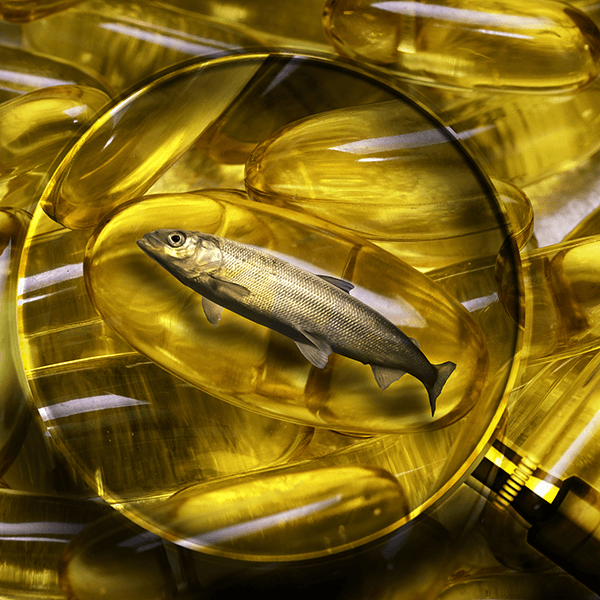
Microencapsulated Fish Oil EPA Powder is a stabilized omega-3 ingredient produced using advanced encapsulation technology, in which liquid fish oil rich in eicosapentaenoic acid (EPA) is enclosed within a protective matrix. This encapsulated form is primarily used in functional foods, dietary supplements, beverage formulations, pharmaceutical applications, and cosmetic products, offering superior oxidative stability, neutral taste, and enhanced bioavailability compared to conventional fish oil liquids. The powder format allows formulators to incorporate heart-healthy omega-3s into diverse applications without the fishy odor, texture challenges, or oxidative instability associated with traditional fish oil delivery forms.
Introduction
Omega-3 ingredients that are both nutritionally effective and easy to formulate are becoming increasingly popular in the global business-to-business market. Microencapsulated Fish Oil EPA Powder is a revolutionary answer that solves major problems that product makers in many fields are having. This ingredient combines the known benefits of EPA for the heart and inflammation with new ways of encapsulating it.
This lets makers make goods that can last on store shelves for a long time and meet strict quality standards. In the US, purchasing managers are giving more and more weight to sellers who can provide uniform profiles of active ingredients, detailed safety information, and open payment terms. In order to be successful in the microencapsulated omega-3 market, you need to know about production, applications, quality standards, and smart sources. This guide has everything you need to know.
Understanding Microencapsulated Fish Oil EPA Powder
The Technology Behind Encapsulation
Microencapsulation turns liquid fish oil into a dry powder that flows easily. It does this by covering oil droplets with a shell made of food-safe ingredients like modified starch, maltodextrin, gelatin, or plant proteins. Spray drying is the most common method. In this method, an emulsion of fish oil and wall material is atomized and put into a hot room. The water quickly evaporates, leaving behind microcapsules that are usually 10 to 300 micrometers across.
Other methods include coacervation, in which changes in pH and temperature cause polymers to deposit around oil droplets, and fluidized bed coating, which covers core particles with protective layers. These technologies make a wall around the EPA that keeps oxygen, light, and moisture out. Oxygen, light, and moisture are the main things that cause lipid oxidation, which gives foods bad tastes and lowers their nutritional value.
Quality Parameters That Define Premium Products
Specifications for professional-grade Microencapsulated Fish Oil EPA Powder usually say that it has at least 10% EPA by weight and comes as a white to light yellow powder with no smell. The substance has the CAS number 10417-94-4 and dissolves in methanol. Its very low vapor pressure (0.0±2.3 mmHg at 25°C) shows that it is stable and won't change form. For great manufacturing, you need to be able to precisely control the particle size distribution to make sure that the breakdown rates are always the same, the moisture content stays below 3% to stop microbes from growing and clumping, and the peroxide levels stay below the safety limits set by the industry.
Gas chromatography analysis proves that consistency in fatty acid profiles from batch to batch is very important for formulators making products with standard nutritional claims. Pharmaceutical-grade production must follow GMP guidelines, which include keeping an eye on the environment in the production areas, using approved cleaning methods, and having full traceability systems that connect finished goods to specific lots of raw materials.
How Microencapsulation Differs From Standard Processing
Traditional fish oil powders that are made by mixing carriers don't have the advanced protective structure that microencapsulation does. Standard powders often have surface oil migration, which is when lipids that aren't encased move to the surfaces of particles while they're being stored. This makes sticky clumps and speeds up oxidation. Within weeks, the goods start to smell like fish and quickly lose their EPA effectiveness.
Microencapsulated types keep their structure by bonding the wall materials to the core materials in a way that is both covalent and physical. This makes a real matrix instead of a thin coating. This difference in architecture directly leads to longer shelf life—often more than 24 months when stored properly—and better thermal stability, which lets it be used in processes that involve mild heat exposure, like baking, extrusion, and making hot drinks.
Benefits and Uses of Microencapsulated Fish Oil EPA Powder
Cardiovascular and Metabolic Health Support
A clinical study has shown that EPA helps keep cholesterol levels healthy, lowers inflammation markers, and improves vascular function. It is an omega-3 fatty acid that changes the flexibility of the membranes in heart cells and helps make pro-resolving molecules, which help stop inflammation. Food and drink companies use these qualities to make functional nutrition items for people who care about their heart health.
These include fortified milk options, nutrition bars, and meal replacements. The powder form lets you precisely dose EPA without changing the texture or creating sensory issues that come with adding liquid oil. Medical nutrition companies make special products for people who have a higher risk of heart disease because they need to make sure that their patients get enough EPA within very narrow tolerance ranges.
Applications Across Industry Sectors
Multiple B2B markets use encapsulated EPA powder because it is flexible enough to meet their specific formulation needs and legal standards. Here are the main uses that are driving demand in the market:
Dietary Supplement Manufacturing: The powder is added to tablets, capsules, and sachets to make easy-to-use omega-3 delivery methods that are more stable than soft gel options. The powder takes away worries about the integrity of gelatin capsules and makes vegetarian formulations possible when mixed with plant-based encapsulants.
Functional Beverage Development: Sports nutrition drinks, improved waters, and ready-to-drink shakes can now contain omega-3s without the problems that come with liquid fish oils, like unstable emulsions and lost flavors. When the right hydrocolloids are added to the powder, it dissolves easily in water sources.
Bakery and Snack Fortification: Brands that focus on nutrition add EPA to protein bars, granola, and functional cookies. The powder's heat safety keeps the nutrients intact during baking at temperatures between 180°C and 200°C.
Infant and Clinical Nutrition: Companies that make specialized medical foods and infant formulas need ingredients that are very pure and have proof that they have been tested for heavy metals, are safe for microbes, and don't cross-contaminate with allergens.
These uses show how microencapsulation technology connects the field of nutrition science with the real world of product creation. The formulations that came out of this have measured health effects and are still accepted by consumers thanks to their neutral sensory profiles and easy-to-use forms.
Enhanced Bioavailability and Shelf Life Performance
The encapsulation technology affects not only how stable EPA is, but also how well it is absorbed by the body. Even though the link between particle size and bioavailability is still not clear, Microencapsulated Fish Oil EPA Powder variants may be better at being absorbed by the gut than bulk oils in some situations. EPA stays in its bioactive form because the protective matrix stops pre-absorptive oxidation in the digestive tract.
From a business point of view, extending the shelf life is a clear edge over the competition. When made correctly, microencapsulated powders keep more than 90% of their original EPA content after eighteen months at room temperature. This is longer than the six months that oils usually lose their EPA content. This stability cuts down on waste in the distribution chain, lets stores keep items on display for longer, and makes it easier for businesses that focus on exports to make money in international markets.
Comparing Microencapsulated Fish Oil EPA Powder with Alternatives
Advantages Over Conventional Fish Oil Powders
When fish oil powders are made by spray drying them without using the best wall materials, they have basic problems that microencapsulation fixes. During normal processing, a lot of the oil on the surface is left open to oxidation, which quickly creates off-flavors with notes of rancidity, fishiness, or metal. Microencapsulated Fish Oil EPA Powder versions hide tastes so they can be added to delicate flavor systems like vanilla-flavored drinks or fruit-based protein bars without interfering with the senses.
Dosing accuracy goes up by a huge amount because encapsulated powders have better flow properties and less tendency to clump together. This makes accurate high-speed dosing possible in automated production lines. Formulators who work with standard powders often see performance differences between batches because the oil level on the surface isn't always the same. Microencapsulation's controlled design gets rid of this variable.
Comparison with Other Sources of Omega-3
There are a lot of different omega-3 ingredients on the market, and each one has its own composition and function. Astaxanthin and omega-3s in the form of phospholipids are found in krill oil. This makes the ingredient a good choice for high-end supplement formulas that stress absorption claims. Omega-3 oils made from algae usually have more DHA than EPA and are popular with veggie and vegan product lines, but they usually cost more. Along with omega-3s, cod liver oil powders contain vitamins A and D.
This makes them very nutritious, but it also raises worries about vitamin A overdose in high doses. Fish oil EPA powder stands out because it is cost-effective on a large scale, has been regulated in global markets for decades, and has health claims backed up by decades of clinical study. Choosing between natural triglyceride, ethyl ester, and re-esterified triglyceride forms affects both bioavailability profiles and manufacturing costs. Natural triglyceride forms are usually chosen because they are easier for the body to absorb and don't need to be labeled as such.
Procurement Guide for Microencapsulated Fish Oil EPA Powder
Evaluating Supplier Capabilities and Certifications
When looking for a strategic supplier of Microencapsulated Fish Oil EPA Powder, you need to look at more than just price. Suppliers' ability to keep up a steady supply even when demand changes depends on how big their factories are. Facilities that process several tons of goods every week are more likely to have a steady supply than smaller operations. Diverse production lines show technological adaptability; companies that use specialized high-purity extraction equipment can better meet the needs of pharmaceutical and beauty uses that need very low levels of contamination.
Portfolios of certifications show that quality management systems work. ISO 22000, HACCP, and GMP certifications are the most common ones. Suppliers that sell to people in the U.S. should keep their FDA registration up to date and show that they know what the Dietary Supplement Health and Education Act (DSHEA) says. The USDA Organic and Marine Stewardship Council certifications reach growing groups of people who care about the environment, and the Kosher and Halal certifications let you reach specific groups of people who buy food.
Quality Documentation and Testing Requirements
Each batch of output must come with a full Certificate of Analysis (COA) that shows the EPA content using approved analytical methods, as well as the peroxide value, anisidine value, and TOTOX measures that show the oxidative state. Heavy metal testing with Inductively Coupled Plasma Mass Spectrometry (ICP-MS) should show amounts of lead, mercury, cadmium, and arsenic that are much lower than the FDA's limits.
The results of microbiological tests show that Salmonella, E. coli, and acceptable total plate counts make sure the safety of the product. Screening for pesticide residues is especially important when sellers can't fully link fish taken in the wild to their sources. Material Safety Data Sheets (MSDS) help everyone in your supply chain handle things safely and follow the rules. Leading suppliers do stability studies that show how well a product works in different storage conditions. This helps people make smart choices about how to store goods and how long they should be kept.
Logistics Considerations and Ordering Strategies
Minimum order quantities are usually between 25 and 500 kilograms, but can be higher or lower depending on the supplier's size and the needs for customization. Small businesses that are just starting out in the market can benefit from working with distributors that offer split-case options. However, the higher costs per unit are worth the lower risk of having too much inventory. Prices depend on the EPA percentage, the complexity of the packaging, and how the raw materials are sourced. Materials made for pharmaceutical use cost twenty to fifty percent more than materials made for food use. For the longest shelf life, things should be stored in cool, dry places that are out of direct sunlight.
The temperature should also be kept below 25°C. Some formulations have better stability, which lets them be stored at room temperature, which lowers the costs of logistics in the cold chain. When you buy things from other countries, you have to pay close attention to the paperwork you need to bring them in. This includes phytosanitary certificates, country-of-origin statements, and following the rules of the market you're going to about new foods or health claims. Keeping U.S. warehouses open and building ties with providers makes logistics easier and cuts down on lead times for local customers.
Why Choose BIOWAY for Your Microencapsulated Fish Oil EPA Powder Needs
BIOWAY INDUSTRIAL GROUP LTD brings to the omega-3 ingredient market its vertically integrated skills and a track record of top-notch production. Our 50,000-square-meter factory in Shaanxi Province has ten different production lines. These lines include specialized extraction tools for high-purity uses and cosmetic-grade formulas. The factory has strict quality control systems that are backed up by cGMP, ISO 22000, HACCP, and FSSC 22000 standards.
It is also registered with the FDA, which makes it easy to send goods to U.S. markets. Our technical team has over fifteen years of combined experience in plant extracts and nutritional ingredients. They can help you with formulations that shorten the time it takes to make new products and make the most of the performance of the ingredients in the uses you need them for.
Because our manufacturing is flexible, we can meet a wide range of customer needs across the procurement spectrum. Large food and drink companies gain from our ability to serve them consistently in large volumes and with strict batch-to-batch standards. We process cosmetic-grade materials in a dedicated 1,200-square-meter Class 10,000 cleanroom for beauty and personal care brands.
Stability data and preservation compatibility testing help with product development. Pharmaceutical clients can get GMP-compliant production with full documentation and traceability that meets regulatory standards. When small and medium-sized brands release useful goods, they get flexible minimum order amounts, help with samples, and expert advice on how to make the formulas work better. Our 3,000-square-meter U.S. warehouse holds goods from across the country so that orders can be filled quickly. This cuts down on lead times and makes transportation planning easier.
Our Microencapsulated Fish Oil EPA Powder production is governed by a quality framework that makes sure specifications are met and safety is maintained. Fatty acid profile research is done on each batch to make sure that the EPA level is at least 10%. Typical concentrations give formulators room to make promises about potency. Oxidative stability testing shows that the amount of peroxide stays within safe limits for the whole time the product is expected to be on the shelf.
Concerns about bioaccumulation in marine-sourced ingredients have been eased by ICP-MS testing that confirms heavy metal levels well below regulatory limits. When we buy fish, we try to get deep-sea species from areas that aren't near the coast. This keeps them from being exposed to more contaminants. External laboratory confirmation is an important part of internal quality control because it gives you clear proof that your supply chain is honest and helps you get ready for an audit.
Conclusion
Microencapsulated Fish Oil EPA Powder is an advanced ingredient technology that is still changing. It solves basic manufacturing problems in providing omega-3 nutrition. The capsule method changes a very sensitive lipid into a stable, flexible powder that can be used in a wide range of products, such as cosmetics, functional foods, dietary supplements, and specialized nutrition. For strategic buying to work, you need to know what your suppliers can do, have detailed quality paperwork, and know how the encapsulation specs fit with your product needs. Because of the U.S. market's focus on openness, safety testing, and following the rules, choosing the right supplier is a key factor in determining business success.
FAQ
Q1: What EPA concentration should I specify for supplement applications?
EPA levels between 10 and 20 percent work well for most food supplement mixes, striking a good balance between effectiveness and cost-effectiveness. Higher amounts, up to thirty to fifty percent, are useful for reducing the size of capsules or meeting certain label claims. Because the encapsulation matrix takes up space, you have to figure out how much EPA is delivered per gram by looking at both the concentration and the efficiency of the encapsulation.
Q3: Can microencapsulated powder replace liquid fish oil in existing formulations?
Substitution feasibility depends on application specifics. Microencapsulated Fish Oil EPA Powder works great in dry blends, tablets, and other formulations where controlling moisture is important. Liquid systems that need to combine an oil phase may need to be reformulated to work with the way powders are dispersed. Technical advice during product creation helps find the best ways to put the product into action.
Q3: How does microencapsulation extend shelf life compared to unprotected oils?
At the molecular level, the protected matrix greatly limits oxygen exposure, which slows down the oxidation processes that cause rancidity. When kept properly, properly made encapsulated powders keep their nutritional value for eighteen to twenty-four months, compared to six to twelve months for liquid oils or regular powders.
Q4: What documentation supports regulatory compliance for U.S. markets?
Full compliance packages come with full analytical profiles for each batch, heavy metal and microbiology testing, an MSDS for safe handling, allergen statements, GMO status statements, and manufacturing certifications. Suppliers who know about DSHEA rules offer structure-function claim support documents and help with label review.
Partner with a Trusted Microencapsulated Fish Oil EPA Powder Supplier
BIOWAY is ready to meet your needs for omega-3 ingredients with high-quality manufacturing, a wide range of certifications, and flexibility that puts the needs of the customer first. Our Microencapsulated Fish Oil EPA Powder gives your formulations the stability, purity, and performance they need. It also comes with quick technical support and a reliable supply chain. Email grace@biowaycn.com to get samples, talk about your unique application needs, and get prices that are tailored to your purchase amounts. Our team can help you reach your business goals whether you need pharmaceutical-grade materials with full paperwork, flexible minimum orders for product development, or high-volume supply deals with reliable batch performance.
References
1. Drusch, S., & Berg, S. (2008). Microencapsulation of fish oil for food applications. European Journal of Lipid Science and Technology, 110(10), 857-868.
2. Shahidi, F., & Ambigaipalan, P. (2018). Omega-3 polyunsaturated fatty acids and their health benefits. Annual Review of Food Science and Technology, 9, 345-381.
3. Community Bureau of Reference. (1996). Industrial microencapsulation of fish oils: Quality parameters and stability assessment. BCR Information Report Series, Luxembourg.
4. Kaushik, P., Dowling, K., McKnight, S., Barrow, C. J., & Adhikari, B. (2016). Microencapsulation of omega-3 fatty acids: A review of microencapsulation and characterization methods. Journal of Functional Foods, 19, 868-881.
5. Hogan, S. A., McNamee, B. F., O'Riordan, E. D., & O'Sullivan, M. (2001). Microencapsulating properties of whey protein concentrate for fish oil stability. Journal of Food Science, 66(2), 217-224.
6. Barrow, C. J., Nolan, C., & Holub, B. J. (2009). Bioequivalence of encapsulated and microencapsulated fish-oil supplementation. Journal of Functional Foods, 1(1), 38-43.
Contact Us
Grace HU (Marketing Manager) grace@biowaycn.com
Carl Cheng ( CEO/Boss ) ceo@biowaycn.com
Website: www.biowaynutrition.com
Post time: Sep-04-2026


