
Introduction
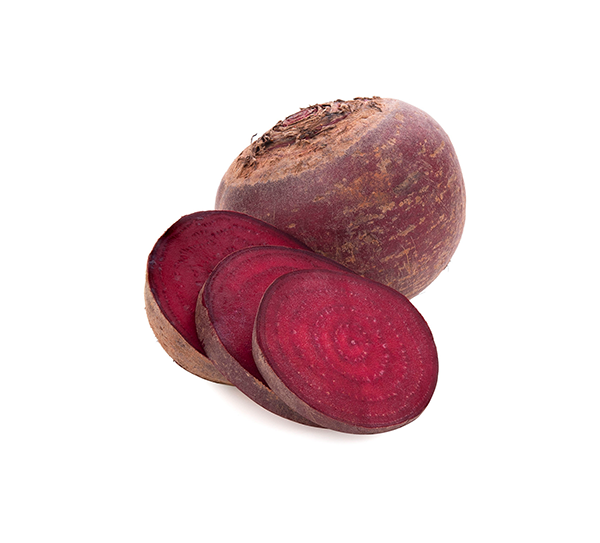
Organic Beetroot Extract Powder is a concentrated functional ingredient derived from Beta vulgaris L., standardized to deliver consistent levels of dietary nitrates (typically 1.5-3.0%) and betalains, offering superior bioavailability compared to raw beet powders. In supplements, it serves multiple applications: enhancing cardiovascular health by increasing nitric oxide production, boosting athletic endurance by improving oxygen delivery, supporting detoxification pathways through its betaine content, and providing antioxidant protection against oxidative stress. This extract undergoes advanced aqueous extraction processes to concentrate bioactive compounds while minimizing sugar content, making it ideal for formulation in capsules, tablets, functional beverages, and sports nutrition products.
Understanding Organic Beetroot Extract Powder and Its Core Benefits
As someone who has worked closely with supplement and functional food companies for years, I've seen beetroot go from being a common vegetable to a scientifically proven ingredient. The Organic Beetroot Extract Powder format is a big improvement over regular beet products because it concentrates certain bioactive compounds and meets strict quality standards.
How Organic Certification Elevates Product Quality
The production of Organic Beetroot Extract Powder complies with USDA NOP and EU Organic standards, which forbid the use of synthetic pesticides, fertilizers, and genetically modified organisms. Procurement managers are worried about the stability of the supply chain, but this approval makes sure that everything can be tracked from the time the soil is prepared to the time it is packaged. Organic beets are tested carefully for heavy metals and pesticide residues, with maximum allowable limits usually set below 0.01 mg/kg for individual pesticides and less than 1.0 ppm for lead. This gives manufacturers who are trying to appeal to health-conscious consumers peace of mind.
The method used for extraction keeps nutrients that are sensitive to heat while getting concentration ratios of 4:1 to 20:1. This means that between 4 and 20 kg of fresh organic beetroot can be used to make 1 kg of standardized extract. This method uses water-based extraction followed by spray-drying or freeze-drying. This keeps the structure of betalains and polyphenols that would break down in harsh chemical processing intact.
Bioactive Composition That Drives Therapeutic Outcomes
The most clinically studied part is the standardized nitrate content, which is changed by enzymes in the body into nitric oxide. This vasodilation process helps keep blood pressure in check. Studies have shown that regular intake can lower both systolic and diastolic blood pressure by 4 to 10 mmHg. Betalains, which are made up of betacyanins and betaxanthins, are very good antioxidants. Their ORAC values often go over 20,000 μmol TE/100g, which makes them one of the strongest natural antioxidants you can find.
Besides these main chemicals, Organic Beetroot Extract Powder also contains important minerals like folate, iron, and potassium, which help keep electrolytes balanced and address anemia issues. Even though the amount of dietary fiber was decreased during extraction, it is still good for your gut health when used in whole-powder forms. This complete nutritional profile explains why more and more product makers are using beetroot extract in versatile supplement formulations instead of ones that only do one thing.
Core Applications of Organic Beetroot Extract Powder in Supplements
As I walk through major supplement trade shows, I see Organic Beetroot Extract Powder in a lot of different product categories. This shows how useful it is as a medicine and how appealing it is as a clean-label ingredient.
Athletic Performance and Endurance Enhancement
Sports nutrition companies focus on beetroot extract because it has been shown to improve performance. The nitrate-to-nitric-oxide pathway makes mitochondria work better, which lowers the amount of oxygen needed for exercise by 5–10%. When athletes eat 300–500 mg of dietary nitrates, which is about 5–8 grams of pure extract, their time-to-exhaustion tests and time-trial ability get better. This is the main use for pre-workout formulas, where the fast dissolution properties make preparation easy with a shaker bottle.
Professional cycle teams and endurance athletes use beetroot supplements as an acceptable way to improve their performance. This has created a big market demand among people who like to work out for fun. Product makers like that the ingredient does two things: it works right away before exercise and, with regular use, it helps the heart respond in the long term.
Cardiovascular Health and Blood Pressure Support
Pharmaceutical businesses looking into over-the-counter heart products know that beetroot extract can lower blood pressure. Nitric oxide relaxes artery smooth muscle within two to three hours of consumption, and its effects last for six to twelve hours, based on the person's metabolism. This makes beetroot powder a good addition to heart health products, working with CoQ10, omega-3 fatty acids, and magnesium.
Beetroot extract is easy to follow the rules for because it is a food ingredient and not a drug compound. This makes getting GRAS (Generally Recognized As Safe) status in the US and Novel Food approvals in Europe easier. Manufacturers can make structure-function claims about maintaining healthy blood pressure without having to go through a lot of pre-market approval steps. This speeds up the time it takes to get a product on the market.
Antioxidant and Anti-Aging Formulations
More and more beauty-from-within supplements use beetroot extract because it contains betalain, an antioxidant that is more stable than many synthetic antioxidants across a pH range of 3.0 to 7.0. People who buy cosmetic raw materials like that it has natural colorant properties (E162 designation in Europe), which give it pretty red-purple shades and make skin healthier. Betaine's anti-inflammatory effects help keep the skin barrier strong and lessen the obvious signs of photoaging.
Beetroot powder is used in serums and creams for beauty purposes to reduce redness and even out skin tone. The ingredient works well with many emulsion systems and stays stable when exposed to mild heat (up to 60°C during production), which makes it easy for formulators to use in both cosmetic and ingestible products.
Comparing Organic Beetroot Extract Powder with Other Beetroot Products
There are a few different kinds of beetroot ingredients that procurement workers can choose from. Each has its own benefits, based on the purpose and budget.
Juice powder represents the most minimally processed option is juice powder, as it is made by spray-drying freshly squeezed beetroot juice without any steps for concentration. This form keeps all the nutrients, even the sugars (15–20% by weight), so it can be used in smoothies and meal replacements where sweetness makes things taste better. However, the high natural sugar content makes it hard to make low-carb recipes and raises the risk of microbial contamination if storage moisture control isn't good enough.
For clinical effectiveness and regulatory compliance, Organic Beetroot Extract Powder provides standardized nitrate levels and concentrated bioactives. This ensures consistency from batch to batch, which is very important. The lower sugar level (usually less than 5%) makes the food last longer on the shelf and keeps it from turning caramel during heat-sensitive packaging processes. When therapeutic dosing is what drives manufacturing choices, the cost per milligram of active nitrates favors extract powder.
Even though synthetic nitrate salts have the highest quantity and lowest cost per milligram of nitrate, many people still don't like them. Even though they cost more, plant-based sources are strongly preferred by health-conscious customers who want pure products and follow clean label trends. Organic certification and botanical source disclosure are two things that help brands stand out more and more. Synthetic options, even if they are cheaper, can't compete in these areas.
Although capsules are convenient for consumers, they come with higher production costs and possible bioavailability concerns that depend on the composition and dissolution rate of the capsule shell. Powder forms allow for custom doses and easy inclusion into current product lines, whether they are used as supplements on their own or in mixed products.
Procuring Organic Beetroot Extract Powder: Key Considerations for B2B Buyers
To find good suppliers of ingredients, you need to look at more than just unit price when judging Organic Beetroot Extract Powder.
Certification Verification and Compliance Documentation
Professional sellers can be told apart from commodity traders by their extensive certification portfolios. In addition to organic certification, you should also look for ISO22000 (food safety management), HACCP (hazard analysis), and BRC (British Retail Consortium) accreditation. These show that the quality control process is well-organized. Certifications like Halal and Kosher help finished goods reach more customers, while cGMP certification is necessary for pharmaceutical-grade uses.
Ask for up-to-date Certificates of Analysis (COA) that show real test results instead of ranges of possible results. Important factors include the amount of nitrate (measured using ion chromatography or HPLC), the amount of betalain, the amount of moisture (it should stay below 5% for powder stability), the total aerobic plate count (below 10,000 CFU/g), and the lack of bacteria like Salmonella and E. coli. The level of heavy metals should be checked and found to be below 1.0 ppm for lead, 0.5 ppm for arsenic, and 0.3 ppm for cadmium.
Supply Capacity and Geographic Sourcing Advantages
A production capacity of more than 100 metric tons per year shows that the infrastructure is well-established and that the raw materials can be sourced reliably. Vertical integration works better when suppliers run their own organic farming bases. This means that supplies don't stop when harvests are bad, and products can be tracked more easily. With its high elevation and clean environment, the Qinghai-Tibet Plateau region grows beetroots that are higher in nutrients because they get more UV light, which helps betalain synthesis.
Flexible production is ensured by factories that cover 50,000 square meters and have separate extraction lines for different levels of purity. Different methods of extraction, like liquid extraction, water extraction, ultrasonic extraction, and chemical hydrolysis, make it possible to tailor the process to each customer's needs. Class 100,000 cleanrooms make it possible to make pharmaceutical-grade products that meet the strict standards needed by over-the-counter (OTC) makers.
Logistics and Storage Optimization
The minimum order quantity and order delivery speed are both affected by warehouse capacity. When suppliers keep 3,000-square-meter storage facilities in target markets, like the US, shipping times drop from 30 to 45 days for ocean freight to 2 to 5 days for local delivery. This framework is especially helpful for new brands that need to place a lot of small orders while their products are still being developed.
To keep powder from sticking and maintain its flowability, it needs to be stored in cool (below 25°C), dry places with relative humidity below 60%. Food-grade HDPE bags with aluminum foil covers are the best way to keep moisture out, and nitrogen flushing during packing keeps betalains from breaking down too quickly, which extends their shelf life. If you store it right, most foods will last 24 months from the date they were made.
Maximizing the Use of Organic Beetroot Extract Powder in Product Formulation
Product developers and formulation experts need real-world advice on how to turn specifications for raw materials into finished products that are ready to sell using Organic Beetroot Extract Powder.
Dosage Recommendations Based on Clinical Evidence
Most athletic performance supplements contain 300 to 500 mg of dietary nitrates per serving, which is equal to 5 to 8 grams of beetroot extract that has been standardized to 3 to 6 percent nitrates. Formulations for cardiovascular support aim for similar nitrate levels, which are usually spread out over two daily servings to keep nitric oxide levels high. Lower amounts of 2 to 3 grams are enough for antioxidant support formulas where the therapeutic goal is to increase betalain content rather than nitrate concentration.
When writing usage instructions, you should think about timing suggestions. It's best to take pre-workout supplements 90 to 150 minutes before you work out, so that the nitrates can be changed into nitric oxide. Cardiovascular support items work best when taken in the morning to keep blood pressure in check during the day. By keeping the nitrate-nitrite-nitric oxide pathway from getting too full, splitting up daily doses makes them more bioavailable.
Blending Techniques and Compatibility Considerations
Because beetroot extract absorbs water, it needs to be carefully planned how to be used. Adding flow agents like silicon dioxide (0.5 to 1.0% by weight) or organic rice hull powder stops the mixture from sticking together while it's being stored. When mixing with other plant extracts, keep mixing for long enough to make the mixture homogeneous. For V-blenders or ribbon mixers, this is usually 15 to 20 minutes.
When you mix beetroot extract with ingredients that are highly alkaline (pH above 8.0), the betalains can break down and the color can change from red-purple to yellow-brown. Because it is most stable in acidic conditions (pH 4.0–6.0), beetroot extract can be mixed with vitamin C, citric acid, and most fruit powder mixes. Protein powder recipes need to be careful about hiding flavors, like the earthy notes of beets, which might need natural flavorings with berry, chocolate, or vanilla profiles.
Regulatory Compliance for US and EU Markets
In the US, beetroot extract is considered a GRAS food ingredient, which means that structure-function promises about healthy blood flow and antioxidant support can be made without pre-market notice. Do not use disease claims that refer to hypertension treatment, as this would be seen as illegal drug marketing by the FDA. The Supplement Facts box has to list the amount of beetroot extract by weight, and companies can choose to show the regulated nitrate level as well.
According to EU rules, a Novel Food assessment is only needed for extracts that are processed in non-traditional ways or reach concentration levels that have never been seen before. Standard watery extracts are exempt from rules for traditional foods. Following the rules set out in EC 834/2007 for organic certification means having to go through annual inspections and keep detailed records of production. Nutritional labels must follow EU Regulation 1169/2011, and they must list organic ingredients in order of decreasing weight.
Conclusion
The standardized delivery of dietary nitrates and betalains in Organic Beetroot Extract Powder has been shown to improve cardiovascular health, athletic performance, and antioxidant protection. Procurement professionals can choose ingredients that meet formulation goals, regulatory requirements, and consumer preferences if they know the technical differences between extract formats, juice powders, and synthetic alternatives.
For product development to go well, companies need to work with suppliers that can show they have vertical integration, all the necessary certifications, and the technical know-how to help with formulation optimization. As the market continues to grow thanks to clean-label trends and evidence-based supplements, beetroot extract is becoming an important item for companies that want to reach health-conscious customers who want products that work and are honest.
FAQ
Q1: What concentration of nitrates should I specify when sourcing organic beetroot extract?
For sports nutrition, you should aim for a measured nitrate level of between 1.5% and 3.0% for Organic Beetroot Extract Powder, which can be confirmed by ion chromatography or HPLC analysis. This range gives therapeutic amounts of 300–500 mg of nitrates per 5–8 gram serving, which is in line with clinical research showing performance benefits. Ask providers to give you normal analysis results for a number of different production batches so you can check for consistency. For antioxidant-focused formulas where betalain content drives usefulness rather than nitric oxide production, lower nitrate requirements (0.5 to 1.5%) are enough.
Q2: How does particle size affect formulation performance?
The spread of particle sizes has a big effect on the rate of dissolution, the ability to move, and the user experience. Specifications that say 95% must pass through 80-mesh screens (about 180 microns) make sure that the substance dissolves quickly in water, which is important for beverage uses and pre-workout recipes. Smaller particles (100 mesh or less) make capsule fills more uniform, but they may also make them more hygroscopic and clumpy, so better flow agents are needed. Talk to suppliers about particle size needs when making specifications, since grinding methods affect both cost and usefulness.
Partner with BIOWAY for Premium Organic Beetroot Extract Powder Supply
Finding a trustworthy Organic Beetroot Extract Powder supplier is important for the long-term success of your product in the market. As a vertically integrated botanical extract producer, BIOWAY INDUSTRIAL GROUP LTD manages the whole supply chain, from our 100-hectare organic farming base on the Qinghai-Tibet Plateau to our 50,000-square-meter product development center in Shaanxi Province. This integration makes sure that quality stays the same, prices stay stable, and supplies don't stop, even when changes in agriculture affect commodity suppliers.
Our infrastructure for dedicated extraction includes ten specialized production lines that can do everything from high-purity pharmaceutical-grade processing to cosmetic-specific formulations. We can make extracts that are exactly what you want in terms of particle size, solubility, and bioactive concentration using cutting-edge technologies like ultrasonic extraction, enzymatic hydrolysis, and nano-encapsulation. The 1,200-square-meter Class 100,000 cleanroom makes it possible to make products that meet the strict standards of pharmaceutical businesses and high-end supplement names.
Email grace@biowaycn.com to get certificates, latest COAs, and prices that fit your particular formulation needs. Whether you're a new functional beverage company that needs small trial batches or a multinational supplement company that needs a qualified Organic Beetroot Extract Powder manufacturer, our technical team can help with formulation, give you regulatory advice, and make sure your supply chain is reliable.
References
1. Jones, A.M., et al. "Dietary Nitrate Supplementation and Exercise Performance." Sports Medicine, vol. 44, no. 1, 2014, pp. 35-45.
2. Clifford, T., et al. "The Potential Benefits of Red Beetroot Supplementation in Health and Disease." Nutrients, vol. 7, no. 4, 2015, pp. 2801-2822.
3. Hobbs, D.A., et al. "Blood Pressure-Lowering Effects of Beetroot Juice and Novel Beetroot-Enriched Bread Products in Normotensive Male Subjects." British Journal of Nutrition, vol. 108, no. 11, 2012, pp. 2066-2074.
4. Asgary, S., et al. "Clinical Evaluation of Blood Pressure Lowering, Endothelial Function Improving, Hypolipidemic and Anti-Inflammatory Effects of Pomegranate Juice in Hypertensive Subjects." Phytotherapy Research, vol. 28, no. 2, 2014, pp. 193-199.
5. Wootton-Beard, P.C., et al. "Stability of the Total Antioxidant Capacity and Total Polyphenol Content of 23 Commercially Available Vegetable Juices Before and After In Vitro Digestion Measured by FRAP, DPPH, ABTS and Folin-Ciocalteu Methods." Food Research International, vol. 44, no. 1, 2011, pp. 217-224.
6. Georgiev, V.G., et al. "Antioxidant Activity and Phenolic Content of Betalain Extracts from Intact Plants and Hairy Root Cultures of the Red Beetroot Beta vulgaris cv. Detroit Dark Red." Plant Foods for Human Nutrition, vol. 65, no. 2, 2010, pp. 105-111.
Contact Us
Grace HU (Marketing Manager) grace@biowaycn.com
Carl Cheng ( CEO/Boss ) ceo@biowaycn.com
Website: www.biowaynutrition.com
Post time: Aug-28-2026


