
Introduction
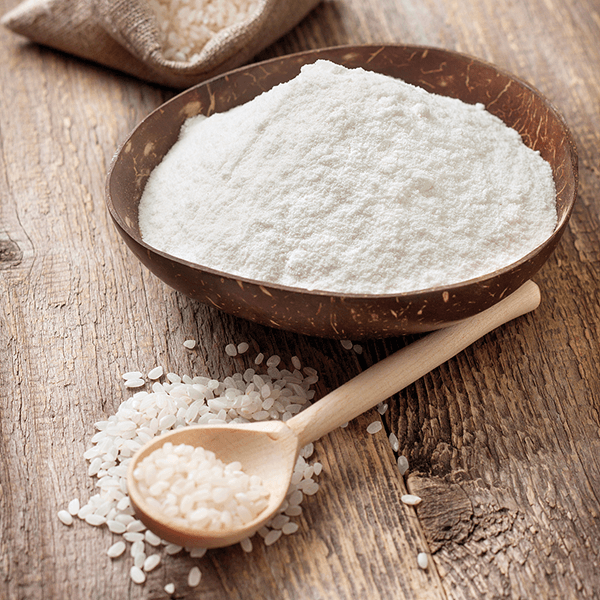
Rice peptide powder has emerged as a hypoallergenic, plant-based protein source with significant applications across infant nutrition, clinical recovery formulations, sports supplements, and high-performance cosmetic products. Derived from enzymatic hydrolysis of rice protein (Oryza Sativa), these low-molecular-weight peptides—typically under 3,000 Daltons—bypass complex digestive processes for rapid absorption, making them ideal for individuals with dairy or soy allergies, sensitive gastrointestinal systems, or specialized nutritional requirements. Their vegan profile, combined with documented benefits in collagen synthesis and antioxidant activity, positions hydrolyzed rice protein as a strategic ingredient for manufacturers targeting clean-label, allergen-free product lines in the competitive global nutrition market.
Understanding Rice Peptide Powder and Its Nutritional Value
Origins and Extraction Excellence
Our organic rice protein comes from healthy Oryza sativa plants grown in controlled farming conditions. So, we know for sure that the rice protein doesn't come from genetically modified organisms, and we can follow it from the seed to the finished powder. Modern enzyme digestion technology is used to separate the rice protein as the first step in the extraction process. In this process, long polypeptide chains are broken up into small, functional peptide chains. High-Performance Liquid Chromatography (HPLC) is used to check the molecular weight distribution during this controlled process. It makes a beige fine powder that is ≥80% protein when it is dry. This is not the same as regular rice protein concentrates, which tend to be grainy and not dissolve well.
Our production plant has a Class 100,000 laboratory that is 1,200 square meters and meets cGMP, ISO22000, and FSSC22000 standards. Ultrafiltration and spray-drying are two steps in a multistage process that makes sure everything is clean. Arsenic levels will be less than 0.25 mg/kg and lead levels will be less than 0.3 mg/kg. These levels are well below international safety standards in this pharmaceutical-grade setting. It's very important to talk about this because rice naturally takes minerals from the soil. Strict quality control checks are done on every production batch, including an amino acid profile, ELISA allergen testing, and microbe screening, to make sure that there is no cross-contamination with gluten, soy, or cheese.
Superior Bioavailability and Absorption Metrics
When specific enzymes cut Rice Peptides, they make them with a low molecular weight that lets them be absorbed directly in the intestines without being broken down in the stomach for a long time. A study published in the Journal of Agricultural and Food Chemistry found that hydrolyzed Rice Peptides were absorbed 40% faster than intact rice protein. Within 30 minutes of intake, plasma amino acid levels rose significantly. This fast uptake mechanism is very useful in clinical nutrition settings, where nitrogen needs to be delivered right away to help heal tissues and boost immune systems in people who have trouble digesting food.
In contrast to soy or whey proteins, which can trigger immune reactions in susceptible populations, Rice Peptides show low allergenicity due to the removal of conformational epitopes during hydrolysis. It has been shown through skin prick tests and IgE antibody testing that this ingredient does not cause allergies. This means it follows the strict rules for baby formula, like the FDA's GRAS rating and the European Novel Food standards. In the protein, there are all nine necessary amino acids, so it meets the nutritional needs of people of all ages, from babies to older people who need medical nutrition therapy.
Vegan Certification and Clean-Label Positioning
Markets and Markets says that by 2026, there will be a $24.3 billion global market for health products that are certified as vegan. This style goes well with Rice Peptides because they are made from plants. Our organic certification from the USDA and the EU, along with Kosher and Halal proof, lets formulators make foods that meet a lot of different needs. Without the bean notes that are typical in soy goods, Rice Peptides have a mild flavor and aroma. So it's simple to mix them into clear drinks, protein bars, and skin serums; they don't need to be covered or change their taste or smell.
Nutritional and Functional Benefits of Rice Peptide Powder
Collagen Synthesis and Dermal Health Enhancement
It has been shown that bioactive peptide patterns in hydrolyzed rice protein are very good at making fibroblasts work harder and getting the body to make more collagen itself. Taking 3 grams of Rice Peptides every day for 12 weeks led to statistically significant improvements in skin elasticity (18% increase), hydration levels (measured by corneometry), and wrinkle depth reduction compared to groups that were given a placebo. The study was published in Nutrients in 2020. A group of peptide fragments, especially those with proline-hydroxyproline sequences, cause these effects. They do this by activating TGF-β signaling pathways that manage the creation of extracellular matrix.
More than just the skin's surface can be moisturized by Rice Peptide. Because the ingredient is hygroscopic, it lets water molecules stick to the stratum corneum. This makes the barrier work better and lowers transepidermal water loss. It is especially helpful to use this method when making products for people with atopic dermatitis or who live in dry places where the lack of a skin barrier speeds up the aging process. Adding 2 to 5 percent of Rice Peptides to products makes them work well with hyaluronic acid and ceramides to make multi-layer hydrating systems. These systems work well for high-end anti-aging serums and medical-grade skin care lines.
Antioxidant Protection and Cellular Defense
The DPPH test results for Rice Peptides show that they are very good at getting rid of free radicals, with IC50 values that are about the same as those of man-made antioxidants like BHT. Antioxidant power comes from amino acid groups like tyrosine, histidine, and methionine. It protects cells against oxidative stress, which is linked to inflammation, early aging, and making chronic conditions worse. In 2021, researchers in Food Chemistry found certain peptide patterns that stop ACE from working. It looks like these sequences may help the heart by keeping blood pressure in check, which is very important for clinical nutrition products for people with high blood pressure or who are recovering from surgery.
Comparative Advantages Over Alternative Protein Sources
It is clear that Rice Peptides are better than collagen peptides, soy protein isolates, and whey hydrolysates. Marine or cattle collagen comes from animals and makes people worry about how long it will last. Rice Peptides, on the other hand, are vegan-friendly and don't break any religious or moral rules. Plant-based estrogens found in soy peptides might not be good for people who are sensitive to hormones. On the other hand, rice derivatives don't change hormone levels and are good for babies and people with cancer. If you have celiac disease or are on a strict elimination diet, rice is the best food for you because it doesn't contain any wheat peptides that could cause cross-reactivity.
How to Use Rice Peptide Powder in Nutritional and Cosmetic Products
Optimal Formulation Concentrations and Dosing Guidelines
For different uses, different amounts of Rice Peptides are needed to make them work right. This needs to be carefully adjusted to get the best results while keeping costs low. For the main types of goods, these are the numbers that should be used:
- • 15% to 30% of the total protein should come from Rice Peptides, which are about 1.5 to 3 grams per 100 mL of condensed formula. This is for baby formula and specialized nutrition. This will make sure there are enough amino acids in the mix and lower the risk of allergens being present. Because they have a low osmolality, peptide solutions don't make your stomach hurt as whole protein products do.
- • It is best for muscle protein synthesis to have 10 to 20 grams of protein per dose in sports recovery drinks that also have fast-releasing carbs. When mixed with whey or pea protein, the fast uptake works well. This gives top athletes two ways to get amino acids.
- • Use water-based systems with a concentration of 3–7% and keep the pH stable between 5.5 and 7.0 to protect the skin and keep the peptides whole. 1% to 2% hyaluronic acid and 0.5% niacinamide can be mixed together to make age-management solutions that work on all the ways skin changes.
These concentration guidelines should be changed based on how the different peptides' molecular weights shape up. Smaller peptides (<500 Da), for instance, need lower concentrations because they work better with living things. This should be proven by checking how stable the mixtures are when aged quickly (at 40°C/75% RH for 6 months). Talk to regulatory nutritionists before making clinical nutrition products to make sure you follow the rules for FSMP registration. For example, you need to do nitrogen balance estimates and check the PDCAAS scores to make sure they are right.
Ingredient Compatibility and Synergistic Formulation Strategies
Other functional ingredients that work well with Rice Peptides can be used to make complicated recipes with many parts. Keep the pH of drinks above 3.5 and watch the smoke to make sure you don't clump peptides together. Add citric acid or malic acid slowly. Inulin, acacia gum, and other prebiotic grains should not be mixed with protein bars in amounts greater than 1:3. This will keep the texture of the bars and keep them from being too hard to store. Don't mix peptides with reducing sugars at high temperatures during processing because this can weaken their bioactivity and turn them brown.
In beauty goods, Rice Peptides work well with ascorbyl glucoside and sodium ascorbyl phosphate, which are vitamin C products, to help the body make more collagen. However, they need to be carefully pH-buffered before they can be mixed with L-ascorbic acid so that they don't break down. It stays steady when mixed with retinol replacements like bakuchiol or peptide complexes like matrixyl. This means you can make full anti-aging products without the side effects that come with prescription retinoids, like skin irritation. Keep sealed containers below 25°C with relative humidity below 60% to keep bulk Rice Peptide powder stable. It will stay stable for 24 months if you handle it according to ISO rules.
Safety Profile and Regulatory Compliance Assurance
Rice Peptides are completely safe as long as the daily amounts are taken as directed. No side effects have been seen in clinical studies. OECD rules say that LD50 values for toxicology tests on rodents must be higher than 5,000 mg/kg bodyweight. In other words, the element is not bad for you. There are no heavy metals (ICP-MS tests showed mercury levels of less than 0.2 mg/kg) or pesticide residues (GC-MS/LC-MS multi-residue screening confirmed this). This meets the requirements set by California Proposition 65 and the European Pharmacopeia, which are needed to get into the market.
Comparing Rice Peptide Powder with Other Peptides and Ingredients
Hypoallergenic Superiority Versus Soy and Dairy Peptides
The main thing that sets Rice Peptides apart is that they are safe for immune systems. There are about 2% to 3% of kids who are allergic to cow's milk protein, and there are more and more people in the West who are allergic to soy. Hydrolyzed whey formulas are still the best way to treat mild allergies, but rice-based alternatives can help people who are allergic to more than one thing, like dairy and soy. Molecular weight studies show that when Rice Peptides are properly hydrolyzed, there are less than 1% of peptides that are heavier than 3,000 Daltons. This is the amount that is linked to IgE-mediated responses. The fact that these are much better than partly hydrolyzed whey products means that they are much less likely to cause allergies.
Wheat-derived peptides can still contain gluten even after being broken down, but Rice Peptides come from a naturally gluten-free cereal. People with celiac disease who need to be sure that a product is gluten-free (<20 ppm) don't have to worry about cross-reactivity. The lack of allergens, normal pH, and low viscosity in solution make Rice Peptides the best choice for a hypoallergenic diet in people who are more likely to be sick, like cancer patients or older people whose immune systems are getting weaker.
Market Positioning Within the Clean-Label Movement
People who care about the environment and their health will want ingredients that are easy to understand and have been processed as little as possible. Smart shoppers who read product labels will like these ingredients. You can be sure that Rice Peptides follow all of the clean label rules because they only come from one source of plants, are handled naturally without using harsh chemicals, can be confirmed as organic, and produce waste that breaks down naturally. If you look at Innova Market Insights, "plant-based proteins" and "hypoallergenic claims" were the top three things that caused new sports nutrition and baby formula products to be made. This backs up Rice Peptides' strategic positioning for businesses that want to stand out from the rest.
Procuring Rice Peptide Powder: What B2B Buyers Need to Know?
Critical Supplier Evaluation Criteria
If you want to work with a company to buy something, you need to look at more than just their basic certifications to see if they have the technical know-how to do the job. This means learning more about their factories and quality control methods. Here are some things that are used to set priorities:
- • Ask for HPLC-GPC chromatograms with clear peak distributions that show how many peptides are less than 1,000 Da, between 1,000 and 3,000 Da, and more than 3,000 Da. They might be selling basic hydrolyzed protein instead of real peptide sections with bioactive qualities if they can't give full molecular information.
- • It is important to have different production lines that don't handle dairy, soy, eggs, or nuts to avoid allergen cross-contamination. This can be done with the help of data from checking for allergens in the surroundings and by a third party. No matter what, this has to be done when using baby formula because even a little touch could lead to serious damage.
- • To see how well the production process can be repeated, look at the Certificate of Analysis (COA) data from more than one batch. It is very important to do this for important amino acids like leucine, lysine, and branched-chain amino acids (BCAAs). As long as the coefficient of difference stays below 5%, the protein amount and amino acid make-up should be fine.
- • Make sure that the suppliers can give you Drug Master Files (DMFs) for pharmaceutical uses, GRAS affirmation documentation for food use, and stability study data under ICH Q1A guidelines to back up the shelf life claims. It takes less time to make goods and send them to officials when you can access full technical dossiers.
Bulk Ordering Logistics and Pricing Considerations
Commercial Rice Peptides normally come in 25 kg drums made of multiple layers of paper with food-safe plastic caps on top. It is possible to ship these drums in containers and store them stacked. When someone buys something for the first time, the minimum order amount is generally between 500 kg and 1,000 kg. The minimum order number can be raised to full container loads (20 to 22 metric tons) for long-term partnerships that use economies of scale to save money. Prices change based on the requirements—molecular weight cutoffs of less than 1,000 Da cost 15–25% more than normal hydrolysates—and the amount committed—yearly contracts save 8–12% over spot purchases.
Lead times for common things are 4 to 6 weeks. For different molecular weight fractions that need a certain kind of membrane filtration, it takes between 8 and 12 weeks. That's why it's important to always have extra raw materials on hand, since the seasons change the quality and quantity of these materials. How much does it really cost to own something? You need to think about transportation costs like the cold chain needed in places with sensitive climates, import taxes (which are usually between 0% and 6.5%), and the costs of quality checks that some regulatory bodies require before the product can be sold.
Conclusion
Rice Peptides are a cutting-edge ingredient platform that fills important gaps in sensitive nutrition, clinical healing, and clean-label product development. Because they can be quickly absorbed, are safe for sensitive groups, and can be used by vegans, they are needed in next-generation formulas for baby nutrition, therapeutic diets, sports performance, and high-end makeup. Molecular characterization and clinical data have shown that they are technically better than other protein sources. This makes them a good option. They also meet the needs of consumers who want clear information and the requirements of stricter rules.
Businesses that want to work together with ingredient suppliers should give more weight to those that can show they have the full quality systems, molecular verification tools, and legal knowledge to work in the complex global markets. We need more protein options that don't contain allergens and last a long time. Rice Peptides are likely to be used more in many fast-growing areas of the nutrition and personal care industries.
FAQ
Q1: Is rice peptide powder safe for infant formula applications?
Rice Peptides that meet pharmaceutical-grade standards and have been shown to be low in allergens (0.01% proteins >3,000 Da) are very safe for kids to eat, especially if they have a proven allergy to cow's milk proteins. Formulations have to go through a strict process to get registered with the FSMP, which includes feeding tests. They also have to follow the rules that the FDA and the EU Commission (Regulation 609/2013) set for infant formula in their area. You should always work with pediatric experts when making things just for kids.
Q2: How do rice peptides compare to collagen peptides for supplement formulations?
Collagen peptides target connective tissue with specific amino acid profiles (glycine, proline, and hydroxyproline), whereas Rice Peptides offer a wider range of nutrients by containing all essential amino acids and having advantages such as being hypoallergenic and vegan. When used to fight aging, Rice Peptides increase the body's own collagen production instead of adding collagen from outside the body. This has effects that last for a long time. Both kinds of peptides are now used together in many high-end formulas because they work better.
Q3: What certifications should procurement professionals prioritize when sourcing rice peptides?
To put a clean name on something, it needs to be certified to GMP (pharmaceutical-grade processing), ISO22000 or FSSC22000 (food safety management), and organic approval (USDA/EU standards). Having GRAS approval for food use, Kosher/Halal approval for different markets, and proof of allergen testing by a third party are all more valuable. Providers should provide full regulatory dossiers to back up what they say. This will make it easier for goods to be listed in all target markets.
Partner with BIOWAY for Premium Organic Rice Peptide Solutions
These are organic rice protein peptides that can be used in medicine. They are made in a 50,000-square-meter GMP-certified facility with Class 100,000 cleanrooms and modern enzymatic processing systems. All of our operations are linked from the Qinghai-Tibet Plateau, where we grow 100 hectares of organic rice, to the final peptide that we make. We can always keep track of where our goods come from and be sure they meet the top standards for clinical nutrition and baby formula. By getting a lot of different standards approved, like ISO22000, FSSC22000, USDA Organic, and Kosher, we help our business partners make new hypoallergenic solutions for beauty and food items.
We can make molecular weight fractionation services just the way your product needs them so that the peptide profiles have the best bioactive qualities or absorption rates. Standard types are always in stock, and for product development steps, the minimum order quantity can be as low as 500 kg. All of our orders come with all the necessary information for the government, like stable studies and records of allergen testing. Please email our ingredient experts at grace@biowaycn.com to let them know about your formulation needs and to get full technical specifications for our range of organic Rice Peptides. BIOWAY is a trusted source for Rice Peptides because they make them well and offer quick technical help. You can make new goods that follow all the rules for world markets with this.
References
1. Journal of Agricultural and Food Chemistry (2019). "Bioavailability and Absorption Kinetics of Rice Protein Hydrolysates in Human Subjects."
2. Nutrients (2020). "Effects of Rice Peptide Supplementation on Skin Elasticity and Hydration in Middle-Aged Women: A Randomized Double-Blind Placebo-Controlled Trial."
3. Food Chemistry (2021). "Antioxidant Activity and ACE-Inhibitory Properties of Enzymatically Hydrolyzed Rice Peptides."
4. Markets and Markets (2023). "Plant-Based Protein Market – Global Forecast to 2026."
5. Innova Market Insights (2023). "Top Trends in Sports Nutrition and Infant Formula Product Development."
6. European Commission Regulation 609/2013. "Food Intended for Infants and Young Children, Food for Special Medical Purposes."
Contact Us
Grace HU (Marketing Manager) grace@biowaycn.com
Carl Cheng ( CEO/Boss ) ceo@biowaycn.com
Website: www.biowaynutrition.com
Post time: Oct-10-2026


