
Introduction
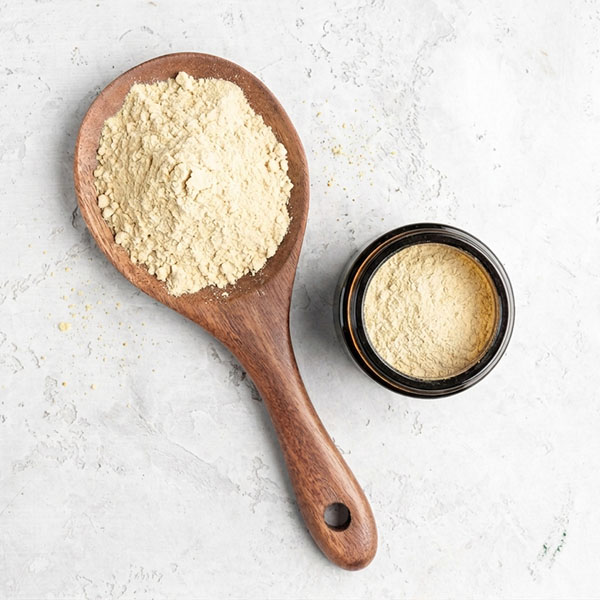
Spirulina oligopeptide represents a breakthrough in nutritional ingredient technology, offering food manufacturers and supplement brands a concentrated source of bioavailable amino acids with scientifically validated health benefits. Derived through advanced enzymatic hydrolysis of spirulina protein, this ingredient consists of short-chain peptides with molecular weights below 1,000 Daltons, ensuring rapid absorption and enhanced functionality compared to conventional spirulina powder.
Within the functional food and sports nutrition sectors, spirulina-derived peptides are increasingly recognized for their immune-modulating, antioxidant, and anti-fatigue properties, positioning them as a premium alternative to animal-derived peptides in clean-label formulations.
Understanding Spirulina Oligopeptide: Composition and Nutritional Benefits
An exact, multi-step process is used to make BIOWAY's Spirulina Oligopeptides Powder. This process takes spirulina biomass and turns it into healthy, short-chain peptides. The first step is to get proteins out of spirulina that has been grown. The material is then broken down using controlled enzymes, its bioactivity is checked, it is separated, and it is processed. The fishy smell that comes from raw spirulina is gone after this method, and it's also much easier to mix with water and digest.
At least 60% of the end result is total protein, and another 50% is oligopeptides. There are peptide units that are less than 1,000 Daltons in number. Because of this, it can be taken right away through the mucous, so the digestive system doesn't have to break it down any further. This makes it great for formulas that are meant to help with healing.
Nutritional Composition and Active Compounds
It is made from spirulina, which has nine essential amino acids and a full range of amino acids that are found in its parent algae. There is still a lot of leucine, isoleucine, valine, and other branched-chain amino acids in the body. This helps processes that make muscle protein, which is important for recovering from sports. Along with amino acids, the peptide matrix also keeps good things like phycocyanin, polysaccharides, and gamma-linolenic acid safe. All of these chemicals work together to help fight free radicals and inflammation.
Marine science journals have published studies that show these Spirulina Oligopeptides are better antioxidants than spirulina that has not been treated. They can get rid of more free radicals when their ORAC number is higher. Low molecular weight makes it easy for the peptides to get through the digestive system and into the bloodstream 15 to 30 minutes after being eaten. This works faster than regular supplements or full proteins.
Quality Specifications That Matter for Procurement
As part of our manufacturing standards, we have strict quality control measures that our B2B partners need. For 30 seconds, heating up to 120°C won't break down the powder, which is pale white to gray-yellow and stable in pH ranges from 2.0 to 10.0. Heavy metal tests with ICP-MS show that there are less than 2 parts per million of mercury, 2 parts per million of lead, and 2 parts per million of arsenic. This answers the main question about how safe ingredients from algae are. As part of microbiological control, the total plate counts are kept below 1,000 CFU/g, and harmful organisms like E. coli and Salmonella are not present.
Core Uses of Spirulina Oligopeptide in Nutrition and Wellness
These Spirulina Oligopeptides can do many things, so they can be used in many different products. Each of these products has a different bioactive mechanism. When procurement teams know about these uses, they can make sure that the ingredients they pick are in line with the health positioning strategies and the groups of people they want to buy from.
Sports Nutrition and Exercise Recovery
Spirulina Oligopeptides are a type of performance nutrition that helps your body heal after exercise by giving you quick-release amino acids. Peptides have an insulinotropic effect that helps the body make more muscle glycogen. They also have antioxidant properties that lower the oxidative stress that exercise causes, and that leads to delayed-onset muscle soreness. In tests with endurance athletes, taking Spirulina Oligopeptides as part of a pre-workout mix lowered the amount of lactate in their blood and made them last longer until they were completely worn out.
Product designers can use this ingredient to make recovery shakes, drinks to drink during or after a workout, or capsules for after a workout because it dissolves completely and doesn't have any taste after being deodorized. It's easy for the peptides to mix with the fluids, BCAAs, and carbohydrate matrices. They don't split or have structure issues like plant proteins do.
Immune Health and Antioxidant Support
Because they make macrophages and natural killer cells work harder, Spirulina Oligopeptides can change the way the immune system works. In vitro studies show that certain peptide sequences start the production of cytokines that help keep immune responses in check. They can be used in immune support items that focus on long-term health rather than short-term immune problems because of this.
Antioxidants help with more than just sports. Of course, they can also be used to improve your overall health and deal with reactive stress that comes from outside sources, getting older, and metabolic failure. People who care about their health and are looking for preventative food choices will like the peptides' ability to get rid of ABTS radicals and their SOD-like action, which protect cells. Brands that sell their goods around "daily vitality," "healthy aging," or "cellular health" find that Spirulina Oligopeptides fit in well with these health stories.
Functional Foods and Beverage Applications
Our Spirulina Oligopeptides Powder helps clear drinks, protein drinks, and ready-to-drink functional shots mix better and smell better, so it's a great choice. Use regular spirulina powder to make things cloudy and add strong notes of plants. The peptide format, on the other hand, keeps things clear in acidic conditions without changing the taste much. This technical edge opens up opportunities in the functional beverage market, which is growing quickly and where people want healthy drinks that taste good.
Because the ingredient is a neutral color and can handle heat, it can also be used in baking and making snacks. Protein bars, fortified granolas, and functional snacks can all get more protein by adding Spirulina Oligopeptides. This doesn't change the way the food tastes or looks. This meets the requirements of clean label laws and gives a small nutritional boost at the same time.
How Spirulina Oligopeptide Works: Mechanisms Behind Its Nutritional Impact
Spirulina Oligopeptides are better than whole proteins and other types of spirulina because they are easier for the body to use. In the stomach and pancreas make short-chain peptides without going through the step that slows down proteolysis. This is because enzymatic hydrolysis cuts peptide links first. The small intestine is where most of it is absorbed, and plasma amino acid levels reach their highest point a lot faster than they would with the same amount of whole proteins.
Comparative Bioavailability Analysis
It is clear that Spirulina Oligopeptides, whey protein isolate, collagen peptides, and raw spirulina powder all move through the body in different ways. The highest level of Spirulina Oligopeptides in plasma is reached in just 30 to 45 minutes. For whey protein, it takes 60 to 90 minutes, and for collagen, it takes 90 to 120 minutes. In situations where time is of the essence, like before a workout or during a morning fasting break, Spirulina Oligopeptides are great because they get to the body quickly and help with anabolic signals.
It's also better for the body to keep nitrogen in the peptides; their processing scores are higher than 95%, while normal plant proteins only score 80% to 85%. It takes less of it to get the same practical benefits because it works better. This makes the higher price more fair by lowering the cost per serve.
Safety Profile and Dosage Guidelines
Clinical tests have shown that Spirulina Oligopeptides are safe in amounts between 3 and 10 grams per day. Studies with healthy adults that were reviewed by experts did not find any side effects related to changes in metabolism, stomach problems, or allergic reactions. There are no worries about marine contaminants, dairy allergens, or the spread of pathogens from animals because the ingredient comes from plants. These things can happen with other peptide sources.
It's easier to get into markets in most big countries because it follows FDA GRAS rules and agrees with EU Novel Foods rules. We don't use genetic engineering, artificial ingredients, or chemicals in the way we make our products. This is in line with the clean-label rules that stores are pushing and that health-conscious customers want.
Procurement Guide: Sourcing Spirulina Oligopeptide for B2B Clients
You need to do more than just compare prices when you're looking for Spirulina Oligopeptides. You should also look at the technical details, the sellers' skills, and the ways they make sure the quality is good. The buying teams should pay the most attention to partners that show infrastructure for vertical integration, open analysis, and regulatory compliance.
Critical Supplier Evaluation Criteria
Make sure you get all the paperwork you need when you look at possible sources. For example, a Certificate of Analysis (COA) that shows the peptide molecular weight distribution as found by gel permeation chromatography is important. There is a very small range of molecular weights for high-quality products; more than 80% of the peptides have a weight below 1,000 Daltons. More than 10% phycocyanin should be found in the HPLC test. This means that the processing did not change the beneficial chemicals that make spirulina special.
An ICP-MS is a very important tool for checking for heavy metals in materials that come from algae. Ask for reports that are specific to each batch and show the USP-approved amounts of lead, arsenic, cadmium, and mercury. It was found that there are no cyanotoxins in the microcystins tests. Cyanotoxins can get into systems used to grow spirulina. The quality systems of suppliers that can't or won't do these checks aren't good enough for long-term, trusting relationships.
Minimum Order Quantities and Packaging Considerations
When you buy something from BIOWAY, you have to order at least 20 kilograms. This makes it easy for new brands to get and makes sure that production goes smoothly. The goods are sent in bags that are sealed with metal foil and filled with nitrogen to keep them fresh while they are being stored and shipped. Tests that speed up the aging process have shown that this packaging design keeps the product stable for 24 months in controlled conditions.
For brands that need more, 25-kilogram drums of bulk packaging are a good choice. This lowers the cost of packaging each item and makes it easier to keep track of supplies in factories that make a lot of things at once. Custom packaging arrangements can be made for OEM clients who want to use their own brand or have specific needs for filling.
Building Effective Long-Term Partnerships
Businesses that work together well don't just buy and sell things; they also share unique flavors. They also include making new things with other people. Leading providers give help with formulating, testing for stability, and gathering information about the market, all of which improve the results of product creation. You should compare suppliers based on how quickly they answer technical questions and how willing they are to do custom analytical work to fit your needs.
Spirulina Oligopeptide exemplifies such value-added innovation, as its functional properties often require collaborative expertise in formulation and stability testing, making it a natural fit for partnerships that prioritize shared technical development over simple transactions.
BIOWAY has been making finished goods from plants for 15 years. Because we grow our own plants and make our own products, we can give stable quality, flexible minimum orders, and full expert support. The Qinghai-Tibet Plateau is home to our 100-hectare organic farming base. This lets us keep track of the quality of our goods and raw materials from the time they are made until they are sold. This deals with problems of supply chain openness that are becoming more and more important for keeping a brand's image in check.
Spirulina Oligopeptide vs Alternatives: Making Informed Decisions
Product developers can choose from a wide range of peptides and proteins when making functional foods and nutritional supplements. When you compare the pros and cons of Spirulina Oligopeptides to other options, you can pick ingredients that are based on evidence and fit the positioning and target audience of your product.
Plant-Based Peptide Comparisons
The amino acids in Spirulina Oligopeptides are better balanced than those in pea protein peptides, especially when it comes to methionine, which is not found in large amounts in legume proteins. It's because Spirulina Oligopeptides contain phycocyanin and carbohydrates that they are more useful than separate pea peptides. This helps brands that focus on full nutritional profiles instead of just protein levels get a higher price tag.
In the same way that spirulina helps people with allergies, rice peptides do too, but they don't have as many micronutrients or beneficial compounds. Brands that want to boost antioxidants or immune health find that Spirulina Oligopeptides give them more proof than alternatives made from grains. It's because written study on the ingredient backs up claims about its use and makeup.
Animal-Derived Peptide Alternatives
Collagen peptides are the most common in the beauty-from-within and joint health markets, but vegan brands can also use Spirulina Oligopeptides. Certain amino acids, such as hydroxyproline, that collagen provides help make connective tissue. For those who want ingredients that do more than one thing, Spirulina Oligopeptides are a good choice because they provide full protein nutrition and a wider range of antioxidant protection.
For athletes, whey protein hydrolysates are still the fastest way to get amino acids into the body, but more and more people want plant-based options. This means that Spirulina Oligopeptides could become popular as "superfood protein" options. Regular whey is losing ground in the premium natural channel market because it doesn't have a clean label, a story of environmental sustainability, or any dairy toxins. This makes the ingredient a good choice.
Conclusion
Spirulina Oligopeptide is an ingredient that has been scientifically proven to work and can be sold in stores. It meets several needs that are changing the way nutritional products are made, such as the need for plant-based protein, clean-label formulations, functional superfoods, and new ideas in performance nutrition. It is better than other types of spirulina and other peptide sources because it is quickly taken by the body, contains all nine amino acids, and retains bioactive chemicals.
People who are in charge of buying this ingredient should give more weight to suppliers who can show that their data is open and honest, that they are fully integrated from farming to production, and that they can guarantee quality that meets international standards. This will always make sure that finished goods are safe for people to use and work well.
FAQ
Q1: What distinguishes Spirulina Oligopeptide from regular spirulina powder?
Enzymatic hydrolysis is used to break down Spirulina Oligopeptide into short-chain peptides with molecular weights below 1,000 Daltons, which greatly improves absorption and solubility of the protein. About 60% to 70% of the protein in regular spirulina powder is stuck in the cell walls and needs to be broken down by the body. When you take oligopeptide forms, on the other hand, amino acids that have already been broken down get into your bloodstream in 30 minutes. The process also gets rid of the smell of fish and makes it easier for water to mix with the oligopeptides. Because of this, they can be used in clear drinks where regular spirulina wouldn't work because of the way it looks and tastes.
Q2: How should spirulina oligopeptide be dosed in finished products?
How much to take depends on what you want to do. For instance, 5 to 10 grams of amino acids are usually found in each dose of sports nutrition products to help the body heal. Vitamins for immune health and general wellness usually come in doses of 3–5 grams. This is the right amount of bioactive peptides to help the immune system without adding too much protein. Based on a clinical study, these ranges work and are also good value for money when it comes to the result. For brands to find the best amounts for different forms and ways of transport, they should look at bioavailability and stability.
Q3: What quality certifications should I require from suppliers?
People who have cGMP certification and ISO22000 or FSSC22000 certification should be given more weight. cGMP certification shows that the company follows good manufacturing practices. Getting an organic certification from the USDA or the EU makes marketing through natural channels more valuable. Getting a Kosher or Halal certification makes it easier to get into markets. Ask for proof that bacteria were present, heavy metals were tested by a third party using ICP-MS, and the molecular weight distribution was checked. If a supplier can't offer full analysis help, they don't have the right tools for B2B partnerships to work.
Partner with BIOWAY for Premium Spirulina Oligopeptide Supply
Spirulina Oligopeptides can be bought from BIOWAY, which is a top company. Under strict quality control methods that are known all over the world, they help grow, remove, and make the products. Organic spirulina is grown on 100 hectares of land on the Qinghai-Tibet Plateau as part of our fully integrated operations. Products are made in a 50,000-square-meter GMP-certified factory with state-of-the-art peptide production lines.
The quality is always up to international standards; the minimum order size can be changed from 20 kilograms to anything else, and we offer full expert support that includes help with preparation and special analysis services. The Spirulina Oligopeptides Powder that we offer must have at least 60% protein, 50% oligopeptides, and tightly controlled heavy metal levels. These requirements put your products in a competitive position while protecting customers and following the rules. We can help you buy in bulk, try samples, or make a special formula that fits your product needs if you email our team at grace@biowaycn.com.
References
1. Dillon JC, Phuc AP, Dubacq JP. "Nutritional value of the alga Spirulina." World Review of Nutrition and Dietetics, 1995.
2. Wu Q, Liu L, Miron A, et al. "The antioxidant, immunomodulatory, and anti-inflammatory activities of Spirulina: an overview." Archives of Toxicology, 2016.
3. Kalafati M, Jamurtas AZ, Nikolaidis MG, et al. "Ergogenic and antioxidant effects of spirulina supplementation in humans." Medicine and Science in Sports and Exercise, 2010.
4. Mao TK, Van de Water J, Gershwin ME. "Effects of a Spirulina-based dietary supplement on cytokine production from allergic rhinitis patients." Journal of Medicinal Food, 2005.
5. Ishimi Y, Sugiyama F, Ezaki J, et al. "Spirulina peptides improve glucose metabolism and reduce hepatic lipids in type 2 diabetic mice." Journal of Functional Foods, 2014.
6. Zheng J, Inoguchi T, Sasaki S, et al. "Phycocyanin and phycocyanobilin from Spirulina platensis protect against diabetic nephropathy by inhibiting oxidative stress." American Journal of Physiology, 2013.
Contact Us
Grace HU (Marketing Manager) grace@biowaycn.com
Carl Cheng ( CEO/Boss ) ceo@biowaycn.com
Website: www.biowaynutrition.com
Post time: Sep-18-2026


