
Introduction
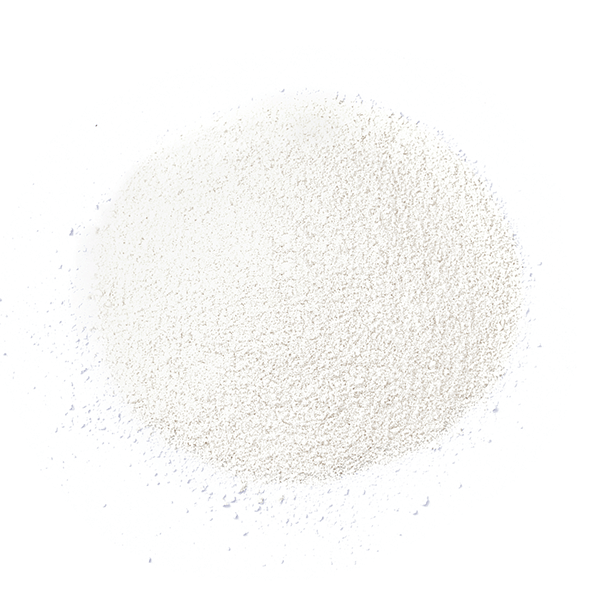
Glutathione comes in different forms, and the best one to take relies on what you want to use it for and how accessible it needs to be. GSH, liposomal glutathione, and acetylated forms like S-Acetyl-L-Glutathione are all different types of reduced glutathione and do not all enter and stay stable in the same way. Businesses that make vitamins for food or beauty products need to know about these changes. The liposome transfer method gets into cells much better than the usual oral form, and acetylated glutathione stays whole longer in the stomach. You will make the best choice for your product line by looking at the amount of purity, the facts on solubility, and how well it fits with your manufacturing matrix.
Understanding Glutathione and Its Uses
Glutathione is the body's main antioxidant. It comes from three amino acids: glycine, cysteine, and glutamic acid. This three-part protein is very important for keeping cells clean, scavenging reactive oxygen species, and supporting immune function. It is very important for protecting cells from oxidative stress and outside chemicals because it works as an antioxidant inside cells.
The fact that demand is rising in the food, beauty, and drug businesses shows how adaptable it is. Vitamin firms stress that it boosts the immune system and gets rid of toxins, and cosmetic firms use it to make skin lighter. Pharmaceutical companies are looking into how they could be used to treat liver illness and cancer. The people who work in procurement can make sure that their buying plans match customer tastes and market trends by learning about these different uses.
Applications Across Multiple Industries
Glutathione has many business uses because it can be changed by living things. It is used in antioxidant-rich drinks and foods made for older people by companies that make useful foods and drinks. It's used in serums and vitamins to make your skin clearer because it stops tyrosinase from working. To make healing recipes, drug companies need materials that are GMP-grade and meet strict pharmacopoeia standards.
More and more, feed and pet food companies are adding glutathione to their better products because they know it helps animals stay healthy and strong. This use in many fields makes it easier for sellers to buy things because they can deal with various quality standards and legal settings. It is important to know what the end use needs so that source choices meet both technical and business goals.
Biochemical Mechanisms and Market Growth
It is found in cells and helps with redox reactions, protein stabilisation, and binding processes. Its sulfhydryl group sticks to heavy metals and toxins, which helps the body get rid of them through bile and pee. Because it can detoxify, it has a healing picture and is good for business.
A study of the market says the business will keep growing at a rate of over 8% per year until 2030. This is because people are living longer and their health is changing. In the Asia-Pacific region, people want skin-whitening solutions more than anything else. In North America, on the other hand, people want cleansing and immune support products more. When traders buy things for markets around the world, these regional differences affect what they buy and how much they keep in stock.
Different Forms of Glutathione Explained
Glutathione sold in stores comes in different types, each made to be given in a different way and with a different level of safety. Most of the time, people use liposomal solutions, oxidised glutathione, acetylated compounds, and reduced glutathione powder. If you know how they work and how their designs are different, you can buy things that will help you reach your product development goals.
This form, called L-glutathione, is important, but it is hard to keep steady in the stomach because enzymes break it down. The molecule is kept safe by the liposome covering while it is broken down, which greatly speeds up the uptake process. One part of S-Acetyl-L-Glutathione is joined to the cysteine residue by an acetyl group. This makes the membrane more open and less likely to break. Each style works well with various formulas and prices.
Oral Capsules and Powders
Oral glutathione vitamins usually come in the form of powder or pills that have reduced glutathione in them. These items are good for companies that want to sell vitamins to popular customers but don't have a lot of money. There is still a problem with bioavailability because tests show that only 10–30% makes it through the stomach whole. Manufacturers often add things like vitamin C or alpha-lipoic acid to these formulas to help the body process them. This makes the formulas work better.
HPLC tests show that bulk powder standards are generally between 95% and 99% pure. Things need to be kept cool and dry while they are being stored so that they don't oxidize. For safety in the long run, nitrogen cleaning is recommended. If you store food the right way, it should last for 24 months. Because it's not too expensive, this type is good for supplement brands that sell a lot of products and want to get into more markets than place themselves as elite.
Liposomal Glutathione Technology
When glutathione molecules are moved around by liposomes, they are enclosed in phospholipid bilayers, which have the shape of a cell wall. This technology protects the active ingredient from being broken down by stomach acids and makes it easier for cells to take it in straight through lipid fusion. There are studies that show liposomal forms are 3–5 times more accessible than non-liposomal forms. This is why they cost more in stores.
It takes special tools and quality checks to make liposomal goods. These make sure that the particles are all the same size (usually 100–300 nanometers) and that more than 90% of them are encapsulated. For facial beauty goods, cosmetic companies like this style a lot because customers think it looks more high-tech, which helps them charge more. To make sure the liposome stays together over time, it needs to be tested for stability. This generally means putting it in the fridge.
Acetylated and Injectable Forms
When taken by mouth, S-Acetyl-L-Glutathione is much more soluble than before. The acetyl group protects the molecule while it is being broken down. It also makes lipids more soluble, which makes it easier for the molecule to pass through the gut walls. When these esterases get inside cells, they remove the acetyl group. This lets you get active glutathione. It's very pricey, but this form works just as well in food supplement forms as it does in drug forms.
If you put glutathione into a muscle or straight into a body part, it doesn't have to go through the digestive system. A lot of medical beauty salons use shots to lighten skin quickly, but officials pay different amounts of attention in different places. The FDA and the Philippine FDA have both put out safety alerts about the drug, such as the fact that it could hurt your kidneys and liver if you don't use it properly. When drug companies buy injectable-grade materials, they need to make sure that the materials are clean, don't have any pyrogens, and meet the standards set by the national pharmacopoeia.
How to Choose the Best Glutathione Form for Your Business Needs?
It's important to think about the product's goals, its target market, and the rules that guide it in order to pick the right Glutathione form. Business factors like cost, certificates, and source reliability must be weighed against technical performance factors like bioavailability and steadiness. Making this choice helps with smart sources that help the business reach its goals.
In science, absorption is the most important thing. Products for health-conscious people who are willing to pay more can benefit from types that are liposomal or acetylated because they are better absorbed. People may not be able to use standard reduced glutathione as well, but cheap mass-market goods might be ready to use it. Makeup needs to have great purity (98%+ by HPLC) and be microbial-friendly. When it comes to feed, security and low cost are more important.
Evaluating Purity and Certifications
The first step in quality standards is to use HPLC to test for purity. Most of the time, 98% clarity is needed for medicine and cosmetic uses. Heavy metal tests for cadmium, lead, arsenic, and mercury must show that the amounts are less than what the FDA, the EU, or the officials in the target market say is safe. Microbiological tests shouldn't find any pathogens, and the total number of plates should be within the normal range.
An important part of certificates is making sure the quality of the work. When a process is approved by cGMP, it means that it meets the standards for making pharmaceutical-grade goods. Food safety management systems work because they have been certified by groups like ISO 22000 and HACCP. People who make natural products, such as organic certifications from the USDA and the EU. However, fermentation, not farming, is generally used to make glutathione. Having certifications like Halal and Kosher makes it easy to sell to certain types of people.
Ask for Certificates of Analysis (COA) from recent production batches from different sources to make sure the specs meet your needs. Reading and following the MSDS paperwork helps keep things safe. Standards in the pharmaceutical industry call for records that can be used to show where raw materials came from and how they were handled. These records also help with audit requirements.
Comparative Analysis for Formulation Selection
Liposomal glutathione works really well in expensive supplement mixes that claim to have better absorption technology. The more expensive ingredients (three to five times the price of normal powder) make the item look better in stores. Beauty brands that make mouth treatment lines love this form, and scientific evidence that blood glutathione levels rise in a measured way supports this.
For those who need to save money and where high-volume sales can make up for low profit margins, standard reduced glutathione powder is still the best choice. N-acetylcysteine (NAC), vitamin C, or selenium can help the body make more glutathione by mixing it with them. This can make up for some of its lower solubility. This method helps make items with clean labels that have a lot of good ingredients.
A type of glutathione called S-Acetyl-L-Glutathione is in the middle of the normal and liposomal forms. Even though it costs a little more, it absorbs better. Some mid-range brands want to stand out but don't want to deal with the technical difficulties of making liposomes. This method works well for them. Being stable, the acetylated form makes it easier to come up with new recipes and keeps the product fresh longer in a normal shop.
Trusted Global Suppliers and Procurement Tips
You need to know how the world's supply chain works and what your sellers can do in order to find reliable Glutathione sources. China, Japan, and a few companies in Europe make most of it, but India is starting to become a rival source for materials that are safe for use in medicine. Having relationships with certified makers ensures consistent quality, following the rules, and fair business terms.
Certs like cGMP, ISO 9001, ISO 22000, and HACCP are held by some of the most important providers. Big companies spend a lot of money on analytical tools like HPLC, UPLC-MS, and residual solvent research to help with medicinal uses. Being open about the steps that go into making something, like the cleaning and fermentation routines, shows that the company is technically savvy and dedicated to quality.
Key Supplier Evaluation Criteria
For large businesses that need a steady supply, production capacity and batch stability are two of the most important things to look for in a provider. Prices start at 1 kg for samples and go up to 500 kg for big purchases. MOQ rules that aren't too strict are good for startups and small brands that are testing the market. On the other hand, established makers talk about volume contracts with promises every three or twelve months.
You can tell the difference between professional buyers and shady businesses by how full the paperwork is. There should be a COA, an MSDS, allergy statements, GMO-free statements, BSE/TSE certifications, and data from stable studies in full technical packages. As a way to help customs officials handle goods coming from outside the US, sellers must show business invoices, packing lists, and certificates of origin. Health certificates and free sales certificates may be needed, depending on the rules of the country you want to sell to.
Most normal items have lead times of two to four weeks. For special orders or sales with a lot of items, lead times can be six to eight weeks. When you buy something from another country, logistics skills are very important. It's also easier to do business with skilled sellers who offer DDP (Delivered Duty Paid) terms. If you know Incoterms and how to deal with customs problems, you can avoid delays and extra costs that you didn't plan for.
Pricing Dynamics and Negotiation Strategies
Prices for glutathione depend on how much is ordered, market conditions, and quality grades. If you buy more than 100 kg of standard 98% reduced glutathione, it costs about $180 to $280 per kilogram. Liposomal types, on the other hand, cost $400 to $600 per kilogram. S-Acetyl-L-Glutathione costs between $280 and $380 per kilogram. These rules change yearly based on how much raw materials cost, how much the dollar is worth, and how demand changes over time.
You can save a lot of money if you decide to buy a lot. When you compare yearly contracts with packages every three months to spot deals, you can save 10 to 15 percent. Prices are also affected by how you pay. For people you already know, net 30 to 60 days terms are normal. For new customers, you might need a letter of credit or payment in full right away. Having more buying power grows over time as you earn trust by always paying on time and placing orders.
Requesting samples before making big orders lowers the risk because you can check the specs and see if they work with the way things are made now. Sellers you can trust will give you 100–500 gramme samples for a small fee that can be used on future purchases or returned. Testing samples in different labs proves what the seller says and sets standards for quality for future production runs.
Conclusion
When picking the best form of Glutathione, you should carefully think about how bioavailable it is, what you want to use it for, and your business goals. It costs more for the acetylated and liposomal types because they are better at being absorbed, but normal reduced glutathione works well for markets that care about price. One way to make sure that quality is uniform and rules are followed is to check the source paperwork's licenses, analytical skills, and accuracy. You can make better nutritional, cosmetic, and pharmaceutical products if you know the right dose, how safe an ingredient is, and what other ingredients work well with it. Building strong partnerships with skilled manufacturers is the key to making glutathione products that meet the needs of many different markets.
FAQ
Q1: How does liposomal glutathione compare to regular oral glutathione?
Because it is covered by phospholipids, liposomal Glutathione is 3–5 times more bioavailable than normal oral types. This is because the molecules don't break down in the stomach. The higher price is fair because it does raise blood glutathione levels in a way that can be tested. Standard forms are cheaper for people on a budget because they work just as well when mixed with absorption boosters or higher doses.
Q2: What certifications should I verify when sourcing glutathione?
cGMP is an important certificate for making medicines, ISO 22000 and HACCP are important for handling food safety, and USDA or EU Organic is important for selling natural goods. For a new COA that proves purity through HPLC, heavy metal tests, and bacterial compliance, ask for one. Different markets can follow the rules with the help of MSDS, allergen labels, and tracking papers.
Q3: Are injectable glutathione products safe for long-term cosmetic use?
While taking glutathione by mouth is less dangerous, injectable glutathione is more so. In the Philippines, the Food and Drug Administration (FDA) has said that it might be bad for the nervous system, kidneys, and liver. A doctor still needs to be present during injection methods. They work just as well when used every day for 3 to 6 months, but oral liposomal or acetylated types are better for long-term skin-brightening treatments.
Partner with BIOWAY for Premium Glutathione Supply
If you need Glutathione, BIOWAY INDUSTRIAL GROUP LTD can help. They have pharmaceutical-grade products that come with a lot of different certifications. Our plant is 50,000 square meters and has ten specific production lines, such as an extraction system for high purity and an extraction tank for cosmetics. We are a fully integrated company that makes plant extracts. The Class 100,000 cleanroom, which is 1,200 square meters in size, makes sure that work areas are clean and meet the strictest standards for medicines.
We offer a lot of different ingredients besides glutathione. One example is glabridin from Glycyrrhiza glabra, which can be as pure as 10% by HPLC or as pure as 98%. This excellent plant extract can greatly reduce inflammation and lighten the skin, which makes it a great beauty ingredient to mix with glutathione. You can talk to our technical team about your specific needs, get technical specs, and get quotes from other businesses by emailing grace@biowaycn.com. Our more than 15 years of experience in the field helps goods get made well from the time they are just ideas to the time they are sold.
References
1. Jones DP, Coates RJ, Flagg EW, et al. "Glutathione in Foods Listed in the National Cancer Institute's Health Habits and History Food Frequency Questionnaire." Nutrition and Cancer, 1992, 17(1):57-75.
2. Allen J, Bradley RD. "Effects of Oral Glutathione Supplementation on Systemic Oxidative Stress Biomarkers in Human Volunteers." Journal of Alternative and Complementary Medicine, 2011, 17(9):827-833.
3. Sinha R, Sinha I, Calcagnotto A, et al. "Oral Supplementation with Liposomal Glutathione Elevates Body Stores of Glutathione and Markers of Immune Function." European Journal of Clinical Nutrition, 2018, 72(1):105-111.
4. Weschawalit S, Thongthip S, Phutrakool P, Asawanonda P. "Glutathione and Its Antiaging and Antimelanogenic Effects." Clinical, Cosmetic and Investigational Dermatology, 2017, 10:147-153.
5. Bounous G, Batist G, Gold P. "Whey Proteins in Cancer Prevention." Cancer Letters, 1991, 57(2):91-94.
6. Richman PG, Meister A. "Regulation of Gamma-Glutamyl-Cysteine Synthetase by Nonallosteric Feedback Inhibition by Glutathione." Journal of Biological Chemistry, 1975, 250(4):1422-1426.
Contact Us
Grace HU (Marketing Manager) grace@biowaycn.com
Carl Cheng ( CEO/Boss ) ceo@biowaycn.com
Website: www.biowaynutrition.com
Post time: May-15-2026