
Introduction
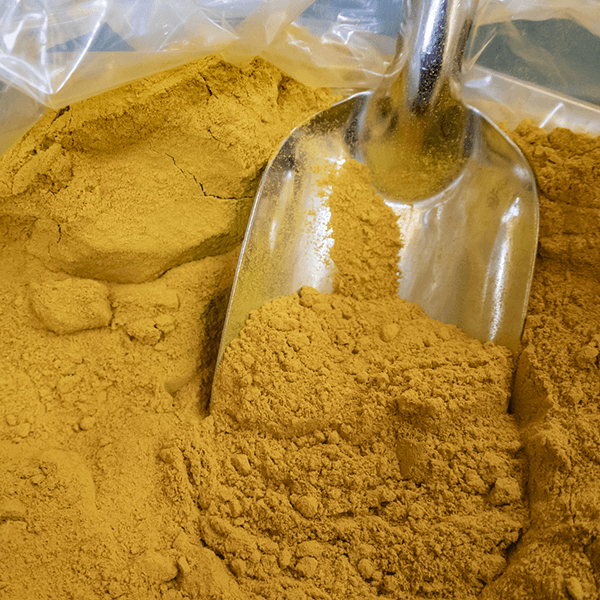
Berberine chloride is a powerful alkaloid compound derived from various plants, including Phellodendron chinense. The mechanism of berberine chloride involves multiple pathways in the body, primarily affecting metabolism, inflammation, and cellular function. It acts by modulating enzyme activity, influencing gene expression, and regulating key signaling pathways. Berberine chloride's primary mechanisms include improving insulin sensitivity, activating AMPK (AMP-activated protein kinase), reducing lipid synthesis, and enhancing glucose uptake in cells, contributing to its diverse health benefits.
Understanding Berberine Chloride's Molecular Actions
AMPK Activation: The Metabolic Master Switch
Berberine chloride's most significant mechanism involves the activation of AMPK, often referred to as the "metabolic master switch." This enzyme plays a crucial role in regulating cellular energy homeostasis. When activated by berberine chloride, AMPK:
- 1. Enhances glucose uptake in cells, particularly in muscle and liver tissues
- 2. Increases fatty acid oxidation, promoting the breakdown of stored fats
- 3. Inhibits the production of glucose in the liver, helping to regulate blood sugar levels
- 4. Reduces cholesterol and triglyceride synthesis
These actions collectively contribute to berberine chloride's ability to support metabolic health, making it a promising compound for managing conditions like type 2 diabetes and obesity.
Insulin Sensitivity Enhancement
Another critical mechanism of berberine chloride is its ability to improve insulin sensitivity. This process involves:
- 1. Upregulating insulin receptors, increasing the cell's responsiveness to insulin
- 2. Enhancing glucose transporter 4 (GLUT4) translocation, facilitating glucose uptake in muscle and fat cells
- 3. Modulating the expression of genes involved in insulin signaling pathways
By enhancing insulin sensitivity, berberine chloride helps the body utilize glucose more effectively, contributing to better blood sugar control and potentially reducing the risk of insulin resistance-related disorders.
Lipid Metabolism Regulation
Berberine chloride exerts significant effects on lipid metabolism through various mechanisms:
- 1. Inhibiting cholesterol synthesis by suppressing key enzymes like HMG-CoA reductase
- 2. Increasing LDL receptor expression, promoting the removal of LDL cholesterol from the bloodstream
- 3. Reducing triglyceride synthesis in the liver
- 4. Enhancing fatty acid oxidation, promoting the breakdown of stored fats
These actions collectively contribute to berberine chloride's ability to support healthy cholesterol levels and overall lipid profile, making it a potential ally in cardiovascular health management.
Cellular and Molecular Targets of Berberine Chloride
Gut Microbiota Modulation
Berberine chloride has a profound impact on the gut microbiome, which plays a crucial role in overall health:
- 1. Altering the composition of gut bacteria, promoting the growth of beneficial strains
- 2. Reducing intestinal inflammation through its antimicrobial properties
- 3. Enhancing the production of short-chain fatty acids, which support gut health
- 4. Improving intestinal barrier function, reducing "leaky gut" syndrome
These effects on the gut microbiome contribute to berberine chloride's wide-ranging health benefits, including improved digestion, enhanced immune function, and potential protection against metabolic disorders.
Anti-inflammatory Actions
Berberine chloride exhibits potent anti-inflammatory properties through various mechanisms:
- 1. Inhibiting pro-inflammatory cytokines such as TNF-α, IL-6, and IL-1β
- 2. Suppressing NF-κB signaling, a key pathway in inflammation
- 3. Reducing oxidative stress by enhancing antioxidant enzyme activity
- 4. Modulating immune cell function, including macrophages and T cells
These anti-inflammatory actions contribute to berberine chloride's potential in managing chronic inflammatory conditions and supporting overall health.
Cellular Signaling Pathway Modulation
Berberine chloride interacts with numerous cellular signaling pathways, influencing various physiological processes:
- 1. Activating the MAPK pathway, influencing cell growth and differentiation
- 2. Modulating the mTOR pathway, affecting protein synthesis and cell metabolism
- 3. Influencing the Wnt/β-catenin pathway, which plays a role in cell proliferation and differentiation
- 4. Affecting the p53 pathway, potentially contributing to its anti-cancer properties
By modulating these signaling pathways, berberine chloride exerts a wide range of effects on cellular function, contributing to its diverse health benefits.
Clinical Applications and Future Perspectives
Metabolic Syndrome Management
Berberine chloride shows promising potential in managing metabolic syndrome, a cluster of conditions including high blood pressure, high blood sugar, excess body fat, and abnormal cholesterol levels:
- 1. Improving insulin sensitivity and glucose metabolism
- 2. Reducing body weight and visceral fat accumulation
- 3. Lowering blood pressure through various mechanisms
- 4. Improving lipid profiles by reducing LDL cholesterol and triglycerides
These effects make berberine chloride a potential natural alternative or complement to conventional treatments for metabolic syndrome.
Cardiovascular Health Support
The mechanisms of berberine chloride contribute significantly to cardiovascular health:
- 1. Reducing atherosclerosis risk by improving lipid profiles and reducing inflammation
- 2. Protecting against endothelial dysfunction, a key factor in cardiovascular disease
- 3. Potentially reducing blood pressure through multiple pathways
- 4. Exhibiting antiarrhythmic properties, potentially protecting against certain heart rhythm disorders
These actions position berberine chloride as a promising compound for supporting heart health and potentially reducing cardiovascular disease risk.
Emerging Research and Potential Applications
Ongoing research is exploring new potential applications for berberine chloride based on its diverse mechanisms:
- 1. Neuroprotective effects, potentially beneficial in neurodegenerative disorders
- 2. Anti-cancer properties, showing promise in various types of cancer
- 3. Liver protection, potentially aiding in the management of non-alcoholic fatty liver disease
- 4. Mood regulation, with potential applications in mental health disorders
As research continues, the full potential of berberine chloride's mechanisms may lead to novel therapeutic applications across a wide range of health conditions.
Conclusion
The mechanisms of berberine chloride are diverse and far-reaching, affecting multiple systems in the body. From its role in metabolic regulation to its anti-inflammatory and cellular signaling effects, berberine chloride demonstrates significant potential in supporting various aspects of health. As research continues to unravel the intricacies of its actions, berberine chloride may emerge as a valuable tool in managing a wide range of health conditions.
For those seeking high-quality berberine chloride products, it's crucial to choose reputable suppliers and manufacturers who prioritize purity, potency, and quality control in their production processes. At Bioway Industrial Group LTD, we pride ourselves on our state-of-the-art manufacturing facilities and rigorous quality control processes. Our berberine chloride is derived from premium Phellodendron chinense, ensuring the highest quality and purity. With our advanced extraction technologies and comprehensive certifications, we offer berberine chloride that meets the highest international standards.
FAQ
Q1: What is the recommended dosage of berberine chloride?
A1: The typical dosage of berberine chloride ranges from 900 to 1500 mg per day, divided into 2-3 doses. However, it's essential to consult with a healthcare professional before starting any new supplement regimen.
Q2: Are there any side effects associated with berberine chloride?
A2: While generally well-tolerated, some people may experience mild gastrointestinal side effects such as constipation, diarrhea, or stomach upset. It's important to start with a lower dose and gradually increase as tolerated.
Q3: Can berberine chloride interact with medications?
A3: Yes, berberine chloride can interact with certain medications, including some antibiotics and blood thinners. Always consult with a healthcare provider before combining berberine chloride with other medications.
Discover Premium Berberine Chloride from Bioway
At Bioway Industrial Group LTD, we offer high-quality berberine chloride extracted from organic Phellodendron chinense. Our state-of-the-art 50,000㎡ manufacturing facility, equipped with advanced extraction technologies, ensures product purity and potency. With comprehensive certifications including cGMP, ISO22000, and USDA/EU Organic, we guarantee international quality standards. Our 100-hectare organic planting base and 1200㎡ Class 100000 cleanroom further enhance our commitment to quality. For premium berberine chloride and other botanical extracts, contact us at grace@biowaycn.com.
References
- 1. Zhang, Y., et al. (2019). "Berberine: a potential multipotent natural product to combat Alzheimer's disease." Molecules, 24(12), 2204.
- 2. Cicero, A. F., & Baggioni, A. (2016). "Berberine and its role in chronic disease." Advances in Experimental Medicine and Biology, 928, 27-45.
- 3. Neag, M. A., et al. (2018). "Berberine: Botanical occurrence, traditional uses, extraction methods, and relevance in cardiovascular, metabolic, hepatic, and renal disorders." Frontiers in Pharmacology, 9, 557.
- 4. Xu, J. H., et al. (2017). "Berberine protects against diet-induced obesity through regulating metabolic endotoxemia and gut hormone levels." Molecular Medicine Reports, 16(4), 5035-5041.
- 5. Imenshahidi, M., & Hosseinzadeh, H. (2019). "Berberine and barberry (Berberis vulgaris): A clinical review." Phytotherapy Research, 33(3), 504-523.
Contact Us
Grace HU (Marketing Manager) grace@biowaycn.com
Carl Cheng ( CEO/Boss ) ceo@biowaycn.com
Website: www.biowaynutrition.com
Post time: Feb-02-2026