
Introduction
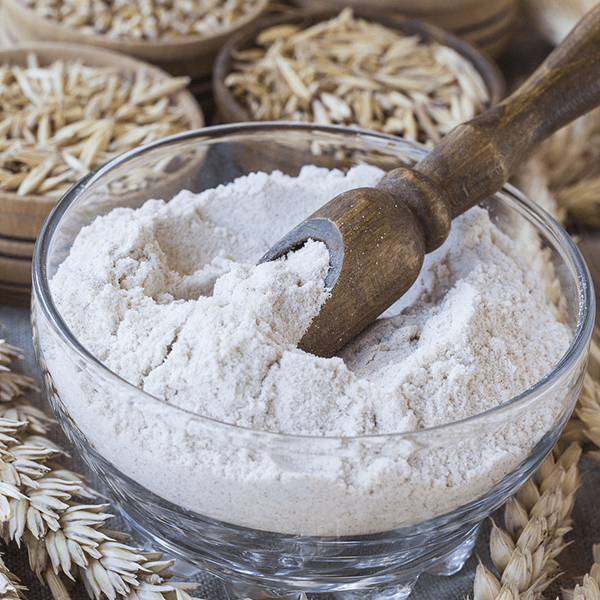
Sourcing certified organic rice peptide starts with identifying vertically integrated suppliers who control cultivation, enzymatic processing, and quality assurance. Ideal partners hold USDA Organic and EU Organic certifications, maintain transparent traceability from farm to formulation, and demonstrate consistent batch quality through rigorous third-party testing. Procurement teams should prioritize manufacturers with dedicated organic planting bases, GMP-certified facilities, and technical expertise in enzymatic hydrolysis—ensuring the peptide's molecular integrity, hypoallergenic properties, and regulatory compliance across global markets. Understanding these fundamentals streamlines vendor selection and secures reliable, premium-grade organic rice peptide for your product pipeline.
Understanding Certified Organic Rice Peptide
Oryza Sativa plants give us organic rice protein peptides, which are small pieces of protein. Longer rice proteins are broken down into bioactive chains that are usually less than 1,000 Daltons long which are how they are made. These peptides work better in a lot of different scenarios than regular rice protein supplements because they dissolve better in water and are taken faster. For recipes that need to be safe, they work better than options made from soy or dairy, which can cause allergens.
What Sets Organic Certification Apart?
It's more than just a sticker to say that something is organic; it means that the process of making it has been checked to make sure it doesn't use any synthetic herbicides, chemical solvents like hexane, or genetically modified organisms. The EU and the USDA both have strict rules about the health of the land, proof of tracking, and checks by a third party every year. Organic purity and high levels naturally reduce pest populations in places like the Qinghai-Tibet Plateau, which is where these peptides come from. This means that they are very low in heavy metal poisoning.
Key Applications Driving Demand
Because it is so adaptable, Organic Rice Peptide can be used in a lot of different fields. The amino acids in it help the body make collagen, which keeps the skin wet and repairs the top layer of skin. This helps with wrinkles and sensitive skin without making the skin worse. Sports nutrition brands use it to help athletes recover after a workout because the body absorbs it quickly. Pharmaceutical and nutraceutical companies use it to make safe clinical nutrition products for people who are allergic to certain foods or have trouble receiving nutrients. A study from the International Journal of Cosmetic Science in 2020 found that it lowers oxidative stress signs and helps wounds heal.
Core Criteria When Sourcing Certified Organic Rice Peptide
If you want to buy something good, you should look at more than just organic certification. A study using HPLC-GPC to look at molecular weight distribution should show that more than 90% of peptides have a weight of less than 1,000 Daltons. This means they are accessible at their best. As shown by NX6.25, the dry protein content should be at least 80% and the wetness content should be less than 5% so that bacteria don't grow on the food while it's being kept. It's important to have details. If the powder is beige or light beige, has a unique smell, and has a pH of at least 6.5, it means that the processing went well and the powder has not been dissolved or oxidized.
Essential Supplier Certifications
Full certifications, along with organic labels, show that the production process is safe and that food safety systems are working right. Make sure the company has certifications such as cGMP (current Good Manufacturing Practices), ISO22000, HACCP, and FSSC. These prove that the process is being run according to a plan and there is no contamination. You need to be USDA and EU Organic certified in order to ship to markets in North America and Europe. Getting certified as Kosher or Halal, on the other hand, lets you sell your goods in more places. When the supply chain is approved by BRC (Brand Reputation Compliance), retail partners can be even more sure that it is honest. When a supplier has all of these skills, they usually spend a lot of money on good infrastructure. This makes checks easier and lowers your legal risk.
Traceability and Testing Protocols
With enzymes, you can follow each batch from the organic farm to the final packing using strong ways to keep track of each one. The organic certifiers give out Transaction Certificates (TC) that show that both the raw materials and the finished goods are organic. This sets up a security system that can't be broken. An ICP-MS should be used on every batch to check for heavy metals like lead, arsenic, cadmium, and mercury. The values must be less than 0.3 mg/kg for lead and 0.25 mg/kg for arsenic, which is what California Prop 65 and the EU say they should be. There are more than 500 different types of pesticide tests that make sure the food is organically sound. There are also microbiological tests that check for Salmonella, E. coli, and yeasts and molds, as well as total plate count.
Commercial Considerations
For test sales, 50 kg is usually the lowest amount that can be ordered. For long-term deals, it's usually between 500 kg and 1,000 kg. This makes production more efficient while still giving customers a lot of options. It's easier to move and store things when they are packed in 25 kg drums, but custom packaging is often possible. things in stock will take 4 to 6 weeks, and things made just for you will take 8 to 12 weeks. Lead times depend on how much you buy and when the organic crops grow. When you know these things, you can make sure that the time of your buying fits with your plans for making things and your inventory management strategies.
Comparing Leading Organic Rice Peptide Supplier Options
Suppliers come in two types: those who own the whole value chain (vertically integrated makers) and those who buy from different producers (distributors). Vertically integrated suppliers make it easier to keep track of products, make sure batches are consistent, and change orders because they are in charge of growing, extracting, and checking quality themselves. People who need precise molecular weight readings or high levels of contamination will get the most out of this type. Distributors may have a bigger selection of goods and lower minimum order quantities, but they also make it harder to keep an eye on quality and see what's going on in the supply chain. Organic Rice Peptide production benefits significantly from vertical integration, as it allows full control over organic farming practices, enzymatic hydrolysis parameters, and final peptide profile consistency.
Evaluating Manufacturer Capabilities
There are a lot of ways that competitive makers stand out. The 100-hectare high-altitude farms that are only used for organic farming provide managed sources of raw materials that aren't hurt by regular farming. Modern factories that are more than 50,000 square meters and have cleanrooms that meet Class 100,000 standards can process things that are used in medicine. Having more than one extraction line with vertical and multifunctional tanks lets different batches be worked on at the same time without having to worry about contamination. Engineers have been using enzymes to break down proteins for more than 15 years, so they can make the best peptide profiles for a variety of purposes. For example, they can make them more soluble for use in drink mixes or make the healthiest peptides for clinical nutrition.
Sustainability and Ethical Sourcing Practices
Getting organic approval isn't the only thing that makes a business responsible. Green energy sources, water recycling systems, and waste-to-energy programs are some of the new ways that progressive providers make their products. Some examples of ethical sources are fair work practices, farmer partnership programs, and investing in communities where there is a lot of organic farming. Reports on sustainability and carbon footprint studies done by a third party show things in a certain way. You should make sure to ask suppliers for sustainability reports and proof of social responsibility programs when you are looking at them. More and more, these actions hurt the reputation of brands and the trust of customers, especially in North America and Europe, where conscious consumerism influences buying decisions.
Evaluating Organic Rice Peptide Products: What to Look For?
It is clear that Organic Rice Peptide is better than other protein sources. Rice peptides, on the other hand, don't come from animals, so they can be used in vegan and vegetarian recipes without breaking any faith rules about food. Compared to soy peptides, rice is less likely to make people allergic. It's very important for babies and people who are allergic to legumes to follow these rules. Even though manufactured peptides are always the same, they don't have the "clean label" appeal that comes with organic certification. Because rice peptides have a lot of glutamic acid and branched-chain amino acids (BCAAs), they can be used for both health and beauty reasons.
Formulation Considerations
Form of a product is very important to how well it works in certain situations. Powders, which generally have particles smaller than 80 mesh, are very solid, last a long time (24 months if stored properly), and can be used in many ways, such as in dry mixes, encapsulated vitamins, and drinks that are mixed with water again. One thing that makes premium peptides stand out is that they dissolve instantly in water at room temperature, while others stick or settle. This is a very important quality for face serums and drinks that are ready to drink. For making a lot of things, you can use bulk drums, and for testing and study, you can use smaller pieces. Nitrogen flushing and moisture shield materials keep things from oxidizing and absorbing water while they are being shipped or stored.
Risk Management and Regulatory Compliance
Heavy metals from fields, chemical residues from normal farming close by, and microbial growth while the food is being processed or stored are all things that could make it dirty. People who buy food should be careful when picking suppliers, but they should still check each batch on their own by looking at the certificate of analysis (COA) and having third parties test it every so often. Along with following organic standards, people must also follow rules about labels, import paperwork, food chemicals (FDA GRAS status in the US, EU Novel Food laws), and so on. These rules are different for each country. Safety data sheets (SDS), allergen statements, and GMO-free certifications are all part of regulatory dossiers that suppliers give you. These make it easier to follow the rules and get into more markets.
How to Initiate Procurement: Buying Certified Organic Rice Peptide?
The pros and cons of each way to buy something are different. There are more ways to customize your order and get direct technical help from people who know a lot about production when you work directly with makers. People who know how much they need to buy and have specific recipe needs can use this method well. Online business-to-business (B2B) platforms let you compare more suppliers, have lower minimum order quantities (MOQs), and make payment terms easier. However, they may also add middlemen that make it harder to find suppliers and get in touch with them. It's easier to find suppliers and better to build long-term partnerships with hybrid methods that start with platforms and move to direct relationships after suppliers are approved.
Negotiation Tactics for Optimal Terms
To negotiate well, you need to be clear on what you want, like how much you want to buy each year, what quality standards you have, when you want it delivered, and how much you can spend. By promising a lot of business, you can often get tiered price systems to work. For instance, if you agree to buy 500 kg every year, you might get 15-20% better prices than if you bought it right then. In most cases, you can pay 30% up front and the rest when the goods are shipped. For your first buy, you can also set up a letter of credit. Samples (100–500g) can be sent to you for a small fee before you agree to trial sales. This way, your R&D and quality teams can check how well it works. There should be parts of the contract that protect intellectual property, settle disagreements, guaranty quality, and cover "force majeure" situations if special recipes are needed.
Building Long-Term Supplier Relationships
People can get more out of long-term relationships than one-time purchases. When you talk to your suppliers on a regular basis about things other than placing an order, like market feedback, application problems, and the need to develop new products in the future, you turn them into innovation partners instead of just vendors. Facility audits should be done regularly, and they can be done in person or online. They show that you care about quality and help you learn more about your supplier's strengths and weaknesses. Together, they can better plan their production, which could cut down on lead times and make sure that times of high demand get the most attention. Partnerships that work well often lead to special deals, custom product development, and early access to new ideas. Because of these, the partners have benefits over their competitors that go beyond price.
Conclusion
There are many people in the production chain whose qualifications, quality systems, and organic honesty must be carefully checked in order to get certified Organic Rice Peptide. When a company owns its own organic farms, full approvals, and high-tech enzymatic processing tools, it can make sure that its recipes are always reliable and consistent, which is important for competing products. Prioritizing tracking, batch testing, and following the rules will protect the image of your brand and help you meet the needs of a market that is getting pickier. Strategic partnerships with suppliers based on open communication and shared quality standards protect long-term supply and allow for new ideas to be created together. This puts your goods at the top of the market for organic useful foods, which is growing.
FAQ
Q1: What molecular weight should I specify for organic rice peptide?
Anything smaller than 1,000 Daltons is easily taken by the body, which makes it great for use in health and sports nutrition. Larger peptides (1,000–3,000 Da) make cosmetics more useful because they can do things like form films and keep skin moist. To find out what the best molecular weight spread is for your use, talk to providers about it.
Q2: How do I verify organic certification authenticity?
Ask for full certification information that lists the scope of the certification, the name of the person who issued the certificate, and the date it ends. You can use public databases to check certificates directly with the groups that issued them, like the USDA or the EU's organic authorities. On the outside of each package is a Transaction Certificate (TC) that says the goods in that batch are organic.
Q3: What are typical MOQs for initial trial orders?
Before going big, most companies will take small orders of 50–200 kg to test the recipe and see how well it sells. Full production orders start at 500 kg, and if you sign a contract for a year, you can save money on bigger orders and get faster shipping.
Q4: Can organic rice peptide cause allergic reactions?
Proteins from dairy, soy, or wheat are much more likely to cause allergies than proteins from rice. This means that rice peptides can be used in hypoallergenic recipes. But people who are allergic to rice should not eat these things. Do the right tests to make sure that the people you want to reach are always safe.
Partner with BIOWAY for Premium Organic Rice Peptide Supply
BIOWAY INDUSTRIAL GROUP LTD has been extracting plants for 15 years and also grows its own organic crops. It can then offer certified organic rice protein peptides that are of the best grade. Our 100-hectare organic farm on the Qinghai-Tibet Plateau ensures clean raw materials, and our GMP-certified plant, which is more than 50,000 square meters, has ten specialized production lines that use advanced microbial hydrolysis. Full certifications, such as USDA Organic, EU Organic, ISO22000, HACCP, Kosher, and Halal, make sure that all places around the world follow the rules. We have a team of experts who can help you with everything from making specifications to mass production.
Whether you need bulk ingredients for making supplements, special formulas for clinical nutrition, or original equipment maker (OEM) solutions for branded goods, we can help. Please contact our buying agents right away to discuss your requirements for Organic Rice Peptide and obtain complete product information, COAs, and fair quotes. Get Organic Rice Peptide directly from the maker in a safe and trackable way by emailing grace@biowaycn.com. BIOWAY can help you improve your supply chain.
References
1. Journal of Agricultural and Food Chemistry (2019). "Bioactive Peptides from Rice Protein: Structure, Function, and Allergenicity."
2. Organic Trade Association (2021). "Organic Industry Standards and Certification Practices."
3. International Journal of Cosmetic Science (2020). "Peptide Applications in Anti-Aging Skincare Formulations."
4. Food Control Journal (2022). "Heavy Metal Contamination in Organic Protein Ingredients: Testing Protocols and Standards."
5. Amino Acids Journal (2021). "Nutritional Composition and Functional Properties of Plant-Based Protein Hydrolysates."
6. Natural Products Expo West (2023). "Organic Ingredient Sourcing Trends in Nutraceuticals and Cosmetics."
Contact Us
Grace HU (Marketing Manager) grace@biowaycn.com
Carl Cheng ( CEO/Boss ) ceo@biowaycn.com
Website: www.biowaynutrition.com
Post time: Oct-19-2026


