
Introduction
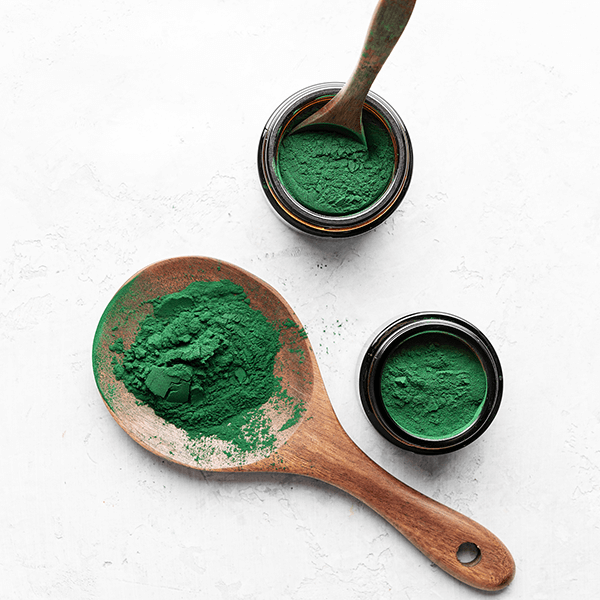
When comparing moringa and spirulina, it's challenging to declare one as definitively "better" than the other. Both superfoods offer unique nutritional profiles and health benefits. Spirulina, a blue-green algae, is renowned for its high protein content, antioxidants, and essential amino acids. Moringa, derived from the Moringa oleifera tree, boasts an impressive array of vitamins, minerals, and antioxidants. The choice between the two often depends on individual health goals and nutritional needs. For overall nutritional density and protein content, spirulina powder may have a slight edge, making it particularly beneficial for athletes and those seeking plant-based protein sources.
Nutritional Comparison: Moringa vs. Spirulina
Moringa and spirulina are both nutrient-dense superfoods, but they differ significantly in their nutritional composition. Understanding these differences can help you make an informed decision about which supplement might be more suitable for your specific health needs.
Protein Content
Spirulina is well-known for its exceptional protein content. It contains approximately 60-70% protein by dry weight, making it one of the most protein-rich foods on the planet. This high-quality protein includes all essential amino acids, making spirulina a complete protein source. In contrast, moringa leaves contain about 25% protein by dry weight, which is still impressive for a plant source but significantly less than spirulina.
Vitamin and Mineral Profile
Moringa excels in its vitamin and mineral content. It's particularly rich in vitamin C, vitamin A, potassium, and calcium. Moringa leaves contain seven times more vitamin C than oranges and four times more vitamin A than carrots. They also provide significant amounts of iron, magnesium, and B vitamins.
Spirulina, while not as diverse in its vitamin profile, is an excellent source of iron, containing up to 28 times more iron than spinach. It's also rich in B vitamins, particularly B12, which is rare in plant-based foods. Spirulina contains notable amounts of magnesium, potassium, and manganese as well.
Antioxidant Properties
Both moringa and spirulina are potent sources of antioxidants, but they contain different types. Moringa is rich in quercetin, chlorogenic acid, and beta-carotene. These antioxidants have been linked to reduced inflammation and improved heart health.
Spirulina contains unique antioxidants like phycocyanin, which gives it its distinctive blue-green color. Phycocyanin has been studied for its potential anti-inflammatory and neuroprotective properties. Spirulina powder also contains high levels of beta-carotene and vitamin E, contributing to its antioxidant capacity.
Fatty Acid Composition
Spirulina is a good source of gamma-linolenic acid (GLA), an omega-6 fatty acid with anti-inflammatory properties. It also contains omega-3 fatty acids, albeit in smaller amounts. Moringa seeds are rich in oleic acid, a monounsaturated fatty acid known for its heart-healthy properties. The leaves, however, contain minimal fat content.
Health Benefits: Moringa vs. Spirulina
While both moringa and spirulina offer numerous health benefits, their unique compositions lead to some differences in their potential effects on health.
Immune System Support
Both superfoods are known for their immune-boosting properties. Moringa's high vitamin C content makes it particularly effective in supporting the immune system. Vitamin C is crucial for the production and function of white blood cells, which are essential for fighting infections.
Spirulina, on the other hand, may enhance immune function through its high content of antioxidants and its ability to stimulate the production of antibodies and cytokines. Studies have shown that spirulina may increase the production of white blood cells and antibodies, potentially improving the body's ability to fight infections.
Blood Sugar Regulation
Moringa has shown promising results in helping to regulate blood sugar levels. Several studies have indicated that moringa may help lower blood glucose levels in diabetic patients. This effect is attributed to the presence of isothiocyanates in moringa, which have been shown to help reduce insulin resistance.
Spirulina has also demonstrated potential in blood sugar management. Some research suggests that spirulina may help lower fasting blood glucose levels and improve long-term blood sugar control in people with type 2 diabetes. This effect may be due to spirulina's ability to increase insulin sensitivity.
Heart Health
Both moringa and spirulina have properties that may benefit heart health. Moringa has been shown to help lower cholesterol levels, particularly LDL (bad) cholesterol. It may also help reduce inflammation in blood vessels, potentially lowering the risk of heart disease.
Spirulina has demonstrated the ability to lower total cholesterol, LDL cholesterol, and triglycerides while increasing HDL (good) cholesterol. It may also help lower blood pressure, which is a significant risk factor for heart disease.
Antioxidant and Anti-inflammatory Effects
The antioxidant properties of both moringa and spirulina powder contribute to their anti-inflammatory effects. Chronic inflammation is linked to numerous health issues, including heart disease, cancer, and autoimmune disorders.
Moringa's antioxidants, particularly quercetin and chlorogenic acid, have been shown to reduce inflammation markers in the body. Spirulina's phycocyanin has potent antioxidant and anti-inflammatory properties, potentially helping to reduce oxidative stress and inflammation throughout the body.
Choosing Between Moringa and Spirulina
The choice between moringa and spirulina ultimately depends on your specific health goals and nutritional needs. Both superfoods offer significant benefits, and incorporating either (or both) into your diet can contribute to overall health and wellness.
Considerations for Choosing
When deciding between moringa and spirulina, consider the following factors:
- Protein needs: If you're looking to increase your protein intake, especially from plant-based sources, spirulina may be the better choice due to its higher protein content.
- Vitamin and mineral supplementation: If you're looking to boost your intake of vitamins and minerals, particularly vitamin C, vitamin A, and iron, moringa might be more suitable.
- Taste preferences: Spirulina has a distinctive, somewhat strong taste that some people find off-putting. Moringa has a milder, slightly earthy flavor that may be more palatable for some.
- Specific health concerns: If you're particularly concerned about blood sugar regulation or cholesterol levels, moringa might be more beneficial. For immune support or antioxidant properties, both can be excellent choices.
Incorporating Moringa and Spirulina into Your Diet
Both moringa and spirulina powder are versatile and can be incorporated into your diet in various ways:
Moringa:
- Add moringa powder to smoothies, juices, or teas.
- Sprinkle dried moringa leaves over salads or soups.
- Use moringa powder in baking recipes for an added nutritional boost.
Spirulina:
- Mix spirulina powder into smoothies or juices.
- Add to energy balls or protein bars.
- Incorporate into homemade pasta or bread dough for a nutrient boost.
For those interested in trying high-quality spirulina products, BIOWAY INDUSTRIAL GROUP LTD offers premium Spirulina Oligopeptides Powder. This product boasts a high protein content (≥60%) and oligopeptide content (≥50%), making it an excellent choice for those seeking the nutritional benefits of spirulina in a concentrated form.
Conclusion
In the debate of moringa vs. spirulina, there's no clear winner – both superfoods offer unique and valuable nutritional benefits. The choice between them depends on individual health goals, nutritional needs, and personal preferences. Many health-conscious consumers choose to incorporate both into their diets to maximize the benefits of these powerful superfoods. For those interested in high-quality spirulina products, consider exploring options from reputable suppliers and manufacturers who prioritize purity and potency in their offerings.
At BIOWAY INDUSTRIAL GROUP LTD, we take pride in our state-of-the-art manufacturing facilities and advanced production technologies. Our 50,000㎡ square foot factory is equipped with diverse extraction tanks, ensuring the highest quality botanical extracts. We employ both traditional and modern extraction methods to enhance product efficiency and purity. With comprehensive certifications including cGMP, ISO22000, and USDA/EU Organic, our products meet international standards. Our 100-hectare organic vegetable planting base in the Qinghai-Tibet Plateau ensures premium raw materials for our spirulina powder.
FAQ
Q1: Can I take moringa and spirulina together?
A: Yes, it's generally safe to consume both moringa and spirulina together. Their complementary nutritional profiles can provide a wide range of health benefits. However, it's always best to consult with a healthcare professional before starting any new supplement regimen.
Q2: How much spirulina should I take daily?
A: The recommended daily dose of spirulina typically ranges from 1 to 3 grams, but it can be safely consumed in higher doses of up to 10 grams per day. Start with a lower dose and gradually increase to assess your tolerance.
Q3: Is spirulina suitable for vegetarians and vegans?
A: Absolutely! Spirulina is a plant-based (algae) protein source, making it an excellent choice for vegetarians and vegans looking to boost their protein intake.
Elevate Your Health with Premium Spirulina Powder
Experience the exceptional benefits of high-quality spirulina powder from BIOWAY INDUSTRIAL GROUP LTD. Our state-of-the-art 50,000㎡ square foot factory, equipped with advanced extraction technologies, ensures the production of premium spirulina products. We utilize both traditional and cutting-edge methods to maximize efficiency and purity. Our spirulina powder, sourced from our 100-hectare organic planting base, offers unparalleled quality and nutritional value. As a leading manufacturer and supplier, we guarantee products that meet the highest international standards. Elevate your health and wellness journey with our superior spirulina powder. For inquiries or to place an order, contact us at grace@biowaycn.com.
References
- 1. Gopalakrishnan, L., Doriya, K., & Kumar, D. S. (2016). Moringa oleifera: A review on nutritive importance and its medicinal application. Food Science and Human Wellness, 5(2), 49-56.
- 2. Karkos, P. D., Leong, S. C., Karkos, C. D., Sivaji, N., & Assimakopoulos, D. A. (2011). Spirulina in clinical practice: evidence-based human applications. Evidence-Based Complementary and Alternative Medicine, 2011.
- 3. Abdull Razis, A. F., Ibrahim, M. D., & Kntayya, S. B. (2014). Health benefits of Moringa oleifera. Asian Pacific Journal of Cancer Prevention, 15(20), 8571-8576.
- 4. Wu, Q., Liu, L., Miron, A., Klímová, B., Wan, D., & Kuča, K. (2016). The antioxidant, immunomodulatory, and anti-inflammatory activities of Spirulina: an overview. Archives of Toxicology, 90(8), 1817-1840.
- 5. Deng, R., & Chow, T. J. (2010). Hypolipidemic, antioxidant, and antiinflammatory activities of microalgae Spirulina. Cardiovascular Therapeutics, 28(4), e33-e45.
Contact Us
Grace HU (Marketing Manager) grace@biowaycn.com
Carl Cheng ( CEO/Boss ) ceo@biowaycn.com
Website: www.biowaynutrition.com
Post time: Feb-04-2026