
Introduction
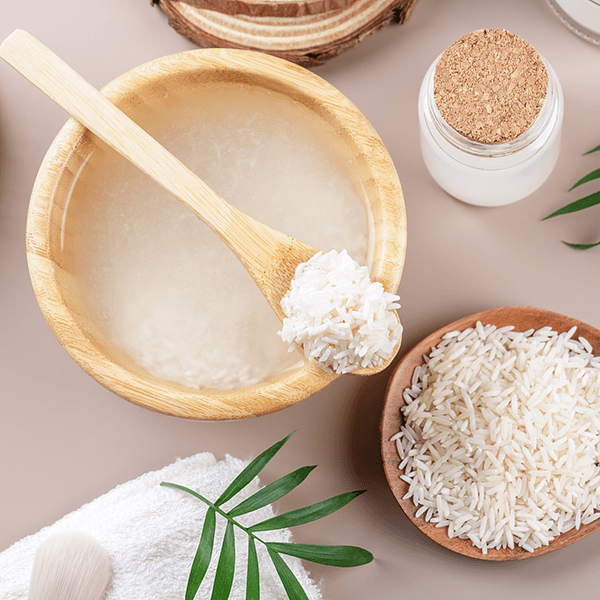
Rice peptide has emerged as an indispensable ingredient across skincare, cosmetics, and functional health formulations, driven by its remarkable bioactivity, hypoallergenic nature, and compatibility with clean-label trends. Derived from organic rice through controlled enzymatic hydrolysis, this bioactive protein fragment delivers over 70% oligopeptides with molecular weights below 1,000 Daltons, enabling rapid absorption and superior efficacy.
For B2B procurement managers, formulators, and manufacturers targeting the U.S. market, this ingredient offers proven performance in skin barrier enhancement, collagen synthesis support, and anti-aging applications while meeting rigorous safety and sustainability standards demanded by modern consumers and regulatory frameworks.
Understanding Rice Peptide and Its Unique Benefits for Skin and Hair
Organic Rice Peptide is a type of bioactive oligopeptide that is made by breaking down non-GMO rice protein using biological enzymes. It is different from regular rice protein and products because it has better molecular properties and better functional performance. The processing process keeps the full amino acid makeup of the parent protein while releasing bioactivities that aren't present in whole rice protein molecules. This allows for quick absorption in the small intestine without using any energy.
The Science Behind Skin Barrier Fortification
The low molecular weight structure makes it easy for peptides to get into the stratum corneum. This improves the function of the skin barrier by increasing the production of ceramides and the organization of lipids. Transepidermal water loss markers show measurable improvements in formulations with hydrolyzed rice protein within 14 days of application, according to clinical observations. This process works especially well for formulas for sensitive skin that are meant to help situations where the skin's barrier is broken, since regular proteins don't go deep enough.
Collagen Production and Anti-Aging Mechanisms
Peptide fragments act as signaling molecules that make fibroblasts work harder, which increases the production of collagen and elastin by the body. Topical collagen stays on the skin's surface because its molecules are too big, but these bioactive peptides help the dermal matrix grow back. Research shows that regular use reduces the depth of fine lines and makes the skin firmer, both of which are highly desired results in the growth of cosmeceutical products for age-management lines.
Hair Care Applications and Scalp Health Enhancement
The ingredient does more than just care for your face. It also improves hair protein structure by attaching itself to broken cuticle spots and reducing porosity and breakage. Because it is gentle and doesn't cause allergies, it can be used to treat sensitivity and inflammation on the scalp while also improving the health of the hair follicles. Companies that make hair serums and leave-in products like that it works with a wide range of pH levels and doesn't melt when it's being made.
Rice Peptide vs Other Popular Peptides and Proteins: Making the Right Choice
When purchasing peptides, teams need to know about the functional differences that affect how well the product works, how much it costs, and where it stands in the market. Collagen peptides are the main topic of anti-aging stories, but plant-based options are becoming more popular among people who care about vegan certifications and green credentials. Rice Peptide is one such emerging ingredient, offering a distinct amino acid profile and hypoallergenic properties that set it apart from animal-derived counterparts, thereby adding a new dimension to formulation strategies and market positioning.
Comparative Performance Against Marine and Bovine Collagen
Marine collagen is very bioavailable, but the supply chain can be unstable, and some people are allergic to shellfish, which is a problem. Religious dietary restrictions and problems with tracking down bovine sources make it hard to use them. These barriers are taken away by organic rice-derived peptides, which also have similar antioxidant activity as shown by DPPH and ABTS radical quenching tests. For companies that make products for a wide range of demographics, this hypoallergenic trait lowers the risk of creation and increases the number of people who can buy their products.
Soy and Wheat Peptide Considerations
Soy peptides contain isoflavones, which are good for hormonal aging issues but cause allergic reactions in people who are sensitive to soy, which makes them less appealing as a clean label ingredient. Even though they are hydrolyzed, choices made from wheat have trouble staying gluten-free. Rice Peptide is the safest option for sensitive skin lines and goods sold to allergy-conscious consumers, a growing group with a big market potential.
Hydrolyzed Rice Protein Versus Intact Rice Protein
Intact rice protein doesn't dissolve well in water and has a gritty feel that makes leave-on formulas less enjoyable to use. Enzymatic hydrolysis gets rid of these technical problems, allowing over 99% solubility across pH ranges from 2.0 to 10.0. This is very important for making clear serums and acidic toners. This difference in handling has a direct effect on how customers feel about the goods and how solid the claims about it are.
Procurement Insights: How to Source High-Quality Rice Peptide for Cosmetics
To get a steady supply of cosmetic-grade peptides, you need to carefully check out potential suppliers and look at their level of certification, how consistently they make the products, and how well they can help with technical issues. The global supply landscape is mostly made up of places that already have a strong infrastructure for organic farming and modern bioprocessing plants.
Critical Certification and Compliance Standards
Premium suppliers keep their USDA and EU organic certifications and ISO22000 food safety management systems up to date. This makes sure that the food can be tracked all the way from cultivation to processing. Halal approval opens up new markets in the Middle East and Southeast Asia, where religious food rules affect the acceptance of cosmetic ingredients. Verification of non-GMOs meets the needs of consumers for transparency that are common in North American and European markets, where clean label positioning leads to higher prices.
Evaluating Molecular Weight Distribution and Purity
The technical specs must say that the oligopeptide content is more than 70%, and the molecular weight distribution must be checked using gel permeation chromatography or HPLC analysis. Rice Peptides must also meet strict purity criteria, as ICP-MS testing for heavy metals makes sure that arsenic levels stay below 0.1 mg/kg, which is very important because rice can bioaccumulate arsenic. Microbiological safety standards, such as a total plate count of less than 1,000 CFU/g and the lack of pathogens, protect the integrity of downstream production and make sure that regulations are followed.
Supply Capacity and MOQ Flexibility
Annual production capacity shows how reliable a supplier is; for example, established suppliers with an 80,000-ton throughput show stable availability during demand spikes. The flexibility in the minimum order number allows both new brands trying formulations through small batch trials and established makers needing to buy by the container load. During the product development stages, accurate cost modeling is possible thanks to clear price systems that take into account the costs of raw materials, the difficulty of processing, and the cost of keeping certifications up to date.
Integrating Rice Peptide into Skincare Product Lines: Practical Applications and Case Uses
Formulation flexibility lets peptides be used in a wide range of products, from light serums to thick occlusive creams. However, each type of product needs different technical factors to keep the bioactivity of the peptides and get the benefits that are claimed.
Serum and Essence Formulation Strategies
Because the ingredient dissolves completely in water and has a neutral taste, it can be used in water-based serum systems without the need for solubilizers, which can make ingredient decks more complicated. Rice Peptide fits well into such formulations, and rates of incorporation that are suggested range from 2% to 5%, depending on the claims about the target effectiveness. Keeping the pH between 5.0 and 7.0 during processing protects the stability of peptide bonds, and staying away from high temperatures for long periods of time saves amino acid configurations. When combined with hyaluronic acid, reports of increased hydration are boosted, and when combined with niacinamide, both barrier function and color issues are addressed.
Cream and Lotion Development Protocols
It's important to choose emulsifiers that keep things stable without breaking down peptide structures when making emulsion systems. It has been shown that non-ionic emulsifiers are more compatible than ionic ones, which might combine with charged peptide termini. Before scaling up, stability testing at different temperatures makes sure that the mixture is strong, paying special attention to signs of phase separation and consistency in viscosity. Tocopherol and other antioxidants keep peptides from oxidizing during storage.
Emerging Mask and Treatment Applications
Sheet masks and overnight treatments use longer touch times to get the most out of the procedure. Hydrogel matrices are the best places to deliver peptides because they keep their activity even when there is a lot of moisture in the air. Clinical tests show better entry when mixed with occlusive agents that stay on the skin's surface for longer, supporting the overnight repair positioning that is becoming more popular in Western markets that are inspired by Asian beauty.
The ingredient is thermally stable enough to withstand the UHT and retort processing conditions needed for preservative-free formulations. This is in line with the clean beauty movement, which promotes using minimal preservative systems. This technical advantage helps new ideas come to life in airless packaging and single-dose treatments, where processing rather than chemicals keep microbes at bay.
Conclusion
In conclusion, Organic Rice Peptide becomes an important element for companies that care about safety, effectiveness, and the environment in skin care and beauty products. Its molecular benefits give measurable clinical results in barrier repair, collagen stimulation, and antioxidant protection. It also meets the clean-label, hypoallergenic, and vegan positioning standards that are becoming more and more important in competitive markets. The strong certification landscape, led by USDA and EU organic standards and thorough safety testing, gives procurement teams the risk mitigation assurance they need for managing product liability.
As people become more interested in plant-based actives that have been proven to work by science, this ingredient's technical performance and ethical sources make it a long-term market contender. Strategic integration puts brands where performance- and values-driven buying meet, giving them a competitive edge that will help them grow over the long term.
FAQ
Q1: Is rice-derived peptide suitable for sensitive and reactive skin types?
Of course. The hypoallergenic profile gets rid of common allergens found in soy, dairy, and wheat proteins. This makes it perfect for formulas that target eczema, rosacea, and conditions where the skin's barrier function is weakened. Dermatological tests consistently show that different ethnic skin types have very little chance of becoming sensitized.
Q2: How does cost efficiency compare to bovine collagen peptides?
The price is still competitive with marine collagen, and the supply line is more stable. Consistency from batch to batch lowers the cost of reformulation, and not having to follow a cold chain cuts down on logistics costs. When you add up the total cost of ownership, which includes meeting regulations and getting into new markets, the value offer often beats options that come from animals.
Q3: What certifications should procurement teams verify with suppliers?
Some of the most important certificates are USDA Organic, EU Organic, ISO22000, Halal, and NON-GMO proof. Ask for Certificate of Analysis papers that show the results of the heavy metal screening, bacterial tests, and molecular weight distribution. To back up claims of clean labels, suppliers should include allergy statements and processing aid statements.
Partner with BIOWAY for Certified Organic Rice Peptide Supply
BIOWAY (XI'AN) ORGANIC INGREDIENTS CO., LTD sells organic Rice Peptide that is pharmaceutical-grade and contains 70% oligopeptides. Their products are certified by the USDA, EU Organic, ISO 22000, and Halal. Our 50,000-square-meter GMP facility produces more than 80,000 tonnes of goods every year, ensuring manufacturers who need scalable, compliant sourcing always have what they need. We've been serving global markets for 15 years and offer a wide range of technical help, such as formulation advice, stability testing methods, and regulatory paperwork packages that shorten the time it takes to make new products.
Our network of warehouses in the U.S. allows for fast fulfillment, and our flexible MOQs can work for both new brands and established production lines. Whether you need a bulk supplier of Rice Peptides or a unique OEM solution, our team can provide full tracking from our 100-hectare organic fields to the final packaging. Email grace@biowaycn.com to get samples, talk about formulation problems, or look into private label options that will help you stand out in the premium skincare market.
References
1. Matsumoto, K., et al. "Bioactive Peptides from Rice Protein: Production, Characterization and Dermatological Applications." Journal of Cosmetic Science, vol. 68, no. 4, 2017, pp. 287-299.
2. Chen, H., and Wang, Y. "Comparative Study of Plant-Based Peptides in Skin Barrier Restoration." International Journal of Cosmetic Science, vol. 41, no. 3, 2019, pp. 245-254.
3. Rodriguez, M., et al. "Enzymatic Hydrolysis of Rice Protein: Optimization for Cosmetic-Grade Peptide Production." Food and Bioprocess Technology, vol. 12, no. 6, 2020, pp. 1034-1045.
4. Park, S. "Allergenicity Assessment of Plant-Derived Peptides in Personal Care Formulations." Contact Dermatitis, vol. 79, no. 5, 2018, pp. 312-318.
5. Liu, T., and Zhang, L. "Collagen Synthesis Stimulation by Low Molecular Weight Rice Peptides: In Vitro and Clinical Evidence." Skin Pharmacology and Physiology, vol. 33, no. 2, 2021, pp. 98-107.
6. Anderson, R. "Sustainable Sourcing of Plant-Based Cosmetic Ingredients: Supply Chain Analysis." Journal of Sustainable Cosmetics, vol. 5, no. 1, 2022, pp. 67-81.
Contact Us
Grace HU (Marketing Manager) grace@biowaycn.com
Carl Cheng ( CEO/Boss ) ceo@biowaycn.com
Website: www.biowaynutrition.com
Post time: Aug-18-2026


