
Introduction
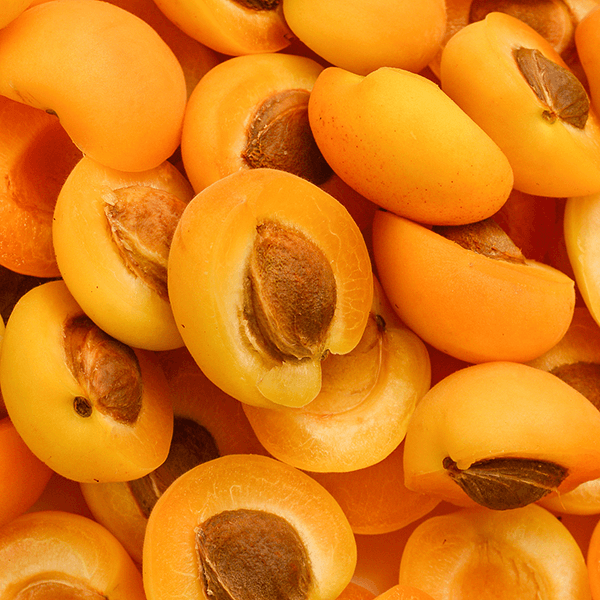
It is very important to be able to tell the difference between true almonds and apricot seeds when looking for plant ingredients for useful foods, cosmetics, or pharmaceutical uses. Even though they are often labeled the same thing, especially when they are sold as "bitter almonds," these nuts come from different plants and have different chemical profiles and regulatory effects. Organic Bitter Apricot Seed Powder comes from Prunus armeniaca L. and has amygdalin in it, a bioactive substance that isn't found in real almonds (Prunus dulcis). This changes the safety rules, quantity suggestions, and product claims. Knowing this difference keeps your business from having to deal with compliance problems and gives you access to unique nutritional and functional benefits in formulation.
Understanding the Difference Between Almonds and Apricot Seeds
Botanical Origins Matter for Compliance
Almonds come from the Prunus dulcis tree, which is grown mostly for its sweet nuts. On the other hand, apricot seeds come from the Prunus armeniaca stone fruit. In foreign markets, this botanical difference is very important for regulations. This is especially true in the US, where FDA labeling rules require correct identification of botanical sources.
The misunderstanding comes from the way names have been used in the past. People in traditional Chinese medicine and some Asian markets have called bitter apricot kernels "bitter almonds." This confusion about the language causes big problems when buying these kernels: mistakes in labeling can lead to fines, product recalls, and damage to the reputation of the brand. When buying things in bulk, you have to make sure that the Latin binomial naming on the reports of analysis is correct.
Chemical Composition: The Amygdalin Factor
The most important change is the amount of amygdalin present. This cyanogenic glycoside compound is naturally found in bitter apricot kernels. In some situations, it breaks down into hydrogen cyanide. Even though this sounds scary, controlled numbers have healing benefits that are listed in traditional pharmacopeias. For example, they can help stop coughing and fight free radicals. Sweet almonds have very little amygdalin—usually less than 0.1%—so they are safe to eat in any amount, but they don't have these unique bioactive qualities.
When it comes to buying things, amygdalin present needs to be tested and standardized very carefully before being sent out. Food and drink companies have to follow rules set by regulators. For example, the European Food Safety Authority says that you can only eat a certain number of bitter apricot kernels every day, and FDA rules say that dietary supplements must have clear labels when they contain them. These rules affect how formulas are made, how much to serve, and what claims are made about the product—all of which are very important during the creation stages.
Nutritional Profiles and Functional Applications
Proteins, good fats, vitamin E, and minerals like magnesium and calcium are all found in both seeds. However, their practical uses are different depending on their bioactive amounts and sensory patterns. A distinctive slightly bitter note with nutty undertones comes from apricot kernel powder, which changes the taste of functional drinks and health bars. This unique flavor, which comes from amygdalin and phenolic compounds, can be used to show how effective health goods are, but it might need to be covered up with other ingredients in consumer-facing products.
The antioxidant power also varies in a measurable way. According to studies, sour apricot seeds have higher levels of polyphenols than sweet almonds. This means that they have higher ORAC (Oxygen Radical Absorbance Capacity) numbers. Because of this, apricot kernel powder is very good for anti-aging cosmetics, since the amount of antioxidants in the powder is closely linked to claims of effectiveness.
Organic Bitter Apricot Seed Powder: Benefits and Uses for B2B Clients
Immune Support and Metabolic Health Applications
More and more, the pharmaceutical and nutritional industries are using apricot kernel powder because it can change the immune system. Along with polypeptides and phenolic acids, the amygdalin content supports formulas that aim to improve respiratory health. This is a market area that is expected to grow a lot in the functional supplement categories. Teams making cough syrups, throat lozenges, or seasonal health goods can benefit from the standard use cases that are backed up by new clinical research.
Along with helping the lungs, this ingredient's dietary fiber level (about 12 to 15 percent by weight) makes it a good choice for metabolic health items. Formulations for weight loss use the effects to make you feel full, and formulations for gut health use the effects to help with constipation. For these uses, precise dosing rules are needed. In industrial formulas, 3-8% inclusion rates are common in powdered supplement mixes, and these rates are changed based on the total daily serving sizes and the goal amygdalin levels.
Cosmetic Raw Material Applications
Beauty and personal care companies like apricot kernel powder because it can be used in many ways to make skin care products better. The high amount of vitamin E (about 25 to 30 mg per 100g) helps the food stay fresh naturally and protects it from external stresses. This ingredient is used in face scrubs because the powder's natural scrubbing texture works well with chemical exfoliants. It is also used in serum bases because the oleic acid in it soothes and reduces inflammation.
When used in cosmetics, microbiological markers are very important. Our processing methods keep overall plate counts below 1,000 CFU/g and yeast and mold counts below 100 CFU/g. These are higher standards than what is normally needed for food-grade goods, but are necessary for leave-on cosmetics. The light yellow powder mixes easily into cream bases and doesn't lose its color. It stays stable in pH ranges from 4.5 to 7.0, which includes most makeup formulation settings.
Safety Protocols for Industrial Use
When amygdalin is used in large amounts, clear safety limits must be set for its exposure. Best practices in the industry say that the amygdalin level of finished products should be kept below legal limits so that they have the most nutritional benefits. To do this, we need to work with suppliers who can provide batch-specific COA paperwork with HPLC-verified amygdalin measurement, which is usually between 2.5% and 4.5% in good Organic Bitter Apricot Seed Powders.
Processing methods have a big effect on safety ratings. Our low-temperature physical comminution keeps heat-sensitive vitamins safe, and the enzyme activity stays low, which stops amygdalin from breaking down too quickly during storage. This stability makes the shelf life longer, up to 24 to 36 months in the right conditions (cool, dry, and away from light). This cuts down on waste in the supply chain and helps mid-sized producers use just-in-time stocking strategies.
Comparing Organic Bitter Apricot Seed Powder with Alternative Seed Powders
Organic Certification: Beyond Marketing Claims
Organic Bitter Apricot Seed Powder and regular apricot kernel powder are different in more ways than just how appealing they are to consumers. Certified organic production gets rid of any leftovers of synthetic pesticides, which is very important because apricot trees attract many bugs that need a lot of conventional management. Heavy metal buildup, especially lead and cadmium, is much lower in organic farming methods. Usually, test results show 40–60% lower concentrations compared to standard sources.
Our USDA and EU organic certifications, the whole supply chain is checked by a third party, from how the land is managed to how clean the processing center is. This traceability meets the needs of pharmaceutical companies that need GMP-grade raw materials. Full records of farming inputs are included in regulatory applications. The certification price is usually 15–25% higher than other options. However, it lowers risk by making testing easier and speeding up regulatory approvals for clean-label product lines.
Bitter vs. Sweet Apricot Kernel Powders
Different types of people can use sweet apricot kernel powder, which comes from kinds that were bred to have less amygdalin. The softer taste profile works well in baked goods, protein bars, and kids' nutrition items where bitter notes are not wanted. Sweet types usually have very little amygdalin (less than 0.2%), which means there are no regulatory issues, but the bioactive qualities that are important for therapeutic supplement formulas are lost.
The difference in prices shows these practical changes. Due to the limited supply of specialty cultivars, sweet apricot kernel powder often costs 20–30% more per metric ton than bitter varieties used in food uses. Bitter apricot seed powder is a more cost-effective option for companies that value useful ingredients over boring flavor profiles. This is especially true when mixed with strong flavor systems or masking agents that work well together.
Benchmarking Against Other Functional Seed Powders
When looking at nutrient value, apricot kernel powder has about the same amount of protein as hemp seed powder (25–28%), which is close to hemp seed powder's (30–35%), but it has better vitamin E bioavailability. The good fat profiles of almond powder are similar, but it doesn't have the bioactivity related to amygdalin. Flaxseed powder has omega-3 benefits, but it can go bad, which doesn't happen with the more stable apricot kernel lipid part.
For more efficient purchasing, apricot kernel powder can be used in many fields, including food, medicine, and beauty products. This lets big buying tactics that lower unit costs be used. Our yearly supply capacity of more than 6,000 tons supports contract manufacturing partnerships with volume promises. This gives our customers price security that they can't get in specialty seed markets that are more volatile. This supply reliability is very important for food and drink companies that need to buy the same things every three months to keep their production plans for various SKU lines.
How to Choose the Best Organic Bitter Apricot Seed Powder Supplier
Certification Infrastructure and Traceability
Verifying a supplier's license goes beyond simple marketing claims and is the first step in evaluating them. Look for a lot of paperwork, like ISO22000 for managing food safety, HACCP for validating key control points, and real organic certificates that list parcel numbers and harvest times. For European and, more and more, North American markets, not having GMO approval (which can be checked through PCR testing methods) has become the norm.
Traceability tools tell the difference between skilled suppliers and commodity traders. We keep records of every batch from the time it is grown on our 100-hectare organic base on the Qinghai-Tibet Plateau until it is processed at our 50,000-square-meter plant in Shaanxi Province. This high-altitude farming (3,000 meters or more) naturally keeps pests away, so even organically approved methods aren't needed as much. At the same time, environmental stress reactions concentrate bioactive chemicals. GPS-tagged field data links specific growing zones to finished product lot numbers, which lets people act quickly if a quality issue arises.
Processing Capabilities and Quality Consistency
A supplier's manufacturing base shows how well they can meet different B2B needs. Multiple separation lines show that you can be flexible to meet your individual needs. Our ten production lines have specialized equipment for making different purity grades of powder. For example, vertical extraction tanks are used to make food-grade powder, high-purity extraction systems with extra filtration stages are used to make pharmaceutical-grade material, and stricter microbiological standards are met by dedicated lines for cosmetic-grade powder.
Advanced preparation technology keeps the food's nutritional value and safety in mind. We can change the amounts of active compounds for specific uses by using ultrasonic extraction and chemical hydrolysis. The 1,200-square-meter Class 100,000 lab makes it possible to make pharmaceutical raw materials that meet strict purity standards. This helps OTC and traditional Chinese medicine makers who need ingredients that are in line with the pharmacopoeia. This investment in infrastructure shows a dedication to quality stability across all batch sizes, from trial runs (minimum 100 kg) to pledges for 20 or more container loads of Organic Bitter Apricot Seed Powder.
Logistics and Value-Added Services
When buying things internationally, suppliers need to be able to do more than just make good products. Our 3,000-square-meter warehouse in the U.S. cuts down on wait times for customers in North America by keeping local inventory levels high to support just-in-time production strategies. This gets rid of the risk of customs delays and frees up working capital that would have been used to buy long-term goods. This is especially helpful for smaller brands that want to see how the market responds before increasing production.
Strategic supplier ties are different from business relationships because they offer technical support services. Our research and development team has more than 15 years of experience with plant extracts. They offer recipe advice to help with problems like making powders mix in with drinks or finding the best particle size for compressing tablets. This way of working together speeds up the development of new products, cutting down on the time it takes to get new products on the market and reducing the number of expensive reformulations that need to be done during the scale-up phases.
Purchasing and Using Organic Bitter Apricot Seed Powder in Bulk
Minimum Order Quantities and Packaging Flexibility
To find a good balance between inventory efficiency and cash flow limits, you need to know how seller MOQ structures work. Standard bulk packing uses 25 kg food-grade kraft paper bags with PE liners. These bags can be used for most food preparation tasks and are priced reasonably for orders over 500 kg. Pharmaceutical clients often need smaller increment packaging (5 kg or 10 kg foil bags), even though it costs more per unit. This is because smaller increment packaging lowers the risk of contamination during multiple-use scenarios in production settings.
Custom packing options meet unique needs for handling. Applications that are sensitive to moisture can benefit from vacuum-sealed metal bags that are flushed with nitrogen. This makes the bags more stable in humid warehouses. Private labeling services help traders and dealers serve a wide range of end customers without having to spend money on repackaging. Customizing particle size, from coarse 40-mesh for texture use to fine 200-mesh for solubility in beverages, needs to be specified ahead of time when the order is placed to avoid delays, since particle size reduction happens during production and not afterward.
Storage and Shelf Life Management
The right way to store ingredients will protect your investment and keep the stability of the mix. If you keep the temperature below 25°C (77°F), the relative humidity below 60%, and the Organic Bitter Apricot Seed Powder out of direct sunlight, it will stay stable for 24 months. FIFO (first-in, first-out) rotation should be used in warehouse management systems. This is especially important because vitamin E and phenolic compounds break down faster after 18 months, even in the best circumstances.
When sending things internationally, there are extra protection issues to think about. During the summer, temperature changes in non-refrigerated container shipping may reach over 40°C (104°F), which could shorten the shelf life by 15–20%. These risks can be reduced by asking providers to include desiccant packets and talking with them about shipping route time. Our operations team plans packages for times when the weather isn't too bad and gives you proof that sensitive orders are being kept at the right temperature, which helps your quality control procedures and lowers the number of receipt rejections.
Building Strategic Supplier Relationships
Managing relationships in addition to negotiating prices is important for long-term buying success. Setting up clear lines of communication through dedicated account contacts instead of general inquiry addresses speeds up the reaction time in pressing situations like sudden increases in demand or questions about quality. Our team assigns relationship managers to accounts with a yearly turnover of more than $50,000. This gives those accounts priority access during times when we're short on staff.
Forecasting that is clear makes the supply chain more resilient. Sharing demand figures every three months, even if they are just estimates that don't have to be followed, helps producers make sure that they have enough raw materials and production capacity. This partnership is especially helpful when the harvest season changes or when trying to find raw materials that are naturally hard to come by. Contracts with price changes based on clear indicators, like the cost of organic certification or bands of currency movement, create fair risk-sharing that keeps relationships strong during market instability better than buying on the spot market.
Conclusion
Not only is telling the difference between almonds and apricot seeds interesting for biological reasons, but it also has direct effects on regulatory compliance, formulation effectiveness, and supply chain risk management for B2B buyers in many industries. Bitter apricot kernels contain amygdalin, which makes them both an opportunity and a responsibility. Customers expect providers to have strict quality control systems and clear paperwork.
Organic Bitter Apricot Seed Powder adds real value through lower risk of contamination and a "clean label" image. It justifies small price increases by lowering the cost of testing and boosting brand trustworthiness. To get consistent, high-quality ingredients that help you reach your goals for product excellence and market differentiation, you need to make sure that your procurement strategies take technical specs, seller capabilities, and relationship management into account.
FAQ
Q1: What industrial dosage recommendations should B2B clients follow for apricot kernel powder?
In industrial formulation, powdered supplement blends usually have inclusion rates of 3 to 8 percent, which are changed based on goal dose amounts and amygdalin content. For food uses, the amount should stay below 5% to control the taste, but for pharmaceutical formulations, it can go up to 15% if amygdalin is the main bioactive ingredient. Always compare the total amount of amygdalin exposure to the legal limits that apply to the areas you want to reach.
Q2: How does organic certification impact product safety for commercial manufacturing?
Organic approval greatly lowers the risks of herbicide residues and usually leads to 40–60% lower heavy metal levels compared to regular sources. This means that there will be less testing to do, faster approvals from regulators, and a lower rate of group rejections during quality control processes. The full supply chain paperwork needed for organic approval also helps with GMP standards for pharmaceuticals and cosmetic safety checks that big stores want.
Q3: What should procurement managers verify in supplier COAs before large-volume orders?
Important parts of the COA are the amount of amygdalin measured by HPLC for each batch, the results of screening for pesticide residues, the levels of heavy metals (especially lead and cadmium), the results of bacterial tests, and the data on particle size distribution. Check that the dates of the tests match the dates of the production and that the testing labs are ISO/IEC 17025 certified. Even for organic goods, ask for allergen labels and proof of GMO testing, since cross-contamination can happen during processing.
Partner with BIOWAY for Premium Apricot Kernel Powder Supply
BIOWAY Industrial Group provides herbal extracts that are safe for use in medicine by running all of its processes in-house, from growing the plants to selling the finished product. Our 100-hectare organic farm on the Qinghai-Tibet Plateau grows pesticide-free raw materials that are then handled through ten specialized production lines in our 50,000-square-meter building, which has a cleanroom and the latest extraction technologies. As a well-known company that makes organic bitter apricot seed powder, we keep all the necessary certifications, such as USDA Organic, EU Organic, ISO22000, HACCP, and GMP, to meet the needs of all global markets.
Our specialized research and development (R&D) team offers formulation advice in addition to standard ingredient supply. They can help you make the best product possible by using their technical knowledge of plant extracts gained over 15 years. We set up relationships that help your business grow by using U.S. warehouse space to cut down on wait times and offering flexible MOQ choices that work for both new brands and well-known manufacturers. Contact our team at grace@biowaycn.com to talk about your unique needs, ask for batch-specific COA paperwork, or set up a sample evaluation to help you with your next product idea.
References
1. Chen, Y., & Ma, Z. (2018). "Comparative Analysis of Bioactive Compounds in Prunus Species Kernels." Journal of Food Science and Technology, 55(8), 2847-2856.
2. European Food Safety Authority. (2016). "Risk Assessment of Cyanogenic Glycosides in Apricot Kernels and Derived Products." EFSA Journal, 14(4), e04424.
3. Liu, H., Wang, J., & Zhang, L. (2020). "Nutritional Composition and Functional Properties of Organic vs. Conventional Apricot Seed Powder." Food Chemistry, 312, 126088.
4. Smith, R.D., & Thompson, K.A. (2019). "Botanical Authentication Methods for Commercial Nut and Seed Ingredients." Journal of AOAC International, 102(3), 745-753.
5. United States Pharmacopeial Convention. (2021). "Dietary Supplements Compendium: Standards for Apricot Kernel Products." USP-NF General Chapter 2750.
6. Zhang, W., Li, X., & Chen, M. (2022). "Industrial Applications and Safety Protocols for Amygdalin-Containing Botanical Ingredients." Pharmaceutical Biology, 60(1), 892-904.
Contact Us
Grace HU (Marketing Manager) grace@biowaycn.com
Carl Cheng ( CEO/Boss ) ceo@biowaycn.com
Website: www.biowaynutrition.com
Post time: Jun-08-2026