
Introduction
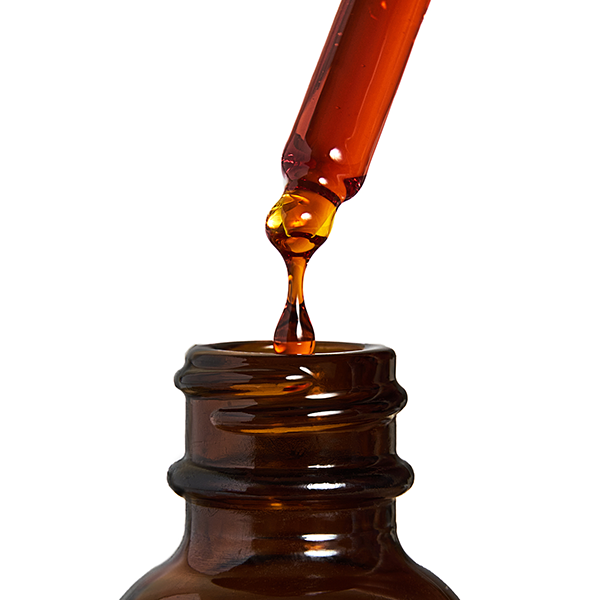
It depends on your design goals and the people you want to sell your product to, whether Bakuchiol is "better" than retinol. Bakuchiol is a meroterpene phenol that comes from the plant Psoralea corylifolia. It works about as well as retinol at anti-aging without causing photosensitivity, erythema, or irritation. This makes it great for products for sensitive skin, products that are safe for pregnant women, and clean beauty lines. Retinol is still effective and affordable for standard anti-aging uses, but it is limited by regulations and can be hard for some people to tolerate. Knowing these differences helps procurement workers choose the ingredient that fits with how they want to sell their product, make sure it is safe, and meet safety standards.
Understanding Bakuchiol and Retinol
Origins and Chemical Nature
The retinoid family includes retinol and tretinoin, which is a prescription drug, as well as retinyl palmitate, which you can buy over-the-counter. It works by attaching to retinoic acid receptors on skin cells and directly changing gene expression, which speeds up the production of collagen and the replacement of the epidermis. This direct stimulation of receptors explains both how strong it is and why it tends to irritate, especially during the initial time of adaptation.
Bakuchiol uses a very different method, even though the results are identical. This meroterpene phenol is taken from Psoralea corylifolia seeds using improved purification methods that get rid of phototoxic furocoumarins. Its structure is not similar to retinoids, but it does affect genetic pathways that cross. Researchers have found that Bakuchiol changes the production of collagen genes and lowers the activity of matrix metalloproteinase in ways that are not related to standard retinoid receptors. This is why people who use it get anti-aging effects without the retinol adaptation time or photosensitivity.
For business-to-business purchases, the plant source is very important. To get 98% pure Bakuchiol and get rid of the psoralen contaminants that cause phototoxicity, it needs to be carefully extracted. We use solvent extraction and molecular distillation at BIOWAY to make Bakuchiol oil that is safe for use in medicine. The oil is a light yellow liquid that has been tested and found to be 98% pure using HPLC analysis. This level of standardisation makes sure that formulations are always the same and gets rid of safety worries about plant extracts that aren't pure.
Skin Health Benefits and Mechanisms
Retinol is good for you because it can normalise keratinization, boost fibroblast activity, and stop collagenase enzymes from breaking down skin structure. After 12 weeks of regular use, clinical tests always show measurable changes in fine lines, skin texture, and hyperpigmentation. But these benefits come with costs: initial retinization, a time of dryness and peeling that happens during the adjustment period; the need to protect your skin from the sun; and not being able to use it while pregnant or breastfeeding.
Bakuchiol gives you perks that work with each other in different ways. Its antioxidant properties fight free radicals that speed up the ageing process, and its anti-inflammatory properties calm skin conditions that are overly sensitive. Over 12 weeks, studies comparing 0.5% retinol to 0.5% Bakuchiol found statistically similar gains in wrinkle reduction and colour. However, people who used Bakuchiol reported a lot fewer side effects. Because it kills germs, Bakuchiol is also useful in acne treatments because it can help with both inflammatory sores and post-inflammatory hyperpigmentation without the initial purging phase that retinoids have.
These processes have real-world effects on how products are positioned. Brands that want to reach people with sensitive skin, pregnant women, or people who want anti-aging products during the day find that Bakuchiol supports claims that retinol can't. On the other hand, formulas that focus on maximum strength and quick results may still like retinol, even though it can be hard for some people to tolerate. Knowing what's important to your target market will help you choose the right ingredients.
Comparative Analysis: Bakuchiol vs Retinol for Anti-Aging and Sensitive Skin
Efficacy Data and Clinical Evidence
The most accurate way to compare these ingredients is through head-to-head clinical studies. In 2019, the British Journal of Dermatology released a study that looked at 44 people who used either 0.5% retinol cream or 0.5% Bakuchiol cream twice a day for 12 weeks. There were no statistically significant changes between the treatments, and both groups had significant decreases in the number of wrinkles and the dark spots on their skin. The most important difference showed up in tolerance tests: people who used retinol had much higher rates of face scaling and pain.
More study looking at Bakuchiol at concentrations between 1% and 2% shows that changes in skin elasticity and firmness depend on the dose. The molecule can upregulate types I, III, and IV collagen at the genetic level, which is similar to how retinol does. This explains why the results are similar even though the molecular routes are different. This equivalence is important for procurement workers who are making claims about products because Bakuchiol formulations can make claims about anti-aging effects that are backed up by written research and not just marketing hype.
Pay close attention to the pregnancy safety profile. Retinoids are classified by the FDA as either Category C or X for pregnancy, based on how strong the formulation is. They are highly forbidden during pregnancy because they have been shown to cause birth defects. In safety tests, Bakuchiol has not shown the same worries. This means that brands have a chance to reach pregnant and nursing women who are looking for safe anti-aging products. This difference alone makes the higher cost of ingredients worth it for brands that want to reach this group of people.
Sensitive Skin Compatibility and Safety Profiles
Formulations for sensitive skin have special needs that affect the choice of ingredients. Retinol can irritate the skin because it changes metabolically into retinoic acid, which speeds up cell turnover beyond the skin's natural ability to adjust. This is why doctors suggest slow introduction plans, like starting with low amounts and using the product less often to build tolerance. Retinol's market reach is limited because some people never develop tolerance, even when strict rules are followed.
This kindness comes from the fact that Bakuchiol works in a very different way. Instead of speeding up cell turnover, it changes the surroundings of cells to help them age healthily. Users can usually start with full-strength formulations right away, without having to wait for adaptation times. The ingredient stays stable during the day, so there is no need to limit its use to nighttime only, which makes directions more difficult to follow. These factors improve customer compliance, which is a characteristic that affects how well a product works in the real world but is often ignored.
The research on clinical safety backs up these practical differences. Studies that measure transepidermal water loss, erythema index, and perceived pain show that Bakuchiol doesn't mess up the skin barrier function too much. Because of this, it can be useful when mixed with other active ingredients like vitamin C, niacinamide, or alpha hydroxy acids, which can be too strong when mixed with retinol alone. When formulators build around Bakuchiol instead of retinol, they have more options for making multi-active serums or treatment solutions.
Application and Usage Guidelines for Bakuchiol and Retinol
Formulation Considerations and Concentration Recommendations
Effective Bakuchiol formulations usually have between 0.5 and 2% active ingredient, with 1% being the most common market quantity. The ingredient is very stable at pH levels between 4 and 7, so it stays active in both water-based serums and oil-based formulas. Unlike retinol, which breaks down quickly when exposed to air and UV light, Bakuchiol stays stable in clear packaging and can handle normal production processes like mixing and heating.
This benefit of stability makes production operations easier and increases the shelf life of the product. BIOWAY's 98% pure Bakuchiol oil comes from mature fruit of the Psoralea corylifolia plant. It has constant strength that stays strong through emulsification, preservative systems, and the normal two-year shelf life of a product. When companies make goods, they can be sure that the concentration of the active ingredient will stay the same from production to use by customers. This means that they won't have to use overage compensation as often happens with retinol formulas.
Testing shows that Bakuchiol works well with the most popular ingredients in cosmetics. It doesn't react badly with peptides, growth factors, or vitamins, which can become unstable when retinol is present. This lets formulators make complex goods with multiple functions without having to do a lot of stability testing, as they have to when retinol supports the formulation. The natural golden colour of the ingredient doesn't add much colour to finished goods, but some brands like it because it shows that the plant is real.
Optimal Usage Protocols for Different Product Types
Retinol products usually have strict rules about how to be used. They should only be used at night, with sunscreen, gradually introduced starting two to three times a week, and pregnant women should not use them. These rules make it harder to follow the directions for the product, which lowers its usefulness in the real world. Brands have to find a mix between claims of effectiveness and how real customers actually act.
Most of these limits are taken away by Bakuchiol. Products can be sold for use in the morning or evening, don't need any extra sun protection, and don't need an introduction time. This makes it easier for customers to use and stick with the product, which could lead to better results even though the molecules work just as well. This gives product designers who are making "routine-friendly" skin care lines more freedom to market Bakuchiol goods as easy to use without having to change their lifestyle.
Some ingredients work better in some types of products than others. Both substances work well in leave-on serums and night creams, but retinol is still the most common choice for intense treatment products. Since Bakuchiol doesn't change colour when exposed to light, day moisturisers, coloured sunscreens, and BB creams like to use it. When companies make complete skincare lines, they might use retinol in focused night treatments and Bakuchiol in everyday products. This way, customers can get the best of both worlds: maximum strength and everyday compatibility in a single product line.
Market Insights: Procurement and Sourcing of Bakuchiol and Retinol
Supply Chain Considerations and Supplier Landscape
As the need for Bakuchiol has grown, the global plant extract market has added more production capacity, but supply is still more concentrated than in the old retinol market. Quality differences between sellers are an important thing to think about when buying something. Raw Psoralea corylifolia products might only have 1% to 10% Bakuchiol and phototoxic psoralens. But pharmaceutical-grade materials, like the ones BIOWAY sells, are 98% pure and have been checked to make sure they don't contain any furocoumarin contaminants.
We can help you see the big picture of what makes top providers stand out in this field. BIOWAY has a supply chain that is vertically integrated. It starts with our 100-hectare organic farming base on the Qinghai-Tibet Plateau, which is a place with high elevation and a clean climate that produces the best botanical raw materials. Our 50,000-square-meter factory in Shaanxi Province has ten specialised production lines. These include cosmetic-grade extraction equipment that uses controlled solvent extraction and molecular distillation to process Psoralea corylifolia vegetables. This integration makes it possible to track ingredients from the field to the finished product, which is very helpful for brands that need proof of organic approval, non-GMO status, or a certain regional origin.
Certifications have a direct effect on purchase choices and the ability to get into a market. BIOWAY keeps up with standards like cGMP, ISO 22000, ISO 9001, HACCP, FSSC, HALAL, KOSHER, BRC, and USDA/EU Organic. This means that our Bakuchiol meets the rules in markets in North America, Europe, and Asia-Pacific. Our Class 10,000 cleanroom, which is 1,200 square metres, makes it easy to make pharmaceutical and high-end beauty grades that meet the tightest quality standards. Instead of just looking at unit price, brands that are making goods for controlled markets should give more weight to providers that can show this level of certification.
Pricing Structures and Minimum Order Quantities
Bakuchiol is more expensive than retinol because of the difficulty of its extraction and the changing nature of the market. Per kilogram, high-purity Bakuchiol usually costs three to five times more than pharmaceutical-grade retinol. Formulation economics, on the other hand, tell a more complex picture. Because Bakuchiol is stable, it doesn't need special airtight packing and can be claimed to have a longer shelf life, which lowers the total cost of the product. Because it is gentle, it is possible to use higher amounts without irritating skin more, which could make cost-per-application more efficient.
When procurement workers look at the total cost of ownership, they should include these factors along with the price of raw materials. Even though it costs more to buy, a luxury ingredient that makes preparation easier, extends stability, targets more people, and supports different marketing claims may give a better return on investment. In the busy anti-aging market, brands often find that differentiating their ingredients supports charging more, which more than makes up for higher material costs.
Minimum order amounts are very different depending on the seller and the specification. Industrial sellers usually have minimum orders of 25 to 100 kg, which makes it hard for new companies and niche names to see how the market responds. BIOWAY solves this problem by providing flexible MOQs that can be used by both big makers needing metric tonnes of quantities and new brands starting with 1–5 kg trial orders. Our 3,000-square-meter warehouse in the U.S. makes it easy for North American customers to get their orders quickly and easily, compared to direct buying in Asia and the Pacific.
Conclusion
Whether Bakuchiol is better than retinol relies on your formulation goals, the expectations of your target market, and how you place your business. Retinol still has benefits like being cheaper, having been clinically proven for decades, and being the most effective for skin types that can handle it. Bakuchiol is very good at being gentle, stable in light, safe during pregnancy, aligning with clean beauty, and being able to be used in a variety of ways. The smartest brands know that these ingredients work best when they work together, not against each other, and use each one where it gives the most value. Instead of just looking at ingredient trends, procurement workers should look at data on effectiveness, tolerability, legal issues, the stability of the supply chain, and the total cost of ownership. The best choice fits your product's goals and the wants of your customers.
FAQ
Q1: Can Bakuchiol Completely Replace Retinol in Existing Formulations?
Bakuchiol can be used instead of retinol in many situations and has similar anti-aging effects while being easier on the skin. Clinical tests show that the same amounts have the same effect. Reformulating, on the other hand, means paying close attention to how ingredients work together and how stable they are.
Q2: What Concentration of Bakuchiol Delivers Optimal Results?
Most industrial and clinical studies use 0.5 to 2% Bakuchiol concentrations, with 1% being the most common preparation strength. This range makes fine lines, smoothness, and colour better without making you feel irritated. Higher amounts may offer more benefits, but they also make the materials more expensive.
Q3: How Does Pregnancy Safety Differ Between These Ingredients?
Retinol and similar retinoids should not be used during pregnancy because they have been shown to cause birth defects. As of now, research on Bakuchiol hasn't shown any similar safety issues, but there aren't many studies that look at it specifically in pregnant women. This difference opens up new market possibilities for companies making anti-aging goods that are safe for pregnant women.
Partner with BIOWAY for Premium Bakuchiol Supply
BIOWAY INDUSTRIAL GROUP LTD provides pharmaceutical-grade Bakuchiol that is derived from organic Psoralea corylifolia plants grown on our 100-hectare farm in the Qinghai-Tibet Plateau. Our 98% pure requirement, which is backed up by HPLC analysis, makes sure that your products work the same way every time. We have been a leader in the botanical extract business for more than 15 years and are a vertically integrated company. In our 50,000-square-meter cGMP-certified centre, we control quality from growing the plants to the final extraction.
Our flexible MOQs and expert formulation support help you get your idea to market quickly, whether you need metric tonnes for large-scale production or small test batches for product development. Get in touch with our team at grace@biowaycn.com to talk about your Bakuchiol buying needs. As a reliable Bakuchiol provider, we can give you full COA paperwork, stable data, and reasonable pricing.
References
1. "Prospective, randomised, double-blind assessment of topical bakuchiol and retinol for facial photoageing." British Journal of Dermatology, vol. 180, no. 2, 2019, pp. 289–296.
2. Chaudhuri, R.K., and Bojanowski, K. "Bakuchiol: a retinol-like functional compound revealed by gene expression profiling and clinically proven to have anti-aging effects." International Journal of Cosmetic Science, vol. 36, no. 3, 2014, pp. 221–230.
3. Draelos, Z.D. "The effect of bakuchiol on photoaged skin: clinical and molecular evidence." Journal of Cosmetic Dermatology, vol. 19, no. 7, 2020, pp. 1650–1655.
4. Mukherjee, S., et al. "Retinoids in the treatment of skin aging: an overview of clinical efficacy and safety." Clinical Interventions in Aging, vol. 1, no. 4, 2006, pp. 327–348.
5. Fiume, M.M., et al. "Safety Assessment of Bakuchiol as Used in Cosmetics." International Journal of Toxicology, vol. 39, no. 1, 2020, pp. 48S–69S.
6. Kong, R., et al. "A comparative study of the effects of retinol and retinoic acid on histological, molecular, and clinical properties of human skin." Journal of Cosmetic Dermatology, vol. 15, no. 1, 2016, pp. 49–57.
Contact Us
Grace HU (Marketing Manager) grace@biowaycn.com
Carl Cheng ( CEO/Boss ) ceo@biowaycn.com
Website: www.biowaynutrition.com
Post time: May-26-2026