
Introduction
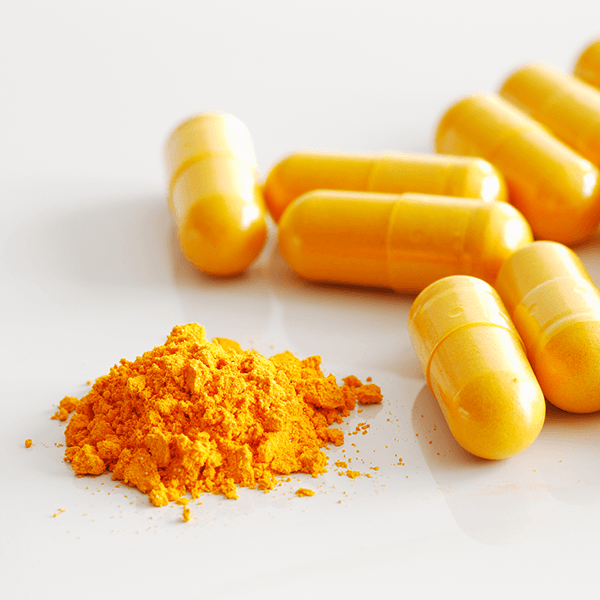
Yes, berberine chloride does interact with some medicines. Knowing how it does so is very important when creating or getting this bioactive molecule. Berberine chloride alters drug metabolism by blocking CYP450 enzymes and modulating P-glycoprotein. This can change how well and safely medicines like metformin, blood thinners, and immunosuppressants work when taken together. When makers and wholesalers work with this strong alkaloid, they need to be very aware of these pharmacokinetic effects when making products, keeping quality records, and following the rules set by regulators.
Understanding Berberine Chloride and Its Pharmacology
What Makes Berberine Chloride Unique in Nutraceutical Applications?
The chemical, which has the CAS number 633-65-8, is unique among plant products because it has been shown to help metabolism. This quaternary alkaloid comes mostly from the species Coptis chinensis and Phellodendron. It has become very popular in the development of useful foods and pharmaceuticals. Based on our work with sourcing clients, the need for high-purity berberine hydrochloride has grown by almost 40% in the last three years. This is because it can be used in a lot of different types of products.
Mechanism of Action and Clinical Evidence
Adenosine monophosphate-activated protein kinase (AMPK), which is turned on by berberine chloride, is often called a biochemical master switch in cells. This action changes how glucose is taken in, how fats are broken down, and how mitochondria work. Clinical studies have shown that when used at effective doses of 900–1500 mg daily, it can lower Type 2 diabetes patients' fasting blood glucose by 15–20%. The compound also changes the makeup of the gut bacteria, which helps improve the health of the gut and lower inflammation signs.
Safety Profile and Dosage Considerations for Product Development
Even though berberine alkaloids are usually well tolerated, normal amounts can make 10-15% of users feel sick to their stomach. This list of side effects is very important during the formulation stages, especially for functional beverage makers who want to make goods that people will want to buy. When handled properly, the compound is very stable and keeps its effectiveness even when stored in different ways. Our 50,000-square-meter plant in Shaanxi Province uses special extraction methods that keep the bioactivity while reducing the amount of impurities that could change the structure of the product.
Drug Interactions with Berberine Chloride: What Procurement Clients Should Know?
CYP450 Enzyme Inhibition and Its Implications
When your customers may take vitamins along with prescription drugs, it's important to know how enzymes affect each other. Berberine chloride stops a number of cytochrome P450 enzymes from working, mainly CYP3A4, CYP2D6, and CYP2C9. These enzymes break down about 70% of all pharmaceutical molecules, which means that giving drugs together can change the amount of drugs in the body in a big way. When CYP3A4 activity goes down, medicines like cyclosporine, some statins, and calcium channel blockers may build up to levels that could be dangerous.
Because of this pharmacokinetic fact, product paperwork needs to be clear. When formulating combination products, companies need to keep these relationships in mind. We've seen procurement teams ask for more detailed contact data before finishing large orders, which shows that they are more aware of consumer safety standards.
P-Glycoprotein Modulation and Drug Transport
In addition to blocking enzymes, berberine affects P-gp, a transport protein that changes how drugs are absorbed and flushed out of the body. Some medicines can be more bioavailable when P-gp is blocked, which can have surprising potentiation effects. Combining this substance with blood thinners like warfarin makes their effects stronger, which raises worries about the risk of bleeding. Similarly, medicines used to treat problems with heart rhythm may reach higher bloodstream amounts than they were meant to.
People who work in procurement who are looking for ingredients for products that improve heart health should pay close attention to this interaction profile. These risks must be made clear on product labels and technical data sheets so that formulators can understand them and so that healthcare professionals can then give advice to end users.
Clinical Case Studies Demonstrating Interaction Effects
Several pharmacology magazines have released research that describes specific interaction situations. One study found that taking it with metformin lowered blood sugar even more, so the amount had to be changed to avoid hypoglycemia. In a different study, berberine raised tacrolimus levels by 35% in transplant patients, which meant that the amount of immunosuppressants had to be lowered. These examples from real life show why makers need to include detailed safety information with every batch.
Comparing Berberine Chloride with Other Related Compounds and Supplements
Berberine Hydrochloride Versus Sulfate Forms
Chemical salt forms have a big effect on how well a product works and what specifications are needed to make it. The sulfate form of berberine is less stable than the hydrochloride form, which we make to 98% purity standards. The hydrochloride form has a longer shelf life under normal store conditions, so there are fewer worries about it breaking down during foreign shipping. This advantage of steadiness is very important for wholesalers who have to keep track of goods in a lot of different warehouses or climate zones.
Researchers have found that there aren't many changes in how quickly these types are absorbed, but the hydrochloride salt dissolves a little more easily in stomach fluid. You shouldn't choose between these versions based on how well they work, but on how well they work with the production process and the local drug standards.
Positioning Against Synthetic Metabolic Compounds
Clients in procurement often want to know how berberine chloride stacks up against drugs like metformin. Both berberine chloride and metformin trigger AMPK pathways, but they come from very different places and are controlled in very different ways. Berberine chloride, as a botanical extract, appeals to people who want plant-based options, which puts berberine chloride products in a different position in the market. Efficacy tests show that both berberine chloride and metformin lower blood sugar in similar ways, though metformin usually needs a lower dose because it is more bioavailable than berberine chloride.
The way these chemicals interact with each other is also different. Both have an effect on CYP enzymes, but they do so in different ways, which means that mixed goods need to be thought about in different ways. This difference lets formulators make different products that are aimed at specific health goals and customer interests.
Procurement Insights: How to Source Berberine Chloride Safely and Effectively?
Supplier Evaluation and Certification Requirements
Getting a reliable supply starts with a thorough evaluation of the seller. Along with ISO22000 and HACCP credentials, the provider should keep up-to-date Good Manufacturing Practice (cGMP) approval. Our quality processes are based on these worldwide standards, which ensure that our 10,000-ton-a-year production capacity is always the same. Verification through checks by a third party gives even more confidence that manufacturing controls stay strong during production cycles.
There should be full Certificates of Analysis (COA) for each batch in the documentation. These should include HPLC-verified purity levels, heavy metal screening results, pesticide residue tests, and microbial contamination evaluations. Our lab tests go above and beyond what is expected in the business. We make sure that arsenic levels stay below 1.0 ppm and lead levels stay below 3.0 ppm. These strict controls help protect the image of your brand and make it easier for regulators to approve new products in target markets.
Geographic Sourcing Considerations and Supply Chain Resilience
China makes most of the world's natural alkaloids because it has a well-established system for growing plants and experts who know how to remove them. Our 100-hectare organic planting base on the Qinghai-Tibet Plateau supports sustainable gathering methods and makes sure that the quality of our raw materials stays high. From growing the plants to extracting the oil, this vertical integration gives the supply security that sellers alone can't match.
When looking at local providers of berberine chloride, you should look at both their production and transportation skills. Our 3,000-square-meter building in the U.S. speeds up shipping of berberine chloride to customers in North America and makes the customs process easier. This presence on two continents for berberine chloride supply cuts down on wait times and offers extra stock for times of high demand or sudden supply problems.
Purity Standards and Pricing Benchmarks
For large sales over 500 kg, the market price for 98% pure berberine hydrochloride is usually between $85 and $120 per kilogram. The price changes depending on the amount of certification and the packaging requirements. Lower quality grades (85–90%) have lower prices, but they can make it harder to make medicines and cause mixed benefits. From what we've seen, paying more for confirmed high-purity material lowers the total cost of ownership in the long run by cutting down on batch fails and the costs of reformulating.
Different suppliers have different minimum order numbers, but well-known companies can usually handle orders from 25 kg to multi-ton contracts. MOQ choices that are flexible help both new brands that are trying the market for the first time and established brands that need container-load volumes. Our production schedule is flexible enough to handle orders of different sizes without lowering quality standards or delivery times.
Best Practices for Managing Drug Interactions in Product Development
Risk Assessment During Formulation Stages
Proactive interaction evaluation should start when the idea for the product is first thought of, not after the creation is finished. When R&D scientists, legal experts, and buying experts work together in cross-functional teams, they can find problems before they use a lot of development resources. Our clients have been able to avoid costly reformulation cycles and regulatory delays by working together in this way.
Reviewing written interaction studies in the literature gives you a basic idea, and talking to clinical pharmacologists can help you figure out how much risk there is. When making combination products, matching all the chemicals to known CYP enzyme substrates and P-gp interactions makes a full safety profile that helps with regulatory applications and talking to healthcare professionals.
Labeling and Documentation Strategies
Clear communication strikes a mix between keeping customers safe and avoiding alarms that aren't needed. Labels on products should make it clear about possible drug combinations and tell people to talk to their doctors before taking vitamins with prescription drugs. Technical paperwork packages for business-to-business clients need more thorough interaction profiles so that formulators further down the line can make smart choices and make good instructions for end users.
Our technical support team uses our 15 years of experience in the field and large contact database to help clients create these communication materials. This way of working together makes sure that end users get safety information through the right methods and supports your brand's commitment to being open and protecting consumers.
Post-Market Surveillance and Continuous Improvement
Monitoring interactions shouldn't end when a product comes out. Setting up ways for people to report bad reactions to your products and keeping in touch with doctors who suggest them are both good ways to build useful feedback loops. These pharmacovigilance data can show connections that weren't known before or point out groups that need extra care.
We ask our clients to share their results after the product has been sold, which adds to the safety knowledge of the whole business. This method improves the whole supply chain and gives people more faith in the safety and effectiveness of botanical supplements.
Conclusion
Drug combinations with berberine chloride are an important thing for companies that make and sell metabolic health goods to think about. Because the substance affects CYP450 enzymes and P-glycoprotein, it interacts in important ways with many popular medicines, such as blood thinners, immunosuppressants, and diabetes medicines. To make a good product, you need to know about these pharmacokinetic effects, use strict review methods for suppliers, and keep the lines of communication open all along the supply chain. Procurement professionals can confidently get this valuable ingredient while protecting consumer safety and brand reputation in markets that are becoming more regulated. They can do this by putting quality documentation first, choosing suppliers with full certifications, and setting up strong post-market surveillance systems.
FAQ
Q1: Can berberine chloride be safely combined with metformin?
There is proof from clinical trials that combining these compounds lowers blood sugar even more, which may mean that the dose needs to be changed under medical care. Even though this mixture isn't harmful, people who take it should closely watch their glucose levels and work with their doctors to find the best dose for them. Labels on products should make this possible connection very clear.
Q2: What purity grade should I specify when procuring berberine for pharmaceutical applications?
Pharmaceutical products usually need at least 97% purity, which can be checked by HPLC analysis. However, grades of 98% offer an extra quality cushion. For nutraceutical uses, slightly lower purity levels may be okay, but uniformity between batches is more important than total purity to keep the product working and living up to what the label says.
Q3: Are there regulatory restrictions on berberine chloride in major markets?
In the US, this substance is controlled as an ingredient in dietary supplements rather than as a drug, as long as the goods make the right structure-function claims instead of disease treatment claims. The rules for European markets are mostly the same, but some member states may have their own limits. Our regulatory affairs team can help your marketing plan by giving you market-specific advice.
Partner with BIOWAY for Premium Berberine Chloride Supply
BIOWAY INDUSTRIAL GROUP LTD controls the standard of every kilogram of plant extract it makes through vertical integration. Our Coptis chinensis Root Extract contains 98% pure berberine hydrochloride and is backed by a number of standards, such as USDA Organic, ISO22000, HACCP, and Halal, which make it easier to get into markets with different rules. We are a well-known company that makes berberine chloride. Our 100 hectares of certified organic farming and 50,000 square meters of state-of-the-art extraction facilities give us the supply reliability and quality consistency that procurement experts expect.
Our yearly capacity of 10,000 tons helps both new brands that need flexible minimum orders and well-known brands that need container-load amounts with reliable delivery plans. You can email our technical team at grace@biowaycn.com to talk about your unique formulation needs, ask for full COA paperwork, or set up facility checks that show our dedication to quality all along the supply chain.
References
1. Yin J, Xing H, Ye J. Efficacy of berberine in patients with type 2 diabetes mellitus. Metabolism: Clinical and Experimental. 2008;57(5):712-717.
2. Guo Y, Chen Y, Tan ZR, Klaassen CD, Zhou HH. Repeated administration of berberine inhibits cytochromes P450 in humans. European Journal of Clinical Pharmacology. 2012;68(2):213-217.
3. Zhang Y, Li X, Zou D, Liu W, Yang J, Zhu N, Huo L, Wang M, Hong J, Wu P, Ren G, Ning G. Treatment of type 2 diabetes and dyslipidemia with the natural plant alkaloid berberine. Journal of Clinical Endocrinology & Metabolism. 2008;93(7):2559-2565.
4. Feng R, Shou JW, Zhao ZX, He CY, Ma C, Huang M, Fu J, Tan XS, Li XY, Wen BY, Chen X, Yang XY, Ren G, Lin Y, Chen Y, You XF, Wang Y, Jiang JD. Transforming berberine into its intestine-absorbable form by the gut microbiota. Scientific Reports. 2015;5:12155.
5. Wu X, Li Q, Xin H, Yu A, Zhong M. Effects of berberine on the blood concentration of cyclosporin A in renal transplanted recipients: clinical and pharmacokinetic study. European Journal of Clinical Pharmacology. 2005;61(8):567-572.
6. Kumar A, Ekavali, Chopra K, Mukherjee M, Pottabathini R, Dhull DK. Current knowledge and pharmacological profile of berberine: An update. European Journal of Pharmacology. 2015;761:288-297.
Contact Us
Grace HU (Marketing Manager) grace@biowaycn.com
Carl Cheng ( CEO/Boss ) ceo@biowaycn.com
Website: www.biowaynutrition.com
Post time: Jun-29-2026