
Introduction
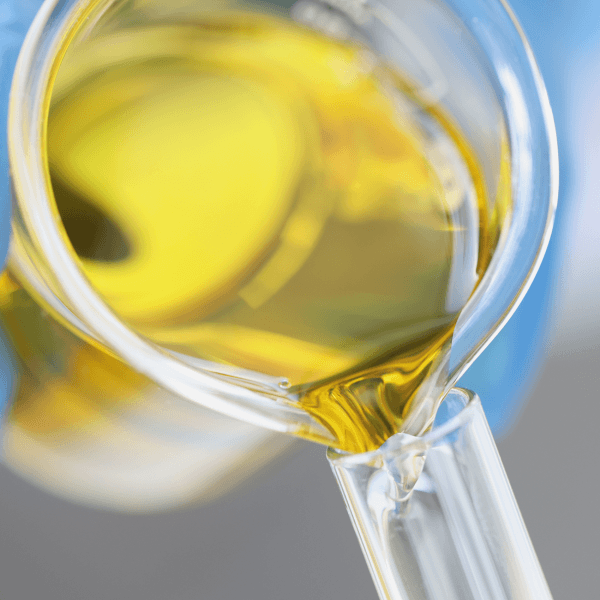
Retinol and Bakuchiol both have safety scores, but the plant-based version is better tolerated by a wider range of skin types. Clinical tests have shown that Bakuchiol, which comes from Psoralea corylifolia, can slow down aging just as well as regular retinoids, but it doesn't cause rash, photosensitivity, or birth defects. This natural meroterpene phenol gives buying workers a better way to make makeup, especially makeup that is safe for people with sensitive skin and women who are pregnant. It still meets the high standards for high-end skincare uses.
Understanding Bakuchiol and Retinol: Key Differences and Safety Profiles
There have been big changes in the makeup business that make better choices. Bakuchiol is one of the best plant-based substitutes for retinoids. So that they can choose the best ingredients, buying workers need to understand the main differences between these drugs.
Biochemical Properties and Mechanisms of Action
Connecting directly with retinoic acid receptors is how retinol works. This speeds up the cell cycle and the production of collagen. Some people have a "retinoid reaction" during this process, which makes their skin red, peel, and feel sensitive for weeks. It's naturally fragile when exposed to air and light because of how its chemicals are structured, so it needs to be packed in a certain way and should only be used at night.
Retinoids and Bakuchiol function very differently. Like retinoids, it changes the way genes are expressed, but it doesn't connect directly to retinoic acid receptors. Matrix metalloproteinases break down collagen, but this chemical from plants makes more types I, III, and IV of collagen while stopping them. The result is the same anti-aging benefit with a lot less chance of pain.
Clinical Safety Data and Tolerance Profiles
Since it was first studied ten years ago, Bakuchiol has been found to be safer in many ways. 44 people took part in a new 12-week clinical study that found 0.5% bakuchiol cream improved fine lines and discoloration just as well as 0.5% retinol, but with a lot fewer side effects. A lot fewer people itched, burned, and flaked when they used the plant-based choice instead of retinol.
There are more safety perks than just limits at the surface level. While retinoids can cause birth defects, bakuchiol does not, so it can be used in goods that are safe for pregnant women. Companies that want to sell anti-aging goods to women who are pregnant or nursing have a huge market to choose from. These are two groups that these products don't usually target.
Photostability and Formulation Advantages
The fact that bakuchiol doesn't break down in light is one of its best qualities. Because retinol breaks down quickly in UV light, you should only put it on at night. As for bakuchiol, it stays the same for 24 hours. Because of this, "all-day anti-aging" products can reach more people who want simple, effective ways to take care of their face.
Decision Criteria for Choosing Between Bakuchiol and Retinol for Your Product Line
More and more, buying managers have to make decisions that are hard to understand when they pick active ingredients for their product lines. You should think about more than just how well retinol and bakuchiol work when making your choice.
Market Demand and Consumer Preferences
What people expect from beauty items has changed a lot because of the "clean beauty" trend. In fact, 73% of people around the world say they like drugs that come from natural sources better. And Bakuchiol fits right in with this trend. It has been scientifically proven to work and meets the need for plant-based choices. Bakuchiol is important for brands that want to stay trustworthy in the natural or organic market and still do a good job.
Methods for choosing ingredients are also affected by things that consumers think about. "Gentle yet effective" products are very popular with Millennials and Gen Z buyers. It's a good choice for businesses that want to reach younger people because of this. These groups want to know a lot about the safety of the ingredients they use and stay away from products that are known to hurt or take a long time to get used to.
Regulatory Compliance and Global Markets
Retinoic acids are regulated in a lot of different ways in different countries. In the European Union, there are stricter rules about how much retinol can be in makeup than in the US. Also, vitamin A alternatives have to follow extra rules when they are sold in some Asian markets. Fewer rules mean that bakuchiol has to follow them. This makes it easier to register goods all over the world and lowers the costs of regulation.
Also, the fact that bakuchiol is safe for pregnant women can help makeup companies avoid legal problems in places where they don't want to take on too much responsibility. There are many places where products with retinoids need to have warnings about pregnancy on them. This could make it harder to sell and reach a smaller market.
Cost-Benefit Analysis and Supply Chain Considerations
Making retinol from plants generally costs more than making retinol in a lab, but the total cost of ownership usually favors the plant-based option. Low returns because of sensitivity, simpler handling rules (no need for light-blocking measures), and a bigger group of people to target can make up for the higher costs of the original ingredients.
Another important factor is how stable the supply line is. Every year, BIOWAY can make more than 10,000 tons of high-purity bakuchiol. This makes it a reliable source for big companies. We make sure that every batch is the same by following strict quality control steps.
Practical Applications and Suitability: When to Use Bakuchiol vs Retinol?
When companies know how to use each item in the best way, they can get the most out of their lines and meet all of their customers' needs.
Sensitive Skin and Acne-Prone Formulations
Bakuchiol works really well in products that are meant to help tough skin barriers that are broken or sensitive. It works against Cutibacterium acnes and reduces inflammation, making it great for acne treatments for adults that don't dry out the skin as most treatments do.
There are a lot more ways to prepare the product because it works well with other active ingredients. Bakuchiol works well with vitamin C, niacinamide, alpha hydroxy acids, and peptides. Retinol, on the other hand, needs to be carefully balanced in the pH range and cannot be mixed with certain acids or antioxidants. Because of this, anti-aging solutions can be more complete when they are all in one product.
Anti-Aging and Collagen Stimulation Applications
For mature skin concerns, both ingredients offer proven efficacy, but application contexts differ substantially. Retinol remains the gold standard for addressing advanced photodamage and deep wrinkles, particularly when consumers can tolerate the adjustment period and commit to strict sun protection protocols.
Bakuchiol works best in anti-aging products that people use every day and where comfort and ease of use are more important than maximum efficiency. People are more likely to keep using the ingredient because it is gentle. This means that it often gives better long-term benefits than retinol products that people stop using because they make their skin red.
Specialized Product Categories
Because of how it is made, bakuchiol is a great ingredient for many different types of products. This is shown by eye creams, since the skin around the eyes is very sensitive and can't handle a lot of retinol. Bakuchiol does a good job of slowing down the aging process without making your skin hurt so much that you stop using the product.
It's also a good idea to add bakuchiol to day serums and other useful things. Because the part can be photographed, it can be used in the morning. This makes things easier for users while still getting the job done. Being easy to use is becoming more and more important in today's market, where time is valuable.
Sourcing Bakuchiol and Retinol: Finding Trusted Suppliers and Ensuring Quality
Just how well the product works, how happy customers are with it, and how well known the name is all depend on the quality of the active ingredients. Many things, not just price, need to be carefully thought through when building trusting relationships with providers.
Quality Standards and Certification Requirements
Pay close attention to the steps of extraction and processing if you want to get bakuchiol that is very pure. High-end companies use advanced molecular distillation methods to keep purity levels at or above 98%. This makes sure that all batches have the same amount of strength. For some manufacturers, getting rid of phototoxic chemicals like psoralens is not possible because they lack certain skills.
Bioway cares about quality in more ways than just how clean it is. Our bakuchiol is thoroughly checked for microbiological toxins, heavy metals, and herbicide residues. To follow the law, every batch has a full proof of analysis that includes the test results, stable data, and safety factors.
Supply Chain Transparency and Traceability
These days, more and more consumers and government bodies want the supply chain to be fully open. Companies that care about ethical and environmentally friendly sources need to know where their plant raw materials come from, how they are grown, and how they are handled. We can keep track of everything, from our 100-hectare organic fields to the delivery of the finished product, thanks to our vertically integrated way. People who care about the environment will like this control because it makes sure that the quality always stays the same and keeps promises of sustainability.
Technical Support and Formulation Guidance
To use an ingredient correctly, you often need to know special scientific knowledge. This is especially true when moving from regular retinoid products to ones made from plants. It's worth a lot more to get skilled help from suppliers than just getting raw materials from them. The composition experts at BIOWAY work closely with clients to find the best ways to add bakuchiol. To do this, they come up with new taste combinations, make goods more stable, and improve how well they dissolve. This joint method lowers the risks of creation and speeds up the process of making a new product.
Integrating Bakuchiol and Retinol into Your Product Portfolio: Strategic Insights
It's important to know not only what each substance does, but also how they might work together and how they can help you get your product on the market for key ingredients.
Complementary Formulation Strategies
More and more, skilled formulators are trying to find ways to mix ingredients that bring out the best in each one while minimizing the bad points of each one. Combining low-concentration retinol with Bakuchiol can make it work better while lowering the chance of inflammation. When a company wants to offer "step-up" products for people who are going from mild to stronger anti-aging treatments, this way works really well.
There are also chances for more use because of when the application is made. Using retinol at night and bakuchiol in the morning will help your skin stay young for 24 hours, as long as you follow the directions for the right amount of each ingredient. In areas that are already very competitive, this can make a big difference between product lines. Customers need to be taught how to use it.
Market Positioning and Brand Differentiation
Bakuchiol's unique properties enable distinct positioning strategies that can lead to higher prices and a wider range of customers. There is a billion-dollar market for "pregnancy-safe anti-aging" that isn't well served. The "natural retinol alternative" and "sensitive skin anti-aging" jobs also fill needs that aren't well met by current goods.
Brand stories about botanical beginnings and the history of traditional medicine add an emotional draw that synthetic options can't match. People who want to buy things that are based on history like how Psoralea corylifolia is used in traditional Chinese medicine because it adds real story elements.
Product Development Timelines and ROI Optimization
Bakuchiol can make the process of making new goods much faster because it is safe. They can be put on the market faster than retinol-based products because they don't need as many itching tests. Stability studies are also easier because they are photostable, and there are fewer restrictions on how they can be made. The fact that the ingredient can be used in many different kinds of goods makes better use of the resources that R&D offices have. Getting bakuchiol through one source can help serum, cream, mask, and oil products. The business as a whole makes more money because of economies of scale.
Conclusion
When you look at how safe Bakuchiol and retinol are next to each other, it's clear that the plant-based one is better for small businesses. While retinol can still be useful for some high-performance treatments, bakuchiol is a better choice for most beauty items because it is safer for pregnant women, can handle more, and is not destroyed by light. Bakuchiol is a great ingredient for buying workers who want to make sure that they are successful and that customers are happy. As the market continues to move toward natural, gentle, but effective anti-aging goods, this is even more important.
FAQ
Q1: What makes Bakuchiol safer than Retinol for sensitive skin?
Bakuchiol doesn't cause the normal reaction and functions differently from other retinoid drugs. Studies have shown that it causes less peeling, itching, and burning than retinol. This means that people with sensitive skin can use it every day without having to wait the normal amount of time to get used to it.
Q2: Can Bakuchiol be used during pregnancy when Retinol cannot?
Yes, bakuchiol shows no teratogenic properties in safety studies, making it pregnancy-safe, unlike retinoids, which are contraindicated during pregnancy and nursing. This opens significant market opportunities for brands targeting expectant mothers seeking anti-aging benefits.
Q3: How does the efficacy of Bakuchiol compare to that of Retinol?
Similar effects have been seen in clinical tests for getting rid of fine lines, making skin more flexible, and making more collagen. Bakuchiol's kindness often leads to better long-term obedience and benefits that last, even though retinol may work faster at first.
Q4: What are the key advantages of Bakuchiol for product formulation?
Bakuchiol doesn't change when it's exposed to sunshine, so it can be used during the day. Also, it mixes well with vitamin C and AHA, and doesn't need to be packaged in a certain way. This makes it acceptable to a wider group of people. These things help people make things easier and reach more people.
Q5: What quality standards should I look for when sourcing Bakuchiol?
Look for companies that offer products that are at least 98% pure, that test for and get rid of phototoxic chemicals like psoralens, that give full records of analysis, and that have clear proof of the supply chain. Certifications from the EU and the USDA make the product even more certain.
Partner with BIOWAY for Premium Bakuchiol Supply
BIOWAY is the only company that makes Bakuchiol that you can be sure will always give you pharmaceutical-grade quality. We work with natural ingredients for 15 years and have a 50,000-square-meter, state-of-the-art plant and 100-hectare organic farms to make sure the standard of our goods is high and the supply chain is clear. More than 10,000 tons can be made every year, and we follow many standards, including USDA Organic, EU Organic, BRC, and ISO9001. This means that we can ensure the quality of your formulas. Email our team at grace@biowaycn.com to talk about your Bakuchiol needs and find out how our high-quality plant-based actives can help you make your products better and meet the growing demand for safe, effective anti-aging ingredients.
References
1. Dhaliwal, S., Rybak, I., Ellis, S. R., Notay, M., Trivedi, M., Burney, W., ... & Sivamani, R. K. (2019). Prospective, randomized, double-blind assessment of topical bakuchiol and retinol for facial photoageing. British Journal of Dermatology, 180(2), 289-296.
2. Chaudhuri, R. K., & Bojanowski, K. (2014). Bakuchiol: a retinol‐like functional compound revealed by gene expression profiling and clinically proven to have anti‐aging effects. International Journal of Cosmetic Science, 36(3), 221-230.
3. Fiume, M. M., Bergfeld, W. F., Belsito, D. V., Hill, R. A., Klaassen, C. D., Liebler, D. C., ... & Snyder, P. W. (2020). Safety assessment of plant-derived fatty acid oils. International Journal of Toxicology, 39(3_suppl), 5S-61S.
4. Clayton, R. (2007). The molecular basis of retinoid action. Clinical and Experimental Dermatology, 32(6), 633-636.
5. Enshaieh, S., Jooya, A., Siadat, A. H., & Iraji, F. (2007). The efficacy of 5% topical tea tree oil gel in mild to moderate acne vulgaris: a randomized, double-blind placebo-controlled study. Indian Journal of Dermatology, Venereology, and Leprology, 73(1), 22-25.
6. Mukherjee, S., Date, A., Patravale, V., Korting, H. C., Roeder, A., & Weindl, G. (2006). Retinoids in the treatment of skin aging: an overview of clinical efficacy and safety. Clinical Interventions in Aging, 1(4), 327-348.
Contact Us
Grace HU (Marketing Manager) grace@biowaycn.com
Carl Cheng ( CEO/Boss ) ceo@biowaycn.com
Website: www.biowaynutrition.com
Post time: Apr-22-2026