
Introduction
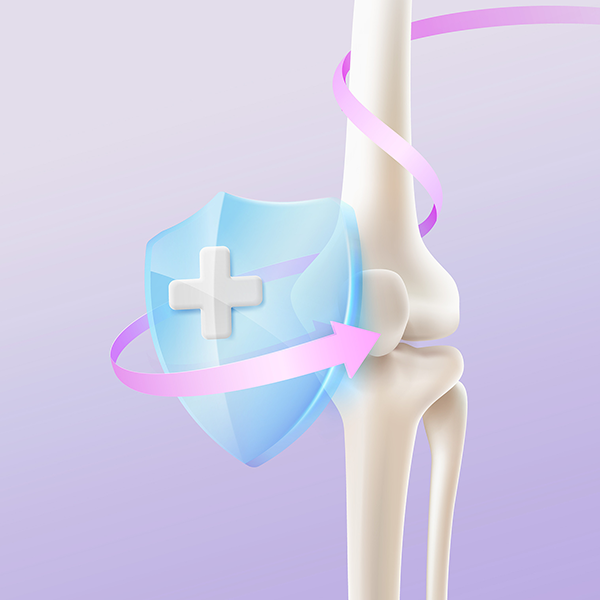
Research shows that this isoflavone substance is very good for bone health, especially for women who have gone through menopause and are losing their bones faster. Studies have shown that taking Genistein extract every day can help keep the bone mineral density in the lower back at a higher level than control treatments. This chemical is a naturally occurring phytoestrogen that selectively activates estrogen receptors. It affects osteoblast stimulation while blocking osteoclast function. These are two important cellular processes that control bone regeneration and density maintenance as we age.
Understanding Bone Density and Its Challenges
Bone density is a measure of how much mineral material is packed into skeletal tissue. It is the best way to figure out how likely someone is to break a bone and how strong their structure is. A healthy bone is always changing because of the activity of osteoblasts, which build bone, and osteoclasts, which break down bone. When this balance moves toward too much loss, bone mass goes down, making people more likely to get osteoporosis and break a bone.
Who Faces Bone Density Decline?
Women who have gone through menopause lose the most bone mass because their estrogen levels drop, which usually protects bone tissue. Women can lose up to 20% of their bone mass in the five years after menopause. As cellular regeneration slows down, the proportion of aging people across all groups also decreases over time. Because of these population facts, there is a big market need for products that are good for bone health.
Factors Contributing to Bone Weakness
Changes in hormones, especially estrogen shortage in women and testosterone drop in older men, are the main cause of bone density loss. Not getting enough of certain nutrients, especially calcium, vitamin D, and protein, can make it harder for bones to grow. Less physical activity lowers the mechanical stress that tells bones to keep their power. These connected factors make it hard for B2B buyers to find complete ingredient options that work on multiple routes at the same time.
As more people learn how to avoid getting osteoporosis, the world market for bone health supplements keeps growing. Procurement professionals see this as a chance to make unique goods that appeal to this changing group. Phytoestrogens and other ingredients that work on the hormonal parts of bone metabolism are a good middle ground between regular calcium supplements and drug-based treatments.
The Role of Genistein in Bone Health: Scientific Insights
This particular isoflavone substance has special features that make it useful for bone health purposes. As a selective estrogen receptor modulator, it links to estrogen receptors in bone tissue, protecting the body in the same way that natural estrogen does, but without the risks that come with hormone replacement treatment. Its chemical structure (C15H10O5, CAS 446-72-0) lets certain receptors interact in ways that help bones grow while preventing too much breakdown.
Mechanisms Supporting Skeletal Health
This chemical increases the activity and development of osteoblast cells at the cellular level. This leads to more collagen and other bone matrix proteins being made. At the same time, it stops osteoclasts from forming and working through several communication paths, which slows down the breakdown of bone. These two acts work together to make it easier to keep or increase bone mineral density. The substance is also a powerful antioxidant that protects bone cells from oxidative stress, which speeds up bone loss that comes with getting older.
Clinical Evidence and Comparative Efficacy
More and more studies show that Genistein, this isoflavone, is good for bone health. When lumbar spine and femoral neck bone mineral density are measured, the treatment groups show big gains compared to the placebo groups. In some studies, the benefits were similar to those of lower-dose hormone replacement. Unlike calcium and vitamin D supplements alone, this compound treats the hormonal aspect of bone metabolism. It does this by providing complementary mechanisms that work better when used together carefully.
Differentiation from Related Compounds
This molecule is often grouped with daidzein as a soy isoflavone, but it binds to estrogen receptors more strongly and is more effective in bone cell tests. If you compare this isoflavone to curcumin or resveratrol, which are mostly antioxidants, this isoflavone acts like estrogen in bone tissue. This specificity lowers worries about effects on hormones in the body while increasing benefits for the bones. This is an important difference for formulators who are making safe, effective goods for a wide range of people.
Optimal Genistein Usage for Bone Health: Dosage and Supplement Forms
According to clinical studies, the best daily dose for supporting bone density is between 30 mg and 60 mg. However, smaller amounts may be possible with high-purity extracts because they are more bioavailable. When choosing between aglycone forms (like the 98% pure powder from Sophora japonica) and glycoside forms that need to be changed in the intestines before they can be absorbed, procurement workers must look at how well each one is absorbed.
Product Forms and Bioavailability Considerations
The 98% pure extract powder from Sophora japonica has benefits over options made from soy. For example, it is allergen-free and doesn't contain any GMOs, which makes it easier for more people to buy it. Because it doesn't dissolve well in water, this off-white to light-yellow powder (melting point 297–298°C) needs to be mixed in a certain way. Liposome delivery and cyclodextrin complexation are two encapsulation technologies that greatly improve bioavailability. This means that successful doses can be done at lower inclusion rates, which is an important cost factor for keeping product prices reasonable.
Tablets and capsules are still the most common forms of food supplements, but new delivery methods can help them stand out. Sustained-release versions let compounds be exposed for a longer time, which could make them work better. For functional beverage uses, nano-encapsulation or solubilization in organic-compatible systems makes it possible to make liquid products even though the nanoparticles themselves don't like water.
Quality and Safety Parameters for Procurement
When looking for this item, B2B buyers need to make sure of a few important details. An HPLC test should show that the sample is at least 98% pure, with impurities of less than 0.5%. ICP-MS testing for heavy metals must show that they meet USP/EP guidelines (total heavy metals < 10 ppm, with specific levels for lead, cadmium, arsenic, and mercury). Because food-grade ethanol is usually used for extraction, which must follow ICH Q3C rules, residual solvent analysis is very important.
Microbiological testing makes sure that uses that involve direct eating are safe. The total plate count should stay below 1,000 CFU/g, and there should be no dangerous organisms at all, such as Salmonella, Staphylococcus aureus, and E. coli. For cosmetic uses, more tests may be needed to see how well the preservative works, based on how the final product is made.
Market Comparison and Procurement Insights for Genistein Products
There are different levels of quality on the market for ingredients, ranging from 40% standardized extracts to 98%+ pharmaceutical-grade powders. Bulk pricing is based on both the level of purity and the plant source. Material from Sophora japonica commands a higher price because it is allergen-free and non-GMO, which are qualities that are respected in North American and European markets.
Supplier Evaluation Criteria
Reliable providers set themselves apart by providing a lot of proof to back up their quality claims. The Certificate of Analysis (COA) should have full testing results for identification, purity, heavy metals, microbiological factors, and solvents that are still present. Manufacturing qualifications like cGMP, ISO22000, HACCP, and organic (USDA/EU) certifications show that quality control is carried out in a planned way. For pharmaceutical uses, sellers should give thorough paperwork of the manufacturing process that shows stability and can be tracked back to the source.
Transparency in the supply chain is becoming more and more important to buyers around the world. Suppliers who offer proof of origin, tests for pesticide residue, and GMO-free approval meet the legal needs of many markets at the same time. Companies that grow, extract, and clean their products all in-house offer better supply security and quality stability, which is valued by big makers who need stable long-term buying relationships.
Real-World Procurement Success
Leading companies that make nutraceuticals have set up preferred supply relationships based on reliable quality and quick technical support. One global supplement business switched to 98% pure Genistein powder from Sophora to avoid worries about soy allergens and to follow strict European Novel Food rules. Another company that makes functional foods cut its formulation costs by 15% by working with a source that let them change the minimum order amounts while the product was being developed. Once the product was ready for the market, the company switched to buying in bulk.
Strategic Applications of Genistein in Bone Health Products
Formulations usually mix this isoflavone with nutrients that work together to strengthen bones in a wide range of ways. When combined with calcium, magnesium, and vitamin D3, the isoflavone improves hormonal signals so that minerals can be incorporated into the bone matrix. Vitamin K2 makes it work even better by sending calcium to bone tissue instead of soft tissue.
Regulatory Compliance Across Markets
Product makers have to deal with different regulatory systems around the world. This ingredient can be used in food supplements in the US because it meets the DSHEA requirements for structure-function claims instead of disease claims. For Sophora-derived materials to be sold in European markets, they have to follow Novel Food rules, but they are becoming more and more accepted through granted applications. Asian markets, like China and Japan, usually let you use it as long as you have the right safety paperwork.
Labeling rules are very different from one place to another. In the United States, supplement facts screens have to clearly list the ingredient and the amount to be taken. In Europe, on the other hand, rules say that health claims must use specific language that has been allowed by the EFSA. Manufacturers who want to sell their products in more than one market can benefit from suppliers who offer legal support documents that are special to those areas. This makes compliance easier and speeds up the time it takes to get the products on the market.
Innovation Opportunities in Delivery Systems
In competitive markets, advanced preparation technologies help products stand out. Liposomal encapsulation keeps the substance safe and improves uptake, which lets it be placed at the top of the market. Time-release matrix pills increase the amount of time that compounds are exposed, which might help keep bone mass up. When used in cosmetics to improve skin health by stimulating collagen, emulsion systems must take into account the fact that they don't dissolve easily in water and must stay stable over time.
When the bone health and beauty markets come together, it opens up some interesting possibilities. This isoflavone increases collagen production, which is good for both skeletal and skin tissue. This makes it possible for items to be made that are in the middle of these two groups. This kind of dual-benefit positioning speaks to older people who want all-around health answers.
Conclusion
It has been scientifically proven that Genistein, this isoflavone molecule, can help with important bone health issues by working in special ways with hormones and antioxidants. There is clinical proof that it helps keep bone mineral density up, especially in women who have gone through menopause and are losing bone density more quickly.
Professionals in B2B procurement can get a competitive edge by finding high-purity, allergen-free materials that come with a lot of quality paperwork and backing from regulators. Strategically mixing this ingredient with nutrients that work well together makes it possible to make goods that meet the needs of a wide range of customers in areas like functional foods, dietary supplements, and new skin care uses.
FAQ
Q1: Is long-term supplementation safe?
Multiple years of research show that amounts (30–60 mg daily) that have been studied in clinical settings are safe. In contrast to manufactured hormone replacement, this phytoestrogen selectively activates receptors, reducing the effects of hormones on the whole body. An abundance of chemical data supports long-term use, though people with hormone-sensitive diseases should still talk to their doctors first.
Q2: How does it compare to prescription osteoporosis medications?
Pharmaceutical bisphosphonates work better for people with serious osteoporosis, but this natural substance helps bone density more effectively and with fewer side effects. It works well as a preventative diet for early-stage bone loss or as extra help when other treatments aren't working. The chemical works on the hormonal aspects of bone metabolism that mineral supplements can't reach on their own.
Q3: Which dietary sources provide this compound naturally?
There are a lot of them in soybeans and soy products, but the solubility changes depending on how they are processed. Foods that are fermented, like tempeh and miso, help the body absorb nutrients better. Some legumes, beans, and fava beans have small amounts. But it's hard to get truly useful doses from food alone, which is why the supplement market has a place for concentrated extracts.
Partner with BIOWAY for Premium Genistein Supply
BIOWAY INDUSTRIAL GROUP LTD provides pharmaceutical-grade isoflavone powder that is derived from Sophora japonica and meets the strict requirements set by makers around the world. Our 98% pure material (CAS 446-72-0) goes through a lot of tests, such as HPLC purity verification, heavy metal screening via ICP-MS, and microbial analysis to make sure it meets USP/EP standards. We control quality from our 100-hectare organic farm to our cGMP-certified 50,000+ square meter production center with specialized high-purity extraction lines and 100,000-level cleanrooms. We are a fully integrated botanical extract manufacturer.
Whether you require small development runs or big business amounts, our flexible MOQ policies and 3,000-square-meter U.S. warehouse make it possible for us to quickly supply you with what you need. Our certificates, such as USDA/EU Organic, HALAL, KOSHER, FDA registration, and BRC, make it easier for us to sell our products in markets all over the world. Email our technical team at grace@biowaycn.com to get samples, talk about OEM formulation support, or get a reasonable price as a reliable Genistein provider for the creation of your bone health product.
References
1. Marini H, Minutoli L, Polito F, et al. Effects of the phytoestrogen genistein on bone metabolism in osteopenic postmenopausal women: a randomized trial. Annals of Internal Medicine. 2007;146(12):839-847.
2. Chen XW, Garner SC, Anderson JJ. Isoflavones regulate interleukin-6 and osteoprotegerin synthesis during osteoblast cell differentiation via an estrogen-receptor-dependent pathway. Biochemical and Biophysical Research Communications. 2002;295(2):417-422.
3. Ma DF, Qin LQ, Wang PY, Katoh R. Soy isoflavone intake inhibits bone resorption and stimulates bone formation in menopausal women: meta-analysis of randomized controlled trials. European Journal of Clinical Nutrition. 2008;62(2):155-161.
4. Pawlowski JW, Martin BR, McCabe GP, Ferruzzi MG, Weaver CM. Plum and soy aglycon extracts are superior at increasing bone calcium retention in ovariectomized Sprague-Dawley rats. Journal of Agricultural and Food Chemistry. 2014;62(26):6108-6117.
5. Lagari VS, Levis S. Phytoestrogens in the prevention of postmenopausal bone loss. Journal of Clinical Densitometry. 2013;16(4):445-449.
6. Taku K, Melby MK, Nishi N, Omori T, Kurzer MS. Soy isoflavones for osteoporosis: an evidence-based approach. Maturitas. 2011;70(4):333-338.
Contact Us
Grace HU (Marketing Manager) grace@biowaycn.com
Carl Cheng ( CEO/Boss ) ceo@biowaycn.com
Website: www.biowaynutrition.com
Post time: Jun-15-2026