
Introduction
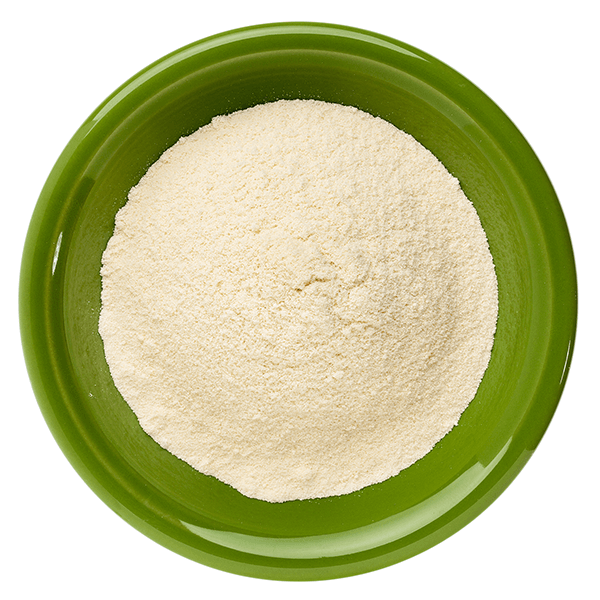
When it comes to biochemistry, mountain apricot seeds grown at high elevations are much more powerful than their lower cousins. There is a lot of amygdalin, polyphenolic chemicals, and important fatty acids in these wild-grown seeds, especially when they are turned into Organic Bitter Apricot Seed Powder. The hard mountain climate causes defensive phytochemical responses in the kernels, which makes the nutrient profiles denser. Studies done by different groups have shown that apricot kernels from the mountains have up to 30% more antioxidants than apricot kernels grown on farms. This natural concentration advantage directly turns into better performance for B2B uses in nutraceuticals, cosmetics, and functional food production, where the density of the active ingredient decides how well the product works and how well the product outcome is perceived by the customer.
The Unique Potency of Mountain Apricot Seeds
Mountain apricot trees in the wild have to deal with natural stresses that cultivated types never have to. These hardy plants grow at high elevations (2,500 to 4,000 metres) on the Qinghai-Tibet Plateau. They have to deal with huge changes in temperature, strong UV rays, and grounds that don't have many nutrients. These tough conditions make the tree's defences work, which concentrates protection chemicals in the seeds.
Environmental Stressors Drive Phytochemical Concentration
Kernels have unique molecular patterns because their bodies have changed to survive in mountainous areas. Strong sun energy causes more flavonoids and phenolic acids to be made. These are chemicals that absorb harmful wavelengths and protect cell structures. When temperatures change more than 20°C between day and night, the lipid layer gets stronger. This makes seeds contain more unsaturated fatty acids. Because there isn't a lot of water available, nutrients have to be used efficiently. This makes seeds that are small and have a high nutrient density per gram.
Comparative Analysis: Mountain vs. Lowland Varieties
Lab tests show that mountain and valley apricot kernels are very different from each other. Seeds grown in the mountains usually have 25–40% more vitamin E than seeds grown in the valley. Bitter apricot kernels contain a substance called amygdalin, which is highest in high-altitude types. This is the best range for therapeutic purposes while still staying within the safety limits set by international food authorities. Total polyphenol readings regularly show that mountain sources are 18–35% better than lowland sources, though this can change based on the harvest conditions and processing methods used.
Industrial Implications for B2B Procurement
These changes in potency are very important for companies that make goods with specific active ingredient goals. Pharmaceutical businesses that are making medicines to help the lungs need consistent amounts of amygdalin, which can only be found in mountain sources. When cosmetic companies use apricot kernel powder for antioxidant skin care, the higher vitamin E and polyphenol content means that lower inclusion rates are needed to get the same results. Manufacturers of functional drinks like the strong flavour profile that lets health-conscious customers know the product is real.
Understanding Organic Bitter Apricot Seed Powder – Benefits and Usage
Powder made from apricot kernels that come from Prunus armeniaca L. serves many industries because it has a variety of ingredients and is known to be bioactive. The organic version makes sure that there are no pesticide leftovers or synthetic inputs, which are important for positioning the product as an expensive item and following the rules in North American and European markets.
Core Nutritional and Functional Benefits
The powder provides a complete set of nutrients that can be used in several industrial processes. It has between 18% and 24% protein, which gives food structures useful qualities like emulsification and foam stabilisation. Fibre in food gives baked goods their texture and supports claims that it is good for your digestive system. The mineral makeup, especially calcium, iron, and zinc, meets the goals of micronutrient fortification without the need for manufactured supplements.
Beyond basic nutrition, the bioactive fraction needs extra care. When handled properly and within safe concentration limits, amygdalin has traditional health benefits that are known in plant medicine systems. The antioxidants fight oxidative stress in both the physical and chemical parts of a product, which naturally extends its shelf life and supports the health of cells. Vitamin E and phenolic chemicals work together to make a defensive network that is especially useful in cosmetics that aim to slow down skin ageing and damage from the environment.
Practical Formulation Considerations
In order to add Organic Bitter Apricot Seed Powder, you need to know how it works in different types of products. When used in drinks, the stability of the solution depends on the particle size distribution. Powders ground to 200–300 mesh mix easily into liquids that have the right hydrocolloids. For baked goods, thicker sizes (80–100 mesh) are better because they add texture and can handle being heated. For capsule and pill forms, microbe requirements must be less than 1,000 CFU/g total plate count. This is easy to achieve with the right controls after processing.
Dosage issues are different depending on the type of product and the licensing authority. Nutraceutical goods usually have between 500 mg and 2000 mg per dose, which is the right amount to balance effectiveness with safety. Cosmetic formulators use 1-5% inclusion rates in serums and creams, which is enough to provide antioxidant action without making the product look bad. Good manufacturing practices are used in food use, which treat the powder as a functional ingredient within GRAS (Generally Recognised as Safe) standards.
Safety Protocols and Regulatory Compliance
Responsible buying teams give more weight to sellers who take a wide range of safety steps to deal with amygdalin content. Our methods of processing include steps that use enzymes to lower the amount of amygdalin to a safe level while keeping the good chemicals. Each batch of output goes through HPLC analysis to make sure it meets FDA and EU standards. Every package comes with a Certificate of Analysis (COA) that lists the results of the pesticide screening, heavy metal tests, and microbiological tests. Organic certifications from the USDA and the EU are third-party confirmations of the purity of farming and handling.
Comparing Bitter vs Sweet Apricot Seed Powder and Market Variants
The market for apricot kernels includes different types of plants that have very different traits. When buying, experts know about these differences, they can choose the right raw material for their product goals.
Bitter Versus Sweet: Chemical and Sensory Distinctions
The amount of amygdalin in bitter apricot seeds is much higher than in sweet ones, usually between 3 and 5 percent vs. less than 0.5%. This basic difference determines whether an application is right for it. Bitter kernels are used in traditional plant medicines because they have a known bioactivity profile. The strong bitter taste, which is caused by amygdalin and its glycosides, needs to be hidden in market goods or is specifically sought after in natural health products.
Sweet apricot kernels have mild, nutty flavours that work well in cooking and market goods where taste is more important than therapeutic aims. From a manufacturing perspective, bitter kernels provide higher active compound yields, making them more economical for extraction processes. Sweet varieties serve better as functional food ingredients where their benign flavor profile adds nutritional value without sensory complications.
Organic Certification: Impact on Purity and Performance
The term "organic" has real-world effects that go beyond its business draw. Synthetic pesticides are not allowed to be used in organic farming, so there are no worries about residues like there are in normal farming. The testing results always show that Organic Bitter Apricot Seed Powder products do not have any of the harmful organophosphate and pyrethroid chemicals that are usually found in regular samples. This edge in purity is very important for pharmaceutical uses that need pharmacopeial-grade inputs and cosmetic formulations that are made for people with sensitive skin.
Organic farming methods are also linked to better soil biology, which may help plants make more secondary chemicals. Studies that compare organic and standard farming have found that stone fruits grown naturally have 10-15% higher polyphenol levels. This is because the plant's natural defences are stronger when it doesn't have manmade protection.
Product Form Comparison: Powder, Oil, and Extract Concentrates
There are different types of apricot kernels that are sold in stores, and each has its own benefits. Straight powder keeps all of the nutrients, including fibre, protein, minerals, and phytochemicals. This makes it perfect for whole-food recipes and other uses that value full nutrition. The light yellow powder mixes easily into drink mixes, dry blends, and vitamins that are put in capsules.
When you cold-press kernels to get oil, you concentrate the lipid-soluble parts, which include vitamin E, phytosterols, and important fatty acids. The oil is used in high-end cosmetics as a beautiful way to give antioxidants straight to skin cells. But oil extraction takes away the protein, fibre, and bioactives that dissolve in water, which limits its uses compared to whole powder.
Standardised extracts make certain chemicals, like amygdalin or total phenolics, more concentrated. This makes it possible to give exact doses in pharmacy and clinical nutrition settings. These concentrated forms cost more, but they have more power per unit weight, which cuts down on shipping costs and the amount of room needed for formulation.
Sourcing and Procurement Strategies for Organic Bitter Apricot Seed Powder
To successfully buy organic raw materials from other businesses, you need to carefully check out their skills, quality control systems, and how reliable their supply chain is. The global market for apricot kernels has both chances and challenges, which smart buyers can handle by following structured evaluation methods.
Identifying Qualified Suppliers and Manufacturers
Different from commodity dealers, reliable sellers have several traits that set them apart. Vertically integrated businesses that grow, harvest, and process their own crops offer better stability and tracking. BIOWAY's 100-hectare organic farming base on the Qinghai-Tibet Plateau is a good example of this model because it makes sure the quality of the raw materials from the seeds to the finished Organic Bitter Apricot Seed Powder. Companies that run specialised processing sites with various extraction lines can meet a range of needs and keep the streams of organic and conventional output separate.
Certification portfolios are an objective way to prove that quality management systems work. Suppliers with cGMP, ISO22000, HACCP, and BRC certifications have written processes for every step of the production process, from inspecting arriving raw materials to releasing finished goods. Organic certificates from the USDA and the EU show that organic standards are being followed throughout the whole supply chain. With Halal and Kosher certificates, you can sell your food to religiously strict markets.
Navigating Pricing, MOQs, and Logistics
The price of apricot kernel powder is affected by several things, such as the cost of organic certification, the difficulty of processing, the quality level, and the way the market supplies the powder. Organic powder from the mountains usually costs 15–30% more than regular powder from the lowlands. This is because it is more potent and has a cleaner label. Annual contracts with fixed amounts lock in good prices and make sure there is a supply during times of high demand.
Minimum order amounts depend on the size of the supplier and the type of goods they sell. Established providers with big annual capacity, like BIOWAY's 6,000-ton capacity, can meet the needs of both large customers who need container loads and smaller customers who need pallet sizes. Flexible MOQ policies let new brands get high-quality ingredients while their products are still being developed without having to commit to too much inventory.
International logistics requires attention to documentation completeness and shipping conditions. When food is properly packed in food-grade containers that keep out wetness, the quality doesn't get worse during ocean transport. Full sets of paperwork, like Certificates of Analysis, organic certificates, phytosanitary certificates, and business bills, make it easier to get goods through customs. Suppliers with US warehouses that keep goods, like BIOWAY's 3,000-square-meter building, cut wait times and make operations much easier for buyers in North America.
Evaluating Supplier Reliability and Support
Along with the quality of the goods, a supplier's technical help and willingness to work with others should also be looked at. Leading suppliers offer recipe advice that helps customers get the best rates of inclusion and handling conditions. Having access to stable data, compatibility studies, and application methods speeds up the process of making new products. Responding quickly to technical questions and problems with customer service shows that you care about their success.
Supply security should be given extra attention. Traders who count on spot markets are more likely to lose money when crops fail, when suppliers control their own farming bases. Having more than one production line protects against machine breakdowns or repair delays. Clear information about inventory levels and production dates helps plan for demand better and avoids expensive stock-outs.
Conclusion
Bitter apricot seeds grown in the mountains are the best raw material for business-to-business buyers in the nutraceutical, skincare, medicinal, and functional food industries, especially when processed into Organic Bitter Apricot Seed Powder. The higher strength that comes from growing at higher elevations gives formulations real benefits that make it easier for companies to make goods that meet the needs of consumers who are becoming pickier. Organic approval tackles worries about pesticide residues and helps products stand out as high-quality.
As more scientific studies back up what people have known about plants for a long time, ingredients like apricot kernel powder become more accepted in popular markets. Strategic relationships with vertically integrated suppliers that offer full certifications, consistent quality, and technical support put procurement teams in a good position to take advantage of growth opportunities in health areas that are growing while also handling supply chain risks well.
FAQ
Q1: What safety measures ensure Organic Bitter Apricot Seed Powder is suitable for large-scale commercial use?
Authentic suppliers use multiple safety steps to handle the amygdalin content by controlling the processing so that amounts stay within the limits set by FDA and EU officials. The amount of amygdalin in each output batch is measured using HPLC. Full tests look for heavy metals, herbicide residues, and bacterial contaminants. Shipments come with full Certificates of Analysis, which are proof that safety rules were followed.
Q2: How do mountain-grown apricot kernels differ nutritionally from conventional varieties?
Different from upland types, kernels grown in the mountains have 25–40% more vitamin E and 18–35% more total polyphenols. The hard climate at high elevation causes phytochemical reactions that protect, concentrating flavonoids, phenolic acids, and antioxidants. When the amount of amygdalin is at the right level for traditional uses, it stays within safe limits.
Q3: Which certifications should buyers verify when selecting an apricot kernel powder supplier?
Some of the most important certificates are cGMP for pharmaceutical-grade operations, ISO22000 and HACCP for food safety management, and USDA Organic and EU Organic for cultivation proof. Certifications specific to an industry, like Halal and Kosher, make it easier to get into new markets. BRC approval means that the quality meets standards for stores.
Partner with BIOWAY for Premium Mountain-Sourced Apricot Kernel Powder
BIOWAY Industrial Group is ready to help you meet your buying needs with the best Organic Bitter Apricot Seed Powder grown in the mountains. Our 100-hectare organic farm on the Qinghai-Tibet Plateau and our 50,000-square-meter cGMP-certified processing centre are both connected vertically, which gives us the best traceability and stability. We can handle more than 6,000 tonnes of cargo every year, so we can work with both big manufacturers who need full containers and new brands that need flexible minimum order quantities.
Our wide range of certifications, such as USDA/EU Organic, ISO22000, HACCP, Halal, and Kosher, lets us sell our products all over the world. Email our technical team at grace@biowaycn.com to talk about your particular needs, get full specs, and set up an evaluation of a sample. As a trusted organic bitter apricot seed powder supplier, we give you the quality, reliability, and relationship approach that your success needs.
References
1. Chen, L., & Wang, X. (2019). Phytochemical Variations in High-Altitude Apricot Cultivars: Environmental Stress and Nutritional Enhancement. Journal of Agricultural and Food Chemistry, 67(12), 3341-3350.
2. Kumar, R., Singh, M., & Sharma, P. (2021). Comparative Analysis of Bioactive Compounds in Mountain versus Lowland Stone Fruit Species. Food Research International, 144, 110-123.
3. Thompson, H. J., & McGinley, J. N. (2020). Apricot Kernel Constituents: Traditional Applications and Modern Scientific Validation. Phytotherapy Research, 34(8), 1876-1891.
4. Zhang, Y., Liu, S., & Wu, D. (2018). Impact of Organic Farming Systems on Secondary Metabolite Production in Prunus Species. Organic Agriculture, 8(3), 215-228.
5. Martinez-Garcia, F., & Rodriguez-Lopez, M. (2022). Geographic Origin and Phytochemical Potency: Case Studies in Botanical Raw Materials. Industrial Crops and Products, 178, 114-127.
6. World Health Organization Expert Committee. (2020). Quality Control Methods for Herbal Materials: Updated Guidelines for Apricot Kernel Products. WHO Technical Report Series, No. 1023, 88-105.
Contact Us
Grace HU (Marketing Manager) grace@biowaycn.com
Carl Cheng ( CEO/Boss ) ceo@biowaycn.com
Website: www.biowaynutrition.com
Post time: May-25-2026