
Introduction
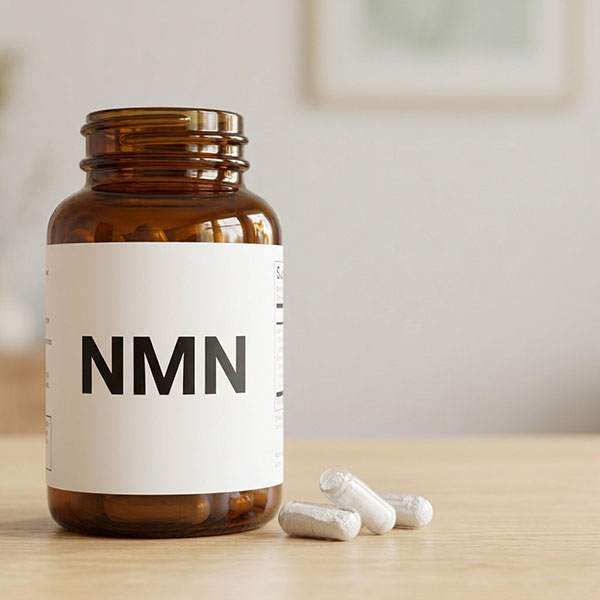
NMN Phospholipids Liposome Powder dramatically enhances absorption efficiency by encapsulating nicotinamide mononucleotide within phospholipid bilayers that mimic human cell membranes. This protective shield prevents enzymatic degradation in the digestive tract and facilitates direct cellular uptake through membrane fusion, bypassing traditional transport bottlenecks. Studies indicate that liposomal delivery can increase NMN bioavailability by 300-500% compared to standard formulations, ensuring more active compound reaches target tissues to support NAD+ biosynthesis and cellular energy production.
Introduction
In the past few years, there has been significant innovation in the longevity supplement market. NMN has become a leader in anti-aging research. Nicotinamide mononucleotide is a primary building block of NAD+ and is essential for DNA repair, cellular metabolism, and mitochondrial activity. However, traditional NMN supplements have a persistent problem: they are not bioavailable when taken by mouth, which limits their therapeutic potential.
Absorption efficiency isn't just a scientific term for procurement managers, original equipment manufacturers (OEMs), and wholesalers in the nutraceuticals industry; it has a direct effect on how well a product works, how happy customers are with it, and how it stands out in the market. People who buy high-end anti-aging products expect to see effects that they can measure. Because of this assumption, there is a need for advanced delivery methods that make the best use of ingredients.
Liposomal encapsulation is a revolutionary way to solve this bioavailability problem. Manufacturers can get much higher concentrations of active compounds into cells by mixing high-purity NMN with phospholipid vesicles. Concerns about dose standards, formulation stability, and competitive positioning in a health market that is becoming more sophisticated are all addressed by this technology.
Understanding NMN Phospholipids Liposome Powder
What Makes This Formulation Unique
At its core, NMN Phospholipids Liposome Powder is made up of very small balls where phospholipid molecules arrange themselves into two layers. This makes hollow vesicles that hold NMN inside their watery interiors. These phospholipids, which are usually made from non-GMO sunflower or soy lecithin, have a structure that is similar to human cell membranes. This means that they are biocompatible and easy for the body to identify.
High-pressure homogenization or thin-film hydration are some of the advanced methods used in the production process. Spray-drying or freeze-drying is then used to turn liquid liposomes into a stable powder. This powder form has clear benefits, including a longer shelf life without refrigeration, easier operations, and a wide range of formulation choices for finished goods.
The Science Behind Enhanced Bioavailability
Before it can get to the rest of the body's circulation, stomach acid and enzymes in the intestines quickly break down traditional NMN. The shape of the liposomes makes a barrier that protects the food while it moves through the stomach. Several absorption processes start working at the same time as the liposomes reach the intestinal wall.
Researchers have found that liposomes can bind directly to enterocyte membranes and release NMN inside cells without the need for specific transporter proteins. This passive absorption pathway gets around the SLC12A8 transporters' saturation limits, which is what standard NMN depends on. This lets higher doses get into the bloodstream more quickly.
Reconstituted liposomes usually have particles that are 100 to 300 nanometers in size. This is the best size for absorption in the intestines while keeping the particles stable in the bloodstream. When you use good formulas, the encapsulation efficiency stays above 85%. This means that most of the NMN stays physically trapped inside lipid disks instead of mixing with phospholipids.
Connection to NAD+ Production and Health Benefits
Thru the salvage pathway, NMN quickly changes into NAD+ inside cells after being taken in. Over 500 enzyme processes can't happen without this coenzyme. It's needed for energy metabolism thru oxidative phosphorylation and the activation of sirtuins, which are proteins that are linked to life and controlling metabolism.
Clinical findings show that improving NMN delivery leads to measurable changes in mitochondrial function. NMN Phospholipids Liposome Powder directly enhances this delivery by protecting NMN from degradation and improving cellular uptake, which helps cells make energy and fights tiredness that comes with getting older. Higher levels of NAD+ also turn on DNA repair systems, which may slow down the aging process of cells. These proven benefits make a strong value proposition for B2B clients making anti-aging formulas based on evidence.
Challenges with Regular NMN Absorption and How Liposomes Solve Them
Bioavailability Barriers in Conventional Supplements
When standard NMN powder or capsules are eaten, they go into dangerous surroundings right away. When the pH in the stomach is between 1.5 and 3.5, unprotected NMN breaks down and turns into nicotinamide before it can reach its target tissues. This breakdown greatly lowers the amount of active compound that can be used to make NAD+.
Enzymes in the intestines are another problem. Phosphodiesterases and other digestive proteins break down NMN, even if it survives stomach acid. Studies that compare plasma NMN levels after oral administration show that most standard formulations have bioavailability rates below 15%, which means that more than 85% of the dose is lost.
The fact that certain carrier proteins are needed causes another bottleneck. It's possible for SLC12A8 transporters to become saturated at higher amounts, which creates a ceiling effect where taking more by mouth doesn't increase absorption by the same amount. This limitation makes it hard to predict how well a drug will work and makes dose-response relationships more complicated.
Protective Advantages of Liposomal Encapsulation
The phospholipid bilayer acts as a molecular shield, keeping NMN from coming into contact with enzymes that break down proteins during digestion. This protection keeps the structure strong until the liposomes get to the small intestine, where they can be absorbed. Comparative studies show that NMN Phospholipids Liposome Powder versions keep more than 90% of their NMN content during simulated stomach conditions, while powder that isn't protected keeps less than 30%.
Besides protecting, liposomes also allow for different ways of intake. Direct transport inside cells is possible through membrane fusion, and some liposomes go through endocytosis, a process by which cells take in outside particles. These mechanisms get around the need for certain transporters, getting rid of saturation limits and allowing dose-response relationships to be linear.
Better cell uptake means that product makers can use the information more effectively. Therapeutic goals can be met with lower doses, which lowers the cost of raw materials and makes prices more competitive. Higher bioavailability also supports stronger claims of efficacy backed by measurable outcomes, setting products apart in supplement markets that are already very crowded.
Key Benefits of Using Liposomal NMN Powder for B2B Clients
Superior Bioavailability Drives Product Performance
Bioavailability is directly linked to customer happiness and the number of times a customer buys the same thing again. When customers see clear benefits, like more energy, better brain function, or faster healing, they become loyal supporters. NMN Phospholipids Liposome Powder delivery methods regularly show improvements in plasma NMN concentrations of 3 to 5 times greater than normal formulations, which supports these good results.
Premium positioning strategies are possible because of this performance advantage. Products with advanced shipping technology can be sold for more money, but they really are worth it because they give more with less. Even though the raw materials are more expensive, a 250mg NMN Phospholipids Liposome Powder tablet may give the body the same amount of contact as 750–1000mg of regular NMN. This makes it cost-effective.
Versatile Applications Across Product Categories
The powder shape gives OEMs and contract manufacturers a lot of freedom in how they make their products. Mixing it easily with water makes ready-to-drink drinks, making protein powders for sports nutrition, or putting it in vegetarian capsules for traditional supplement formats. This flexibility lets brands match product shapes to target groups and how people like to use them.
Stability improvements also extend the shelf life of finished goods. When kept properly, the dry powder form doesn't absorb much water, so it stays effective for 24 to 36 months at room temperature. This extended stability cuts down on waste, makes managing inventory easier, and allows for international shipping without the need for a cold chain, all of which are important factors for purchasing in bulk at a low cost.
Safety Profiles and Responsible Dosing
Phospholipids, which are used in NMN Phospholipids Liposome Powder products, have been safely used for decades and are generally recognized as safe (GRAS) by regulatory bodies. The fatty parts are the same as food lecithin, so they don't cause many allergic reactions in people who aren't sensitive to soy or sunflowers. This safety profile makes it easier for regulators to give their approval in many markets.
NMN Phospholipids Liposome Powder is usually taken in doses of 150 mg to 500 mg per day, but higher amounts can be used in some protocols for living longer when supervised by a doctor. Because it is more bioavailable, smaller amounts are needed to achieve therapeutic goals. This lowers the cost per serving and makes it possible to set prices in a way that is appealing. This dose economy means better earnings and a competitive edge for B2B buyers.
How to Evaluate and Source Quality Liposomal NMN Powder
Critical Quality Indicators for Procurement
When looking at different providers, the most important technical factor is how well the capsules are sealed. Request certificates of analysis that show EE values that are consistently above 85% and have been checked using approved testing methods. This metric proves that NMN is really encapsulated and not just mixed with phospholipids, which is a key difference that determines how well the product works.
Another important quality indicator is particle size distribution research. Dynamic light scattering or similar methods can show that the best liposomes are between 100 and 300 nm in size when they are regenerated. Too big of particles mean bad quality control during production and less effective absorption, while too small of particles might not be stable during storage.
Zeta potential measurements show that the suspension is stable. When absolute values are higher than ±30mV, it means that particles are strongly repelling each other electrostatically, which keeps them from sticking together and keeps the distribution regular. This stability makes sure that the dose is the same across runs of products and throughout the shelf life, which is important for keeping the brand's image and customers' trust.
Certifications and Compliance Requirements
Suppliers you can trust have full quality systems that are approved to international standards. Getting ISO 9001 certification shows that you are dedicated to quality management, and HACCP plans and food safety protocols keep you safe from the risk of contamination. For goods that are verified as organic, USDA or EU organic certifications from recognized organizations like NASAA make sure that the supply chain is honest from the farm to the finished powder.
Independent confirmation of label claims comes from testing by a third party. Look for sellers who send batches to approved labs regularly for HPLC testing for NMN purity, tests for microbes, heavy metals, and pesticide residue. Being open about test results shows that you trust the quality of the product and care about customer safety.
Inspections of manufacturing facilities can teach you a lot about how they work. Suppliers with cGMP-certified facilities show that they follow the rules for making pharmaceuticals. Site visits or checks by a third party can confirm the level of sophistication of the equipment, the cleanliness of the cleanroom, and the level of training of the staff, all of which have a direct effect on the uniformity of batches.
Strategic Sourcing Considerations
To judge a price, you need to know more than just how much it costs per kilogram. Figure out the best price based on how bioavailable the product is. For example, a seller of NMN Phospholipids Liposome Powder that charges three times as much as regular NMN may offer better value if it absorbs five times as much. Total formulation costs, which include fewer active ingredients needed, tend to favor premium materials.
Reliability in the supply chain is a big factor in buying choices. When suppliers keep stores overseas in important markets like the US, they can offer faster delivery, lower shipping costs, and easier customs processes. A US warehouse that's 3,000 square feet and keeps its stock at a steady level shows that it has the space to support growing brands without having to stop supplying them.
The ability to provide technical help sets special sellers apart from commodity vendors. Partners who help with formulation, stability tests, and legal paperwork are more valuable than just raw materials, especially when they offer advanced ingredients like NMN Phospholipids Liposome Powder that require specialized handling and integration expertise. This way of working together cuts down on the time it takes to make a product and the risks that come with composition or safety problems.
Future Trends and Innovations in NMN Liposomal Delivery
Emerging Technologies Enhancing Stability
New advanced encapsulation methods are always being developed to make liposomes work better. Nano-encapsulation technologies are making particles even smaller while keeping their cargo capacity. This could lead to transport methods like percutaneous or sublingual. These new ideas could be used for more than just oral supplements. They could also be used in cosmetics and drug research.
Early study on hybrid transport systems that use liposomes along with extra protective matrices shows promise. When liposomes are coated with polysaccharides or proteins, this is called dual-layer encapsulation. It may give you longer-lasting effects and better stability in the digestive tract. Such technologies could allow for a single daily dose that would keep NAD+ levels high all day.
Market Growth and Strategic Opportunities
The global NMN market is growing very quickly. By 2030, it's expected to have compound annual growth rates of over 30%. This growth is caused by more people learning about how to live longer, more research proving the biology of NAD+, and changes in the population that make older people value healthspan optimization. Professionals in procurement who place portfolios with cutting-edge delivery technologies have a good chance of reaching premium market groups.
Our consumers are becoming smarter and smarter, and they are constantly looking for formulas that show better bioavailability. This trend makes it more likely for suppliers to put money into their own products and research trials. When brands work with new makers, they get access to cutting-edge formulations that put them at the top of the market, giving them a competitive edge.
Regulatory landscapes for NAD+ precursors are slowly becoming clearer, with uniform testing methods and quality rules starting to appear. As frameworks become more solid, suppliers who take a proactive approach to compliance and take part in industry standard-setting efforts will gain from easier access to markets and less governmental uncertainty.
Conclusion
The change from standard NMN to NMN Phospholipids Liposome Powder delivery is a huge step forward in how well and how quickly supplements work. In order for B2B users to make smart buying decisions in the competitive longevity market, they need to understand how absorption works and what quality standards are. NMN Phospholipids Liposome Powder solves important problems in the industry, like low bioavailability, problems with stability, and inefficient dose delivery, while also allowing premium product positioning. Demand for anti-aging products based on science is growing quickly. To meet this demand, companies need to form relationships with suppliers who can provide cutting-edge technology, high-quality manufacturing, and full support.
FAQ
Q1: What is the typical dosage range for liposomal NMN powder?
NMN Phospholipids Liposome Powder doses should be between 150 mg and 500 mg per day, but higher amounts may be used in some programs under medical care. Liposomal formulations work better than standard NMN because they are more bioavailable. This means that lower doses are needed to get therapeutic effects. When deciding on serving amounts, brands should try for stability and think about the people they want to reach.
Q2: How does liposomal NMN differ from nicotinamide riboside?
Both act as sources for NAD+, but they are broken down in different ways. Nicotinamide riboside needs more enzyme steps to be changed, but NMN can be changed more quickly through the salvage pathway. NMN Phospholipids Liposome Powder encapsulation especially solves NMN's problems with absorption, providing solubility benefits that may make it a better choice for some uses. The choice relies on the goals of the design, the claims that are being made, and the cost.
Q3: What certifications should suppliers provide?
Suppliers of good quality should keep their ISO 9001 certification, cGMP compliance, and any organic certificates that are needed. Third-party lab tests from approved labs should use HPLC to determine the purity of the NMN, check the effectiveness of the encapsulation, measure the amounts of microbes, and look for heavy metals and other contaminants. For procurement confidence, you need certificates of analysis that are specific to each batch and show that the quality is the same across all production runs.
Partner with BIOWAY for Premium NMN Phospholipids Liposome Powder
BIOWAY has been making NMN Phospholipids Liposome Powder for over 15 years and is a trusted company that serves customers all over the world. Our 50,000-square-meter, state-of-the-art facility uses advanced liposome technology and pharmaceutical-grade quality systems to make formulations that consistently achieve encapsulation efficiency above 90% and particle sizes that are best for maximum absorption.
Our many certifications, such as ISO 9001 quality management systems, USDA and EU organic credentials from NASAA, and BRC certification from SGS, show that we are always striving for excellence. From our 100-hectare organic fields to the final packing, we make sure that every batch meets the highest international standards by following strict HACCP rules and running programs to stop food fraud.
As a top NMN Phospholipids Liposome Powder supplier, we offer flexible bulk buying, custom formulation development, and OEM/ODM services that are made to fit the needs of your brand. Our 3,000-square-foot US warehouse makes it easy to ship to markets in North America, and our R&D team helps with technology issues as products are being made. Email our team at grace@biowaycn.com to get samples, talk about your unique buying needs, and find out how our liposomal knowledge can help your product line. You can look at our whole selection of new organic items at biowayorganicinc.com.
References
1. Yoshino, J., Mills, K. F., Yoon, M. J., & Imai, S. (2011). Nicotinamide mononucleotide, a key NAD+ intermediate, treats the pathophysiology of diet- and age-induced diabetes in mice. Cell Metabolism, 14(4), 528-536.
2. Poddar, S. K., Sifat, A. E., Haque, S., Nahid, N. A., Chowdhury, S., & Mehedi, I. (2019). Nicotinamide mononucleotide: exploration of diverse therapeutic applications of a potential molecule. Biomolecules, 9(1), 34.
3. Shade, C. W. (2016). Liposomes as advanced delivery systems for nutraceuticals. Integrative Medicine: A Clinician's Journal, 15(1), 33-36.
4. Mills, K. F., Yoshida, S., Stein, L. R., Grozio, A., Kubota, S., Sasaki, Y., & Imai, S. (2016). Long-term administration of nicotinamide mononucleotide mitigates age-associated physiological decline in mice. Cell Metabolism, 24(6), 795-806.
5. Akbarzadeh, A., Rezaei-Sadabady, R., Davaran, S., Joo, S. W., Zarghami, N., Hanifehpour, Y., & Nejati-Koshki, K. (2013). Liposome: classification, preparation, and applications. Nanoscale Research Letters, 8(1), 102.
6. Rajman, L., Chwalek, K., & Sinclair, D. A. (2018). Therapeutic potential of NAD-boosting molecules: the in vivo evidence. Cell Metabolism, 27(3), 529-547.
Contact Us
Grace HU (Marketing Manager) grace@biowaycn.com
Carl Cheng ( CEO/Boss ) ceo@biowaycn.com
Website: www.biowaynutrition.com
Post time: Sep-15-2026


