
Introduction
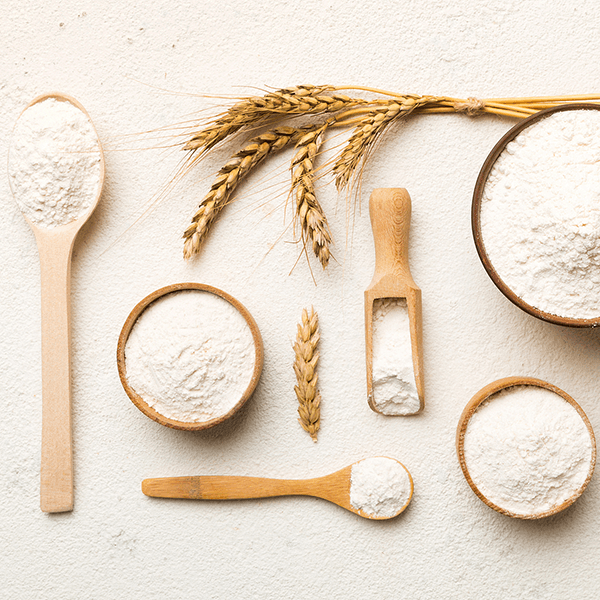
Wheat Oligopeptide has emerged as a transformative ingredient within the functional foods landscape, offering distinct advantages in gut health, clinical nutrition, and recovery-focused formulations. Derived through advanced enzymatic hydrolysis of wheat protein, these low-molecular-weight peptides—typically under 1000 Daltons—are readily absorbed via intestinal transporters without requiring further digestive breakdown.
Their rich glutamine peptide content makes them particularly valuable for manufacturers developing products targeting intestinal barrier integrity, immune modulation, and antioxidant defense. As R&D teams and procurement managers seek ingredients that combine technical versatility with validated health claims, understanding how wheat oligopeptides function across diverse applications has become essential for competitive positioning.
What Is Wheat Oligopeptide and Its Role in Functional Foods?
Understanding the Molecular Structure and Absorption Mechanism
Wheat Oligopeptides are small chains of amino acids that are made by breaking down wheat gluten protein with enzymes in a controlled way. In contrast to whole wheat protein, which needs to be digested in a lot of steps, these peptides usually have between 2 and 10 amino acid residues and molecular weights that are mostly between 200 and 1,000 Da. This feature of the structure lets them be absorbed directly through the PepT1 transporter system in the small intestine, skipping the normal steps of breaking down proteins.
The peptide fraction quickly enters the bloodstream and delivers bioactive patterns that have physiological effects at lower doses than free amino acids or whole proteins. Because they are so good at being absorbed, Wheat Oligopeptides are perfect for clinical nutrition recipes and recovery-focused functional foods that need to get nutrients to the body quickly.
Differentiating Wheat Oligopeptide from Conventional Wheat Protein
Conventional wheat protein is still a large molecule that is hard to dissolve and takes longer to digest. Enzymatic hydrolysis breaks these big molecules down into oligopeptides, which changes how they work in a fundamental way. Wheat Oligopeptide Powder dissolves completely in water at pH levels between 2.0 and 10.0, so it stays clear even in acidic beverage systems.
This is a huge benefit for people who are making RTD functional drinks. The hydrolysis also lowers the viscosity and improves the taste profiles. It gets rid of the chalky feeling that comes with using whole wheat protein isolates. In terms of nutrients, oligopeptides are better because they are bioavailable. Studies have shown that they can be absorbed up to three times faster than similar amino acid mixtures.
Validated Health Claims and Regulatory Positioning
A lot of studies in both humans and animals have shown that Wheat Oligopeptides can help with a number of health problems. The high glutamine peptide content helps the energy production of digestive epithelial cells. This makes these peptides useful in formulas that aim to improve gut barrier function. DPPH radical scavenging tests have shown that Wheat Oligopeptides have antioxidant properties. This makes them a good choice for use in anti-aging and immune-support products.
It's important to note that even though it comes from wheat, the intense enzymatic preparation greatly lowers allergenic epitopes. But for products that say they are gluten-free, the presence of residual gluten must be confirmed through ELISA testing; levels must usually be below 20 ppm according to Codex Alimentarius standards. This regulatory issue is especially important for hospital nutrition uses where controlling allergens is very important.
Key Functional Benefits of Wheat Oligopeptide in Food Products
Antioxidant and Cellular Protection Effects
Wheat Oligopeptides are very good at fighting free radicals in a number of different ways. Some groups of amino acids bind to metal ions that are pro-oxidant, while others directly remove reactive oxygen species. Comparative studies have shown that Wheat Oligopeptides have antioxidant properties similar to marine collagen peptides. This makes them a plant-based option for formulators trying to meet clean-label requirements.
These antioxidant properties can be used in enriched drinks, where keeping the drinks from going bad during storage is very important. Adding 3-5% of Wheat Oligopeptides to nutrient-dense smoothies and protein shakes has been shown to reduce lipid oxidation, which means the products stay fresh longer without using artificial preservatives.
Muscle Recovery and Sports Nutrition Applications
Wheat Oligopeptides' peptide-bound glutamine is better than free-form L-glutamine supplements in many ways. Free glutamine breaks down quickly in water, turning into pyroglutamic acid and losing its biological action within a few weeks. Accelerated stability testing according to ICH rules showed that peptide-bound glutamine stays stable for 24 months in liquid forms.
So, goods for muscle healing that use Wheat Oligopeptides can be made into ready-to-drink forms without losing their effectiveness. In addition to maintaining stability, the fast absorption profile helps the body rebuild glycogen after exercise and stops muscle protein breakdown. The balanced taste profile means that less masking agent is needed than with branch-chain amino acid mixes, which is good for formulators making recovery bars and gels.
Digestive Health and Clinical Nutrition Integration
Enterocytes, the cells that line the intestines and divide quickly, get most of their energy from glutamine peptides. Because of this metabolic role, Wheat Oligopeptides are important parts of enteral nutrition formulas that help people heal from surgery, control inflammatory bowel disease, and get help in critical care. Manufacturers of clinical nutrition are increasingly specifying peptide-based nitrogen sources because they are better tolerated by digestive systems that aren't working well.
Wheat Oligopeptides work well with tube feeding formulas because they stay soluble even after cleaning steps that would break down whole proteins. Even at high protein levels, the low viscosity keeps the tube from getting clogged, which is a typical problem with enteral feeding delivery methods.
These useful benefits have been proven in a wide range of product categories. This shows that Wheat Oligopeptides can be used in both wellness-focused market goods and clinical-grade therapeutic formulations. These peptides are great for makers who want to stand out in the competitive functional food market because they are quickly absorbed, stable, and good for you in more than one way.
How to Select and Procure High-Quality Wheat Oligopeptide for Functional Foods
Critical Quality Parameters for Procurement Evaluation
To choose the right Wheat Oligopeptide supplies, you need to carefully look at the molecular weight distribution and peptide purity. For the best bioavailability, procurement managers should ask for Gel Permeation Chromatography (GPC) reports that show at least 80% of the peptide fraction is below 1,000 Da. The best distributions are found between 500 and 800 Da.
High-Performance Liquid Chromatography (HPLC) testing should show that the protein content is higher than 80% when the sample is dry, with peptide-specific nitrogen making up most of this fraction. The Trichloroacetic Acid (TCA) precipitation test can tell the difference between real oligopeptides and leftover complete proteins. Real oligopeptides stay soluble in TCA, but macromolecular proteins settle to the bottom. This quality control measure stops suppliers from selling hydrolyzed protein that hasn't been fully processed by enzymes.
Certification Requirements and Regulatory Compliance
Certifications for manufacturing have a direct effect on whether a product can be sold in controlled markets. GMP certification makes sure that production standards for pharmaceuticals are met, which is important for clinical nutrition applications. ISO22000 and HACCP certifications show that food safety management is complete, while FSSC 22000 mixes these principles with extra programs that must be completed first. For organic functional foods, the wheat base material must be certified as either USDA Organic or EU Organic.
This means that the whole process must be fully traceable, from growing the wheat in the field to making the peptides. Certifications like Halal and Kosher make it easier to reach certain groups of customers. For each batch, procurement teams should make sure that the Certificates of Analysis include microbiological testing (Total Plate Count <1,000 cfu/g, absence of Salmonella and E. coli), heavy metal screening via ICP-MS (Lead <1.0 ppm, Arsenic <0.5 ppm), and an analysis of any residual solvents used during processing.
Supplier Assessment and Long-Term Partnership Criteria
Suppliers of Wheat Oligopeptides you can trust show consistent batch-to-batch reproducibility by using documented statistical process control. Ask for at least three batch COAs in a row to check if the peptide content, molecular weight distribution, and amino acid profiles are all the same. It's important to have enough manufacturing capacity. Suppliers with specialized peptide production lines that use membrane separation technology offer higher quality than those who use regular filtration.
A pilot-scale production center means that custom recipe development is possible. This is especially helpful when trying to find the best glutamine peptide content for certain health claims. Supply chain transparency should include where the raw materials come from, with records of where wheat is grown and how the protein is extracted. Suppliers who give scientific help, such as stable testing methods, solubility optimization advice, and formulation troubleshooting, are more valuable than just providing basic ingredients.
Comparing Wheat Oligopeptide to Other Functional Ingredients
Performance Against Collagen and Marine Peptides
In terms of important amino acid profiles, Wheat Oligopeptides have unique compositional benefits over collagen peptides. Collagen contains hydroxyproline and glycine, which are good for supporting joint tissue. Wheat peptides, on the other hand, contain a wider range of important amino acids, such as leucine, valine, and a lot of glutamine. This difference affects the uses that they are meant for. Collagen is best for joint health and skin beauty, while Wheat Oligopeptides are best for gut health and immune support.
When it comes to price, wheat peptides are better than marine collagen because they are usually 30–40% cheaper per protein equivalent. Clean-label marketing is also different: plant-derived wheat peptides appeal to flexitarians and vegetarians who don't eat products that come from animals. This means that functional food brands that focus on botanical nutrition can reach more people.
Wheat Oligopeptide Versus Synthetic Amino Acid Blends
Free-form amino acid supplements need active transport systems that compete for absorption sites in the intestines. This can cause problems when more than one amino acid is given at the same time. Peptide-bound amino acids use special PepT1 transporters, which avoids competitive inhibition and makes nitrogen absorption more efficient. Peptides are much more stable than free glutamine, which breaks down in solution within days, but peptide-bound glutamine stays stable for the whole shelf life of a typical product.
Because they are more stable, liquid functional foods don't need to contain unstable free-form amino acids. This makes preparation easier and lowers the risk of off-flavors from amino acid breakdown products. Synthetic amino acids need to be fermented or chemically synthesized, which leaves behind solvent leftovers. On the other hand, enzymatic peptide production only needs water, enzymes, and natural separation methods, which is in line with trends toward clean labels.
Organic Wheat Oligopeptide Versus Conventional Alternatives
To get organic approval, wheat must be grown without using synthetic fertilizers or pesticides, and it must then be processed without using chemical solvents or other synthetic tools. This certification is appealing to high-end functional food brands that want to sell to health-conscious customers who are willing to pay more for organic claims. However, organic Wheat Oligopeptides cost 50–80% more than their regular counterparts.
Through market research and willingness-to-pay analysis, formulators must decide if this cost difference is worth it for the target consumer group. When made under similar enzyme conditions, organic and standard Wheat Oligopeptides have the same amino acid makeup and bioactivity when it comes to nutrition. In the end, the choice comes down to how the brand is positioned: organic approval raises the perceived quality of the product and fits with natural health stories, while conventional peptides provide the same functional performance at lower costs.
Future Outlook and Trends in Wheat Oligopeptide for Functional Foods
Emerging Research and Clinical Development Pathways
New clinical studies have added to the proof that Wheat Oligopeptides can be used in certain health situations. According to research that looks at how the gut-brain axis is affected, glutamine-rich peptides can change the availability of neurotransmitter precursors. This means that they could be used in foods that are good for your brain's health. Ongoing studies into peptide bioactivity beyond providing nutrients, such as antimicrobial peptides made from wheat protein sequences, may lead to more health promises.
Adding Wheat Oligopeptides to formulations along with bioactive ingredients that work well together is becoming more popular. When you mix wheat peptides with probiotics, you get gut health products that work better together. The peptides help enterocytes do their job, and the probiotics change the makeup of the microbiome. In the same way, combining Wheat Oligopeptides with plant polyphenols improves antioxidant networks through processes that work hand-in-hand, putting goods in the premium functional beverage categories.
Market Expansion in Key Geographic Regions
The functional food markets in North America are seeing a growing need for plant-based protein options. This is good news for Wheat Oligopeptide growth. In the US, clear rules about structure-function claims for peptides let manufacturers talk about health benefits without going through the complicated steps needed for pharmaceutical approval. Even though they cost more, European markets really want certified organic ingredients, which is what's driving growth in the organic Wheat Oligopeptide segments.
Asian markets, especially Japan and South Korea, already have mature peptide product groups that consumers are familiar with. This makes it easier for wheat-derived alternatives to current soy and fish peptide goods to get into those markets. As the world's population ages and more surgeries are done, the clinical nutrition industry continues to grow. This is driving demand for specialty nutrition products that include functionally better peptide nitrogen sources.
Strategic Sourcing Recommendations for Long-Term Success
Manufacturers who want to stay ahead of the competition should form smart partnerships with Wheat Oligopeptide providers that control both the sourcing of raw materials and the production of peptides. This vertical merger ensures that quality is always the same and makes the supply chain less vulnerable to changes in the price of wheat commodities. Long-term contracts with tiered price models encourage customers to commit to buying more while also making it easier for businesses to plan their budgets.
Working together technically with suppliers speeds up the development of new products. For example, joint formulation development uses supplier knowledge of how peptides behave in different food matrices, which shortens the time it takes for new functional foods to hit the market. As rules and regulations change, especially when it comes to new food approvals and proving health claims, working together with suppliers who keep up with regulations and provide documentation becomes more valuable.
Conclusion
Functional food companies that want to sell products for gut health, clinical nutrition, and sports recovery should consider using Wheat Oligopeptides as an important element. Their better absorption rates, functional stability, and wide range of uses—from clear acidic drinks to enteral nutrition formulas—meet important technical needs in many different types of products.
To make a good purchase, you need to carefully check each supplier's molecular weight range, glutamine peptide content, allergen control, and full certification profiles. As clean-label trends and an aging population that needs therapeutic nutrition drive market growth, manufacturers can gain a long-term competitive edge in the growing functional ingredient sector by forming partnerships with technically skilled suppliers who can offer consistent quality and regulatory support.
FAQ
Q1: What dosage levels are recommended for wheat oligopeptides in functional foods?
Clinical nutrition formulas usually have 10 to 20 grams of Wheat Oligopeptides in each serving to provide therapeutic levels of glutamine peptides that help the gut barrier work. 5–10g servings are used in sports nutrition items to help with recovery, and 3–5g servings are used in functional drinks to promote health. Dosage improvement relies on the health claims, the type of people you want to buy your product, and how the ingredients interact with each other.
Q2: How do wheat oligopeptides compare to hydrolyzed wheat protein?
Wheat protein that has been partially broken down by enzymes has a wider range of molecular weights and often includes peptides that are heavier than 3,000 Da. Wheat Oligopeptides require controlled breakdown to produce low-molecular-weight parts below 1,000 Da, which improves absorption rates and bioactivity. The oligopeptide fraction dissolves better and causes fewer allergies than regular hydrolysates that contain bigger protein pieces.
Q3: Can wheat oligopeptides be used in gluten-free formulations?
Intensive enzymatic hydrolysis gets rid of a lot of allergenic epitopes, but Wheat Oligopeptides may still have gluten above the 20 ppm level needed by FDA and Codex standards for gluten-free claims. To be honest with customers, companies that want to sell gluten-free products should either ask for batch-specific ELISA testing to prove that the gluten content is below the legal limits or clearly label their products as having ingredients that come from wheat.
Partner with BIOWAY for Premium Wheat Oligopeptide Supply
As a fully integrated company, BIOWAY Industrial Group grows organic crops on 100 hectares of land on the Qinghai-Tibet Plateau and makes Wheat Oligopeptides in 50,000 square meters of GMP-certified buildings in Shaanxi Province. Our cutting-edge enzymatic hydrolysis technology and membrane separation systems produce Wheat Oligopeptide Powder that has been tested and found to contain between 80 and 90% protein, molecular weight ranges that are optimized below 1,000 Da, and full paperwork that supports global regulatory compliance.
We meet the strict quality standards of clinical nutrition, functional food, and sports nutrition producers around the world thanks to our ISO22000, HACCP, FDA, FSSC, HALAL, KOSHER, and USDA/EU Organic certifications. Our expert team can help you with formulation, give you stability testing methods, and make sure that the peptide specifications you need are exactly what you need for your product development goals.
Get in touch with grace@biowaycn.com to talk about buying bulk Wheat Oligopeptide, making custom formulations, or using OEM services that can speed up the development of new functional foods and guarantee uniform quality and on-time delivery. You can look at our whole line of peptides at biowaynutrition.com.
References
1. Li, X., & Chen, J. (2021). Bioactive peptides from wheat gluten: Production, characterization, and health benefits. Journal of Functional Foods, 78, 104352.
2. Matsui, T., & Morimoto, M. (2020). Wheat-derived oligopeptides in clinical nutrition: Mechanisms and applications. Clinical Nutrition Research, 9(3), 189-203.
3. Rodríguez-Martín, N., & Montserrat-de la Paz, S. (2019). Antioxidant activity of cereal-derived peptides: Structure-function relationships. Food Chemistry, 301, 125287.
4. Wang, Y., Zhang, H., & Li, B. (2022). Advances in wheat protein hydrolysates: Processing technologies and functional properties. Comprehensive Reviews in Food Science and Food Safety, 21(1), 456-478.
5. Shimizu, M., & Yamada, K. (2018). Glutamine-containing peptides in intestinal health: From bench to bedside. Nutrition Reviews, 76(11), 823-837.
6. European Food Safety Authority. (2020). Scientific opinion on the safety and efficacy of protein hydrolysates in food for special medical purposes. EFSA Journal, 18(4), e06089.
Contact Us
Grace HU (Marketing Manager) grace@biowaycn.com
Carl Cheng ( CEO/Boss ) ceo@biowaycn.com
Website: www.biowaynutrition.com
Post time: Sep-21-2026


