
Introduction
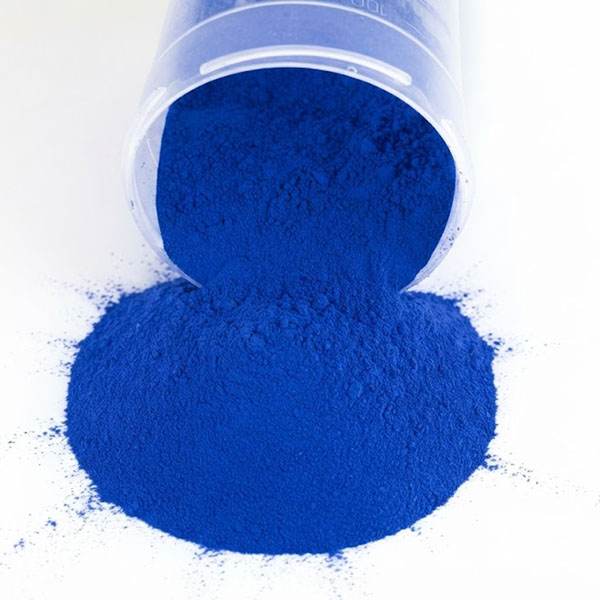
Organic phycocyanin transforms natural food coloring by delivering an intense, stable blue pigment extracted from spirulina with a color value exceeding 360 units and a 55% protein concentration. Unlike synthetic alternatives, this pigment-protein complex offers dual functionality as both a vibrant colorant and a bioactive ingredient with proven antioxidant properties. Its compatibility across diverse processing conditions, combined with certifications meeting strict regulatory standards, positions it as the premier solution for manufacturers seeking clean-label innovation without compromising visual appeal or product integrity.
Understanding Organic Phycocyanin and Its Importance in Food Coloring
As labels become clearer around the world, there is a big demand for natural colourants that don't lose their effectiveness. This blue pigment comes from approved organic spirulina that was grown under controlled conditions. It is a big step forward for product designers who are trying to find alternatives to manufactured dyes.
The Chemical Composition Behind Superior Performance
The molecular structure of Phycocyanin includes phycocyanobilin chromophores that absorb light at 618–620nm. This gives products the bright blue colour that people usually associate with high-quality goods. At BIOWAY, our strict specifications show this by measuring the colour value very carefully, with readings always above 360 units at 10% concentration. The protein matrix around these chromophores gives them stability that man-made colourants can't match, especially during the heating and cooling cycles that are common in pasteurising drinks and baking.
There are more quality factors than just looking at something. The purity ratio (A620/A280) being above 2.0 means that there isn't much pollution from other spirulina proteins, so the performance is the same from batch to batch. This level of technical accuracy is very important for formulators who need to go from small test batches to large industrial production amounts of thousands of kilograms per month.
Organic Certification Ensures Traceable Quality
It's very important to stress the difference between regular extraction methods and certified organic ones. Our 100-hectare farm on the Qinghai-Tibet Plateau grows crops according to USDA NOP and EU Organic standards. This means that there are no chemical residues, herbicide contamination, or GMO worries that come with regular supply lines. Before coming into our 50,000-square-meter GMP-certified production center in Shaanxi Province, each harvest is checked by a third party.
The way the bioactives are extracted keeps their integrity. Instead of chemical solvents, we use physical membrane separation, which keeps us from having problems with residues that make regulatory submissions harder. Instead of manufactured carriers, the stabilisation matrix uses organic trehalose. This keeps the clean-label positioning that is important for building a premium brand. Documentation lines go from the field to the finished product, meeting the needs of pharmaceutical businesses and foreign wholesalers who have to deal with complicated customs processes for tracking.
Nutritional Benefits Beyond Coloration
Colour delivery is what drives initial acceptance, but this pigment's functional qualities make it more valuable in other ways. Through ORAC values and free radical scavenging assays, clinical research shows antioxidant activity similar to that of well-known botanical extracts. The metabolism of phycocyanobilin has anti-inflammatory effects that can help formulators make goods that meet health trends that go beyond basic nutrients.
With a minimum protein content of 55%, this ingredient goes from being just a colourant to being a useful part of sports nutrition products and meal replacement drinks. Plant-based protein blends work better with amino acid profiles, which backs up claims of clean labels and adds important nutrients. This ability to serve two purposes explains higher prices for brands that want to attract health-conscious customers who are willing to pay more for products that actually work.
Limitations of Traditional Food Coloring Methods and How Organic Phycocyanin Offers a Superior
Alternative
More and more people and government agencies are putting pressure on synthetic colourants. Brilliant Blue FCF and other colours made from petroleum are linked to hyperactivity and allergy risks that hurt the image of the brand. Regulatory landscapes are always changing. For example, European authorities are very strict about daily intake limits and require warning labels in some situations.
Stability Challenges in Conventional Natural Blues
Alternative natural blues have let down product developers in the past. Gardenia blue products are hard to work with and don't always give the right shade strength. The colours in butterfly pea flowers fade quickly in light, and the pH level of fruit juice changes, which happens a lot. Because of these rules, makers had to choose between clean labels and good product quality.
During retort sterilisation and aseptic processes, temperature sensitivity is a big problem. Many natural dyes break down above 75°C, which means you have to pay a lot of money to cold-fill or accept that the colour will fade over time. Our application laboratory tests show that mixtures that contain our product with fructose stabilisation keep more than 85% of their colour after being heated to 85°C for 15 seconds, which is something that most plant colourants can't do.
pH Versatility Across Application Categories
Most food materials can work with a pH range of 4.5 to 8.0 without the need for special balancing systems. Formulators like this because it lets them make a range of products, from acidic sports drinks (pH 3.2–3.8) to neutral dairy alternatives (pH 6.8–7.2). The best stability is near pH 6.0, but the colour retention is good enough for 90% of commercial uses across a range.
Real-world support comes from working with clients in the dairy, candy, and beverage industries. When a functional beverage maker switched from using FD&C Blue No. 1, they still met their visual goals when they used our powder at inclusion rates of 0.02% to 0.04%. Ice cream makers say their products are very stable when they freeze and thaw, and the colours don't move into other products during distribution. These application wins, which were recorded by our technical service team, show that the technology can be used in real-life situations, not just in the lab.
Allergen-Free Status Opens Market Opportunities
The non-allergenic profile gets rid of the labelling problems that come with using carmine (which comes from insects) or annatto (which comes from tree nuts and causes cross-reactivity issues). Organic Phycocyanin fits seamlessly here as a clean-label alternative that shares these safety benefits while adding a vibrant natural blue hue.
Spirulina is considered a novel food in Europe and has GRAS status in the US. This makes the approval process faster and easier than for new botanical colourants that need long safety dossiers. Halal and Kosher approvals meet religious dietary needs without requiring special handling procedures. This makes it easier for co-manufacturing sites that work with a wide range of brands to plan their production schedules.
Key Advantages of Organic Phycocyanin for B2B Procurement and Product Development
When purchasing managers look at natural colourant changes, they have to balance cost structures with quality assurance and supply stability, which can be hard. Choosing the right provider is important for long-term success because the choices you make today will affect your product lines for years to come.
Certification Portfolio Satisfies Global Compliance
Our full suite of certifications meets the needs of a wide range of foreign markets and application types. The ISO22000 food safety management system is the base, and the HACCP procedures cover important control points from receiving raw materials to releasing produced goods. The BRC certification meets the needs of retailers in the UK and Northern Europe, while the FSSC 22000 certification meets the needs of global company audit standards.
Scalable Supply Meets Growing Volume Requirements
Planning production capacity can be hard when the demand for natural ingredients rises faster than the agricultural supply chains can adapt. These risks are lessened by the fact that we are vertically integrated from production to harvest. The 100-hectare organic farm grows enough spirulina biomass to support Organic Phycocyanin production of more than 50 metric tonnes per year, and permission has already been given to add more land.
Ten specialised production lines give you options for different levels of clarity and forms that are best for certain uses. Three vertical extraction tanks are used for normal food-grade production, and high-purity equipment is set aside for pharmaceutical clients who need stricter standards. This infrastructure lets us handle orders ranging from 25-kilogram test batches for new brands to multi-ton contracts to support national product launches, so we can meet the needs of all of our different customer groups.
Our 3,000-square-meter US warehouse cuts wait times for customers in North America from 30 to 45 days for ocean freight to 3 to 5 days for local shipping. Strategies for placing inventory make sure that there is enough stock to meet average demand for 45 days. This protects against problems with logistics and lets you respond quickly to sudden orders during busy times.
Multifunctional Properties Extend Value Beyond Coloration
Product development teams are looking for ingredients that can do more than one thing for the product within the limits of the label. The antioxidant potential of 15,000 or more ORAC units per gram backs up marketing promises about protecting cells and promoting health. Cosmetic formulators use these same properties in anti-aging serums and skin-soothing products. This gives distributors who work with both the food and personal care industries new ways to use their products.
The high protein level opens up new ways to make plant-based foods, since each item needs to provide macronutrients and functional benefits. Sports nutritionists mix our powder into protein shake mixes to give them natural colour and help customers reach their 20–25 gram protein goals. This ability to do more than one thing makes cost-in-use numbers better when compared to manmade dyes that are only used for one thing and need extra ingredients to get the same nutritional profiles.
How to Choose the Right Organic Phycocyanin Supplier for Your Business Needs
Picking a supplier affects more than just price and delivery times. Over the course of a product's lifespan, the relationship affects its ability to consistently improve quality, make sure it follows the rules, and come up with new ideas. Systematic evaluation of practical, technical, and strategic aspects is needed to rate possible partners.
Critical Evaluation Criteria for Supplier Assessment
Verification of certification is the first step, but it shouldn't be the last. Instead of depending on copies of certificates, ask certification groups for up-to-date audit reports to make sure that no outstanding non-conformances threaten the integrity of the product. Organic Phycocyanin production, for instance, demands particular attention to these audit details, as its purity and stability are highly sensitive to processing conditions. Documentation about a company's ability to make things should include specifics about the tools they use, like how they remove materials and the analysis tools they use for quality control.
Strategic partners are different from product providers because they can provide technical services. Our research and development team has more than 15 years of experience between them in botanical extraction and food science. They help clients with formulation issues that come up in specific applications. This includes dosage suggestions that are best for achieving the desired colour strength across a range of pH levels, ratings of the processing conditions that show how stable the colour will be in the specific thermal profiles of each client, and help with fixing problems when unexpected interactions happen between formula components.
Being clear about the supply line builds trust in its consistency. Purchasing teams can take tours of both our cultivation center and production operations to get a better idea of how we grow crops, how we remove oils, and how we make sure the quality of our products. Client examples from similar application areas back up what the provider says about performance and dependability.
Flexible Commercial Terms Support Innovation Cycles
Minimum order quantities make it hard for new brands to test market ideas before committing to making a lot of them. We can handle research amounts starting at 1 kilogram for the first viability tests. As volumes rise through the commercialisation phases, price structures will adjust to match. Samples come with scientific data sheets, safety information, and instructions on how to use the samples, which speeds up the process of developing new formulations.
Private labelling can do more than just rebranding. Custom preparation services mix our powder with ingredients that work well together, such as organic inulin to make it easier to mix or natural flavourings to hide the taste notes of the spirulina. Custom particle size reduction through jet grinding makes suspensions more stable in drinking applications. Spray drying with organic carriers makes powders that are free to flow so that supplements can be made into tablets.
Payment terms and transportation plans need to be flexible to work with the facts of foreign trade. Acceptance of a letter of credit protects first-time transactions, and once an account is established and a relationship is built, it changes to net terms. Our knowledge of FDA Prior Notice forms, customs classifications, and phytosanitary certificate requirements makes the import process easier for customers from other countries who don't know much about plant ingredient laws.
Future Trends and Impacts of Organic Phycocyanin on Natural Food Coloring Solutions
Natural colourants are benefiting from tailwinds that synthetic alternatives can't match as consumer tastes shift toward clarity and usefulness. According to market research, the demand for natural food colourants will grow at rates higher than 8% per year until 2030. Blue pigments will be in high demand because they are hard to find naturally.
Advancing Extraction Technologies Enhance Product Performance
Improvements to membrane filter technology make it possible to achieve higher purity grades that are closer to medicinal standards without lowering the yield efficiency. Ultrafiltration and diafiltration get rid of any remaining chlorophyll and carotene pigments that were getting in the way of colour purity. This makes it possible to get purity ratios above 3.5, which is higher than the 2.0 level in normal grades. These better standards make it easier to use them in high-end makeup and nutraceuticals, where the quality of the ingredients has a direct effect on how people think of the brand.
By breaking down cell walls, enzymatic pre-treatment of spirulina biomass before extraction increases the rate of pigment release by 15-20% compared to mechanical damage alone. This technology lowers the costs of raw materials while still keeping the organic certification. This creates price benefits that help natural colourants compete better with synthetic alternatives in areas where price is important.
Regulatory Evolution Favors Natural Alternatives
Nano-encapsulation methods that are still being worked on could solve the problems of stability that still exist in highly acidic environments and for long-term storage needs, particularly for sensitive natural colorants like Organic Phycocyanin. Liposome encapsulation technology keeps the chromophore from breaking down due to oxygen while keeping its bioavailability and colour intensity. This could make it useful in areas like fruit-flavored carbonated drinks that are currently hard to colour with natural blue pigments.
In many big markets, laws are getting stricter about the use of fake colours or requiring warnings to consumers that make them less likely to buy. The European Union is currently reviewing the allowed additives under stricter safety rules. This causes doubt for people who use synthetic colourants, while natural choices have easier approval processes. Reformulating products to use natural colourants reduces regulatory risks and meets customer tastes, which builds brand trust.
Sustainability Credentials Address Corporate ESG Goals
Organic certification rules are getting stricter, with higher standards for traceability and lower limits on contamination making it harder for conventional suppliers to get certified. Our investments in vertical integration and specialised organic processing lines put us in a good situation as regulatory standards change. This means that customers who depend on our supply will always be able to meet those standards.
Beyond pressing technical needs, environmental, social, and governance pledges are having a bigger impact on procurement choices. When grown, spirulina is very environmentally friendly because it produces more protein per acre than soy and needs much less water than traditional farming. Our facility has closed-loop production systems that recycle process water and turn biomass waste into organic fertilisers. This keeps the environmental impact as low as possible throughout the value chain.
Scope 3 emissions from supply lines are now included in corporate environmental reports. This means that ingredient carbon footprints can be used in procurement decisions. Life cycle assessments show that natural dyes from photosynthetic organisms have much smaller carbon footprints than synthetic dyes made from petrochemicals. This helps customers meet their ESG goals while still providing the same or better product performance.
Conclusion
Organic Phycocyanin is the natural food colouring that combines what people want, what the government requires, and how well it works technically. It meets many of the needs of current food and drink growth with its high colour value of over 360 units, high protein content of 55%, and wide range of certifications. Because it stays stable under different handling conditions, has multiple health benefits, and is clean-label, it is the best choice for companies that want to switch from manmade colourants.
From organic farming to GMP-certified production, BIOWAY's vertical integration makes sure that the company has a steady supply of goods and high quality standards, which are important for a product's long-term success. Strategic relationships with suppliers based on technical know-how and open business terms make it possible for new ideas to be used in a wide range of areas, from functional drinks to pharmaceutical supplements.
FAQ
Q1: What dosage of organic phycocyanin achieves optimal coloration in different applications?
How much Organic Phycocyanin is needed to get the best colour in different situations? Rates of use are usually between 0.02% and 0.08%, but they depend on the goal colour strength and the product matrix. For light to medium blue shades, beverages usually need 0.02% to 0.04%, while 0.05% to 0.08% is used in sweets for darker shades. At 0.03 to 0.06%, dairy products are in the middle of the number range. Our expert team gives advice based on the application, working conditions, and visual goals, such as instrumental colorimetry data that predicts how the finished product will look.
Q2: Does phycocyanin present any allergen concerns or safety considerations?
Pigments made from spirulina are considered GRAS in the US and have not been shown to cause allergies in human tests. Unlike carmine, which comes from insects, or annatto, which is linked to tree nut allergies, Phycocyanin does not pose any known allergen risks. At levels many times higher than what is normally used for food, safety tests have shown that there are no negative effects. Full toxicology documentation backs up regulatory submissions in all global markets.
Q3: How does the cost-effectiveness compare between organic phycocyanin and synthetic blue colorants?
When you look at the prices side by side, you can see that organic choices are 3–5 times more expensive per kilogram than fake options. But high colour value grades have better tinctorial strength, which lowers usage rates by 40–60% and closes the cost gap by a large amount. When clean-label marketing benefits, lower regulatory risks, and multiple nutritional benefits are taken into account, total value offers often favour natural options. This is especially true for high-end products that sell for more.
Partner with BIOWAY for Premium Organic Phycocyanin Supply
BIOWAY is ready to help you switch to natural food colouring with high-value Organic Phycocyanin that is backed by several certifications, such as ISO22000, USDA Organic, Halal, and NON-GMO proof. As a vertically integrated Organic Phycocyanin producer, we keep an eye on quality from our 100-hectare cultivation plant in Qinghai-Tibet to our 50,000-square-meter GMP production complex. This way, we can be sure that each batch is the same and that you can depend on our supply.
Whether you're making functional drinks, plant-based dairy alternatives, or sports nutrition products, our technical team can help you with the formulation in a way that fits your needs. Get in touch with grace@biowaycn.com right away to get samples, talk about bulk prices for Organic Phycocyanin for sale, and find out how our flexible MOQ options can help with both pilot projects and commercial-scale starts. Let us work together to add fresh, clean-label innovations to your line of products.
References
1. Eriksen, N. T. (2018). Production of phycocyanin—a pigment with applications in biology, biotechnology, foods and medicine. Applied Microbiology and Biotechnology, 102(16), 6807-6822.
2. Martelli, G., Folli, C., Visai, L., Daglia, M., & Ferrari, D. (2020). Thermal stability improvement of blue colorant C-Phycocyanin from Spirulina platensis for food industry applications. Process Biochemistry, 89, 49-56.
3. Mandal, S., Rath, J., Adhikary, S. P., & Kumar, R. (2018). Phycocyanin extraction from Spirulina: a multi-step process optimization study for enhanced yield and purity. Journal of Applied Phycology, 30(3), 1961-1970.
4. Newsome, A. G., Culver, C. A., & van Breemen, R. B. (2014). Nature's palette: the search for natural blue colorants. Journal of Agricultural and Food Chemistry, 62(28), 6498-6511.
5. Sigurdson, G. T., Tang, P., & Giusti, M. M. (2017). Natural colorants: food colorants from natural sources. Annual Review of Food Science and Technology, 8, 261-280.
6. Tolentino-Cortez, T., Aguirre-Cruz, A., Montalvo-González, E., & Ramírez-Rodrigues, M. M. (2021). Microencapsulation of phycocyanin: a review of encapsulation methods, stability, and food applications. Food Hydrocolloids, 113, 106487.
Contact Us
Grace HU (Marketing Manager) grace@biowaycn.com
Carl Cheng ( CEO/Boss ) ceo@biowaycn.com
Website: www.biowaynutrition.com
Post time: Jul-24-2026