
Introduction
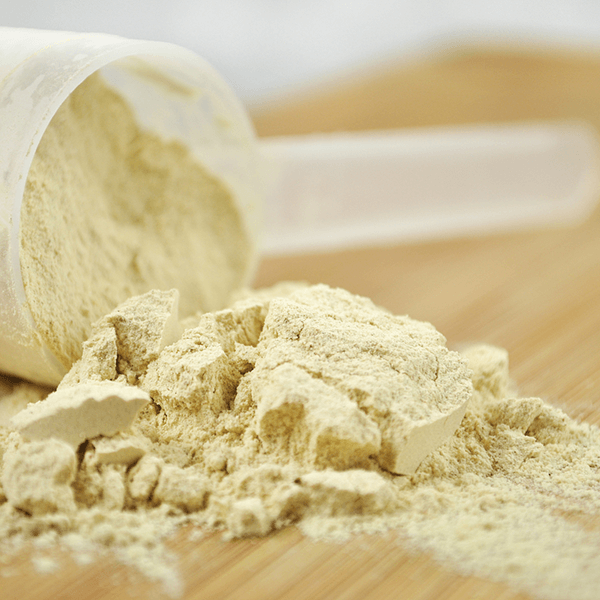
Selecting a high-quality pea protein powder involves considering several key factors. Look for organic, non-GMO products with at least 80% protein content. Check for certifications like USDA Organic and ISO22000. Ensure the powder is free from additives, preservatives, and artificial colors. Opt for brands that offer complete amino acid profiles and are easily digestible. Consider the powder's versatility in various applications and its eco-friendly production methods. By evaluating these aspects, you can choose a pea protein powder that meets your nutritional needs and aligns with your values.
Comprehending the Importance of Pea Protein Quality
Pea protein has become increasingly popular as a plant-based protein source, offering numerous benefits for health-conscious consumers. Its quality can significantly impact your nutritional intake and overall well-being. High-quality pea protein powder provides essential amino acids, supports muscle growth and repair, and offers a sustainable alternative to animal-based proteins.
The Rise of Pea Protein in the Health and Fitness Industry
The health and fitness industry has witnessed a surge in demand for plant-based protein sources, with pea protein leading the charge. This trend is driven by increasing awareness of environmental sustainability, ethical concerns regarding animal welfare, and the growing popularity of vegan and vegetarian lifestyles. Pea protein's versatility and nutritional profile make it an attractive option for a wide range of consumers, from athletes to health-conscious individuals.
Nutritional Benefits of High-Quality Pea Protein
High-quality pea protein offers a complete amino acid profile, including all nine essential amino acids that the body cannot produce on its own. It is particularly rich in branched-chain amino acids (BCAAs) like leucine, isoleucine, and valine, which are crucial for muscle growth and recovery. Additionally, pea protein is naturally hypoallergenic, making it suitable for individuals with allergies or sensitivities to common protein sources like dairy or soy.
Key Factors to Consider When Choosing Pea Protein Powder
When selecting a pea protein powder, several crucial factors should guide your decision-making process. These considerations will help ensure that you choose a high-quality product that meets your nutritional needs and aligns with your values.
Protein Content and Purity
The protein content of pea protein powder is a critical factor to consider. Look for products with a protein content of at least 80%, with premium options offering up to 90% protein. Higher protein content indicates a more concentrated and purified product, which can be more effective in meeting your nutritional goals. Be wary of products with significantly lower protein content, as they may contain fillers or additives that dilute the nutritional value.
Organic and Non-GMO Certifications
Opt for pea protein powders that are certified organic and non-GMO. These certifications ensure that the product is free from synthetic pesticides, herbicides, and genetically modified organisms. Organic certification, such as USDA Organic or EU Organic, guarantees that the peas used in the protein powder are grown using environmentally friendly and sustainable practices. Non-GMO certification assures that the product has not been genetically modified, aligning with many consumers' preferences for natural and unaltered food sources.
Amino Acid Profile
A high-quality pea protein powder should offer a complete amino acid profile, containing all nine essential amino acids. Pay particular attention to the levels of branched-chain amino acids (BCAAs) - leucine, isoleucine, and valine - as these are crucial for muscle protein synthesis and recovery. Some manufacturers may fortify their pea protein powders with additional amino acids to enhance the nutritional profile, which can be beneficial for specific fitness goals.
Additives and Artificial Ingredients
Scrutinize the ingredient list for any unnecessary additives, preservatives, or artificial ingredients. High-quality pea protein powders should contain minimal ingredients, ideally just pea protein isolate. Avoid products with artificial sweeteners, colors, or flavors, as these can detract from the purity and healthfulness of the protein powder. If flavored options are preferred, look for those that use natural flavorings and sweeteners like stevia or monk fruit extract.
Digestibility and Bioavailability
The digestibility of pea protein is an important consideration, especially for those with sensitive digestive systems. Look for products that mention easy digestibility or have undergone processing methods to enhance absorption. Some manufacturers may include digestive enzymes or use specific extraction techniques to improve the protein's bioavailability, ensuring that your body can effectively utilize the nutrients provided.
Production Methods and Quality Control
The production process and quality control measures employed by manufacturers play a crucial role in determining the overall quality of pea protein powder. Understanding these aspects can help you make a more informed decision when choosing a product.
Extraction and Processing Techniques
High-quality pea protein powders are typically produced using advanced extraction and processing techniques that preserve the nutritional integrity of the protein. Water-based extraction methods are often preferred as they avoid the use of harsh chemicals that could leave residues in the final product. Some manufacturers employ enzymatic processing to enhance the protein's digestibility and flavor profile. Look for products that provide information about their extraction methods, as transparency in this area is indicative of a company's commitment to quality.
Quality Control and Testing
Reputable pea protein manufacturers implement rigorous quality control measures throughout the production process. This includes testing for contaminants, heavy metals, and microbial content to ensure product safety. Third-party testing and certifications provide additional assurance of quality and purity. Look for products that display certifications such as ISO22000, HACCP, or GMP, which indicate adherence to stringent quality management systems and food safety standards.
Sustainability and Environmental Considerations
The environmental impact of pea protein production is an increasingly important factor for many consumers. Peas are inherently a more sustainable crop compared to many other protein sources, requiring less water and fertilizer to grow. However, some manufacturers go further in their commitment to sustainability by implementing eco-friendly processing methods, using renewable energy sources, or adopting zero-waste practices. Consider choosing products from companies that prioritize environmental stewardship in their production processes.
Conclusion
Choosing a high-quality pea protein powder requires careful consideration of various factors, including protein content, certifications, amino acid profile, and production methods. By prioritizing products with high purity, organic certifications, and transparent manufacturing processes, you can ensure that you're selecting a nutritious and effective protein supplement. Remember to consider your individual nutritional needs and preferences when making your choice. For those seeking a premium pea protein powder that meets these criteria, consider exploring options from reputable manufacturers and suppliers who specialize in high-quality, organic plant-based proteins.
At Bioway Industrial Group Ltd, we pride ourselves on producing premium pea protein powder that meets the highest quality standards. Our state-of-the-art manufacturing facilities, advanced production technologies, and comprehensive certifications ensure that our products are of superior quality and purity. With our 100-hectare organic vegetable planting base and rigorous quality control measures, we offer pea protein powder that stands out in the market.
.
FAQ
Q1: Is pea protein powder suitable for people with allergies?
A: Yes, pea protein is generally hypoallergenic and suitable for most people with common food allergies.
Q2: How does pea protein compare to whey protein in terms of muscle building?
A: While whey protein is often considered the gold standard, high-quality pea protein can be equally effective for muscle building and recovery.
Q3: Can pea protein powder be used in cooking and baking?
A: Absolutely! Pea protein powder is versatile and can be incorporated into various recipes, including smoothies, baked goods, and savory dishes.
Experience Premium Pea Protein Powder from Bioway
At Bioway Industrial Group Ltd, we offer superior pea protein powder that meets the highest quality standards. Our state-of-the-art 50,000㎡ manufacturing facility, equipped with diverse production lines and advanced technologies, ensures unparalleled product quality. We hold numerous certifications, including USDA Organic and ISO22000, guaranteeing our commitment to excellence. Our 100-hectare organic vegetable planting base in the Qinghai-Tibet Plateau region ensures the finest raw materials. Experience the Bioway difference in pea protein powder. Contact us at grace@biowaycn.com to learn more about our premium products and how we can meet your pea protein needs.
References
- 1. Babault, N., et al. (2015). Pea proteins oral supplementation promotes muscle thickness gains during resistance training: a double-blind, randomized, Placebo-controlled clinical trial vs. Whey protein. Journal of the International Society of Sports Nutrition, 12(1), 3.
- 2. Gorissen, S. H., et al. (2018). Protein content and amino acid composition of commercially available plant-based protein isolates. Amino Acids, 50(12), 1685-1695.
- 3. Messina, M., et al. (2017). A new approach to evaluating the quality of vegetable proteins: The protein digestibility-corrected amino acid score (PDCAAS) applied to cooked peas. Journal of Agricultural and Food Chemistry, 65(40), 8866-8873.
- 4. Pownall, T. L., et al. (2010). Functional properties of pea (Pisum sativum L.) protein isolates. Journal of the Science of Food and Agriculture, 90(13), 2281-2289.
- 5. Tian, S., et al. (2019). Bioprocessing of plant-based proteins: recent developments and prospects. Critical Reviews in Food Science and Nutrition, 59(22), 3597-3610.
Contact Us
Grace HU (Marketing Manager) grace@biowaycn.com
Carl Cheng ( CEO/Boss ) ceo@biowaycn.com
Website: www.biowaynutrition.com
Post time: Dec-04-2025