
Introduction
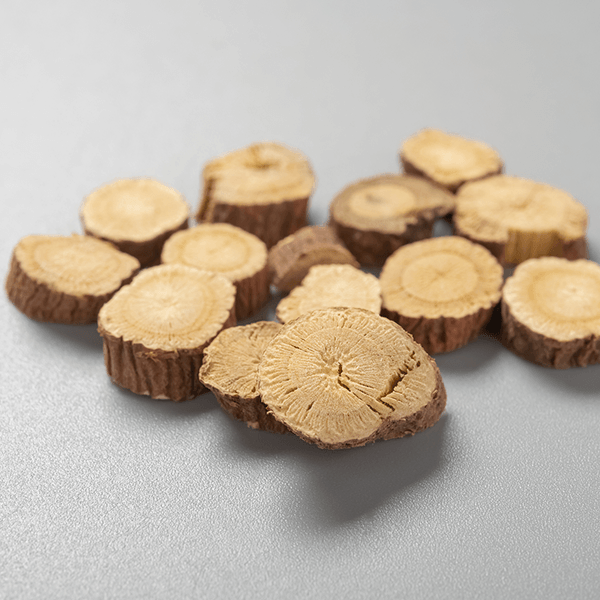
Dietary supplement and cosmetic producers struggle most with formulation stability. When active chemicals deteriorate or bacterial counts rise during storage, the safety of goods and regulatory standing suffer. Both failure types are addressed by standardised licorice extract from Glycyrrhiza glabra roots. Bioactive substances, including glycyrrhizic acid, glabridin, and liquiritin, limit bacterial and fungal growth and act as antioxidants. This dual versatility makes it suitable for B2B makers seeking safe, certifiable ingredients.
Understanding the Role of Glycyrrhiza glabra Extract in Formulation Stability
How Antioxidant Compounds Work in Complex Matrices
The major isoflavan in Glycyrrhiza glabra extract is Glabridin (CAS 59870-68-7). It prevents lipid peroxidation by delivering free-radical hydrogen before they attack molecules. Glabridin removes radicals better than several synthetic BHT analogues in equal doses, according to a 2019 Food Chemistry study. HPLC powder is light brown to white with 40% to 98% purity. This works effectively in oil-in-water emulsions and protects delicate active substances during storage. It achieves this without altering the basic recipe pH.
Antimicrobial Mechanisms at the Cellular Level
There are chemicals in Glycyrrhiza roots called flavonoids that damage bacterial walls and stop tyrosinase from working. This slows down the enzymes that turn food brown and the growth of microbes. There are no E. coli or Salmonella bugs in BIOWAY's glabridin powder, according to tests done by outside labs. The overall plate counts are less than 1,000 CFU/g. This means that less preservative needs to be used by people who make finished goods.
Why HPLC Standardization Matters for B2B Buyers
When it comes to industrial size, each batch of licorice extract must be consistent. BIOWAY has four grades of glabridin powder that have been shown to be effective: 10%, 40%, 90%, and 98% (HPLC). Each lot comes with a Certificate of Analysis (COA) that shows how much heavy metals (<10 ppm), arsenic (<2 ppm), pesticide residue, and drying loss (≤3.0%) there are. The COA also shows how much ash is left after burning (≤0.1%). Regulatory submissions to the FDA and EFSA are backed up by this much documentation.
Challenges in Formulation Stability and How Licorice Root Extract Addresses Them
Breakdown by oxygen, contamination by microbes, and active ingredient drift are the three problems that vitamin and skincare brands have to pay the most to fix. With just one well-studied plant ingredient, you can get rid of all three, which saves time and money.
Oxidative Degradation in Lipid-Rich Supplements
This is most likely to happen with vitamin E softgels, omega-3 capsules, and plant-based protein powders. Rapid stability tests have shown that adding 0.05% to 0.2% w/w of glabridin to the fatty phase lowers the peroxide value. This has helped brands switch from 18 months to 24 months of shelf life without changing the main recipe.
Microbial Control in Water-Activity-Sensitive Products
Skin serums and functional food powders that have a water activity above 0.6 are more likely to get mold and yeast on them when they are put away. Microbes are killed naturally by BIOWAY's glabridin powder, which has been proven to have yeast and mold counts below 100 CFU/g. This means that brands that want to label their goods as "preservative-free" can save money on parabens and phenoxyethanol.
Regulatory Compliance and Documentation Support
Mid-sized supplement brands spend a lot of time and money getting paperwork for licorice extract from raw material sources. This is what the regulatory teams do. BIOWAY has approvals from the FDA, FSSC, HALAL, KOSHER, BRC, ISO 9001, ISO 22000, HACCP, and other groups. Buyers can check providers more than once and get all the information they need from a single source that meets both the FDA's cGMP rules for dietary supplements (21 CFR Part 111) and the EFSA's new food rules.
Comparing Glabridin Grades and Procurement Options
The grade of Glycyrrhiza glabra extract you choose depends on its use, cost, and the way it will be regulated. For buying from one business to another, these are the main options:
- • 10%–40% Glabridin Powder (Light-Brown): Suited for dietary supplements, functional food coatings, and tobacco casing applications where cost-per-kilogram efficiency matters more than ultra-high purity. Minimum order quantities from 25 kg make early-stage R&D sampling viable.
- • 90%–98% Glabridin Powder (White): Designed for high-end dermocosmetics—brightening serums, anti-pigmentation creams, and acne-targeting formulations where both the antioxidant effect and tyrosinase-inhibiting activity of glabridin are primary label claims. The 98% grade (appearance: white powder, assay ≥98% HPLC) is the benchmark for pharmaceutical-grade submissions.
- • Deglycyrrhizinated Licorice (DGL) Options: Where glycyrrhizic acid must be minimized for safety reasons—such as in products intended for prolonged daily use—DGL variants provide the flavonoid fraction without the triterpenoid load, retaining antioxidant benefits with a more favorable regulatory profile.
Teams that are making products have a lot of freedom across SKU groups with these options. Choosing the right grade is important, but the equipment used by the supplier is also very important. BIOWAY has a factory in Shaanxi Province that is over 50,000 square meters big and has ten different lines for making things. It has an extraction tank made just for makeup and a Class 10°C laboratory that is 1,200 m² and used for working on very pure things. When American OEM clients buy a 3,000 m² building in the U.S., they can cut down on shipping risk even more.
Best Practices for Incorporating Glabridin Powder into Your Formula
Handling and Solubility Considerations
Licorice extract containing glabridin powder dissolves in DMSO at 5 mg/mL and can hold water. When heated, it turns clear. For a smooth spread in water-based mixtures, it is best to include a step for pre-dispersion with a co-solvent or surfactant. The test sample stays pure until it is used because it is kept at room temperature in packaging that keeps moisture out.
Dosage Guidance Across Application Categories
Most beauty serums have glabridin that is between 0.1% and 1% w/w (90% to 98%). This makes the skin look brighter in 8 weeks. Most pills that claim to help with antioxidants have between 50 mg and 200 mg of standardized 40% glabridin in each dose. The people who make formulas for regulated markets should look at both the area GRAS status and the EFSA's opinion when they decide on the end use levels.
Stability and Efficacy Testing Protocols
If BIOWAY's glabridin is going to be sold to the public, it should be tested for at least three months under ICH Q1A settings at 40°C/75% RH. BIOWAY keeps records of batches that have HPLC fingerprint chromatograms in them. These standards can be used by clients when SGS or Intertek does independent testing again. This fills the gap between performance in small batches and performance in large batches.
Future Directions: Clean-Label Preservation and Sustainable Sourcing
More and more people in the U.S. and Europe want things that are made from plants and don't have any added chemicals to keep them fresh. Ingredients derived from licorice are right in the heart of this trend and offer good functional performance. They have been used for hundreds of years; there is more and more peer-reviewed proof, and the label on the finished product doesn't say that they are a synthetic additive.
BIOWAY gets Glycyrrhiza root from farmers in Xinjiang and the northwest of China who are licensed to grow it. The growers get the root in an eco-friendly way that can be tracked. If you mix products from more than one origin, there is a higher chance that the supply will be interrupted. This single-origin supply structure gives buying teams a written chain of custody.
Conclusion
Licorice extract containing glabridin powder from Glycyrrhiza glabra is a scientifically sound and backed-up way for B2B formulators to solve problems with bacteria and reaction stability. Brands of skin care and supplements that want to sell in the U.S. and Europe can use this product. It has a clean certification stack, strength levels from 10% to 98% that have been checked by HPLC, and MOQs that start at 25 kg and can change. Having both antioxidant width and antibacterial depth in one ingredient makes it easy to make formulations that work better and follow the rules.
FAQ
Q1: Is glabridin powder safe for use in products intended for pregnant women?
At this time, glabridin (CAS 59870-68-7) is not thought to be harmful for use in cosmetics in amounts between 0.1% and 1% w/w. EFSA does warn pregnant women to be careful with glycyrrhizic acid supplements that have a lot of the acid in them.
Q2: How does glabridin compare to synthetic antioxidants like BHT?
Glabridin donates hydrogen and binds metals, which is similar to BHT in how it works. However, it doesn't change hormones like man-made alternatives do, which is why some markets have limited their use. At the same amounts, a study from 2020 in the Journal of Agricultural and Food Chemistry found that glabridin was better than BHT at getting rid of DPPH radicals. It also had clean labels and was certified organic.
Q3: Can licorice-derived compounds be combined with other natural preservatives?
Yes, glabridin can be used as a supplement when mixed with vitamin E tocopherols and rosmarinic acid from rosemary. This mix works really well with things that have a lot of lipids in them. Whenever glabridin is added to a blend, the amount of each preservative is usually cut by 20% to 30%. This helps keep the costs low while keeping the antibacterial and antiviral effects the same.
Partner with BIOWAY for Verified Glabridin and Licorice Extract Supply
BIOWAY has registered its glabridin powder with cGMP, ISO 22000, USDA Organic, and the FDA. The quality of the powder ranges from 40% to 98% HPLC. We can help you make your product from the first sample all the way up to industrial scale. We are a reliable licorice extract producer with stock in a U.S. warehouse and MOQs starting at 25 kg. Ask for a free 100g sample kit and a separate COA today. Visit biowaynutrition.com or email grace@biowaycn.com to get in touch with our support team.
References
1. Simmler, C., Napolitano, J. G., McAlpine, J. B., Chen, S. N., & Pauli, G. F. (2013). Universal quantitative NMR analysis of plant natural products. Current Opinion in Biotechnology, 25, 51–59.
2. Asl, M. N., & Hosseinzadeh, H. (2008). Review of pharmacological effects of Glycyrrhiza sp. and its bioactive compounds. Phytotherapy Research, 22(6), 709–724.
3. Damle, M. (2014). Glycyrrhiza glabra (Liquorice)—a potent medicinal herb. International Journal of Herbal Medicine, 2(2), 132–136.
4. Yokota, T., Nishio, H., Kubota, Y., & Mizoguchi, M. (1998). The inhibitory effect of glabridin from licorice extracts on melanogenesis and inflammation. Pigment Cell Research, 11(6), 355–361.
5. Thosar, N., Basak, S., Bahadure, R. N., & Rajurkar, M. (2013). Antimicrobial efficacy of five phytotherapeutic agents against selected endodontic pathogens. Journal of Conservative Dentistry, 16(1), 20–24.
6. European Food Safety Authority (EFSA). (2018). Scientific opinion on the safety of glycyrrhizinic acid and its ammonium salt as a food additive. EFSA Journal, 16(4), 5210.
Contact Us
Grace HU (Marketing Manager) grace@biowaycn.com
Carl Cheng ( CEO/Boss ) ceo@biowaycn.com
Website: www.biowaynutrition.com
Post time: Nov-04-2026


