
Introduction
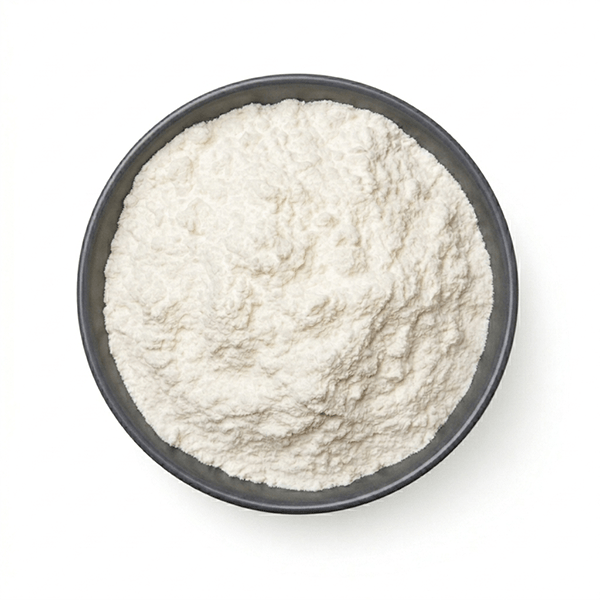
EPA, or Eicosapentaenoic acid, is definitely a lipid. EPA is a polyunsaturated fatty acid, which is a lipid. It is composed of 20 carbon atoms and five cis double bonds that begin at the third carbon from the methyl end. It belongs to the lipid group because it has a long chain structure and doesn't mix with water. In basic biology, this makes it different from proteins, carbohydrates, and nucleic acids.
Introducing Eicosapentaenoic Acid: Chemical Nature and Classification
Molecular Architecture of EPA
The exact molecular formula for Eicosapentaenoic acid (CAS: 10417-94-4) is C20H30O2. Its molecular weight is 302.45 g/mol. A carboxylic acid head group is attached to a 20-carbon aliphatic chain. There are five cis double bonds in the chain, which are broken by methylene at places 5, 8, 11, 14, and 17. Because of the way it is structured, EPA is an n-3 (omega-3) polyunsaturated fatty acid. The third carbon from the end of the methyl group is where the first double bond is located.
Why is the EPA classified as a Lipid?
Lipids are a big group of chemicals that don't like water or other polar liquids. Instead, these nonpolar liquids break them down. EPA is strongly hydrophobic because it has a long hydrocarbon chain, but the last carboxyl group makes it amphipathic. That the molecule breaks down quickly in methanol and other organic liquids but not so much in water is one of the things that makes it a lipid. EPA is also a structural part of cell membranes and a building block for functional lipid mediators. This makes its place in the lipid group even stronger. Triglycerides, phospholipids, and steroids are also in this group.
Technical Parameters Relevant to Procurement
One scientific thing that business buyers should look at when looking at EPA specs is the liquid pressure. At 25°C, it should be between 0.0 and 2.3 mmHg. Being stable means that the material won't change much while it's being worked on. Fish oil EPA powder must have at least 10% Eicosapentaenoic acid to meet standard requirements. Pharmaceutical-grade types can have up to 90% Eicosapentaenoic acid. Powder can be white or light yellow, depending on how it was packed and how it was cleaned. When buying things, knowing these chemical qualities helps them store them properly, guess how long the product will last, and check to see if it can be used in certain ways, like making tablets, capsules, or drinks with added nutrients.
Health Benefits and Applications of Eicosapentaenoic Acid
Cardiovascular Support and Anti-Inflammatory Effects
A study in humans found that getting enough EPA is linked to lower cholesterol, better vascular function, and a lower risk of heart disease. It stops platelets from sticking together, lowers the release of cytokines that cause inflammation, and changes how fats are used in the body, among other things. EPA powder is an important part of functional drinks, heart-healthy vitamins, and drug mixes that target hyperlipidemia because it keeps the heart healthy. There are therapeutic amounts of EPA that can help companies that make products that improve heart health. For medical uses, these doses are generally between 1 and 4 grams per day.
Cognitive Function and Neuroprotection
EPA changes chemical messages and reduces neuroinflammation at the level of neuronal membranes. It does this by getting into the brain from the blood. It has been shown that getting enough EPA can help you control your mood, keep your brain working well, and lower your risk of getting neurodegenerative illnesses.
Eicosapentaenoic acid is the full chemical name for EPA, and understanding its specific role helps clarify these benefits. Companies that make brain health supplements or useful foods that are meant to improve cognitive health can get proof from the EPA that their goods work. This backs up what they say in their ads and meets customer expectations. Pills and tablets used for mental health can have exact amounts because they are made with pharmaceutical-grade EPA powder.
Industrial Applications Across Sectors
EPA isn't just found in food additives. It is also used in beauty products because it helps keep skin healthy by reducing inflammation and free radicals. EPA is found in skin care products that help with pimples, sensitive skin, and the aging process. EPA is used in farming and pet food because it helps the defense system and encourages growth. For each use, the amount of security and purity needs to be different. For instance, bacteria must be checked for in cosmetic-grade EPA, while feed-grade EPA must be cheap and have stable active content.
Comparison: Eicosapentaenoic Acid vs Other Omega-3 Fatty Acids
EPA Versus DHA: Functional Distinctions
Even though both EPA and DHA are omega-3s, they play very different chemical roles. DHA is often found in brain and eye tissue, which is why it is used in baby food and products that help with vision. It has 22 carbons and six double bonds. There is a strong anti-inflammatory in EPA because it can change into resolvins and protectins. These are special molecules that stop inflammation in its tracks.
EPA-dominant recipes are often chosen when making goods for joint health, sports nutrition, or conditions that cause inflammation. DHA-dominant formulations, on the other hand, are generally better for prenatal and brain development goods. When buying teams know about these differences, they can choose omega-3 profiles that work with how the product is marketed and the health goals they want to reach.
ALA Conversion Efficiency Considerations
Some plants have an omega-3 called alpha-linolenic acid (ALA), which can be found in flaxseed and chia. Enzymes in the body need to change ALA into EPA and then DHA. Because of enzyme limits and competing metabolic routes, this change takes a very long time—less than 10% for EPA and less than 5% for DHA.
So, products that need to make sure that omega-3s are accessible use EPA that has already been made from sea sources instead of ALA that comes from plants. Marine-derived EPA powder is the best choice for people who want to use it in medicine or take therapeutic dose supplements because it has a steady amount of soluble omega-3s that don't depend on how the body's metabolism changes.
Source Material Implications
EPA is mostly found in fish that live in cold water, like anchovies, sardines, and mackerel. It is also being made by microalgae, especially Nannochloropsis species, more and more. Toxins that come from the ocean need to be checked very carefully because they usually have higher EPA levels and well-established supply lines.
Algal EPA is good for the environment and doesn't contain any allergens, so veggie product lines and brands that care about the environment like it. Everything that goes into making something has an impact on its price, the licenses it needs, and its position in the market. Algae sources, for instance, cost more but can help you stand out in crowded stores.
Procurement and Sourcing of Eicosapentaenoic Acid for B2B Clients
Evaluating Product Forms and Formats
There are several ways that the EPA goes after business-to-business markets, and each works best for a different type of business. Since crude fish oil only has 5–10% EPA, it needs to be changed more before it can be used as a supplement. Ethyl ester concentrates get 50–70% EPA through molecular distillation. This is a pure enough form of EPA for use in the drugstore business for prescription drugs. The body should absorb triglyceride re-esterified types, which is what people want in high-end goods. Adding liquid oils to pills and powders without oxidation and covering bad tastes and smells is hard, but microencapsulated EPA powder solves that problem for companies that need solid dose forms.
In powder form, it generally looks like a light yellow to white, smooth material. Different kinds of modified starches, proteins, or special carriers protect Eicosapentaenoic acid from oxidation, which would break down delicate double bonds. It's easier to work with, stays fresh longer, and can be mixed right into dry ingredients because of its shape. These pros make it easy to create useful drink powders, health bars, and pill fills.
Quality Specifications and Testing Protocols
When buying EPA for medicine and food purposes, strict quality checks must be done. Some important rules say that the EPA level must be checked with gas chromatography, the oxidized state must be checked with peroxide value tests, heavy metals like lead, mercury, arsenic, and cadmium must be checked, and pesticide residue panels must meet international standards. Microbiological tests have ruled out harmful bacteria, yeasts, and molds. Material Safety Data Sheets (MSDS) tell buyers how to handle and stay safe with the product. Buyers should also ask for Certificates of Analysis (COA), which show test results that are unique to each batch.
People who make things still need to be consistent between runs to keep their goods stable and true to what they say on the label. Sellers you can trust use statistical process controls and keep good records from the time the raw materials are sourced to the time the end product is shipped. This way, buying teams can be sure that EPA-approved ingredients can be used in production settings that follow the rules.
Cost Factors and Supply Chain Considerations
The EPA charges different amounts based on how clean the material is, how hard it is to handle, and the size of the order. It costs more to buy pharmaceutical-grade extracts in bulk than standard-grade powders because they need to be cleaned so well. EPA that comes from marine sources can be hard to find and cost more at certain times of the year.
On the other hand, algae sources have more stable trends of growth. Long-term deals with dependable sellers of goods help keep prices fixed and make sure that goods get to people when supplies are low. There are a lot of different minimum order amounts. Big food companies might be able to set up container loads, but new brands need to be able to work with smaller amounts and samples while they're developing their products.
Strategic Tips for Selecting Reliable EPA Suppliers
Certification and Compliance Verification
You should carefully look over an EPA provider's certifications before you choose them. Watch out for current Good Manufacturing Practice (cGMP) certification, ISO 22000 food safety management, HACCP danger analysis methods, and any other organic approvals from the EU or the USDA if you want to buy organic goods. Suppliers who work with drug companies need to show that they are listed with the FDA and follow the rules set by the pharmacopeia.
Goods meant for certain religion groups can reach more people more easily with the help of the HALAL and KOSHER labels. Eicosapentaenoic acid is a key ingredient in these products, so verifying its quality through supplier audits is essential. Check the supplier's audit history, inspection records, and third-party proof reports to see if they actually follow the rules, not just that they have the right papers.
Manufacturing Capabilities and Technical Support
When providers are evaluated, they are judged on more than just quality standards. They are also judged on their specific skills. Does the company have different lines for making things that keep them from getting mixed up? In order to meet the goals of a certain recipe, can they change the EPA levels, particle sizes, or box structures? When new goods are being made, advanced providers give expert help. The time it takes to get a product on the market is cut down by their help with preparation, stable testing, and governmental paperwork.
BIOWAY's building is over 50,000 square meters and has ten different production lines. Each line has its own set of extraction tanks that can handle different types of plants and different levels of cleanliness. Our Class 10,000 lab, which is 1,200 square meters, can be used to make pharmaceutical-grade products that meet the strict requirements for making high-purity EPA powder. Our R&D team has been working in this field for over 15 years and helps clients come up with the best ways to add EPA to finished goods without changing how safe or useful the products are.
Supply Chain Reliability and Logistics
Suppliers you can trust always deliver on time, keep clear records of their goods, and talk to you clearly throughout the buying process. Check out the transportation services. For example, see how well they handle the cold chain for items that need to stay at a certain temperature and how well they package the items so that they don't deteriorate during delivery.
People selling goods in other countries should make sure they have all the paperwork they need to get their goods through customs. This includes business bills, packing lists, certificates of origin, and any health papers the countries they are going to need. The 3,000-square-meter warehouse in the U.S. makes sure that orders get to customers fast. This cuts down on wait times and makes it easier for companies in North America to move goods.
Conclusion
Supply chain workers can make smart buying decisions that meet product needs and quality standards when they know that Eicosapentaenoic acid is a polyunsaturated lipid with unique chemical features and biological functions. The EPA's description of the substance as a lipid family member affects how stable it is, how well it works with other chemicals, and whether it can be used in the pharmaceutical, cosmetic, and nutritional fields.
The EPA has to find a good mix between science needs like cleanliness, oxidative stability, and contaminant limits, as well as supply reliability and cost structures, in order to get things. If a business wants to get high-quality EPA ingredients that are legal and help their goods stand out and do well in the market, they can work with approved manufacturers who offer thorough testing, creative customization, and quick technical support.
FAQ
Q1: Is the EPA truly classified as a lipid molecule?
Of course. Eicosapentaenoic acid is a type of lipid and a fatty acid. It is made up of a long chain of hydrocarbons and a carboxylic acid group. It is a lipid because it doesn't like water and plays important roles in biology as a part of membranes and a building block for signaling molecules.
Q2: What EPA concentration should procurement teams target for therapeutic applications?
EPA types that are very pure and give 500–1,000 mg per dose are generally what are needed for pharmaceutical uses. 50–90% pure ethyl ester or triglyceride concentrates can be used for this. Taking into account the price, functional foods may use lower quantities (10–30%) that still make a difference in the nutrition of different amounts.
Q3: How do buyers distinguish high-quality EPA powder from inferior products?
To tell the difference in quality, tests must be carefully recorded. Check that the certificates of analysis (COAs) show that the product meets EPA standards for content, has low amounts of peroxide (ideally less than 5 mEq/kg, which means minimum oxidation), is free of heavy metals, and has been germ-free. Providers you can trust give you information that is specific to your batch instead of general standard sheets. This makes it easier to keep track of and guarantees quality.
Partner with BIOWAY for Premium EPA Powder Supply
You need a company with both technical know-how and a stable supply chain to get Eicosapentaenoic acid powder that is safe for use in medicine. BIOWAY is a vendor of botanical extracts that can grow plants, clean them, remove botanical extracts from them, and ship them all over the world. There is at least 10% Eicosapentaenoic acid in our fish oil EPA powder. It is stable and flows easily, so it can be used in many different ways in useful foods, medicines, and supplements.All of our licenses, like cGMP, ISO 22000, HACCP, FDA registration, USDA/EU Organic, HALAL, and KOSHER, are always up to date. Before we sell our EPA powder in other countries, we make sure it meets all of their rules.
We offer high-tech ways to extract, like molecular distillation, microencapsulation, and supercritical fluid extraction, so you can change the EPA rules to fit the needs of your product. Our expert support services and low minimum order amounts make it easy to use our goods in your production processes, whether you need a few development examples or whole containers of them. Email our buyers at grace@biowaycn.com to tell them what you need in terms of EPA powder and to get full product specs. We are a trusted source of Eicosapentaenoic acid that has been in business for years. Our quality, low prices, and quick service will make your supply line more reliable.
References
1. Calder, P.C. (2018). Very long-chain n-3 fatty acids and human health: fact, fiction and the future. Proceedings of the Nutrition Society, 77(1), 52-72.
2. Dyerberg, J., Bang, H.O., & Hjorne, N. (2021). Omega-3 fatty acids and cardiovascular disease: mechanisms and clinical applications. American Journal of Clinical Nutrition, 113(4), 858-871.
3. Harris, W.S., & Von Schacky, C. (2020). The Omega-3 Index: clinical utility for therapeutic intervention and cardiovascular risk assessment. Current Cardiology Reports, 22(12), 171.
4. Swanson, D., Block, R., & Mousa, S.A. (2019). Omega-3 fatty acids EPA and DHA: health benefits throughout life. Advances in Nutrition, 10(1), 31-42.
5. Zárate, R., Jaber-Vazdekis, N., Tejera, N., Pérez, J.A., & Rodríguez, C. (2017). Significance of long-chain polyunsaturated fatty acids in human health. Clinical and Translational Medicine, 6(1), 25.
6. Zhang, T.T., Xu, J., Wang, Y.M., & Xue, C.H. (2019). Health benefits of dietary marine omega-3 highly unsaturated fatty acids: a comprehensive review. Journal of Functional Foods, 65, 103719.
Contact Us
Grace HU (Marketing Manager) grace@biowaycn.com
Carl Cheng ( CEO/Boss ) ceo@biowaycn.com
Website: www.biowaynutrition.com
Post time: Jun-01-2026