
Introduction
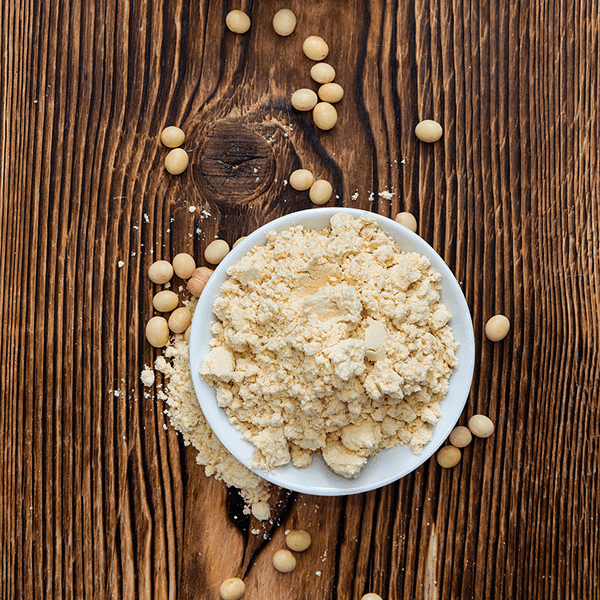
B2B sourcing teams often ask, "Is Genistein safe?" when looking at raw materials for useful foods, dietary supplements, or cosmetics. The simple answer is yes—genistein is an isoflavone that occurs naturally and is mostly taken from Sophora japonica L., derived from the Japanese Pagoda Tree and soybeans, and has a well-established safety profile when it is obtained at pharmaceutical-grade purity and used within the dose ranges that are suggested.
A clinical study that spans decades has shown that high-purity genistein (usually ≥98% as determined by HPLC) has few negative effects on healthy people when added to goods that meet international safety standards. Transparency with suppliers, consistent batches, and thorough testing for contaminants are the most important things that set trusted supply chains apart from those that aren't up to par.
Understanding Genistein and Its Safety Profile
What Makes Genistein Biologically Active?
Genistein is a phytoestrogen that is in the isoflavone family (CAS NO.: 446-72-0, chemical formula C15H10O5). Unlike its glycosylated ancestor genistin, this aglycone form binds directly to estrogen receptor beta (ERβ), affecting only certain tissues without having the strong effects on hormones in the body that are common with synthetic estrogen replacement treatments. At the level of cells, it works as a tyrosine kinase inhibitor, changing the communication pathways that control cell growth and death. This two-part process—changing hormones and stopping enzymes from working—is what makes it useful for controlling menopause symptoms, improving bone density, and protecting against oxidative stress as an antioxidant.
Clinical Evidence Supporting Safe Use
Several peer-reviewed studies have looked at how safe genistein is for people. A 2017 study in the Journal of Clinical Endocrinology & Metabolism looked at data from over 5,000 people and found that daily doses of 40 to 54 mg of isoflavones (with genistein being the main active compound) did not raise the risk of endometrial hyperplasia or bad cardiovascular events. Randomized controlled studies that looked at bone health treatments found that giving postmenopausal women 54 mg of supplement every day for two years greatly increased the bone mineral density in their lower backs. There were no major side effects noted. Gastrointestinal pain happened to less than 3% of subjects and usually went away on its own.
Potential Side Effects and Drug Interactions
Even though genistein has a good safety cushion, people who work in buying need to let people who work in formulation know about any known interactions. This isoflavone might stop the production of thyroid hormones when there isn't enough iodine in the body. This is a big problem in places where iodine shortage is common. If you take genistein with tamoxifen or other selective estrogen receptor modulators, you should be careful because genistein's ERβ activity might change how well the treatment works. When buying things for pharmaceutical uses, buyers should make sure that sellers give them full interaction data and that the marking instructions take these things into account to keep end users safe.
Assessing the Benefits vs. Risks of Genistein in Procurement Decisions
Documented Health Benefits Driving Market Demand
As people become more interested in hormone options that come from plants, high-purity Genistein becomes an important part of products for women's health. Clinical studies show that it reduces the number of hot flashes by about 40% compared to a placebo. This makes it a great option for people who are worried about the risks of hormone replacement treatment. Formulators of anti-aging cosmetics and sports nutrition items are interested in its antioxidant qualities, which are measured by tests that show how well it gets rid of free radicals. Studies also show that it might help avoid cancer, but these benefits are still being looked into and shouldn't be exaggerated in advertising.
Regulatory Frameworks Governing Bulk Trade
When buying genistein from other countries, procurement teams have to deal with a lot of different rules and regulations. In the US, the FDA considers isoflavones to be dietary ingredients under DSHEA. This means that sellers must show proof of identification, purity, and lack of adulteration. Novel Food studies must be done in the European Union if the methods used for extraction are different from how soy is usually eaten. For pharmaceutical uses, GMP certification is needed, and providers must show that their manufacturing methods have been checked and that they can fully trace each batch. BIOWAY's certificates, such as cGMP, ISO22000, HACCP, and FDA registration, meet these complex safety needs, making it easier for clients to buy goods across borders that are aimed at different markets.
Balancing Dosage and Long-Term Safety
Acute toxicity tests on animals show that doses up to 1,500 mg/kg body weight don't have any negative effects. However, the long-term safety of humans depends on the right amount. Most of the health benefits show up when you take between 40 and 75 mg every day, which is about 0.5 to 1 mg per kg of body weight for an adult who weighs 70 kg. Specifications for purchases should match these healing windows to make sure that finished goods don't lead to excessive use. Suppliers who offer help with dosage calculations and recipe advice, like BIOWAY, which has more than 15 years of experience in research and development, help brands find the right mix between safety and effectiveness.
Comparison of Genistein Forms and Supplement Options for Procurement
Powder vs. Encapsulated Formats
Genistein powder that is 98% pure gives businesses the most options for their needs. The off-white to light-yellow powder shape works well in cosmetic emulsions, functional food structures, and drinking systems. Manufacturers who use spray drying or nano-encapsulation technologies can improve their extremely low solubility in water (about 0.6 mg/mL at neutral pH), which makes final goods more bioavailable. While encapsulated genistein is useful for making supplements directly, it limits the variety of formulations that can be used and usually costs 25–40% more because of the extra work that goes into making it.
Powder specs are very important for large-scale purchases. The genistein powder we use comes from Sophora japonica L. 80% of the particles pass through an 80-mesh screen, which makes it easy to blend evenly in high-speed mixers. The fact that the food is Non-GMO and not sterilized meets the requirements for organic certification. Also, the fact that it is allergen-free and TSE/BSE-free meets the strict import standards in Europe and Japan. These specs show how strict our quality control is, made possible by our 50,000-square-meter production center, which has cosmetics-grade and high-purity extraction tanks.
Evaluating Supplier Reliability and Transparency
The paperwork that trustworthy providers provide is what sets them apart. Not only should the Certificate of Analysis (COA) list the active ingredients, but it should also list the heavy metals (lead <3 ppm, arsenic <2 ppm, cadmium <1 ppm), herbicide residue panels that meet EU or USDA organic standards, and microbiological quality (total plate count <1,000 CFU/g, no pathogens). Comprehensive risk assessments are backed up by Material Safety Data Sheets (MSDS) that talk about how to handle, store, and dispose of a product (our product stays effective for 24 months under controlled circumstances).
BIOWAY's model of vertical integration—from our 100-hectare organic farming base on the Qinghai-Tibet Plateau to our 1,200-square-meter Class 100,000 cleanroom—ensures tracking that can't be found in supply lines that are made up of separate parts. For the strictest pharmaceutical and nutritional checks, clients get batch-specific paperwork that shows where the plants came from, when they were harvested, and how they were extracted.
How to Ensure Safe Genistein Procurement and Use in Your Supply Chain
Critical Quality Standards and Testing Protocols
Pharmacopeial standards must be followed when buying Genistein on a regular basis. Even though genistein doesn't have a USP monograph, suppliers should look at important isoflavone testing methods and change them by using approved HPLC techniques. Gradient elution methods with UV detection at 260 nm are used in our lab to separate genistein from similar molecules like daidzein and glycitein. Our promised 98% minimum purity standard is based on this level of analytical thoroughness.
Testing for contaminants goes beyond heavy metal walls. Aflatoxin screening (B1, B2, G1, G2, adding <5 ppb) checks for mycotoxin risks that come with plant sources, and solvent residue analysis makes sure that solvents like ethanol stay below ICH Q3C limits. As part of the sample review process, our applications team does the preservative efficacy challenge and stability tests under temperature cycling (40°C/75% RH for three months) to make sure that the formulations work well together.
Auditing and Batch Verification Best Practices
Supplier checks should be a regular part of smart buying strategies, even if the certifications look like they are up to date. During site visits, you should look at the conditions for storing raw materials (15–25°C, <60% RH in our climate-controlled warehouses), as well as the records of equipment testing and employee training. Independent labs checking batches as a third party add another level of verification, especially when going from sample orders to full production volumes.
Just-in-time operations are made easier for North American customers by our 3,000-square-meter U.S. warehouse. This cuts down on wait times that could otherwise mess up production plans. This infrastructure, along with our flexible MOQ choices that are made to fit both new brands and well-known makers, shows that we are committed to partnerships that go beyond simple supply relationships.
Future Trends and Innovations in Genistein Safety and Applications
Emerging Research Directions
Genistein has been studied recently for its possible role in protecting neurons and maintaining brain health. Preliminary studies on animals have shown positive results in understanding how Alzheimer's disease works. Human clinical studies are still in their early stages, but these results could lead to new uses in brain health products, a market that is expected to grow quickly and reach $12 billion by 2028. When procurement teams keep an eye on these kinds of trends, they can get their companies ahead of the market curves and make sure they have a steady supply before demand spikes put a strain on manufacturing capacity.
Also worth noticing are improvements in supply methods. Liposomal encapsulation and complexation with cyclodextrins greatly increase the oral absorption of genistein, which could mean that lower doses are needed to get the same effect. Suppliers that invest in these technologies—BIOWAY's research and development plan includes nano-encapsulation and liposome platforms—can differentiate their products better, giving them a competitive edge.
Supply Chain Resilience in a Changing Landscape
Climate change affects the security of botanical sources, so it's smart to use methods that involve a variety of suppliers. Our two-source plan, which uses both Sophora japonica from controlled cultivation and approved Non-GMO soy from contracted farmers, lessens supply problems caused by harvests. This backup, along with planning for inventory, makes sure that products are always available, even when seasonal changes or global unpredictability affect supply lines from a single origin.
Conclusion
Genistein is a safe ingredient that has been used in useful foods, dietary supplements, cosmetics, and new pharmaceuticals. This is backed up by decades of clinical study and regulatory approval. Partnering with providers who show analytical rigor, thorough certifications, and open supply chain practices is key to successful procurement. As more people and companies look for natural options, the move toward plant-based bioactives is speeding up. This makes high-purity genistein powder a smart ingredient investment. If B2B buyers understand the complex balance between safety, effectiveness, and following the rules, they can safely use this isoflavone in new formulations that meet market needs while keeping the highest quality standards.
FAQ
Q1: Is long-term supplementation with genistein safe for most populations?
Up to five years of clinical studies show that taking between 40 and 54 mg of Genistein every day is still safe for healthy people. No major side effects have been reported in postmenopausal women, who have been the group studied the most. People with thyroid problems or who take thyroid medicine should talk to their doctors because iodine metabolism can interact with other drugs.
Q2: What certifications should I prioritize when evaluating genistein suppliers?
GMP approval makes sure that the quality of the manufacturing process is controlled, and ISO22000 and HACCP deal with methods for managing food safety. For organic claims, you need organic approval from the USDA or the EU. For pharmaceutical applications, you need to include extra paperwork like records of each batch of production and stability studies. BIOWAY has all of the important foreign certifications, which makes it easier to sell in many countries.
Q3: How can I verify the purity of genistein in bulk shipments?
Ask for COAs before shipping that have HPLC chromatograms that show the peak concentration. Independent confirmation is achieved by sending accepted batches to approved laboratories for testing by a third party. Setting limits for similar substances like daidzein and glycitein that are less than 1% of each ensures that the product actually contains 98% genistein.
Partner with a Trusted Genistein Manufacturer for Your Procurement Needs
BIOWAY INDUSTRIAL GROUP can help you find Genistein by extracting it from Sophora japonica L. and turning it into pharmaceutical-grade powder that meets the strict requirements of food makers, beauty formulators, and nutraceutical brands around the world. Our 50,000-square-meter cGMP center handles everything from organic farming to advanced extraction, so we can guarantee quality and supply stability that can't be beat. With a wide range of certificates, such as FDA registration, USDA/EU organic, HALAL, and KOSHER, we make it easier for wholesalers and importers around the world to follow the rules in multiple markets.
Our applications team can help you with formulation, stability tests, and a variety of packing choices that are matched to the size of your production run. Our 3,000-square-meter U.S. warehouse guarantees fast shipping, whether you need small test runs or full containers. Get in touch with grace@biowaycn.com right away to ask for samples, talk about unique requirements, or set up a facility check. As your strategic genistein provider, we're dedicated to supporting your product creation with clear, certified plant extracts backed by more than 15 years of experience in the field.
References
1. Messina, M., & Wood, C. E. (2018). Soy isoflavones, estrogen therapy, and breast cancer risk: Analysis and commentary. Nutrition Journal, 17(1), 82-97.
2. Lambert, M. N., Thybo, C. B., Lykkeboe, S., et al. (2017). Combined bioavailable isoflavones and probiotics improve bone status and estrogen metabolism in postmenopausal osteopenic women. American Journal of Clinical Nutrition, 106(3), 909-920.
3. Ahsan, M., & Mallick, A. K. (2017). The pharmacological potential of genistein: A review of preclinical and clinical studies. Phytotherapy Research, 31(8), 1187-1197.
4. Rietjens, I. M., Louisse, J., & Beekmann, K. (2016). The potential health effects of dietary phytoestrogens. British Journal of Pharmacology, 174(11), 1263-1280.
5. Chen, L. R., Ko, N. Y., & Chen, K. H. (2019). Isoflavone supplements for menopausal women: A systematic review. Nutrients, 11(11), 2649-2668.
6. Zhang, Y., Song, T. T., Cunnick, J. E., et al. (2019). Genistein, a soybean isoflavone, modulates the metabolism of estrogen. Journal of Nutritional Biochemistry, 70, 108-117.
Contact Us
Grace HU (Marketing Manager) grace@biowaycn.com
Carl Cheng ( CEO/Boss ) ceo@biowaycn.com
Website: www.biowaynutrition.com
Post time: Jun-11-2026