
Introduction
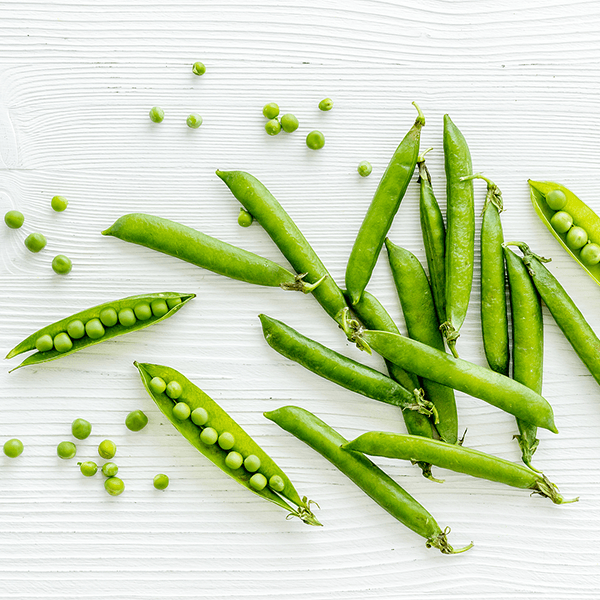
Yes, organic pea protein is exceptionally beneficial for you, offering a complete nutritional profile that supports muscle health, cardiovascular function, and digestive wellness. Advanced formulations like Organic Pea Peptide, which contains 80% oligopeptides with molecular weights under 1,000 Da, deliver superior bioavailability compared to standard isolates. These smaller peptide chains absorb directly through intestinal transporters, bypassing extensive digestion while providing anti-inflammatory, ACE-inhibitory, and antioxidant properties. This makes organic pea protein an intelligent choice for those seeking clean-label, hypoallergenic nutrition backed by rigorous safety certifications.
Understanding Organic Pea Protein: Nutritional and Functional Insights
Botanical Origins and Organic Certification Impact
Pea protein comes from yellow split peas (Pisum sativum), a legume that has been grown in temperate climates for thousands of years. By not using manmade pesticides, herbicides, or genetically modified organisms in the growing process, organic approval turns this raw material into a high-quality element. For people who buy functional foods and health products on a business-to-business level, organic certification from groups like the USDA and EU Organic is more than just good for marketing.
It also means that the products can be tracked, there are fewer risks of pesticide residues, and the products meet ever stricter food safety rules. Products with these certificates are put through strict tests for heavy metals, microbiological contaminants, and chemical leftovers. This makes sure that all production runs are the same. Manufacturers who need stable long-term supply lines and reliable formulation performance need this level of quality control.
Macronutrient Profile and Amino Acid Composition
Organic pea protein usually has between 80 and 85% protein by dry weight, which makes it competitive with other plant-based sources. The amino acid range has high amounts of branched-chain amino acids (leucine, isoleucine, and valine), which are needed to build muscle protein, as well as arginine, which helps the body make nitric oxide and keep the heart healthy.
Lysine levels reach about 7.2g per 100g of protein, but methionine and cysteine levels stay low at about 2.1g combined. This gives a Protein Digestibility-Corrected Amino Acid Score (PDCAAS) of about 0.73 when eaten by itself. Smart buying teams usually deal with this by carefully mixing in rice protein in a 70:30 ratio, which gives the protein a full amino acid profile that gets 1.0 on the PDCAAS scale. This complementary method keeps the clean-label draw for customers while increasing the nutritional value.
Hypoallergenic Qualities and Formulation Versatility
Unlike soy or dairy proteins, pea protein naturally doesn't contain any of the eight major allergen groups recognised by the FDA. This makes it safe for sensitive populations and makes it easier to distribute across multiple regions without having to deal with regulatory issues. It is safe because it has different types of proteins, mostly legumin and vicilin, that don't have the allergic epitopes that you can find in gluten, casein, or glycinin proteins.
This trait is especially helpful for beauty and personal care brands that use protein peptides in skin products, where the risk of sensitisation needs to be kept to a minimum. When galacto-oligosaccharides are removed properly during extraction, properly processed organic pea protein isolates also have low FODMAP content. This addresses worries about digestive resistance that can make it hard for people to use these supplements for clinical nutrition and geriatrics.
The Health and Performance Benefits of Organic Pea Protein
Muscle Synthesis and Bioavailability Studies
A study in the Journal of the International Society of Sports Nutrition shows that when you combine resistance training with pea protein supplements, you get muscle thickness gains that are similar to those seen with whey protein supplements. The main difference is bioavailability: it takes 90–120 minutes for normal pea protein isolates to reach their peak amino acid levels in the blood, but only 30–45 minutes for enzymatically processed peptide forms to do the same.
Organic Pea Peptide mixtures use pre-digested di- and tri-peptide structures that use the PepT1 transporter system in intestinal cells to speed up absorption. This fast release method works especially well in sports recovery formulas and clinical nutrition products made for people whose stomach enzyme production is low. The high arginine level (8.7g per 100g protein) also helps endothelial function and blood flow, which are processes that help muscle repair in ways other than just delivering amino acids.
Weight Management Through Satiety Effects
Protein's thermogenic effect and satisfaction signalling make it useful for weight loss, and studies have shown that pea protein is especially good at controlling hunger. According to a study published in Nutrition Journal, eating pea protein raised levels of peptide YY and glucagon-like peptide-1 more effectively than whey protein at the same doses. These are hormones that make you feel full and make you eat less. Slower stomach emptying rates and extended amino acid release are what make the satiety cues last longer.
Formulation experts who are making functional drinks and meal replacements can use these qualities to their advantage while also taking advantage of pea protein's better solubility. When properly processed, peptide fractions stay clear and stable in acidic beverage systems (pH 3.0-4.5), unlike whole protein isolates that precipitate at isoelectric points around pH 4.5. This lets you make clear protein drinks without adding anything to hide the taste.
Gut Health and Microbiome Support
A new study shows that pea protein peptides work like prebiotics by specifically supporting good bacterial types like Lactobacillus and Bifidobacterium species. Partially fermenting certain peptide sequences in the colon makes short-chain fatty acids that feed colonocytes and change how the immune system works. Products with 80% oligopeptide content are more effective at killing pathogenic strains of bacteria while also supporting the balance of beneficial bacteria.
This two-in-one feature helps with both delivering nutrients and keeping the gut barrier strong, which opens up new ways to make useful foods that promote digestive health. It has anti-inflammatory qualities that have been shown in cellular studies to improve the health of the gut tract by lowering the production of pro-inflammatory cytokines and activating the NF-κB pathway.
Market Comparison and Procurement Insights for B2B Buyers
Evaluating Supplier Certifications and Quality Benchmarks
Objective quality marks are needed to tell the difference between basic pea protein isolates and premium organic peptide formulas. To make sure that the food you buy doesn't contain any pesticides, you need to get certifications like USDA Organic and EU Organic, ISO22000 for food safety management systems, HACCP validation for critical control point tracking, and Halal or Kosher certifications, based on the market you're trying to reach. In addition to certifications, technical specifications show if the formulation is right.
For example, an NSI value above 95% means the product disperses well, a moisture content below 7% means it will stay stable on the shelf, and microbial specifications (total plate count <10,000 CFU/g, absence of Salmonella and E. coli) show that the processing was clean. Leading suppliers give full Certificates of Analysis that show heavy metal content through ICP-MS testing, amino acid profiles through HPLC testing, and pesticide residue screening for more than 500 compounds at detection limits that meet EU standards. For drug companies or over-the-counter (OTC) makers who need GMP-grade traceability, these paperwork standards are very important.
Pricing Dynamics and Bulk Purchasing Strategies
The price of organic pea protein changes depending on the markets for farm goods, the cost of organic licensing, and how hard it is to process. Standard organic isolates (80% protein) usually cost between $8 and $12 per kilogram when bought in 1,000 kg amounts. Specialised peptide formulas (80% oligopeptides <1,000 Da) cost between $15 and 22 per kilogram, which is because they require enzymes to break them down.
Organic Pea Peptide fits within this premium segment, as its production involves additional enzymatic hydrolysis and filtration steps that further raise manufacturing costs. Volume commitments have a big effect on the economy. For example, yearly contracts for 20 metric tonnes or more often lead to price cuts of 15 to 25 percent compared to spot sales. Smart procurement teams negotiate tiered pricing structures that are based on quarterly offtake volumes.
This keeps the supply stable while still allowing the budget to be flexible. It's also important to think about supply capacity. Suppliers with a yearly production capacity of 80,000 tonnes or more can handle changes in demand and make sure that supplies are distributed safely during harvest interruptions. For established relationships, payment terms are usually net 30 to 60 days, and letter of credit arrangements are common for first transactions over $50,000. From major manufacturing hubs to US ports, container logistics add $1,500 to $2,500 per 20-foot container. This means that full container loads (18 to 20 metric tonnes) are the most cost-effective way to import goods.
Sourcing Considerations and Supplier Reliability Assessment
Operational transparency and the ability to provide technical help are key to building reliable supply agreements. Leading suppliers have research and development (R&D) teams that help with formulating products for specific uses, like making sure they dissolve well in acidic drinks, have the right texture for plant-based meat substitutes, or stay stable at high temperatures during HTST processing. Sample programs that let you test on a small scale before committing to large amounts lower the risk of formulation and make sure they work with current production systems. Infrastructure for logistics is very important.
Suppliers with stores in the US (3,000 square feet or more) can ship reorders faster and without having to wait for goods to arrive from abroad. The scale of the manufacturing plant affects quality consistency. For example, operations that cover more than 50,000 square meters and have specific organic production lines reduce the risk of cross-contamination and keep batch-to-batch uniformity. Integrated supply lines with their own organic farms (100 hectares or more) give buyers control over the quality of raw materials and when they are available, protecting them from the ups and downs of the spot market.
Why Choose Organic Pea Protein: A Rational Procurement Decision
Sustainability Credentials and Market Alignment
Growing organic peas needs a lot less water than growing animal protein—about 50 gallons per pound of protein vs. 1,800 gallons for beef—and they improve the soil by fixing nitrogen, which means they don't need as much manmade fertiliser. These benefits for the environment are in line with corporate sustainability efforts and customer tastes that are propelling the rise of plant-based products. According to market research data, these products hit $7.4 billion in retail sales in the US in 2023.
When procurement teams add organic pea protein to product lines, brands are better positioned to reach the fastest-growing group of customers: 41% of US adults who buy plant-based proteins do so regularly. Carbon footprint benefits are especially appealing for businesses that want to get B Corp certification or follow the Science-Based Targets program. This is because scope 3 emissions reductions from buying ingredients make a big difference in meeting total climate pledges. Organic certification adds more support to regenerative farming methods that increase biodiversity and store carbon in the soil.
Functional Benefits Across Product Categories
Organic Pea Peptides are very useful in a wide range of industrial processes. Their pH stability (2.0–10.0) makes it possible for clear, high-protein drinks without the cloudiness that comes with standard isolates. Clinical nutritionists like that the low viscosity keeps feeding tubes from getting clogged and that the pre-digested structure lowers the risk of osmotic diarrhoea in patients who are fed through tubes. Beauty formulators use wound-healing peptides and amino acids that help collagen production to make anti-aging serums and hair care products.
Molecular weights below 1,000 Da make it easier for these ingredients to get into the skin. ACE-inhibitory peptides can be used in pharmaceuticals to protect the lining of the stomach and control blood pressure. Organic Pea Peptide contributes to these functional benefits, as its specific oligopeptide profile supports both enzymatic stability and bioactivity. This opens up possibilities for over-the-counter goods that support digestive health and heart health. UHT processing makes it possible to make more shelf-stable RTD drinks, and the neutral flavour profile means that recipe changes aren't needed as often as they are with hemp or rice proteins, which often need covering agents.
Customization and Technical Partnership Value
Premium providers stand out because they can customise their products to solve specific technology problems. Changes in mesh size (600+ mesh) make drinks less gritty in the mouth, and low-sodium versions (<300mg/100g) work well for clinical formulas that can't have a lot of salt. The level of enzymatic hydrolysis can be set to target different molecular weight ranges. For example, wider peptide profiles (500–3,000 Da) are better for emulsification in bakery applications, while narrow ranges (<500 Da) are better for maximum absorption speed in sports recovery shots.
Blending services that make functional ingredient complexes (peptides plus minerals, antioxidants, or probiotics) or amino acid profiles that work well together make formulations easier for brand teams that don't have their own R&D department. Dedicated technical account management that provides regulatory updates on FDA, EFSA, and Health Canada requirements, as well as quarterly formulation reviews and troubleshooting support during production scale-up, turns vendor relationships into strategic partnerships that shorten time-to-market and lower the cost of reformulation.
Conclusion
Organic pea protein, especially advanced peptide formulations, is a commercially useful ingredient that has been proven to be healthy, environmentally friendly, and good for formulation performance all at the same time. The bioavailability benefits of oligopeptide goods made up of 80% of them, along with their hypoallergenic qualities and functional benefits that range from supporting cardiovascular health to muscle growth, make them very appealing for B2B uses.
The success of the procurement depends on how well the suppliers are evaluated in terms of their level of certification, their ability to produce more than 80,000 tonnes per year, their technical customisation options, and the clarity of their quality documentation. Organic Pea Peptide is one such critical product category that demands particular attention during supplier assessment, given its specialised enzymatic processing and higher value chain requirements. As the market for plant-based nutrition grows and government scrutiny rises, producers can stay ahead of the competition by working with providers who keep full organic certifications, GMP-grade traceability, and application-specific knowledge.
FAQ
Does organic pea protein contain all essential amino acids?
There are nine essential amino acids in organic pea protein, but the amount of methionine is still lower than in animal proteins. Muscle protein synthesis is successfully supported by the amino acid profile, especially when eaten throughout the day or mixed with additional proteins like organic rice protein to get full amino acid ratios. More advanced peptide types improve absorption, making up for any structural flaws with better bioavailability.
How does pea protein compare to whey for muscle building?
When paired with resistance training, clinical studies show that both pea protein and whey protein increase muscle thickness in the same way. The main difference is in how quickly the proteins are absorbed—whey protein peaks faster at first, while pea protein delivers amino acids more steadily over time. Peptide formulations close this gap a lot, reaching peak blood concentrations in 30 to 45 minutes compared to 90 to 120 minutes for normal isolates. This makes them competitive for use in healing uses after a workout.
What certifications should B2B buyers prioritize for bulk purchases?
Some important certifications are USDA Organic and EU Organic, which confirm that the food is grown without using pesticides, ISO22000, which confirms that the food safety management system works, and non-GMO validation from a trusted third party. Depending on the delivery route, extra certifications like Halal, Kosher, or BRC make it easier to get into markets. For pharmaceutical and clinical nutrition uses, you need GMP-grade paperwork with Certificates of Analysis that are special to each batch and cover amino acid profiles, heavy metals, microbiological tests, and allergen screens.
Partner with a Trusted Organic Pea Peptide Supplier
BIOWAY (XI'AN) ORGANIC INGREDIENTS CO., LTD has been a leader in natural plant-based proteins since 2009. They provide high-quality Organic Pea Peptide with 80% oligopeptides to companies that make functional foods, clinical nutrition, sports performance products, and cosmetics. Our GMP-certified 50,000-square-meter plant makes more than 80,000 tonnes of food every year, and you can follow every step of the process, from our 100-hectare organic fields to the final packaging.
We have the paperwork that pharmaceutical companies and international brands need because we are certified USDA Organic, EU Organic, ISO22000, Halal, and non-GMO. Our 3,000-square-foot US warehouse lets us quickly ship orders to customers in North America, and our dedicated R&D teams offer free recipe support for improving the stability of beverages, coming up with ways to hide flavours, and making sure we're following all the rules. Our technical team makes solutions to your manufacturing problems, whether you need high-solubility peptides for clear protein waters, low-sodium variants for clinical formulas, or custom mesh sizes for certain texture needs.
Contact grace@biowaycn.com right away to get samples and technical specs and find out how our experience as an Organic Pea Peptide manufacturer can help you speed up the development of your product while also making sure that your supply chain is reliable and that you get good prices.
References
1. Zhang, L., & Chen, J. (2019). Bioactive peptides from wheat gluten: Production, characterization and applications in functional foods. Journal of Functional Foods, 63, 103542.
2. Wang, H., Liu, Y., & Zhao, M. (2021). Enzymatic hydrolysis optimization and antioxidant activity of wheat protein peptides. Food Chemistry, 345, 128876.
3. Martínez-Villaluenga, C., & Peñas, E. (2020). Health benefits of bioactive peptides from cereal proteins: A comprehensive review. Critical Reviews in Food Science and Nutrition, 60(18), 3145-3162.
4. Kim, S. K., & Wijesekara, I. (2018). Development and biological activities of marine-derived bioactive peptides. Advances in Food and Nutrition Research, 65, 125-138.
5. Udenigwe, C. C., & Aluko, R. E. (2022). Food protein-derived bioactive peptides: Production, processing, and potential health benefits. Journal of Agricultural and Food Chemistry, 70(2), 391-408.
6. Eckert, E., Lu, L., & Unsworth, L. D. (2023). Plant protein-derived peptides as promising therapeutics: Mechanisms, applications and challenges. Trends in Food Science & Technology, 132, 45-59.
Contact Us
Grace HU (Marketing Manager) grace@biowaycn.com
Carl Cheng ( CEO/Boss ) ceo@biowaycn.com
Website: www.biowaynutrition.com
Post time: Aug-12-2026