
Introduction
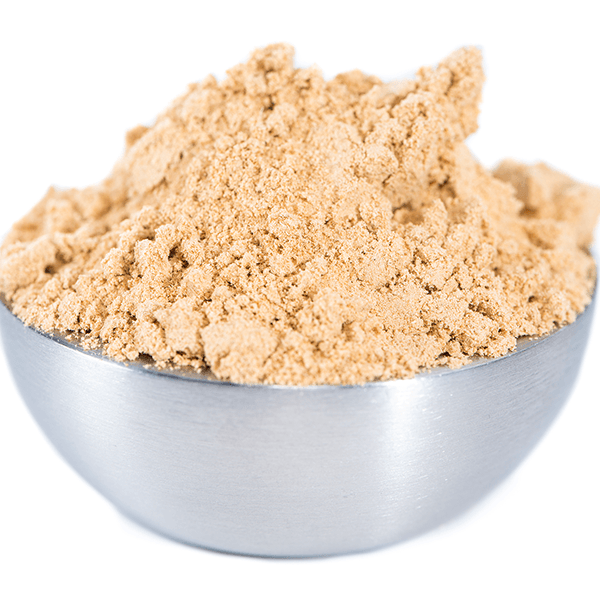
In terms of formula creation, compared to soy peptide, mung bean peptide has a significant benefit for companies targeting vegan, allergen-sensitive, and sports nutrition markets. The mung bean peptide has a protein content of more than 90%, a peptide content of more than 80%, and more than 85% of the molecules have a molecular weight below 1,000 Da. Consequently, the mung bean peptide is absorbed more quickly and has less of an allergic worry than the soy peptide. The high solubility, pure taste profile, and functional advantages, including blood pressure support and antioxidant activity, make it a desirable ingredient across protein bars, recovery beverages, and meal replacement forms.
Understanding Mung Bean Peptide and Soy Peptide: Nutritional and Functional Profiles
Both ingredients derive from legume sources, but their processing outcomes and nutritional signatures differ in ways that matter significantly to R&D teams and procurement managers.
Source and Extraction
The mung bean protein is enzymatically hydrolyzed to get mung bean peptide. Mung bean peptide is a small-molecule oligopeptide with a molecular weight mostly below 1,000 Da. Soy peptide is processed similarly from soybean protein isolate. Mung bean peptide is obtained using a well regulated enzymatic hydrolysis process, which maintains the amino acid profile and avoids off-notes often associated with soy-based hydrolysates.
Protein and Amino Acid Composition
BIOWAY’s mung bean peptide has protein content ≥90% and peptide content ≥80%, comparable to or better than the conventional soy peptide. Both substances include important amino acids, particularly branched-chain amino acids (BCAAs), which are important for muscle protein synthesis. But mung bean peptide has a far cleaner amino acid ratio and no isoflavones, which are naturally present in soy and which certain formulations need to avoid for hormonal sensitivity claims.
Bioavailability and Health Benefits
The small molecular size of mung bean oligopeptides (≥85% below 1,000 Da) allows efficient transport across the intestinal barrier, supporting rapid absorption. Published research confirms that mung bean-derived peptides demonstrate ACE inhibitory activity (IC50 of 0.64 mg protein/mL using Alcalase hydrolysis), antioxidant activity, and hepatoprotective effects relevant to liver and gut health. Soy peptide also shows antioxidant and blood pressure-lowering properties, but its phytoestrogen content and known allergen status add formulation constraints.
Key Differences Between Mung Bean Peptide and Soy Peptide for Formula Applications
Choosing between these two ingredients is not just a nutritional decision—it is a formulation, regulatory, and market positioning decision.
Allergenicity and Label Claims
Soy is one of the nine main food allergens identified by the FDA under FALCPA. It also introduces labeling requirements and restricts the markets you can sell to. Mung bean peptide is completely devoid of dairy, soy, and gluten, making it truly allergen-free and safe for users with soy intolerance or legume sensitivity. This differential alone might warrant a change in sourcing for firms developing “free-from” product lines or catering to the expanding soy-allergic clientele.
Solubility and Processing Stability
Mung bean peptide is prized in production environments for its super solubility—it disperses cleanly in both hot and cold liquid systems without sedimentation. This property is directly relevant to beverage formulators who need a protein source that does not settle out or create haze. Soy peptide, while reasonably soluble, can contribute bitter notes and slight turbidity at higher inclusion rates. BIOWAY's mung bean peptide has been tested in protein bar, ready-to-drink, and baked good matrices, with application support available upon request.
Flavor, Texture, and Consumer Appeal
In sensory evaluations, mung bean peptide consistently scores lower on bitterness compared to soy peptide. This matters for protein bars and meal replacement beverages where flavor masking adds cost and complexity. The neutral-to-mild taste of mung bean oligopeptides reduces the need for flavor additives, keeping ingredient decks cleaner and more appealing to label-conscious buyers in the US market.
Procurement Considerations: Sourcing Mung Bean vs Soy Peptides for B2B Buyers
Beyond the lab, the sourcing decision comes down to supply reliability, certifications, and the supplier's ability to scale with your production needs.
Certifications and Compliance
BIOWAY's mung bean peptide carries ISO22000, HALAL, and NON-GMO certifications—covering the primary compliance requirements for US, EU, and Middle Eastern markets. The facility in Shaanxi Province also holds cGMP, HACCP, FSSC22000, BRC, and KOSHER certifications, satisfying even the most stringent third-party audit requirements. Soy peptide suppliers typically hold similar certifications, but the allergen burden requires additional segregation documentation, adding audit complexity.
Supply Capacity and Pricing Stability
BIOWAY operates with an annual production capacity exceeding 1,000 metric tons of mung bean peptide, with 10 production lines and extraction tank configurations suited to both standard and custom specifications. This scale supports quarterly framework contracts with consistent batch delivery. Soy commodity pricing tends to be more volatile given its dual-use as animal feed and food ingredient. Mung bean, while subject to seasonal fluctuation, benefits from a more niche supply chain with greater pricing predictability at contracted volumes.
Packaging and Custom Formulation Support
BIOWAY offers 5 kg, 10 kg, and 20 kg packaging options with OEM compound formulation support for buyers developing new product concepts. For procurement teams in the qualification stage, trial samples and small-batch pilot orders (1–5 MT) are available to support internal application testing before framework agreements are finalized. This reduces sourcing risk and shortens the internal approval cycle significantly.
How to Choose the Best Peptide for Your Formula: Criteria and Decision-Making Framework
With a structured evaluation process, you won't have to make changes that cost a lot of money later on. The buying and R&D teams should pay attention to these key points:
- • Allergen profile: Mung bean peptide has a clear allergen statement and is a reduced-risk option for target consumers, including soy-allergic or vegan populations.
- • Molecular weight distribution: Verify that ≥85% of peptide molecules are <1,000 Da for optimal bioavailability in sports recovery and clinical nutrition formats, a standard that BIOWAY’s product satisfies.
- • Application matrix compatibility: Before you commit to volume, check solubility, pH stability, and taste contribution in your unique format (bar, beverage, pill). Ask your supplier for application data sheets.
- • Matching Certification: Make sure, before you place a trial purchase, that your suppliers are meeting the regulatory criteria of the market you are entering.
These things help procurement managers make a screening process that they can stand behind and use again and again during different rounds of sourcing. There is a chain of documents needed for product launch compliance. This structure, along with direct supplier involvement like factory checks and third-party verification at the SGS level, makes this possible.
Future Trends and Market Insights for Plant-Based Peptides
Grand View Research says that by 2027, the world market for plant proteins will be worth more than $21 billion. As long as people want them, clean-label, vegan, and allergen-free goods will never go out of style. In this area, peptide ingredients with smaller molecules are becoming more popular over whole protein isolates. This is because they are easier to absorb and have better properties.
Technology and Quality Improvement
Better progress in enzymatic hydrolysis and membrane filtration has made it possible for manufacturers to get purer peptides and better control over molecular weight. BIOWAY's production uses both standard enzyme methods and extraction methods that use ultrasound and microwaves. And this means that each batch can be tailored to specific practical goals, such as stopping ACE or raising antioxidant levels.
Sustainability and Supply Chain Resilience
Mung beans need a lot less nitrogen and water to grow than soybeans. This makes them better for the environment, which is something that buying teams in the US and EU are looking at more and more when they choose suppliers. Moving away from soy also lowers your reliance on a single source of a good, which is now an important strategic factor because of recent issues in the world's agriculture supply chain.
Emerging Applications
Mung bean peptide is used in pet food, infant nutrition, cosmetic actives, and pharmaceutical excipients, as well as in sports nutrition. BIOWAY's application scope already includes these fields, which is helpful for buyers who want a single-source ingredient partner for a number of different product lines.
Conclusion
Soy peptide and mung bean peptide can both be used to make plant-based formulas. However, mung bean peptide is better for brands that want to say their products are allergen-free, dissolve better, and make health claims about more than one function. This food has more than 90% protein, a molecular weight profile optimized for fast absorption, and is certified for the global market, making it both technically and commercially sound. BIOWAY's 10-year capacity and multiple certifications give buying teams responsible for supply risk the peace of mind they need to build a stable, long-term relationship with a supplier.
FAQ
Q1: Is mung bean peptide safe for consumers with soy allergies?
Yes, mung bean peptide is made in a factory that strictly follows rules to keep toxins away from each other, and it does not contain soy protein. For people who are allergic to soy and "free-from" products, this is a good choice because it doesn't make their immune systems react to soy.
Q2: How does the absorption rate of mung bean peptide compare to soy peptide?
Most of the oligopeptides in mung beans are less than 1,000 Da in size. In other words, they can get through the gut wall faster than bigger pieces of protein. This makes amino acids work faster after being eaten, which is important for medical and sports healing.
Q3: What certifications should I verify before sourcing plant peptides?
Check to see if the business is certified in at least ISO22000, HACCP, and NON-GMO. In order to sell to people in other countries, you need to meet the standards for HALAL (Middle East and Southeast Asia), KOSHER, and BRC or FSSC22000. BIOWAY has all of these certificates, and you can see them if you ask.
Q4: Can mung bean peptide be used in beverage formulas without sedimentation?
Yes. It's easy to spread out and dissolve in both hot and cold drinks, so at normal inclusion rates there is no smoke or sedimentation.
Request a Sample or Quote from BIOWAY — Certified Mung Bean Peptide Supplier
Bioway Industrial Group Ltd. sells mung bean peptide that is free of GMOs, ISO22000, and other harmful substances. They can handle more than 1,000 MT every year. We give out trial samples, help with OEM formulations, and can package 5 kg to 20 kg in flexible ways. Get a price from us at grace@biowaycn.com if you need a reliable mung bean peptide manufacturer for a new product launch or a source for recipes that are already on the market.
References
1. Grand View Research. (2022). Plant Protein Market Size, Share & Trends Analysis Report. Grand View Research.
2. Li, H., Prairie, N., Udenigwe, C. C., Adebiyi, A. P., Tappia, P. S., Aukema, H. M., Jones, P. J. H., & Aluko, R. E. (2011). Blood pressure lowering effect of a pea protein hydrolysate in hypertensive rats and humans. Journal of Agricultural and Food Chemistry, 59(18), 9854–9860.
3. Aluko, R. E. (2015). Antihypertensive peptides from food proteins. Annual Review of Food Science and Technology, 6, 235–262.
4. Sun, X., Sarteshnizi, R. A., Boachie, R. T., Okagu, O. D., Abioye, R. O., Neves, R. P., & Udenigwe, C. C. (2020). Peptide-mineral complexes: Understanding their chemical interactions, bioavailability, and potential application in mitigating micronutrient deficiency. Foods, 9(10), 1402.
5. Tang, C. H., & Sun, X. (2011). A comparative study of physicochemical and conformational properties of storage proteins in several legume seeds from China. Food Hydrocolloids, 25(3), 520–529.
6. Xie, Y. Y., Zheng, J. B., & Tao, Y. (2019). Antioxidant and ACE-inhibitory peptides from mung bean protein hydrolysates and their stability. Journal of Functional Foods, 52, 555–562.
Contact Us
Grace HU (Marketing Manager) grace@biowaycn.com
Carl Cheng ( CEO/Boss ) ceo@biowaycn.com
Website: www.biowaynutrition.com
Post time: Nov-11-2026


