
Introduction
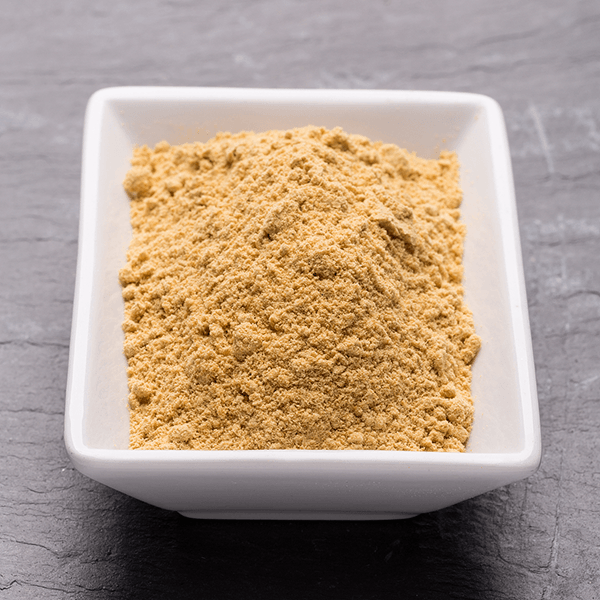
If you're sourcing protein ingredients for your next product line, the choice between organic pea protein powder and whey protein is one of the most consequential decisions you'll make. Organic pea protein powder—derived from yellow split peas through water-based, solvent-free extraction—delivers up to 90% protein content, a complete amino acid profile, and carries USDA/EU organic, Non-GMO, ISO22000, and Halal certifications. Whey remains a proven performer, but rising allergen restrictions and sustainability expectations are pushing brands toward plant-based alternatives. This comparison helps you decide which protein source best fits your product goals, target consumers, and supply chain requirements.
Understanding the Core Decision Scenario: Organic Pea Protein vs. Whey
Where Does Each Protein Come From?
Making cheese, which is in the dairy business, gives you whey protein. It works well with most liquids and is good for live things. Pea protein, on the other hand, comes from organically grown yellow peas and is sorted manually instead of using chemicals to do it. That is, it is naturally free of gluten, soy, and dairy from the moment it is made.
How Organic Certification Changes the Sourcing Picture
There must be a Transaction Certificate (TC) with every batch of organic pea protein powder that is certified organic by both the USDA and the EU. This chain of paperwork protects brands from being looked at closely by regulators and supports claims that products are organic on the package. The fact that whey protein comes from dairy means that it can't have plant-based organic certification, even if it is processed well. This is a big difference between clean-label brands in the US and Europe.
Key Procurement Metrics at a Glance
When buying teams look at both options, they usually talk about four things: how pure the protein is, whether it contains allergens, how good the approval is, and how easy it is to keep track of the product. These days, most pea protein isolates have between 80% and 90% protein, which is the same amount of protein as or more than many types of whey concentrate. Also, they do well on allergy panels because they don't have any dairy, soy, or gluten flags. This is great for brands that want to reach sensitive people.
Establishing Core Metrics for Selection: Nutritional and Functional Properties
Amino Acid Profile Comparison
Whey protein is widely recognized for its leucine-rich profile and high Digestible Indispensable Amino Acid Score (DIAAS). High-purity pea protein, standardized at 90%, provides all nine essential amino acids, including lysine and methionine—nutrients sometimes absent in other plant proteins. While leucine content is slightly lower than whey, pairing pea protein with rice protein closes this gap without sacrificing vegan or allergen-free positioning.
Digestibility and Allergen Considerations
Whey causes intolerance symptoms in lactose-sensitive individuals and is prohibited in dairy-free formulations. Pea protein is hypoallergenic and gentle on the digestive tract, making it suitable for consumers with sensitive stomachs. In a 2015 clinical study published in the Journal of the International Society of Sports Nutrition, pea protein produced muscle thickness gains comparable to whey over an eight-week resistance training program, reinforcing its credibility as a functional protein source.
Taste, Solubility, and Formulation Performance
Historically, pea protein carried a noticeable beany off-note that complicated formulation. Enzymatic processing and advanced fractionation have substantially reduced this issue in premium-grade organic pea protein powder isolates. High-quality pea protein now performs well in protein shakes, baked snacks, plant-based meats, and meal replacement beverages. Whey generally offers better solubility in low-pH environments, but hydrolyzed pea protein grades address this gap effectively in RTD beverage applications.
Evaluating Market Solutions: Price, Availability, and Supply Chain Factors
Pricing Dynamics and Cost Implications
Whey protein prices change a lot with the prices of dairy goods around the world, which can change by 20–30% in a single fiscal year. Because of this, brands with fixed retail prices have a hard time making budget plans. In the beginning, approved pea protein costs a little more than regular whey concentrates. However, its prices stay the same because they are not affected by changes in the dairy market. This helps procurement directors figure out how much money they will make on yearly contracts.
Certification Compliance for Global Markets
Working with a provider that is USDA Organic, EU Organic, ISO22000, Halal, Kosher, and Non-GMO makes following the rules a lot easier. There are different rules for each certification. For example, USDA and EU organic cover how to track farm goods, ISO22000 covers how to handle food safety, and Halal and Kosher let certain groups of people around the world in. When a brand goes into more than one market, it's easier to do business with a single certified source than with a bunch of different supply lines.
MOQ, Lead Times, and Logistics Flexibility
Because the minimum order size is only 25 kg, smaller brands can try out their recipes with pea protein before they buy a whole container's worth. Compared to direct ocean freight, wait times can be cut by a lot for sellers who already have stock in U.S. warehouses. This keeps plans for the store launch from being changed by delays at the port.
Matching Protein Source to Product Needs: Segmenting User Demands
Sports Nutrition and Performance Products
Foods sold in stores still mostly use whey protein powder, but plant-based nutrition is now the area of sports nutrition that is growing the fastest. More and more people between the ages of 18 and 35 are looking for products that don't have any artificial or animal-based ingredients. This group of people can buy a pea protein that is 90% pure, has a verified amino acid certificate, and is labeled "clean" without having to be changed in any way.
Food and Beverage, Plant-Based Meat, and Meal Replacements
Pea protein can gel and bind water, which gives structures the strength of soy protein in high-moisture extrusion for plant-based meat replacements but with fewer allergen risks. Ingredient safety is very important in meal replacement shakes and nutrition products for moms or kids. organic pea protein powder that doesn't have any additives lowers the risk of regulatory and customer trust compared to options made from dairy.
OEM/ODM Customization and Formulation Support
Brands can make new SKUs with the help of suppliers who offer different levels of protein content, such as 50%, 80%, and 90%. This is because the research and development team can pick the quantity that meets nutrition goals and costs the least per serve. It takes less time to get technical data sheets, amino acid chromatography reports, and heavy metal test results, which speeds up the internal approval process and sample rounds.
Final Evaluation: Practical Recommendations for B2B Buyers
This is how you choose the best protein source: the product, the market for regulations, and the customer you want to reach. If you can handle dairy, whey protein is still a good choice for everyday sports nutrition when price per gram of leucine is the most important thing. Organic pea protein is better if your brand strategy rests on making claims about clean labels, being vegan, not having any allergens, or telling a story about a sustainable supply chain. This is especially true for people who buy things in stores in the US and Europe and pay close attention to where the ingredients come from.
When brands moved from whey to certified plant protein, it wasn't hard to get users to accept the change, as long as the products were made correctly. The business case for organic pea protein has grown stronger as approval systems have gotten better, supply lines have become more stable, and people's ability to pay more for clear, plant-based nutrition has grown a lot.
Conclusion
You can choose between whey protein and pure pea protein more for brand reasons than for health reasons. Whey is quick and easy to use, but organic pea protein powder has a more transparent supply chain that appeals to people who are careful about what they eat and allows for more regulatory freedom. A high-purity organic pea protein isolate with 90% protein content that is certified to USDA and EU organic standards and free of GMOs, additives, and preservatives can help companies meet their formulation needs and market positioning goals at the same time. This is especially true for companies that want to sell to customers who care about clean labels, veganism, or the environment.
FAQ
Q1: Is organic pea protein powder a complete protein?
Yes. High-purity pea protein contains all nine essential amino acids, including lysine and methionine. While it is slightly lower in leucine than whey, the overall amino acid profile is sufficient for muscle maintenance and general nutrition. Blending with rice protein is a common practice to further balance the amino acid ratio in premium formulations.
Q2: Does pea protein cause any side effects or allergen issues?
Pea protein is hypoallergenic, free from dairy, soy, and gluten. Most consumers tolerate it well, including those with sensitive digestive systems. The beany flavor associated with earlier-generation pea proteins has been substantially reduced in enzyme-processed, high-purity isolates. Always verify that the supplier's facility maintains allergen segregation controls to prevent cross-contamination.
Q3: Can pea protein replace whey in muscle gain products?
Published clinical data supports pea protein's efficacy in muscle growth applications. A controlled trial showed comparable gains in muscle thickness between pea and whey protein groups over eight weeks of resistance training. For sports nutrition brands, 90% purity pea protein with a documented amino acid certificate provides a credible, evidence-backed alternative to whey.
Q4: What certifications should I require from a pea protein supplier?
At minimum, require a USDA Organic or EU Organic certificate, a per-shipment Transaction Certificate (TC), ISO22000, and a current heavy metal and pesticide residue test report. Halal and Kosher certifications are valuable additions for global market access.
Partner with BIOWAY — Your Trusted Red Cabbage Anthocyanin Manufacturer
It is run by BIOWAY INDUSTRIAL GROUP LTD and is on the Qinghai-Tibet Plateau. The farm is 100 hectares in size. They run a mill that is more than 50,000 square meters across in Shaanxi Province. The company that sells us anthocyanin from red cabbage gives us more than 10,000 tons of it every year. They have labels that say they are cGMP, ISO22000, USDA/EU Organic, Halal, and NON-GMO. You can get a sample or price right away by emailing grace@biowaycn.com.
References
1. Giusti, M. M., & Wrolstad, R. E. (2003). Acylated anthocyanins from edible sources and their applications in food systems. Biochemical Engineering Journal, 14(3), 217–225.
2. Stintzing, F. C., & Carle, R. (2004). Functional properties of anthocyanins and betalains in plants, food, and in human nutrition. Trends in Food Science & Technology, 15(1), 19–38.
3. Poei-Langston, M. S., & Wrolstad, R. E. (1981). Color degradation in an ascorbic acid-anthocyanin-flavonol model system. Journal of Food Science, 46(4), 1218–1222.
4. Lila, M. A. (2004). Anthocyanins and human health: An in vitro investigative approach. Journal of Biomedicine and Biotechnology, 2004(5), 306–313.
5. U.S. Food and Drug Administration. (2022). Guidance for Industry: Regulatory Compliance for Color Additives in Food. FDA.
6. Clifford, M. N. (2000). Anthocyanins — nature, occurrence and dietary burden. Journal of the Science of Food and Agriculture, 80(7), 1063–1072.
Contact Us
Grace HU (Marketing Manager) grace@biowaycn.com
Carl Cheng ( CEO/Boss ) ceo@biowaycn.com
Website: www.biowaynutrition.com
Post time: Nov-20-2026


