
Introduction
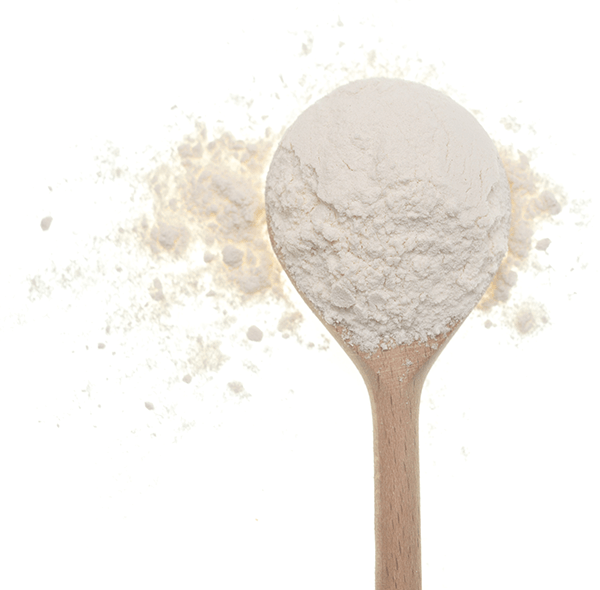
Organic rice peptide is rapidly becoming one of the most sought-after functional ingredients in premium supplement formulation. Derived from certified organic Oryza sativa protein via controlled enzymatic hydrolysis, this small-molecule peptide delivers≥80% protein content (N×6.25, dry basis) while remaining hypoallergenic and fully plant-based.
For supplement brands competing in the clean-label space, few ingredients match this combination of nutritional depth, safety profile, and organic credentialing. Whether you are building a sports recovery line, a sensitive-population formula, or an organic beauty supplement, understanding what this ingredient genuinely offers will sharpen your sourcing decisions.
Understanding Organic Rice Peptide: Composition, Production, and Nutritional Value
What Is Organic Rice Peptide, Exactly?
When you use food-grade enzymes to break down organic rice protein, you get organic hydrolyzed rice protein peptides, which are short-chain amino acid patterns. Enzymatic hydrolysis is the name for this process. A lot less than 1,000 Daltons is the molecular weight of the leftover pieces. This is a lot less than the molecular weight of whole proteins. Because of this molecular trait, the protein powder is taken up faster by the gut PepT1 transporter. This makes it more bioavailable than regular rice protein powder.
The Production Process: From Paddock to Powder
We get the raw organic rice peptide raw material from approved organic growing areas. The grain is then milled to sort the protein part. In a multistage enzymatic breakdown process, endopeptidases and exopeptidases are used to break the protein chains into functional peptides. Getting rid of the bitter, water-repelling amino acids at the ends of peptides with special enzymes makes a bland product. The end result is a fine, smooth powder that is brown to light beige in color and has a light smell that doesn't need any extra helpers to mix.
Nutritional Profile at a Glance
The label is easy to read: it says that the protein content is at least 80% (dry base), the moisture content is less than 5%, the fat content is more than 7%, the ash content is less than 5%, and the total carbs content is more than 18%. There are many branched-chain amino acids (BCAAs) and glutamic acid in the amino acid make-up. Heavy metals like mercury (<0.2 mg/kg), arsenic (<0.25 mg/kg), lead (<0.3 mg/kg), and arsenic (<0.25 mg/kg) are against the rules. The EU and California Prop 65 both have rules about food safety that these rules meet.
Core Benefits of Organic Rice Peptide in Supplement Development
Rapid Absorption and Digestive Comfort
The body can use rice peptides more quickly and with less work than whole proteins because the proteins have already been broken down. Studies on sports nutrition have found that small-molecule plant peptides can help relieve gut pain and bloating, which can occur with whey-containing products. Because of this, they are great for athletes who are sensitive to dairy and want to heal after a run.
Hypoallergenic Profile for Broader Market Reach
Labeling rules for allergens from the FDA and the EU say that rice protein does not contain any big allergens. Once the base protein is further broken down and certified organic, a peptide is made that can be used in formulas for people who are sensitive, like those who are allergic to cow's milk protein (CMPA), can't handle soy, or are sensitive to gluten. Companies that make products for babies and moms need to have this hypoallergenic mark.
Skin Health and "Beauty from Within" Applications
When applied directly or consumed, organic rice peptides have been shown to clean, moisturize, and slow down the aging process of the skin. Because they come from plants, they can be used in oral beauty products instead of collagen peptides. The peptides are stable across a wide pH range (2.0–10.0), so they can be added to carbonated drinks, acidic drinks, and hot-mix packets without changing the taste or causing protein to settle out.
Organic Rice Peptide vs. Alternative Peptides and Proteins: Making the Right Choice
How It Stacks Up Against Whey and Soy
Lots of people still like whey protein, but a lot of people can't eat it because it has lactose and milk allergens in it. Even though soy protein comes from plants, it is often linked to GMOs, which means that clean-label brands shouldn't use it. By offering a vegan, allergen-free, and non-GMO nitrogen source that appeals to today's buyer who is picky about what they eat, Organic rice peptide gets around both problems.
Comparison With Collagen Peptides
The most well-known beauty product is collagen, but vegans can't use it because it comes from animals and doesn't have any amino acids that our bodies need. Organic rice peptides, on the other hand, have all nine amino acids, including BCAAs and glutamic acid. They are also certified organic, which is a great branding benefit that collagen can't match in the premium organic channel. Plus, they can be used by both vegans and halal eaters.
Price Positioning and Market Demand
Organic rice peptide is more expensive than regular rice protein because it must be grown in an organic way and undergo multiple stages of enzyme processing. When a brand wants to attract high-value customers, like people who already pay a lot for USDA-certified organic vitamins, they are always happy to pay this price.
A report from the Organic Trade Association found that the U.S. market for organic supplements grew at a rate of about 8% per year from 2016 to 2023. Products with clean labels and no allergens were one of the top three reasons people bought something.
How to Procure Organic Rice Peptide for Supplement Manufacturing
Certification Verification Comes First
Any reputable business that sells organic rice peptides should be able to show a full chain of organic certificates, from the farms where the rice was grown to the factory where the powder was made. You should look for a Transaction Certificate (TC) and a Certificate of Analysis (COA) for each batch. The COA should list the protein level, moisture, heavy metals, and microbiological factors. Before you place a trial order, make sure that the people who issue certificates are well-known in the market you want to reach.
Quality Control Standards to Demand
More than 90% of peptides should have molecular weights less than 1,000 Daltons, as shown by HPLC-GPC. This applies to organic rice peptide. At the chemistry level, multi-residue herbicide screening with at least 500 substances backs up the organic claim. There are rules about how safe ready-to-eat food must be based on microbiological tests like total plate count, yeast/mold, and disease screens. You can tell which sellers are telling you the truth by asking for a full QC package before you place an order, even if it's just a sample order.
Supply Chain Transparency and Capacity
Getting organic raw materials naturally limits the amount that can be done compared to standard ways. Make sure you know how much land the provider has grown, when they gather, and how much goods they have before you sign a yearly contract. A supplier that runs both the processing plant and the growing base is said to be "vertically integrated." This kind of provider gives you a lot more supply security than a selling company that gets organic material from a lot of different sources that you can't control.
Integrating Organic Rice Peptide Into Your Supplement Line: Practical Applications and Case Insights
Formulation Fit Across Product Categories
This part of the recipe has been shown to work well in the main situations below:
- • Sports nutrition: Post-workout shakes and recovery blends benefit from the fast-absorbing peptide structure and BCAA content, with no dairy-related allergen declarations required.
- • Infant and maternal nutrition: Hypoallergenic, organic-certified protein source for sensitive formulas where safety documentation is the primary purchasing criterion.
- • Oral beauty supplements: pH-stable across 2.0–10.0, compatible with carbonated functional beverages, instant coffee mixes, and ready-to-drink formats without clumping or flavor interference.
- • Pharmaceutical and nutraceutical: Low osmotic pressure and clean safety profile support enteral nutrition applications for malabsorption patients.
These application benefits solve real formulation problems that buying teams have across many different types of products at the same time. These problems include allergy compliance, pH instability, and absorption rates.
Synergistic Ingredients and Label Strategy
Organic rice peptide and organic pea protein combine well to provide all the amino acids that are necessary. In beauty products, they work well with cofactors that help collagen, like vitamin C. In clinical nutrition products, they work well with enzymes that break down food. On the package, it says "Organic rice peptide (Oryza Sativa)" and lists other certified organic ingredients that don't set off allergy alarms. This backs up an easy list of ingredients that high-end customers like.
Conclusion
Because it is plant-based, allergen-free, certified organic, and can be used in a variety of ways for sports nutrition, baby food, oral health, and clinical purposes, organic rice peptide has a special place in the market for supplement ingredients. Technically, it's a good choice since it's ≥80% protein, has strong heavy metal controls, and keeps its pH level. The promises that it is pure and non-GMO give it a brand story that people who buy expensive supplements like. If buying teams want to make ingredients better or make product lines that stand out, they should give this ingredient a close look.
FAQ
Q1: How does organic rice peptide differ from standard rice protein powder?
Most rice protein is in the form of a powder that is mostly solid and breaks down slowly. When rice peptides are pre-hydrolyzed, they are cut into small strings that are less than 1,000 Daltons long. This makes them completely water-soluble, faster to absorb in the intestines through the PepT1 transporter, and much better able to break down.
Q2: Is organic rice peptide suitable for infant formula development?
Yes. It's safe, doesn't have any big allergens, and meets both USDA NOP and EU Organic standards, so it can be used in recipes for sensitive people. But applications for baby food need extra steps from the government, like heavy metal tests to ensure safe amounts for babies and filing in the right place.
Q3: How can I verify a supplier's organic certification is genuine?
Ask for the most recent organic certificate along with the Transaction Certificate for the batch you want to buy. List the name of the company that gave the certificate. In the public database of the certifying agency, compare the certificate number to the one on file. Providers who are honest will give you this paperwork on their own.
Q4: Does the enzymatic hydrolysis process produce a bitter taste?
When treated right, it doesn't. Bitter amino acids that don't like water are cut out of the ends of peptides using special endopeptidase and exopeptidase combinations. This leaves a neutral flavor profile that can be used in supplement forms that don't need any flavor.
Q5: What is the shelf life and storage conditions?
The item will stay fresh for 24 months if it is kept in its original, sealed box in a cool, dry place away from direct light.
Source Certified Organic Rice Peptide From BIOWAY — Request a Sample Today
A 100-hectare organic farming base is run by BIOWAY INDUSTRIAL GROUP LTD. In Shaanxi Province, a production plant with more than 50,000 square meters of space and GMP certification is located. Rules from the USDA, EU, HALAL, KOSHER, ISO22000, and FDA back up our ability to make organic rice peptides. All of this paper work comes with every package. To get a taste of a product, a COA package, or help with making your own formula, you can email our technology team at grace@biowaycn.com or visit biowaynutrition.com.
References
1. Gorissen, S. H. M., et al. "Protein content and amino acid composition of commercially available plant-based protein isolates." Amino Acids, 2018.
2. Hou, Y., et al. "Dietary essentiality of 'nutritionally non-essential amino acids' for animals and humans." Experimental Biology and Medicine, 2015.
3. Witard, O. C., et al. "Myofibrillar muscle protein synthesis rates after a meal in response to small and large bolus doses of dairy and soy protein." The American Journal of Clinical Nutrition, 2014.
4. Organic Trade Association. U.S. Organic Industry Survey. Organic Trade Association, 2023.
5. Moughan, P. J., et al. "Dietary protein quality evaluation in human nutrition." Food and Nutrition Bulletin, 2012.
6. European Food Safety Authority (EFSA). "Safety of rice protein as a novel food pursuant to Regulation (EU) 2015/2283." EFSA Journal, 2021.
Contact Us
Grace HU (Marketing Manager) grace@biowaycn.com
Carl Cheng ( CEO/Boss ) ceo@biowaycn.com
Website: www.biowaynutrition.com
Post time: Oct-13-2026


