
Introduction
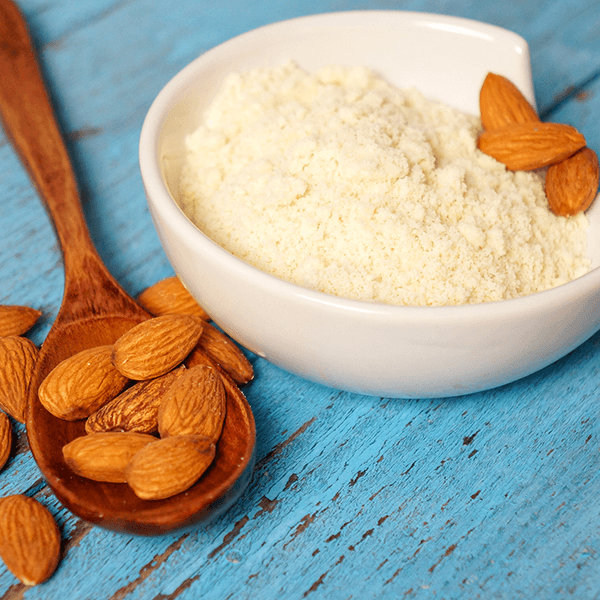
Amazing health riches have been hidden by nature in strange places, and bitter apricot seeds are one example. Organic Bitter Apricot Seed Powder comes from the seeds of the Prunus armeniaca tree and is high in bioactive substances like amygdalin, flavonoids, and polyphenols. In living systems, these parts have powerful antioxidant properties that get rid of dangerous free radicals. Unlike most antioxidant sources, this powder has unique compositional benefits that help with oxidative stress in both beauty and nutritional uses. This makes it more useful for companies looking for plant-based functional ingredients with clean labels.
Comprehending Organic Bitter Apricot Seed Powder and Its Antioxidant Properties
The difference between sour and sweet apricots goes beyond their tastes and into their biological makeup. When compared to their sweet cousins, bitter apricot kernels have a lot more active chemicals, especially polyphenolic substances and glycosides that help the body fight free radicals.
Botanical Origin and Processing Standards
BIOWAY gets its Organic Bitter Apricot Seed Powder from agricultural areas that are approved as organic. These are places where Prunus armeniaca trees grow without using chemical fertilisers or pesticides. Before they are processed at low temperatures, the seeds are carefully chosen so that heat-sensitive bioactive chemicals are kept. At our plant in Shaanxi Province, we use cutting-edge extraction technologies, such as microwave and ultrasonic methods, to keep the purity of polyphenolic structures and meet microbial safety standards. The light yellow powder that is made is certified organic by both the USDA and the EU. This means that the whole process can be tracked from the field to the finished product.
Antioxidant Mechanism and Free Radical Neutralization
Bitter apricot kernels contain polyphenolic chemicals that donate electrons to keep reactive oxygen species stable before they damage cells. Studies show that these antioxidants work by moving hydrogen atoms around to deal with free radicals. This stops reactive chain reactions in their tracks. Lipid peroxidation is stopped by vitamin E, which makes this beneficial action even stronger. Because it does two things at once, the powder works especially well in formulas that try to fight oxidative stress, like food supplements that help cells stay healthy or skin care products that fix damage caused by the environment.
Compositional Analysis for Procurement Decisions
Knowing the profile of the active ingredient helps people who work in buying to judge its quality and fit for a given application. About 25 to 28 percent of our Organic Bitter Apricot Seed Powder is protein, 45 to 50 percent is fats high in oleic and linoleic acids, and 3 to 5 percent is polyphenolic compounds measured as gallic acid equivalents.
This chemical, amygdalin, needs to be handled carefully, and the right amount must be given. In our normal batches, the amount is between 2 and 4 percent. We offer full certificates of analysis that list the amounts of total polyphenols, flavonoids, pesticide residues that are less than 0.01 ppm, and heavy metals that meet USP standards. Because of this, formulators can figure out exact doses and guess how ingredients will behave in complicated grids.
Health and Functional Benefits for B2B Applications
The health business puts more and more value on ingredients that have been used for a long time and have been proven to work by modern science. Organic Bitter Apricot Seed Powder fills in this gap by providing well-researched benefits that can be turned into marketable product claims when properly proven.
Immune Support and Anti-Inflammatory Properties
Some parts of the powder change inflammation pathways by stopping the production of prostaglandins. In early tests, the polyphenolic fraction has been shown to have immune-modulating effects that help natural killer cell function and cytokine balance. Companies that make vitamins for immune health like these qualities, especially when they're making goods to help with seasonal health or healing. The powder works well in capsules, protein shakes, and functional drinks where immune placement is important for making decisions about what to buy.
Skin Health Applications in Cosmetic Formulations
Bitter apricot oils are very useful for beauty companies that want to use natural antioxidants in anti-aging goods. The high amount of vitamin E helps the skin's barrier function, and the polyphenols protect against UV-induced oxidative damage. At amounts ranging from 0.5 to 3%, our powder has been used by personal care companies to make face masks, serums, and creams. When put through our cosmetics-grade extraction line, the powder stays stable in emulsion systems and keeps its antioxidant activity for as long as the product normally stays on the shelf. Microbiological testing shows that cosmetic safety standards are being met, with overall plate counts always being less than 100 CFU/g.
Safety Considerations and Regulatory Compliance
Professional uses need to pay close attention to the amount of amygdalin used because it can turn blue. Manufacturers who are responsible keep the amount of amygdalin in their products well below the safety levels set by government regulators. As part of our production processes, we measure the amount of amygdalin using HPLC, and we keep records for every production run. We also give customers thorough safety data sheets and help them make product labels that meet FDA rules for cosmetic or dietary supplement ingredient statements. This help from the government is very helpful for businesses that want to join the U.S. market, where strict rules about paperwork require accuracy and thoroughness.
Comparing Organic Bitter Apricot Seed Powder with Other Seed Powders
Comparative analysis across similar ingredient groups helps with buying choices. A lot of plant-based powders have antioxidant properties, but the best ones for different uses are those with certain performance qualities.
Bitter Versus Sweet Apricot Varieties
Since sweet apricot kernel powder doesn't have much amygdalin or polyphenols, it's more of a nutritional ingredient than a bioactive source that does something useful. Based on ORAC values, the bitter type has about three times the antioxidant capacity. This is why it costs more in situations where free radical neutralisation is important for product effectiveness. Bitter kernels are used in health and beauty products where functional density is more important than taste balance, while sweet types are used in food that needs a mild flavour.
Comparison with Almond and Other Nut Powders
Similar lipid profiles can be found in almond powder, but it doesn't have the unique glycosidic chemicals that are found in bitter apricot seeds. Because they are cheaper, almonds are usually better for bulk food uses, but apricot kernels have special health benefits that make them better for fitness goods. Grape seed and pomegranate powders have higher amounts of polyphenols, but they need to be processed in different ways and dissolve in different ways. Each seed powder has its own place because it has a different bioactivity, flavour, and interaction with other ingredients.
Natural Extracts Versus Synthetic Antioxidants
The clean-label trend is still changing how ingredients are chosen in many different businesses. People are becoming less interested in synthetic antioxidants like BHT and BHA, even though they have been shown to work and are cheaper. Customers want natural options, like our Organic Bitter Apricot Seed Powder, that are made from ingredients that can be recognised as coming from plants. Because of this positioning benefit, finished goods can be sold at higher prices, which often makes up for the higher costs of organic certification and botanical sources. Manufacturers who want to sell high-end products to health-conscious consumers see this trade-off as a business opportunity.
Sourcing Organic Bitter Apricot Seed Powder: A B2B Buyer's Guide
Finding the right materials is only the beginning of successful ingredient buying. You also need to evaluate suppliers, check quality, and coordinate transportation. It gets harder when you have to get organic approval and follow rules set by other countries.
Certification Verification and Supplier Credentials
Real organic standing needs to be checked by a third party through recognised certifying groups. BIOWAY keeps its USDA and EU organic certifications up to date, and our whole supply chain is inspected every year to make sure it is following the rules. Our building has ISO22000, HACCP, and cGMP certifications, which show that we handle quality in an orderly way. We also offer Halal and Kosher approvals to help producers meet the needs of certain markets.
People who want to buy something should ask for up-to-date certification papers, check the accreditation status of the certifying body, and make sure that the certification covers the goods they want to buy. This research avoids problems that cost a lot of money during the launch of a product or the review process by regulators.
Quality Parameters and Testing Protocols
Professional buying standards should cover more than just basic identification when it comes to quality. We suggest setting baseline standards for the amount of total polyphenols, the amount of wetness (less than 5%), and microbiological factors like the lack of Salmonella and E. coli, and checking for pesticide residues that include at least 200 different substances.
Heavy metal standards usually say that mercury can't be more than 0.1 ppm, arsenic can't be more than 1 ppm, and lead can't be more than 2 ppm. Our quality assurance team does these tests on every batch of products, and before they are shipped, they give us certificates of analysis. The money spent on thorough testing protects the brand's image and makes sure that the product works the same way on all production runs.
Minimum Order Quantities and Packaging Flexibility
In every business, minimum order requirements are set by how efficiently production can be done. For stock specifications, our normal minimum order number is 500 kilograms. However, we can handle smaller trial quantities for approved customers who are working on new formulations. Food-grade aluminium foil bags, fibre bins with polythene covers, and bulk totes are all types of packaging that can be used. We can also make unique particle size requirements when order amounts allow for dedicated processing runs. This adaptability helps both well-known brands whose demand patterns are easy to predict and new brands that want to see how the market reacts before increasing production.
Logistics and Lead Time Considerations
From production to customs clearance, global supply lines need to be coordinated at a lot of different places. Our normal production wait time is between 15 and 25 days after an order is confirmed. This depends on how much material we have on hand and what the specifications are. We keep a warehouse with about 3,000 square metres of space in the United States. This lets us send faster to customers in North America and makes foreign shipping easier. Commercial bills, packing lists, certificates of origin, phytosanitary certificates, and all quality certifications are examples of export paperwork. We work closely with freight forwarders who know how to ship plant ingredients, so we can be sure that they are handled properly and that the right paperwork is kept at all times.
How to Integrate Organic Bitter Apricot Seed Powder into Your Product Lines?
To successfully add an item, you need to know both how to formulate it technically and how to place it in the market. Because apricot kernel powder is so flexible, it can be used in a lot of different product categories.
Dietary Supplement Formulations
The easiest way to use it is to put Organic Bitter Apricot Seed Powder in a capsule. The usual dose is between 300 and 800 milligrams per serve, but this depends on the desired effects and safety limits. When properly dried, the powder can be pressed into tablets and runs smoothly through tools for filling capsules. As a supplement company, we've helped make both simple apricot kernel products and complicated formulas that combine many plant extracts.
When making powder blends for direct consumption, the slightly bitter taste profile needs to be taken into account. However, this feature doesn't matter when the mixes are enclosed. Stability testing should make sure that the antioxidants stay effective for the full intended shelf life, which is usually 24 to 36 months if kept in packaging that keeps moisture out and away from light and heat.
Cosmetic and Skincare Integration
To meet sanitary standards and make sure particles are all the same size, cosmetic uses need extra processing care. Our cosmetics-grade production line has extra steps for filtering and bioburden reduction that make sure the overall aerobic counts are below 100 CFU/g, and there are no bacteria that can be found. At temperatures below 70°C, the powder mixes well with oil phases, keeping its antioxidant activity while getting even distribution. Before adding them to the water phase, water-based products work better when they are first mixed in glycerine or propylene glycol. The recommended levels of use range from 0.5% in creams to 5% in concentrated treatment masks. For higher amounts, customers must do a patch test to make sure they are safe for their skin.
Functional Food and Beverage Applications
Adding seed powders such as Organic Bitter Apricot Seed Powder to drinks can be hard for beverage makers because the powders may not dissolve well or settle down. The lipid content affects the taste of protein shakes and meal replacement drinks, but they need the right emulsification methods to keep them from separating.
We worked with people who make healthy drinks to come up with lecithin-based emulsifiers and homogenization methods that keep the suspension stable during storage and pasteurisation. When used in baked goods, the powder is more flexible. At 2-5% flour replacement rates, it adds mild nutty notes and helps keep moisture in the dough. The antioxidant qualities may also keep products fresh longer by stopping lipid breakdown in nuts and seeds-based recipes.
Market Trends and Growth Opportunities
People are becoming more aware of the health benefits of antioxidants thanks to wellness media and scientific information. Market study shows that goods with unusual botanical ingredients that have been used for a long time will grow quickly. In an interesting twist, bitter apricot seeds are not well known in Western markets, even though they are used a lot in traditional health systems. This opens up positioning possibilities for brands that are ready to spend money on educating customers and telling stories about their ingredients. The organic certification makes the product stand out even more in the vitamin and natural makeup markets, which are already very crowded. Authenticity claims are what make people decide to buy these products.
Conclusion
Bitter apricot kernels are a great food choice for companies that want to use antioxidants that are backed by science and are organically approved. When you mix the high polyphenolic content with other healthy ingredients, you can make dietary supplements, useful foods, and cosmetics that meet a lot of different needs. For integration to work, it's important to pay attention to quality control, the right way to dose, and legal compliance issues that are unique to plants that contain amygdalin.
As people's tastes continue to change towards clean-label, plant-based products that have been used for a long time, Organic Bitter Apricot Seed Powder can help brands stand out. Manufacturers can take advantage of the growing market interest in complex botanical ingredients by working with experienced providers who offer full technical support, clear quality paperwork, and reliable shipping.
FAQ
Q1: What safety considerations apply when using bitter apricot seed powder in consumer products?
The main safety concern is the amygdalin content, which can create cyanide when broken down. Manufacturers who are responsible keep the amounts of amygdalin and serving sizes so low that cyanide exposure is well below the safety limits that have been set. Regulatory bodies generally agree that bitter apricot goods that are prepared correctly and used in the right amounts are safe.
Q2: How do I verify the organic certification authenticity of suppliers?
You can be sure that an organic certification is real by asking for current certificate papers that show the name of the certification body, the certificate number, the dates it is valid, and the scope of the certification. Check the certification body against lists of USDA-approved certifiers or EU-approved control bodies. Suppliers with a good reputation, like BIOWAY, offer full approval paperwork on request and welcome enquiries about their accuracy.
Q3: What typical lead times and minimum order quantities should I expect?
Minimum orders in this industry are usually between 500 and 1000 kilograms for stock items, but smaller amounts can be arranged for testing reasons. The length of time it takes to make something depends on how complicated the specifications are and how busy the factory is at the moment. When suppliers keep inventory in U.S. warehouses, they can often fill smaller orders with faster wait times. This gives new names or seasonal demand changes more options.
Partner with a Trusted Organic Bitter Apricot Seed Powder Supplier
BIOWAY has been working with plant extracts for more than 15 years and has a fully integrated supply chain that includes everything from clean farming to making finished ingredients. Our 50,000-square-meter production facility has ten specialised processing lines, such as cosmetics-specific lines and high-purity extraction lines. This lets us meet the unique needs of many businesses.
We are a reliable long-term partner for makers who need a steady supply of premium Organic Bitter Apricot Seed Powder because we have USDA and EU organic certifications, strict quality testing methods, and a U.S. warehouse. We invite people who work in buying to try out samples of BIOWAY to see for themselves what makes it different. You can email our technical team at grace@biowaycn.com to talk about your unique recipe needs, ask for certificates of analysis, or set up product samples that show how committed we are to quality.
References
1. Chen, Y., & Zhang, H. (2019). Bioactive compounds and antioxidant activities of bitter apricot kernels: A comprehensive review. Journal of Functional Foods, 52, 394-403.
2. Liu, Q., Wang, S., & Li, M. (2020). Phytochemical composition and health benefits of Prunus armeniaca seeds in traditional and modern applications. Phytotherapy Research, 34(8), 1847-1862.
3. Anderson, R. L., & Thompson, J. K. (2021). Safety assessment of amygdalin-containing botanical ingredients in dietary supplements. Regulatory Toxicology and Pharmacology, 118, 104789.
4. Kim, J. H., Park, S. Y., & Lee, K. W. (2018). Comparative analysis of antioxidant capacity in bitter versus sweet apricot kernel extracts. Food Chemistry, 267, 340-347.
5. Martinez-Garcia, D., & Rodriguez-Lopez, F. (2020). Applications of plant seed powders in functional food and cosmetic formulations: Technical and regulatory considerations. International Journal of Food Science & Technology, 55(3), 1024-1035.
6. Williams, P. T., & Davies, M. J. (2022). Organic certification standards and quality assurance in botanical ingredient supply chains. Journal of Agricultural and Food Chemistry, 70(12), 3756-3768.
Contact Us
Grace HU (Marketing Manager) grace@biowaycn.com
Carl Cheng ( CEO/Boss ) ceo@biowaycn.com
Website: www.biowaynutrition.com
Post time: Jun-02-2026